How To Make Cottage Cheese Bread In The Oven From Scratch
Making cottage cheese bread in the oven is easier than you think. This homemade bread recipe uses cottage cheese to create a soft, protein-rich loaf that tastes amazing. You will learn how to mix the dough, shape it, and bake it to perfection in your oven.
Have you ever walked into a bakery and smelled that warm, fresh bread smell? It is one of the best feelings in the world. What if I told you that you could make that same experience right in your own kitchen? Making cottage cheese bread in the oven is one of the most rewarding things you can do as a home baker.
This recipe is special because it uses cottage cheese as a secret ingredient. The result is a soft, fluffy loaf with a slightly tangy flavor. It is not like any regular store-bought bread. Once you try this homemade bread recipe, you will never go back. Let us walk through everything you need to know.
Key Takeaways
- Simple Ingredients: You only need a few pantry staples to make delicious cottage cheese bread at home.
- No Special Equipment: A standard oven and basic kitchen tools are all you need.
- Protein Rich Bread: Cottage cheese adds protein and moisture for a healthier loaf.
- Quick Prep Time: The dough comes together in under 15 minutes.
- Versatile Recipe: You can add herbs, seeds, or cheese for extra flavor.
- Beginner Friendly: Even first-time bakers will nail this easy bread recipe.
📑 Table of Contents
- Why Make Cottage Cheese Bread?
- What You Will Need: Ingredients List
- Step-by-Step Instructions for Baking
- Oven Temperature and Timing Guide
- Common Mistakes to Avoid
- Variations and Flavor Ideas
- Storage and Serving Tips
- Expert Insights on Baking with Cottage Cheese
- Why This Recipe Works So Well
- Final Thoughts
Why Make Cottage Cheese Bread?
You might be wondering why anyone would put cottage cheese in bread. The answer is simple. It makes the bread incredibly moist and tender. Regular bread can sometimes feel dry or dense. Cottage cheese fixes that problem naturally.
Here are some great reasons to try this recipe:
- Healthier Option: Cottage cheese adds protein without extra fat. This makes it a better choice than many traditional bread recipes.
- No Kneading Required: Unlike many doughs, this one is super easy to mix. You save time and effort.
- Great for Meal Prep: This loaf keeps well for days. You can slice it and freeze it for later.
- Perfect for Sandwiches: The soft texture makes it ideal for sandwiches and toast.
- Budget Friendly: The ingredients cost very little. A single batch makes a full loaf.
If you love trying new homemade bread recipe ideas, this one should be at the top of your list. It is reliable, forgiving, and absolutely delicious.
What You Will Need: Ingredients List
Before you turn on the oven, gather everything. Having all ingredients ready makes the process smooth and stress-free. Here is exactly what you need for a standard loaf.
Core Ingredients
- 2 cups all-purpose flour — This is the base of your dough. You can swap in whole wheat flour for a nuttier flavor.
- 1 cup cottage cheese: Use full-fat or low-fat. Both work well. Full-fat gives a richer taste.
- 2 tablespoons sugar — Feeds the yeast and adds a hint of sweetness.
- 1 packet active dry yeast — This is what makes the bread rise beautifully.
- 1 teaspoon salt — Enhances the overall flavor of the loaf.
- 2 tablespoons olive oil or melted butter — Adds softness to the crumb.
- 1/2 cup warm water — Activates the yeast. Make sure it is warm, not hot.
Optional Add-Ins
Feel free to get creative here. These extras can take your bread to the next level:
- Fresh herbs: Rosemary, thyme, or basil add a wonderful aroma.
- Garlic powder: A half teaspoon gives the bread a savory kick.
- Seeds: Sunflower seeds or sesame seeds on top look beautiful and add crunch.
- Shredded cheese: Cheddar or parmesan mixed into the dough creates a cheesy bread lover’s dream.
- Honey: Replace sugar with honey for a slightly different flavor profile.
Step-by-Step Instructions for Baking
Now comes the fun part. Baking cottage cheese bread in the oven is straightforward. Follow these steps carefully and you will have a perfect loaf every time.
Step 1: Activate the Yeast
Start by warming the water. It should be about 110°F, which feels warm but not hot to the touch. Stir in the sugar and sprinkle the yeast on top. Let it sit for about 5 to 10 minutes. You will see it become foamy. That foam means your yeast is alive and ready to work.
If your yeast does not foam, it may be old. Always check the expiration date on your yeast packet. Using expired yeast is one of the most common mistakes in bread baking tips guides.
Step 2: Prepare the Cottage Cheese Mixture
While the yeast activates, blend the cottage cheese until smooth. You can use a blender or fork. The goal is to remove any lumps. This creates a creamy base that mixes easily into the dough.
Some bakers like to strain the cottage cheese through a sieve. This gives an even smoother texture. However, it is not strictly necessary. Full-fat cottage cheese blends more easily than low-fat versions.
Step 3: Mix the Dough
In a large mixing bowl, combine the flour and salt. Make a well in the center. Pour in the yeast mixture, the blended cottage cheese, and the olive oil.
Stir everything together with a wooden spoon or your hands. The dough will look a bit sticky at first. That is perfectly normal. Do not add too much extra flour. The moisture from the cottage cheese is what makes this bread so soft.
Once the dough comes together, turn it onto a lightly floured surface. Knead it gently for about 3 to 4 minutes. The dough should become smooth and elastic. It does not need a long kneading session like traditional bread dough recipes.
Step 4: First Rise
Place the dough in a greased bowl. Cover it with a damp kitchen towel or plastic wrap. Put it in a warm spot in your kitchen. Let it rise for about 1 hour, or until it doubles in size.
A good tip is to turn your oven on to its lowest setting for 1 minute, then turn it off. Place the covered bowl inside. The warm environment speeds up the rise. This trick is one of the most helpful oven baking tips for beginners.
Step 5: Shape the Loaf
Once the dough has doubled, punch it down gently. This releases the air bubbles. Shape it into a loaf and place it into a greased 9×5 inch loaf pan. Press it down evenly into the pan.
Cover the pan loosely with a towel. Let it rise again for 20 to 30 minutes. The dough should puff up slightly. This second rise is important for a light, airy texture.
Step 6: Bake in the Oven
Preheat your oven to 375°F. While it heats, place a small oven-safe dish of water on the lower rack. This creates steam and helps develop a nice crust.
Put the loaf pan on the middle rack. Bake for 30 to 35 minutes. The bread is done when the top turns golden brown. You can also tap the bottom of the loaf. If it sounds hollow, it is ready.
Remove the bread from the oven and let it cool in the pan for 10 minutes. Then transfer it to a wire rack. Let it cool completely before slicing. This is hard to do, but patience makes for better slices.
Oven Temperature and Timing Guide
Getting the oven temperature right is crucial for oven baked bread. Too hot and the outside burns while the inside stays raw. Too cool and the bread becomes dense and heavy.
Here is a quick reference guide for baking this recipe:
- 375°F for 30-35 minutes: This is the sweet spot for a standard loaf. The crust gets golden while the inside stays soft.
- 350°F for 35-40 minutes: Use this if you prefer a lighter crust. Great for sandwich bread.
- 400°F for 25-30 minutes: This gives a darker, crispier crust. Try it if you like artisan-style bread.
Every oven is different. Many home ovens run hot or cold. Investing in an oven thermometer can be a game changer. It removes all the guesswork from your bread baking tips routine.
Common Mistakes to Avoid
Even experienced bakers make mistakes. Here are some common errors when making cottage cheese bread and how to avoid them.
Using Cold Cottage Cheese
Cold cottage cheese does not blend well into the dough. It can create lumps and uneven texture. Always bring the cottage cheese to room temperature before blending. This small step makes a big difference in the final result.
Adding Too Much Flour
The dough will feel sticky. Resist the urge to add extra flour. The moisture from the cottage cheese is intentional. Adding too much flour makes the bread dense and heavy. Trust the process and keep the dough slightly tacky.
Skipping the Second Rise
Some bakers want to save time and skip the second rise. Do not do this. The second rise allows the yeast to create more air pockets. Without it, your bread will be flat and compact.
Opening the Oven Door Too Often
Every time you open the oven door, heat escapes. This can cause the bread to collapse. Resist the urge to peek. Trust your timer and check the bread only once near the end of baking.
Variations and Flavor Ideas
Once you master the basic recipe, the fun begins. You can customize this cottage cheese recipe in endless ways. Here are some popular variations that work beautifully.
Herb and Garlic Bread
Add 1 tablespoon of dried Italian herbs and 1 teaspoon of garlic powder to the dough. Top with a sprinkle of parmesan before baking. This version is perfect for dipping in olive oil or soup.
Seeded Whole Wheat Version
Replace half of the all-purpose flour with whole wheat flour. Add 2 tablespoons of mixed seeds to the dough. This version has more fiber and a nuttier taste. It is a great option for those looking for healthy bread recipe alternatives.
Cheesy Jalapeno Bread
Fold in 1/2 cup of shredded cheddar and 2 tablespoons of diced jalapenos. The result is a spicy, cheesy loaf that pairs perfectly with chili or soup. This is a crowd favorite at gatherings.
Sweet Cinnamon Raisin Version
For a sweeter take, add 1/4 cup of raisins and 1 teaspoon of cinnamon to the dough. Increase the sugar to 3 tablespoons. This makes a wonderful breakfast bread. Serve it with butter and a cup of coffee.
Storage and Serving Tips
Leftover bread does not have to go to waste. Here is how to keep your homemade bread recipe tasting fresh for as long as possible.
- Room temperature: Store the loaf in a bread bag or wrapped in a clean kitchen towel. It stays fresh for 2 to 3 days.
- Refrigerator: You can refrigerate the bread for up to a week. The cold slows down mold growth.
- Freezer: Wrap individual slices in plastic wrap and place them in a freezer bag. They keep for up to 3 months. Toast slices straight from the freezer.
- Reheating: Warm slices in the oven at 300°F for 5 minutes. This brings back the fresh-baked texture.
When serving, this bread is wonderful on its own with butter. It also makes excellent grilled cheese sandwiches. Try it with soup or salad for a complete meal. The possibilities are endless with this versatile cottage cheese loaf.
Expert Insights on Baking with Cottage Cheese
Professional bakers have long known the secret of using dairy in bread. Cottage cheese is particularly interesting because it contains both protein and moisture. This combination creates a tender crumb that stays soft for days.
According to baking experts, the fat content in cottage cheese affects the final texture. Full-fat cottage cheese produces a richer, more tender bread. Low-fat versions still work well but may result in a slightly denser crumb. For the best results, use the full-fat variety if you can find it.
The acidity in cottage cheese also plays a role. It interacts with the baking soda and yeast to create a more complex flavor. This is why cottage cheese bread tastes different from plain white bread. That subtle tang is what makes it so special.
If you are interested in exploring more protein rich bread options, cottage cheese is one of the best ingredients to experiment with. It is affordable, widely available, and incredibly versatile. You can use it in rolls, muffins, and even pizza dough.
Why This Recipe Works So Well
The science behind this recipe is fascinating. When cottage cheese is blended into the dough, it replaces some of the water content. This means the bread stays moist longer. The protein in cottage cheese also strengthens the gluten network slightly. This gives the bread a better structure without making it tough.
Many people search for an easy bread recipe that does not require a bread machine. This recipe fits that need perfectly. You mix, let it rise, and bake. No special equipment needed. Your regular home oven handles everything beautifully.
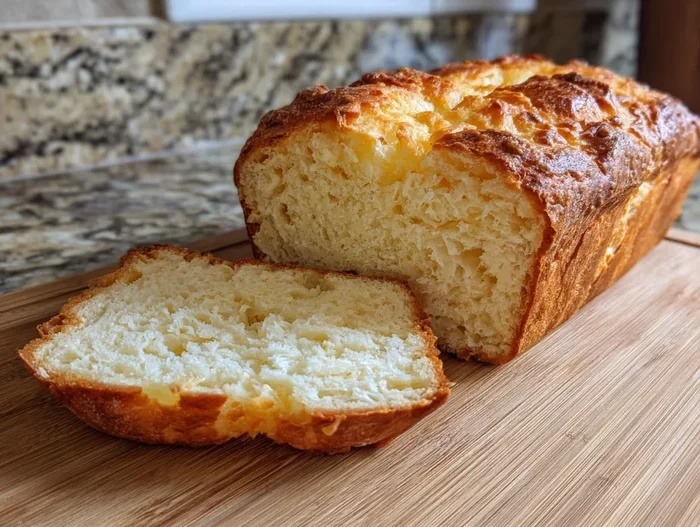
The result is a loaf that looks and tastes like it came from a bakery. The golden crust, the soft interior, and the subtle tang of cottage cheese all come together in perfect harmony. Once you make this bread, it will become a staple in your kitchen.
Final Thoughts
Baking cottage cheese bread in the oven is one of the simplest and most satisfying things you can do in the kitchen. The recipe requires minimal ingredients, little effort, and delivers outstanding results. Whether you are a complete beginner or an experienced baker, this loaf will impress you.
Start with the basic recipe. Once you feel confident, experiment with different add-ins and variations. Soon you will have your own signature bread that family and friends will love. The best part is that you know exactly what goes into every loaf.
So preheat your oven, gather your ingredients, and give this recipe a try. You will be amazed at how something so simple can taste so incredible. Happy baking!
Frequently Asked Questions
Can I use low-fat cottage cheese instead of full-fat?
Yes, you absolutely can. Low-fat cottage cheese works well in this recipe. The bread may be slightly less rich in flavor, but the texture remains soft and tender. Full-fat cottage cheese gives a slightly creamier result, but both options produce a delicious loaf.
How long does cottage cheese bread last?
When stored properly at room temperature, this bread stays fresh for 2 to 3 days. You can also refrigerate it for up to a week or freeze slices for up to 3 months. Always store the bread in a sealed bag or wrapped in a clean towel to maintain moisture.
Can I make this bread without yeast?
This specific recipe relies on yeast for the rise. However, you can try using baking powder as a substitute for a quick bread version. The texture will be different. It will be more like a dense cake than a fluffy loaf. The yeast version is recommended for the best results.
What can I serve with cottage cheese bread?
This bread pairs wonderfully with butter, jam, or honey. It makes excellent sandwiches and goes great with soups and stews. You can also serve it alongside a cheese board or use it for French toast in the morning. The possibilities are endless.
Can I add other cheeses to the dough?
Absolutely. Shredded cheddar, parmesan, or mozzarella all work beautifully mixed into the dough. Just add about half a cup of shredded cheese during the mixing stage. The cheese melts inside the oven and creates pockets of flavor throughout the bread.
Why is my bread turning out dense instead of fluffy?
Dense bread usually happens for a few reasons. The yeast might be old or expired, so always check before using. Over-kneading the dough can also cause density. Make sure to let the dough rise fully during both rises. Adding too much flour is another common cause. Keep the dough slightly sticky for the best texture.
=== CONCLUSION ===
Making cottage cheese bread in the oven from scratch is a rewarding experience that anyone can enjoy. This recipe uses simple ingredients, minimal effort, and produces a loaf that tastes bakery-quality. The cottage cheese creates a uniquely soft and moist texture that sets this bread apart from anything you buy at the store.
Whether you are looking for a healthy bread recipe, a weekend baking project, or a way to use up cottage cheese, this recipe delivers every time. Follow the steps carefully, avoid the common mistakes, and feel free to add your own creative twists.
Now that you have all the knowledge and guidance, it is time to get into the kitchen. Preheat your oven, gather your ingredients, and start baking. The smell of fresh cottage cheese bread filling your home is a reward in itself. Enjoy every warm, fluffy slice!