Can Reynolds Wrap Go In The Oven A Complete Safe Usage Guide
Can Reynolds Wrap Go In The Oven? Yes, Reynolds Wrap aluminum foil is oven safe, but only up to certain temperatures. Most Reynolds Wrap products can handle temperatures up to 400 to 450 degrees Fahrenheit, making them great for roasting, baking, and grilling. However, using foil at extreme heat or in the wrong way can cause sparks, messes, or even fire hazards. This guide covers every safe usage rule you need to know.
Have you ever wondered Can Reynolds Wrap Go In The Oven? It is a simple question, but the answer matters a lot. Using aluminum foil the wrong way in your oven can lead to smoke, sparks, or even a fire. Many home cooks reach for Reynolds Wrap every day without thinking twice about heat limits. This complete guide breaks down everything you need to know about Reynolds Wrap oven use. You will learn the safe temperatures, the best practices, and the common mistakes to avoid. By the end, you will feel confident using Reynolds Wrap in your kitchen.
Reynolds Wrap is one of the most popular brands of aluminum foil in the world. People use it for wrapping leftovers, covering baking dishes, and grilling meats. But not all Reynolds products handle heat the same way. Some foils are designed for oven use, while others are not. Understanding the difference keeps your food safe and your oven working properly. Let us dive into the details and answer this question once and for all.
Key Takeaways
- Oven Safe with Limits: Reynolds Wrap can go in the oven, but stay below 400 to 450 degrees Fahrenheit depending on the product type.
- Never Use in Microwaves: Aluminum foil should never go in a microwave oven, as it can cause sparks and damage the appliance.
- Use the Right Side: The shiny side and dull side of Reynolds Wrap have no real difference in cooking performance, so use either side.
- Avoid Direct Contact with Heating Elements: Keep foil away from oven walls, racks, and heating elements to prevent heat damage.
- Heavy Duty Is Better for High Heat: Reynolds Wrap Heavy Duty foil handles higher temperatures and is less likely to tear or melt.
- Reynolds Also Makes Oven Bags: Reynolds Oven Bags and parchment paper are great alternatives for certain cooking tasks.
- Follow Manufacturer Guidelines: Always check the Reynolds Wrap packaging for specific temperature and usage instructions.
📑 Table of Contents
- What Is Reynolds Wrap and How Does It Work?
- Can You Put Reynolds Wrap in the Oven?
- Safe Temperature Limits for Reynolds Wrap
- Best Practices for Using Reynolds Wrap in the Oven
- Common Mistakes to Avoid When Using Reynolds Wrap in the Oven
- Reynolds Wrap vs. Other Oven-Safe Wrapping Options
- Expert Tips for Getting the Most Out of Reynolds Wrap
- Key Takeaways
- Conclusion
What Is Reynolds Wrap and How Does It Work?
Reynolds Wrap is a brand of aluminum foil made by Reynolds Consumer Products. The foil is thin, flexible, and lightweight. It comes in rolls of different sizes and thicknesses. The two main types are regular Reynolds Wrap and Reynolds Wrap Heavy Duty. Each type has its own strengths and best uses in the kitchen.
Regular Reynolds Wrap vs. Heavy Duty
Regular Reynolds Wrap is about 0.0095 inches thick. It works well for wrapping sandwiches, covering bowls, and storing food. Heavy Duty Reynolds Wrap is about 0.024 inches thick. It is much stronger and can handle more heat. When you are asking Can Reynolds Wrap Go In The Oven, the type of foil matters a lot. Heavy Duty foil is the safer choice for oven cooking.
Reynolds also makes other products like Reynolds Oven Bags and Reynolds Wrap Non-Stick Foil. These are designed for specific cooking tasks. Oven Bags help you cook roasts and whole chickens with less mess. Non-Stick Foil has a special coating that prevents food from sticking. Knowing which product you have helps you decide if it is safe for oven use.
How Aluminum Foil Handles Heat
Aluminum foil has a high melting point. Pure aluminum melts at about 1,220 degrees Fahrenheit. That is far hotter than any home oven reaches. So the foil itself will not melt during normal cooking. But at very high temperatures, foil can scorch, discolor, or warp. It can also reflect heat in ways that affect your cooking results. This is why following safe temperature limits is so important.
Can You Put Reynolds Wrap in the Oven?
The short answer is yes. Can Reynolds Wrap Go In The Oven? Yes, it can. But there are important rules to follow. Reynolds Wrap is designed to be oven safe for most cooking tasks. The key is to stay within the recommended temperature range. Most Reynolds Wrap products are safe up to 400 or 450 degrees Fahrenheit.
Here are the general guidelines for oven-safe Reynolds Wrap usage:
- Regular Reynolds Wrap: Safe for oven use up to 400 degrees Fahrenheit. Best for covering dishes, wrapping vegetables, and lining pans.
- Reynolds Wrap Heavy Duty: Safe for oven use up to 450 degrees Fahrenheit. Ideal for roasting, grilling, and high-heat cooking.
- Reynolds Non-Stick Foil: Safe for oven use up to 450 degrees Fahrenheit. Use the dull, coated side facing the food.
- Reynolds Oven Bags: Safe for oven use up to 400 degrees Fahrenheit. Great for roasting meats and baking breads.
Always check the label on your Reynolds Wrap packaging. The manufacturer provides specific temperature limits for each product. Following these guidelines keeps you safe and gets the best cooking results.
Why People Use Reynolds Wrap in the Oven
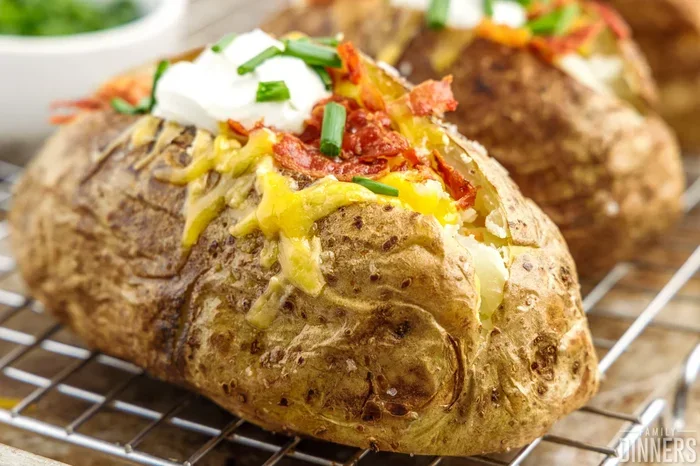
There are many reasons home cooks reach for Reynolds Wrap when using the oven. One of the most common uses is lining baking sheets. Foil-lined baking sheets make cleanup a breeze. You can also wrap whole potatoes, chicken, or fish in foil for oven roasting. The foil locks in moisture and helps food cook evenly.
Some people use foil to cover casseroles during baking. This prevents the top from burning while the inside finishes cooking. Others use foil to create a tent over roasted meats. This keeps the meat moist and tender. Reynolds Wrap is also great for grilling. You can wrap vegetables or fish in foil packets and place them on the grill.
Safe Temperature Limits for Reynolds Wrap
Understanding Reynolds Wrap oven temperature limits is essential for safe cooking. Using foil beyond its safe range can cause problems. The foil may scorch or catch fire in extreme cases. Even at lower temperatures, using foil incorrectly can affect your food quality.
What Happens When Foil Gets Too Hot?
When Reynolds Wrap is exposed to temperatures above its safe limit, several things can happen. The foil may turn dark or black. It can become brittle and tear easily. In extreme cases, the foil may ignite, especially if it touches the heating element. Sparks can fly if foil comes into contact with metal racks or oven walls.
Here is what you need to watch out for:
- Scorching and Discoloration: Foil may develop dark spots or turn black at the edges. This does not make the foil unsafe, but it looks unappealing.
- Melting or Warping: If foil touches a heating element, it may melt or warp. This can damage your oven and create a mess.
- Sparking: Crumpled foil or foil that touches metal parts can cause sparks. This is dangerous and should be avoided at all costs.
- Food Quality Issues: Foil that is too hot may affect the taste or texture of your food. It can cause uneven cooking or overcooking.
Recommended Oven Temperatures for Different Reynolds Products
Here is a quick comparison of Reynolds Wrap products and their safe oven temperatures:
| Reynolds Product | Max Oven Temperature | Best Uses |
|---|---|---|
| Regular Reynolds Wrap | 400 degrees Fahrenheit | Covering dishes, wrapping food, lining pans |
| Reynolds Wrap Heavy Duty | 450 degrees Fahrenheit | Roasting, grilling, high-heat cooking |
| Reynolds Non-Stick Foil | 450 degrees Fahrenheit | Baking, grilling, food storage |
| Reynolds Oven Bags | 400 degrees Fahrenheit | Roasting meats, baking breads |
Always stay at least 50 degrees below the maximum temperature for extra safety. This gives you a buffer and helps your foil last longer.
Best Practices for Using Reynolds Wrap in the Oven
Knowing Can Reynolds Wrap Go In The Oven is only half the battle. Using it correctly is just as important. Following best practices ensures your food cooks well and your oven stays safe. Here are the top tips every home cook should know.
1. Keep Foil Away from Heating Elements
Never let Reynolds Wrap touch the top or bottom heating elements in your oven. The elements can reach extremely high temperatures. Direct contact can cause the foil to melt or catch fire. Always keep a safe distance between the foil and any heat source.
2. Do Not Cover Vents or Airflow Areas
Ovens rely on airflow to cook food evenly. Covering vents with foil can block heat circulation. This leads to uneven cooking and longer bake times. Make sure your foil does not block any vents or openings in the oven.
3. Use Foil to Create a Tent
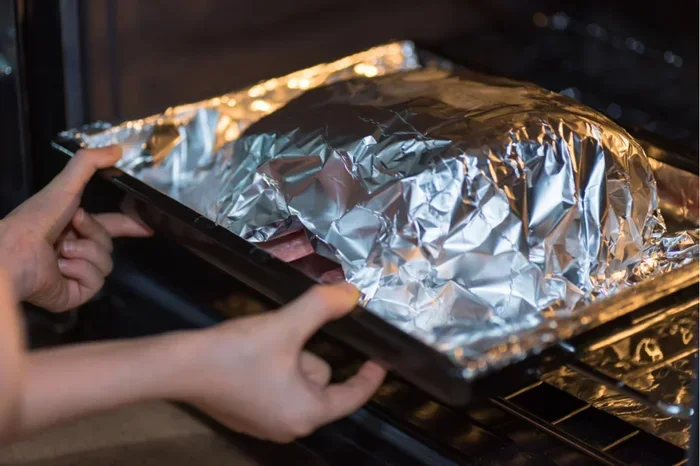
One of the best ways to use Reynolds Wrap in the oven is to create a tent. Drape the foil loosely over your food without pressing it down. This allows hot air to circulate around the food. It also prevents the foil from touching the heating elements directly.
4. Use the Shiny or Dull Side as Needed
Many people wonder which side of Reynolds Wrap to use. The shiny side reflects more heat, while the dull side absorbs more. But for most cooking purposes, the difference is negligible. Use whichever side works best for your task. The only exception is Reynolds Non-Stick Foil, where you should always place the coated dull side facing the food.
5. Do Not Reuse Foil for High-Heat Cooking
Reynolds Wrap is designed for single use in most cases. Reusing foil that has been exposed to high heat can reduce its strength. The foil may tear or fall apart during cooking. For best results, use fresh foil for each oven session.
6. Secure Foil Properly
Loose foil can shift during cooking and touch hot surfaces. Use oven-safe clips or fold the edges tightly to secure the foil in place. This prevents accidents and keeps your food cooking evenly.
Common Mistakes to Avoid When Using Reynolds Wrap in the Oven
Even experienced cooks make mistakes with aluminum foil. Knowing the common pitfalls helps you avoid them. Here are the top errors people make when using Reynolds Wrap in the oven.
Mistake 1: Using Regular Foil for High-Heat Grilling
Regular Reynolds Wrap is not designed for very high heat. Using it for grilling at temperatures above 400 degrees Fahrenheit can cause the foil to break down. Switch to Heavy Duty foil or a grill-specific product for best results.
Mistake 2: Wrapping Food Too Tightly
Wrapping food too tightly in foil traps steam and limits airflow. This can make your food soggy instead of crispy. Leave some space for air to circulate around the food inside the foil packet.
Mistake 3: Using Foil in a Microwave
This is one of the most dangerous mistakes. Can Reynolds Wrap Go In The Oven? Yes. But can it go in the microwave? Absolutely not. Aluminum foil in a microwave causes sparks and can start a fire. Always remove all foil before microwaving food.
Mistake 4: Placing Foil Directly on the Oven Floor
Placing foil on the oven floor can block heat and airflow. It can also melt if it touches the heating element. Use a baking sheet or roasting pan instead of placing foil directly on the oven floor.
Mistake 5: Using Foil with Acidic Foods for Long Periods
Acidic foods like tomatoes, citrus, and vinegar can react with aluminum foil. This can cause a metallic taste in your food. For long cooking times with acidic ingredients, use Reynolds Non-Stick Foil or parchment paper instead.
Reynolds Wrap vs. Other Oven-Safe Wrapping Options
Reynolds Wrap is not the only option for oven-safe wrapping. Several alternatives exist, each with its own advantages. Understanding your options helps you choose the right tool for the job.
Reynolds Wrap vs. Parchment Paper
Parchment paper is a popular alternative to aluminum foil. It is safe up to 420 to 450 degrees Fahrenheit. Parchment paper is great for lining baking sheets and wrapping baked goods. Unlike foil, parchment paper does not reflect heat. It absorbs heat slightly, which can help with browning.
Reynolds Wrap reflects heat back toward the food. This can help foods cook faster and crisp up better. For roasting vegetables or meats, foil often works better. For baking cookies or delicate items, parchment paper is the safer choice.
Reynolds Wrap vs. Silicone Baking Mats
Silicone baking mats are reusable and eco-friendly. They can handle temperatures up to 480 degrees Fahrenheit. Silicone mats provide a non-stick surface without the need for oil or spray. They are great for baking bread and pastries. However, they do not wrap around food the way Reynolds Wrap does.
Reynolds Wrap vs. Reynolds Oven Bags
Reynolds Oven Bags are designed specifically for roasting and baking. They trap moisture and heat, which helps meats cook faster and stay juicy. Oven bags are great for whole chickens, roasts, and baked potatoes. Reynolds Wrap, on the other hand, is more versatile. You can use it for wrapping, covering, and lining.
Both products are oven safe and made by Reynolds. Your choice depends on what you are cooking and how you want to cook it.
Expert Tips for Getting the Most Out of Reynolds Wrap
Here are some expert tips to help you use Reynolds Wrap more effectively in the oven:
- Preheat the oven first: Always preheat your oven before placing foil-wrapped food inside. This ensures even cooking from the start.
- Use multiple layers for extra protection: For very high-heat tasks, use two layers of Heavy Duty foil. This adds insulation and prevents tearing.
- Label your foil rolls: If you use Reynolds Wrap for both oven and storage, label the roll clearly. This prevents confusion and keeps food safe.
- Store foil properly: Keep Reynolds Wrap in a cool, dry place. Heat and moisture can weaken the foil over time.
- Do not use damaged foil: If your foil has tears, holes, or signs of wear, do not use it for oven cooking. Replace it with a fresh sheet.
Key Takeaways
- Reynolds Wrap Is Oven Safe: Yes, Can Reynolds Wrap Go In The Oven is a yes. Just follow the temperature limits for your specific product.
- Stay Below 450 Degrees Fahrenheit: Most Reynolds Wrap products are safe up to 400 to 450 degrees Fahrenheit. Stay within these limits for best results.
- Heavy Duty Is Best for High Heat: When cooking at higher temperatures, choose Reynolds Wrap Heavy Duty for added strength and safety.
- Keep Foil Away from Heating Elements: Never let foil touch the top or bottom heating elements in your oven.
- Never Use Foil in a Microwave: Aluminum foil and microwaves do not mix. Always remove foil before microwaving.
- Consider Alternatives When Needed: Parchment paper, silicone mats, and Reynolds Oven Bags are great alternatives for specific cooking tasks.
- Follow the Packaging Instructions: Always check the Reynolds Wrap packaging for specific guidance on oven use and temperature limits.
Conclusion
So, can Reynolds Wrap go in the oven? The answer is a clear yes, with some important caveats. Reynolds Wrap is a versatile kitchen tool that makes cooking and baking easier. It helps you roast, bake, grill, and store food with confidence. But using it safely requires knowing the temperature limits and following best practices.
Always check your product label for specific guidelines. Use Heavy Duty foil for high-heat cooking. Keep foil away from heating elements and oven vents. Avoid common mistakes like using foil in the microwave or wrapping food too tightly. These simple steps keep your food safe and your oven in great shape.
Reynolds Wrap is just one tool in your kitchen arsenal. Parchment paper, silicone mats, and oven bags each have their place. Knowing when to use each product makes you a smarter, safer cook. The next time you reach for Reynolds Wrap, you will know exactly how to use it in the oven. Happy cooking!
Frequently Asked Questions
Can Reynolds Wrap Go In The Oven at 450 Degrees?
Yes, Reynolds Wrap Heavy Duty and Non-Stick Foil are safe for oven use up to 450 degrees Fahrenheit. Regular Reynolds Wrap is safe up to 400 degrees. Always check the product label for specific temperature limits before placing foil in the oven.
Is It Safe to Use Reynolds Wrap in a Convection Oven?
Yes, Reynolds Wrap is safe to use in a convection oven. The circulating hot air works well with foil-wrapped foods. Just make sure the foil does not touch the oven walls or the convection fan. Follow the same temperature guidelines as you would for a standard oven.
What Happens If You Put Aluminum Foil in the Oven at Too High a Temperature?
If aluminum foil is exposed to temperatures above its safe limit, it can scorch, warp, or even ignite. Foil that touches a heating element may melt and cause damage to your oven. Sparks can also occur if the foil makes contact with metal parts inside the oven. Always stay within the recommended temperature range.
Can You Use Reynolds Wrap to Line the Bottom of an Oven?
It is not recommended to place Reynolds Wrap directly on the oven floor. The foil can block airflow and heat distribution. It may also melt if it touches the heating element. Use a baking sheet or oven liner designed for this purpose instead.
Does Reynolds Wrap Have a Non-Stick Version for Oven Use?
Yes, Reynolds Wrap Non-Stick Foil is designed for oven use up to 450 degrees Fahrenheit. The non-stick coating is on the dull side of the foil. Always place the coated side facing your food for the best results. This version is great for baking and grilling tasks where food might stick.
Can You Reuse Reynolds Wrap After Cooking in the Oven?
Reynolds Wrap is generally designed for single use. After exposure to high heat, the foil may weaken and tear easily. Reusing it for oven cooking is not recommended. However, you can reuse slightly used foil for non-cooking tasks like wrapping cold leftovers for storage.