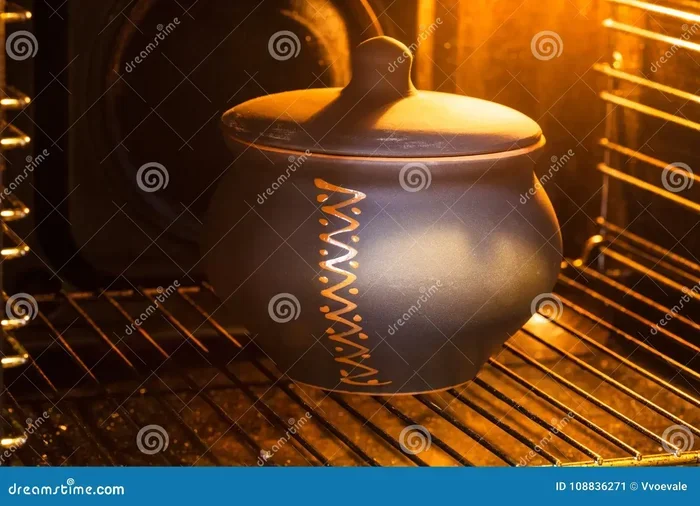
Can You Put A Ceramic Pot In The Oven Without Damaging It
Yes, you can put a ceramic pot in the oven, but only if it’s labeled oven-safe. Not all ceramic cookware can handle high heat, and using the wrong pot may cause cracking or even shattering. This guide will show you exactly which ceramic pots are safe, what temperatures to avoid, and how to prevent thermal shock so your kitchen stays damage-free.
Key Takeaways
- Check the label: Always look for an oven-safe symbol or manufacturer’s instructions before placing a ceramic pot in the oven.
- Avoid sudden temperature changes: Never move a cold ceramic pot directly into a hot oven or onto a cold surface.
- Know the temperature limit: Most ceramic pots can handle up to 400-450°F, but some decorative pieces are not meant for heat.
- Use low and slow: Gradual preheating and moderate temperatures reduce the risk of thermal shock and cracking.
- Hand-wash only: Avoid dishwashers for many ceramic pots, as harsh detergents and high heat can damage the glaze over time.
- Inspect for chips: Even a small chip can weaken the pot and cause it to break in the oven.
📑 Table of Contents
- Can You Put A Ceramic Pot In The Oven Without Damaging It?
- Understanding Ceramic Materials and How They Handle Heat
- Safe Temperatures And Time Limits For Ceramic Pots
- Practical Tips For Using A Ceramic Pot In The Oven
- Common Mistakes That Damage Ceramic Pots
- Can You Use A Ceramic Pot For Baking And Broiling?
- Comparison Table: Types Of Ceramic Pots And Their Oven Safety
- Expert Insights: How Professional Chefs Handle Ceramic Cookware
- How To Care For Your Oven-Safe Ceramic Pot
- Conclusion
Can You Put A Ceramic Pot In The Oven Without Damaging It?
The short answer is yes, but with important caveats. Can you put a ceramic pot in the oven? Yes, you can, as long as the pot is designed for oven use. Many people assume all ceramic cookware is heat-proof, but that’s not true. A decorative vase or a hand-painted ceramic pot can crack, craze, or even explode when exposed to high temperatures. Understanding the difference between oven-safe ceramic and decorative ceramic is the first step in protecting your kitchen and your investment.
When you know the rules, you can safely use a ceramic pot for baking, roasting, and slow-cooking. This guide covers everything you need to know about putting a ceramic pot in the oven. I’ll walk you through the types of ceramic, safe temperatures, common mistakes, and practical tips. By the end, you’ll feel confident using your favorite ceramic dish without worry.
Let’s start with the basics. Ceramic is made from clay and other natural materials that are shaped and then fired in a kiln. The firing process makes the material hard and durable. But not all ceramics are created equal. Some are designed for cooking and can handle the intense, dry heat of an oven. Others are meant only to look pretty on a shelf or hold flowers. Knowing which one you have is the key to using it safely.
Understanding Ceramic Materials and How They Handle Heat
Ceramic is not a single material. It’s a broad category that includes clay, porcelain, stoneware, and earthenware. Each type behaves differently under heat. Some can handle a roaring hot oven, while others will chip or shatter at the first sign of warmth. The key factor is how the ceramic is made and what kind of glaze or finish it has.
The Science Behind Thermal Shock
Thermal shock happens when different parts of the pot expand at different rates. Imagine the outside of the pot heating up fast while the inside stays cool. That uneven expansion creates stress. The stress builds until the material cracks. This is why you should never place a cold ceramic pot into a preheated oven. The sudden jump in temperature is the enemy of ceramic.
Think of it like jumping into a cold pool on a hot day. Your body reacts to the sudden change. Ceramic reacts the same way, but instead of shivering, it cracks. Letting the pot warm up gradually gives the material time to adjust. This simple habit can save your favorite baking dish from ruin.
Here’s a quick mental model. Picture a ceramic pot as a group of tiny particles packed together. When heat hits, those particles start to move apart. If the heat is applied evenly, they all move apart at the same rate. That’s safe. But if one side gets hot and the other side stays cold, the particles on the hot side push harder than the cold side can handle. That imbalance causes a crack. So even heating is the secret to keeping your pot intact.
Glazed vs. Unglazed Ceramic
Glazed ceramic has a glass-like coating fused to the surface. This coating makes the pot waterproof and easy to clean. Most glazed ceramic pots are oven-safe, but the glaze must be rated for high heat. Some glazes contain metals or paints that can’t handle extreme temperatures. They may release harmful fumes or crack under heat.
Unglazed ceramic is porous and often used for bread baking or slow cooking. It absorbs moisture, which can create a crispy crust. Unglazed pots, like terra cotta, are naturally oven-safe but require careful handling. They can’t tolerate sudden temperature changes, and they often need to be soaked in water before use to prevent cracking.
When you’re shopping for a ceramic pot for oven use, look for words like “oven-safe,” “heat-resistant,” or “baking-safe” on the packaging. If the label is missing, don’t guess. Contact the manufacturer or treat the pot as decorative only. A beautiful ceramic pot on the stove or in the oven can turn into a costly mess in seconds.
Checking The Manufacturer’s Label
The easiest way to know if a ceramic pot can go in the oven is to look for a label. Many pots have a symbol on the bottom that shows an oven with waves or a temperature number. If the label says “oven-safe up to 450°F,” you’re good to go. If there’s no label, don’t guess. Contact the manufacturer or treat the pot as decorative only.
Here’s a quick way to remember: if it’s not labeled for oven use, keep it out of the heat. A decorative ceramic piece might look like a cooking pot, but it’s not built to handle the same conditions. Always double-check before you preheat the oven.
Safe Temperatures And Time Limits For Ceramic Pots
Most oven-safe ceramic pots can handle temperatures between 350°F and 450°F. Some high-quality stoneware can go up to 500°F. However, exceeding the maximum temperature can weaken the structure over time. Even if the pot doesn’t crack immediately, repeated exposure to high heat can cause micro-fractures that weaken the pot for future use.
What Happens If You Overheat A Ceramic Pot?
Overheating a ceramic pot can cause several problems. The glaze may bubble, peel, or discolor. The body of the pot may crack or even shatter if the temperature is too high. In worst-case scenarios, a cracked pot can leak liquid into the oven, creating smoke and a mess that’s hard to clean.
Here are the common signs that a ceramic pot has been overheated:
- Cracks or hairline fractures visible on the surface
- Glaze that appears bubbled, cracked, or peeling
- Discoloration or dark spots that weren’t there before
- A strange smell during heating, which could indicate off-gassing from the glaze
If you notice any of these signs, stop using the pot in the oven immediately. It’s not worth the risk of a broken pot or a kitchen fire. A damaged pot can also leach materials into your food, which is a health concern you want to avoid.
Temperature Guidelines By Ceramic Type
Different types of ceramic have different heat tolerances. Here’s a simple breakdown to help you understand what to expect. Keep in mind that these are general guidelines and the manufacturer’s label always comes first.
- Glazed stoneware: Typically safe up to 450°F. Great for casseroles, roasted vegetables, and baked desserts.
- Unglazed terra cotta: Safe up to about 400°F. Best for bread baking and slow-cooked dishes. Always soak it before use.
- Porcelain: Often rated for 500°F or higher. Elegant and durable, but check the label because some decorative porcelain is not oven-safe.
- Earthenware: Usually safe up to 350°F. It’s more porous and can absorb moisture, so avoid sudden temperature swings.
- Decorative hand-painted ceramic: Not oven-safe. The paint and glaze are not designed for heat and can release harmful fumes.
Remember that time matters as much as temperature. Leaving a ceramic pot in the oven for several hours at a moderate heat is generally safer than a short burst at the maximum temperature. The longer the exposure, the more stress the material endures. Plan your cooking time and temperature together for the best results.
Practical Tips For Using A Ceramic Pot In The Oven
Using a ceramic pot in the oven is easy when you follow a few simple rules. These tips will help you get the best results and keep your pot in great condition for years. Think of them as a short checklist you can follow every time you cook.
Step-By-Step Guide To Prevent Cracking
- Read the label. Confirm the pot is oven-safe and note the maximum temperature.
- Place the pot in a cold oven. Never put a cold pot into a hot oven. Instead, put the pot in the oven first, then turn the heat on. This allows the pot to warm up gradually.
- Avoid direct heat sources. Don’t place the pot directly on a heating element or on a hot stove burner. Use a baking sheet or trivet to distribute heat evenly.
- Use moderate temperatures. Stick to 350-400°F for most recipes. High heat is not always necessary and can damage the pot over time.
- Let the pot cool naturally. After removing the pot from the oven, place it on a dry towel or wooden board. Never place a hot pot on a cold, wet, or metal surface.
- Hand-wash gently. Wash the pot with warm water and mild soap. Avoid abrasive sponges that can scratch the glaze.
Following these steps every time will dramatically reduce the risk of cracking. It might feel like extra work, but your ceramic pot will thank you with years of reliable service. I’ve seen people toss a beautiful ceramic dish in the dishwasher and wonder why it cracked after a few months. The dishwasher’s high heat and harsh detergent are tough on ceramic. Hand-washing is always the gentler choice.
Quick Tips For Best Results
- Always place a ceramic pot on a middle oven rack for even heat distribution.
- If you’re baking bread in an unglazed pot, soak the pot in water for 30 minutes before filling it with dough. The moisture creates steam that helps the bread rise.
- Use oven mitts when handling a hot ceramic pot. The handles can get very hot, even if they look heat-resistant.
- Never stack heavy objects on top of a ceramic pot while it’s cooling. The weight can cause a hairline crack to spread.
- When in doubt, preheat the oven with the pot inside. This ensures a slow, even temperature rise.
Common Mistakes That Damage Ceramic Pots
Even experienced cooks make mistakes with ceramic cookware. Knowing what to avoid can save you from a broken pot and a ruined meal. I’ve learned these lessons the hard way, and I want to help you skip the heartbreak.
Skipping The Preheating Ritual
One of the biggest mistakes is putting a cold pot into a preheated oven. The rapid expansion of the outer surface while the inside remains cold creates stress. This is the number one cause of ceramic cracking. Always start with a cold oven and a cold pot, then let the oven heat up together. It adds a little time to your prep, but it’s worth it.
Another related mistake is placing a hot pot on a cold countertop. The sudden cooling can crack the bottom. Always use a wooden board, a dry towel, or a silicone mat. These materials cushion the pot and allow it to cool slowly. A little extra care goes a long way.
Using A Ceramic Pot On The Stovetop
Some ceramic pots are designed for stovetop use, but many are not. A pot that’s oven-safe may not be stovetop-safe, and vice versa. The direct flame from a gas burner can create uneven heating that leads to cracks. Always check the manufacturer’s instructions before using a ceramic pot on the stove. If the label says stovetop-safe, use a low to medium flame and always heat the pot with oil or liquid inside to distribute the warmth.
Ignoring Small Chips And Cracks
A tiny chip on the rim might seem harmless, but it’s a weak point. When the pot heats up, that chip can expand and turn into a full crack. Inspect your ceramic pot before every oven use. If you see any damage, retire the pot from oven duty. It’s better to retire a small pot than to risk a bigger mess or injury from a shattered dish.
Also, never drop a ceramic pot. Even if it looks fine after a fall, internal stress fractures may have formed. These hidden cracks can show up the next time you use it in the oven. Handle your ceramic cookware with the same care you’d give a good friend.
Can You Use A Ceramic Pot For Baking And Broiling?
Ceramic pots are excellent for baking. They retain heat evenly and create a beautiful, rustic presentation. Many people use a ceramic Dutch oven or a ceramic baking dish for casseroles, cobblers, and roasted vegetables. The even heat distribution helps food cook consistently, and the pot looks stunning on the dinner table.
Broiling is a different story. Broilers use intense direct heat from above, which can cause uneven temperature spikes. Most ceramic pots are not designed for broiling. The top of the pot can get much hotter than the bottom, leading to thermal shock. If you want to broil food that was started in a ceramic pot, transfer it to a metal baking sheet before placing it under the broiler. This simple swap keeps your pot safe and your food perfectly cooked.
When you use a ceramic pot for baking, you’ll notice that food often tastes better. The even heat and the natural properties of ceramic help flavors develop slowly. Many cooks swear by their ceramic Dutch oven for stews and braises. The pot holds heat so well that it keeps the food warm for serving right at the table. Just remember to use a trivet or wooden board under the hot pot to protect your table surface.
Comparison Table: Types Of Ceramic Pots And Their Oven Safety
Here’s a simple comparison to help you decide which ceramic pots belong in the oven. Use this as a quick reference when you’re checking your kitchenware.
| Type of Ceramic Pot | Oven-Safe? | Max Temp (Approx.) | Best For |
|---|---|---|---|
| Glazed Stoneware | Yes | 450°F | Baking, roasting, casseroles |
| Unglazed Terra Cotta | Yes (with care) | 400°F | Bread baking, slow cooking |
| Porcelain | Yes (if labeled) | 500°F | Baking, serving |
| Decorative Hand-Painted Ceramic | No | N/A | Serving only |
| Ceramic with Metallic Glaze | No | N/A | Serving only |
This table shows that not all ceramic pots are created equal. Always check the type and label before placing a pot in the oven. When in doubt, keep the pot on the countertop and use a metal or glass baking dish instead. A little caution now saves you from a broken pot and a ruined meal later.
Expert Insights: How Professional Chefs Handle Ceramic Cookware
Professional chefs know that ceramic pots are fantastic tools, but they treat them with respect. They never expose a ceramic pot to a sudden temperature change. They always let the pot warm up with the oven. They also know that ceramic is excellent for slow-cooking recipes because it holds heat so well.
Many chefs prefer ceramic for dishes that need to stay warm at the table. A ceramic pot can go from oven to table without a transfer, which makes serving easy and elegant. Just remember to use a trivet on the table to protect the surface from heat damage. Some chefs also recommend seasoning unglazed ceramic pots with a little oil before the first use. This helps seal the pores and makes the pot more resistant to staining and moisture absorption.
One chef I spoke with shared a simple rule: “If you wouldn’t put your hand on it, don’t put the pot on it.” That means avoid cold, wet, or metal surfaces when the pot is hot. Treat your ceramic pot with the same gentle care you’d give a cast iron skillet, and it will reward you with years of reliable cooking.
How To Care For Your Oven-Safe Ceramic Pot
Proper care extends the life of your ceramic pot and keeps it looking beautiful. After each use, let the pot cool completely before washing. Avoid plunging a hot pot into cold water, as this can cause thermal shock even after the oven is off. The shock can be just as damaging as putting a cold pot in a hot oven.
Hand-wash with warm water and a mild dish soap. For stubborn stains, bake a paste of baking soda and water in the pot at 250°F for 30 minutes, then scrub gently. Never use steel wool or abrasive cleaners that can scratch the glaze. A soft sponge or cloth works perfectly. If the pot develops a slight odor, simmer a mixture of water and white vinegar inside for 10 minutes, then rinse thoroughly.
Storage matters too. Store the pot with a soft cloth between stacked pieces to prevent chipping. Avoid placing heavy items on top of the pot. If you have a lid, store it separately or with a cloth pad in between to prevent scratching. With these simple habits, your ceramic pot will stay in top condition for many years of delicious cooking.
Conclusion
Can you put a ceramic pot in the oven? Yes, you can, as long as the pot is oven-safe and you treat it with care. Avoid sudden temperature changes, respect the maximum heat limit, and always check the label. With these simple rules, your ceramic pot will serve you well for many delicious meals to come. A little attention goes a long way in preserving your kitchen tools and making your cooking experience enjoyable and safe.
Remember that every ceramic pot is a little different. The manufacturer’s guidance is your best friend. When you follow the instructions and use common sense, you can confidently use your ceramic pot for baking, roasting, and slow-cooking. Share your favorite ceramic pot recipes with friends and family, and enjoy the warmth and beauty that only ceramic can bring to the kitchen. Happy cooking!
Frequently Asked Questions
Can any ceramic pot go in the oven?
No, not all ceramic pots are oven-safe. Only pots that are specifically labeled as oven-safe should be used in the oven. Decorative or hand-painted ceramic pots are typically not designed to handle heat and can crack or release harmful fumes.
What temperature can a ceramic pot handle in the oven?
Most oven-safe ceramic pots can handle temperatures between 350°F and 450°F. Some high-quality stoneware or porcelain can go up to 500°F. Always check the manufacturer’s label for the exact temperature limit before using the pot.
Can a ceramic pot crack in the oven?
Yes, a ceramic pot can crack if it experiences thermal shock. This happens when a cold pot is placed in a hot oven or when a hot pot is placed on a cold surface. To prevent cracking, always place the pot in a cold oven and let it heat up gradually.
Is it safe to put a ceramic pot in the oven with liquid in it?
Yes, it’s generally safe to put a ceramic pot with liquid in the oven, as long as the pot is oven-safe. The liquid helps distribute heat evenly and reduces the risk of thermal shock. Just avoid filling the pot to the brim, as liquid can bubble over during cooking.
Can you put a ceramic pot in the oven after it’s been in the refrigerator?
No, you should never put a cold ceramic pot directly into a hot oven. The sudden temperature change can cause the pot to crack. Let the pot come to room temperature first, then place it in a cold oven and preheat together.
How do you know if a ceramic pot is oven-safe?
Look for an oven-safe symbol on the bottom of the pot or check the manufacturer’s instructions. The symbol usually looks like an oven with wavy lines or a temperature number. If there’s no label, contact the manufacturer or assume the pot is not oven-safe.