Can You Use Toothpicks In The Oven Without Burning
Yes, you can use toothpicks in the oven, but only with the right type and proper precautions. Wooden toothpicks can burn at high temperatures, while metal toothpicks handle heat much better. This guide covers everything you need to know about using toothpicks in the oven safely, including which types work best, common mistakes to avoid, and practical tips for baking and roasting.
Key Takeaways
- Wooden toothpicks can go in the oven only at low temperatures and for short periods.
- Metal toothpicks are the safest option for high-heat oven use.
- Soaking wooden toothpicks in water before baking helps prevent burning.
- Never leave toothpicks unattended in a hot oven.
- Bamboo toothpicks are a better alternative to standard wooden ones.
- Always check your recipe for specific toothpick instructions.
- Know the burn point of your toothpick material before placing it in the oven.
📑 Table of Contents
- Can You Use Toothpicks In The Oven Without Burning?
- Types Of Toothpicks And Their Oven Safety
- Best Practices For Using Toothpicks In The Oven
- Common Mistakes People Make With Toothpicks In The Oven
- Expert Tips For Baking And Roasting With Toothpicks
- Toothpick Alternatives For Oven Use
- Frequently Asked Questions
- Conclusion
Can You Use Toothpicks In The Oven Without Burning?
Have you ever been mid-recipe and wondered, can you use toothpicks in the oven? Maybe you are stuffing peppers, securing a roast, or holding together a savory pastry. The last thing you want is a kitchen fire or a ruined dish. The good news is that using toothpicks in the oven is possible, but it comes with some important rules.
The answer depends on the type of toothpick, the oven temperature, and how long it stays in there. Wooden toothpicks can burn at high heat, while metal skewers and metal toothpicks handle extreme temperatures just fine. In this article, we will walk you through everything you need to know. You will learn which toothpicks are safe, how to prepare them, and what mistakes to avoid.
Whether you are a beginner cook or a seasoned home chef, this guide will help you make smart decisions. Using toothpicks in the oven safely is all about knowing the right techniques. Let us dive in and explore the world of oven-safe toothpicks together.
Why People Use Toothpicks In The Oven
There are many reasons why cooks reach for toothpicks during baking and roasting. Stuffed recipes are one of the most common uses. Think of jalapeño poppers, stuffed mushrooms, or stuffed chicken breasts. A toothpick holds the filling in place while the food cooks through.
Another popular use is testing doneness. Many bakers insert a toothpick into a cake or muffin to check if it is done. If it comes out clean, the baked good is ready. This is a classic kitchen hack that almost every home cook knows.
Some people also use toothpicks to hold decorative pastry edges together. Phyllo dough tartlets and savory hand pies often need toothpicks to keep their shape during baking. These small sticks play a surprisingly big role in the kitchen.
The Science Behind Toothpicks And Heat
To understand why toothpicks burn, you need to know a little about combustion temperature. Most wooden toothpicks are made from birch wood. Birch has a burn point of around 450°F (232°C). However, a toothpick can start to char and smoke at much lower temperatures, sometimes around 350°F (177°C).
When a toothpick is dry, it ignites faster. This is why soaking wooden toothpicks in water before oven use is such a smart trick. The moisture creates a barrier that slows down the burning process. It gives you extra time to cook your food safely.
Metal toothpicks and bamboo toothpicks behave very differently. Metal does not burn at all. Bamboo is denser than birch wood and takes longer to char. These differences matter a lot when you are planning your next oven recipe.
Types Of Toothpicks And Their Oven Safety
Not all toothpicks are created equal. The type of toothpick you choose can make or break your dish. Let us look at the most common options and how each one performs in the oven.
Wooden Toothpicks
Standard wooden toothpicks are the most popular option. They are cheap, easy to find, and work well for low-heat recipes. However, they are not oven-safe at high temperatures. If you plan to bake at 350°F or below, wooden toothpicks can work. But above that, they start to risk charring and smoking.
The key with wooden toothpicks is preparation. Soak them in water for at least 10 minutes before inserting them into food. This simple step adds moisture and delays ignition. It is one of the best cooking tips for anyone who uses toothpicks in the oven regularly.
Bamboo Toothpicks
Bamboo toothpicks are a step up from regular wooden ones. They are thicker, stronger, and more resistant to heat. Bamboo has a higher ignition point than birch wood, which makes it a better choice for oven use.
Many baking enthusiasts prefer bamboo toothpicks for roasting vegetables and holding together stuffed dishes. They still benefit from soaking, but they hold up better in moderate heat. If you want a reliable option for oven-safe toothpicks, bamboo is a great pick.
Metal Toothpicks And Skewers
Metal toothpicks are the gold standard for oven use. They do not burn, they do not smoke, and they can handle any oven temperature. Stainless steel skewers and metal cocktail picks are excellent choices for high-heat cooking.
If you love roasting meat or making savory recipes, metal toothpicks are your best friend. They are reusable, easy to clean, and completely safe at any oven temperature. The only downside is that they can get hot, so always use tongs or oven mitts when removing them.
Plastic Toothpicks
Plastic toothpicks should never go in the oven. They melt at relatively low temperatures and can release harmful chemicals into your food. Even at 200°F, plastic starts to soften and warp. Avoid plastic toothpicks for any oven application.
Best Practices For Using Toothpicks In The Oven
Now that you know which toothpicks work, let us talk about how to use them safely. Following these best practices will keep your food safe and your oven fire-free.
Soak Wooden Toothpicks Before Use
This cannot be stressed enough. Soak wooden toothpicks in cold water for at least 10 minutes before putting them in the oven. The water absorbed by the toothpick acts as a tiny fire extinguisher. It slows down the burning process and gives your food more time to cook.
For extra protection, you can soak them for up to 30 minutes. Some cooks even add a pinch of salt to the water. The salt does not really help with burning, but it does not hurt either. The real hero here is the water.
Keep Oven Temperature Low
If you are using wooden or bamboo toothpicks, keep your oven temperature below 375°F (190°C). Higher temperatures increase the risk of burning. For recipes that require temperatures above 400°F, switch to metal toothpicks or skip toothpicks entirely.
A good rule of thumb is this: if your recipe calls for a short bake time at moderate heat, wooden toothpicks are fine. If you are roasting for an hour or more at high heat, choose a heat-resistant alternative.
Do Not Leave Toothpicks Unattended
Always stay near the oven when cooking with toothpicks. Unattended toothpicks can catch fire, especially if they are dry or exposed to direct heat. Set a timer if you need to step away, and check on your dish regularly.
This is especially important when you are using wooden toothpicks in the oven for the first time. Every oven is different, and hot spots can vary. Keeping an eye on your dish gives you the best chance of catching any issues early.
Use Toothpick Holders Or U-Shaped Picks
For recipes that require toothpicks to stay upright, consider using a toothpick holder or U-shaped oven-safe picks. These tools keep the toothpick stable and reduce the risk of it falling onto the oven floor. Some holders are made of metal and can go right in the oven with your food.
These holders are especially useful for stuffed peppers, stuffed mushrooms, and mini quiches. They keep everything neat and secure while the food bakes evenly.
Trim Excess Toothpick Length
When inserting toothpicks into food, trim the exposed ends to about half an inch. Long toothpick ends can catch fire more easily, especially if they are close to the oven rack or heating element. Trimming them short reduces this risk significantly.
Use a pair of kitchen scissors or nail clippers to trim the ends. This small step makes a big difference in oven safety. It is one of those tiny kitchen hacks that experienced cooks swear by.
Common Mistakes People Make With Toothpicks In The Oven
Even experienced cooks make mistakes when it comes to using toothpicks in the oven. Here are the most common errors and how to avoid them.
Using Dry Wooden Toothpicks At High Heat
This is the number one mistake. Dry wooden toothpicks in a hot oven are a fire hazard. They can ignite within minutes, especially if they are close to the heating element. Always soak them first and keep the temperature moderate.
Using Plastic Toothpicks
Plastic toothpicks melt, warp, and release toxic fumes. They have no place in the oven. Always check the material before you insert any toothpick into food that will go in the oven. Stick to wood, bamboo, or metal.
Forgetting To Remove Toothpicks Before Serving
This one is more about safety than oven use, but it still matters. Always remove toothpicks before serving food. A guest could accidentally bite down on a toothpick, which can cause serious dental damage or choking. Make it a habit to remove every toothpick before plating.
Overcrowding The Dish With Toothpicks
Using too many toothpicks can trap steam and prevent food from cooking evenly. It also increases the surface area that could catch fire. Use just enough toothpicks to hold the food together. Less is more when it comes to oven baking with toothpicks.
Ignoring Recipe Instructions
Some recipes specifically call for oven-safe skewers or metal picks. If a recipe mentions toothpicks, read the instructions carefully. The author likely has a reason for recommending a specific type. Following the recipe ensures the best results.
Expert Tips For Baking And Roasting With Toothpicks
Want to take your toothpick-in-oven game to the next level? Here are some expert tips that professional cooks use every day.
Use Toothpicks To Baste
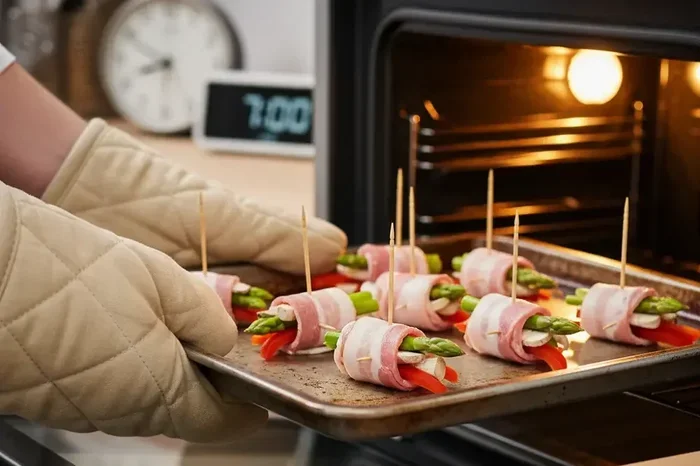
Some cooks use toothpicks to hold small pieces of food together while basting. This technique works well for roasting chicken wings or bacon-wrapped appetizers. The toothpicks keep the bacon snug against the food, ensuring it crisps up evenly.
Label Your Toothpicks
If you are baking multiple dishes at once, label your toothpicks. Use a permanent marker to write “oven” or “raw” on the container. This prevents cross-contamination and keeps your kitchen hygienic. It is a small step that makes a big difference in food safety.
Try Flavored Toothpicks
For a fun twist, try flavored wooden toothpicks. Some brands offer toothpicks infused with herbs, garlic, or citrus. These can add a subtle flavor to your dishes while holding ingredients together. They are a great conversation starter at dinner parties.
Test Your Toothpicks Before Baking
Before committing to a full recipe, test a single toothpick in your oven at the target temperature. Place it on a baking sheet and watch it for 10 minutes. If it starts to smoke or char, switch to a different type. This quick test can save you from a kitchen disaster.
Toothpick Alternatives For Oven Use
If you are not comfortable using toothpicks in the oven, there are several great alternatives. These options offer the same functionality without the risk of burning.
Metal Skewers
Metal skewers are the most popular alternative. They come in various lengths and thicknesses to suit different recipes. You can use them for kebabs, stuffed vegetables, and roasting meat. They are fully oven-safe and reusable.
Kitchen Twine
Kitchen twine is another excellent option. It works well for tying up roasts, trussing poultry, and securing stuffed dishes. Unlike toothpicks, twine does not conduct heat and will not burn your food. It is a versatile tool every kitchen should have.
Food-Safe Toothpick Clips
Toothpick clips or food-grade clips hold ingredients together without the need for a stick. They are especially useful for cannoli filling, stuffed dates, and appetizer bites. They are oven-safe and reusable.
Paper Toothpicks
Paper toothpicks are designed for baking and can handle moderate oven temperatures. They are made from food-safe paper and are less likely to burn than wooden ones. They work well for cupcake decorating and light baking tasks.
Frequently Asked Questions
Can You Put Wooden Toothpicks In The Oven?
Yes, you can put wooden toothpicks in the oven, but only at low temperatures (below 375°F) and for short cooking times. Always soak them in water for at least 10 minutes before use. This helps prevent burning and reduces the risk of fire.
What Temperature Do Toothpicks Burn?
Wooden toothpicks can start to char and smoke at around 350°F (177°C). The full burn point is around 450°F (232°C). However, dry toothpicks can ignite faster, especially if they are exposed to direct heat or open flames. Soaking them in water significantly delays burning.
Are Metal Toothpicks Safe In The Oven?
Absolutely. Metal toothpicks and metal skewers are completely oven-safe. They do not burn, they do not smoke, and they can handle any oven temperature. Stainless steel, iron, and nickel-based metal picks are all excellent choices for high-heat cooking.
Can You Use Toothpicks To Check If A Cake Is Done?
Yes, this is one of the most common uses for toothpicks in baking. Insert a toothpick into the center of a cake or muffin. If it comes out clean or with a few crumbs, the cake is done. If wet batter clings to it, the cake needs more time.
What Happens If You Leave A Toothpick In Food While Baking?
If the toothpick is wooden and the oven is hot, it can burn, smoke, or even catch fire. It may also affect the taste of your food by adding a smoky or burnt flavor. Always remove toothpicks before serving, and make sure they are oven-safe if they must stay in during baking.
Can You Use Toothpicks In A Toaster Oven?
Yes, you can use toothpicks in a toaster oven, but follow the same rules. Keep the temperature low, soak wooden toothpicks first, and never leave them unattended. Toaster ovens heat up faster and can reach high temperatures quickly, so extra caution is needed.
Conclusion
Using toothpicks in the oven is completely doable, as long as you follow the right guidelines. The key is choosing the right type of toothpick, keeping temperatures moderate, and preparing your toothpicks properly before baking. Wooden toothpicks work well for low-heat, short-duration recipes, while metal toothpicks are your best bet for anything high-heat.
Always remember to soak wooden toothpicks, trim the exposed ends, and never leave them unattended. Avoid plastic toothpicks entirely and stick to food-grade materials. With these cooking tips in mind, you can confidently use toothpicks in any oven recipe.
Can you use toothpicks in the oven without burning? The answer is yes, when you know what you are doing. Follow this guide, experiment with different types, and soon you will be a pro at oven-safe toothpick use. Happy cooking!