How Long To Cook Chuck Roast In Oven At 400 Degrees
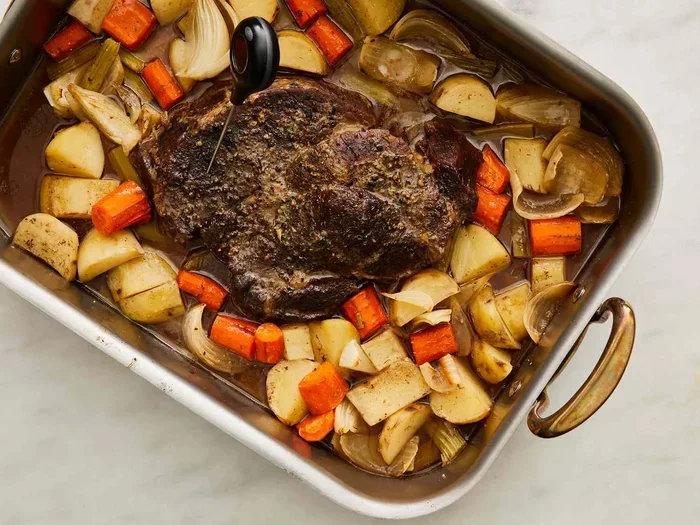
Cooking a chuck roast in oven at 400 degrees takes about 3 to 4 hours for a tender, juicy result. This guide covers exact timing, step-by-step instructions, internal temperatures, and pro tips to make the best braised chuck roast every time. Whether you are a beginner or a seasoned cook, you will find everything you need to cook chuck roast at 400 perfectly.
There is nothing quite like a slow-cooked chuck roast in oven at 400 filling your kitchen with the most incredible aroma. It is one of those meals that makes the whole house feel warm and inviting. Whether you are planning a Sunday dinner or prepping meals for the week ahead, understanding how long to cook chuck roast in oven at 400 is the key to nailing it every single time.
This guide walks you through everything you need to know. We will cover exact cooking times, temperatures, seasoning ideas, and common pitfalls. By the end, you will feel confident enough to make a braised chuck roast that rivals any restaurant. Let us get into it.
Key Takeaways
- Plan for 3 to 4 hours: A typical 3 to 4 pound chuck roast cooks fully at 400 degrees in about 3 to 4 hours.
- Sear first for best flavor: Browning the roast before oven braising creates a rich, deep flavor crust that elevates the entire dish.
- Use a meat thermometer: The safe internal temperature for chuck roast is 145°F, but 200°F to 205°F gives the most tender, pull-apart texture.
- Add liquid and vegetables: Braising liquid like beef broth, wine, or water keeps the roast moist and creates a delicious pan sauce.
- Rest the roast after cooking: Letting the chuck roast rest for 15 to 20 minutes redistributes juices and makes slicing easier.
- Avoid common mistakes: Skipping the sear, opening the oven too often, and using too little liquid are the top errors to avoid.
- Season generously: A good dry rub or marinade transforms a simple chuck roast into a restaurant-quality meal.
📑 Table of Contents
- Why Cooking Chuck Roast At 400 Degrees Works So Well
- How Long To Cook Chuck Roast In Oven At 400: Timing Breakdown
- Step-By-Step Guide To Oven-Braised Chuck Roast
- Chuck Roast Internal Temperature And Doneness
- Tips For The Most Tender Chuck Roast Every Time
- Common Mistakes To Avoid When Cooking Chuck Roast
- Best Seasoning And Flavor Combinations For Chuck Roast
- Serving Suggestions And Leftover Ideas
- Final Thoughts On Cooking Chuck Roast In Oven At 400
Why Cooking Chuck Roast At 400 Degrees Works So Well
Many people wonder why 400 degrees is a great choice for oven-braised beef. The answer comes down to chemistry and convenience. At 400 degrees, the oven heats up quickly, and the higher temperature promotes better browning and caramelization on the surface of the meat. This creates what chefs call the Maillard reaction, which is responsible for that deep, savory flavor we all love.
Compared to lower temperatures like 300 or 325 degrees, cooking at 400 cuts down the total cooking time for chuck roast significantly. You still get the low-and-slow tenderness, but in less time. This makes pot roast in oven recipes more practical for weeknight dinners or busy schedules.
The Science Behind Braising At High Heat
Braising is a cooking method that combines dry heat with moist heat. You start by searing the meat, then you cook it slowly in a covered pot with liquid. At 400 degrees, the collagen in the chuck roast breaks down faster. Collagen is the tough connective tissue that makes chuck roast cheap but incredibly flavorful. When it breaks down, the meat becomes tender and juicy.
This is why beef chuck roast recipes almost always call for a long cooking time. The patience pays off with meat that falls apart at the touch of a fork. At 400 degrees, you get that same incredible result in a shorter window.
Benefits Of Using 400 Degrees Specifically
- Faster cooking time: You save about 30 to 60 minutes compared to 325 degrees.
- Better browning: The higher heat creates a richer crust on the meat.
- More flavorful broth: Faster evaporation concentrates the braising liquid.
- Energy efficient: Less time in the oven means lower energy usage.
- Great for vegetables: Root vegetables cook faster and absorb more flavor.
How Long To Cook Chuck Roast In Oven At 400: Timing Breakdown
The beef roast cooking time depends on several factors. The weight of the roast, the shape of the cut, and whether you sear it first all play a role. Here is a general breakdown to help you plan your meal.
Cooking Time By Weight
Use this chart as a starting point for your chuck roast at 400 degrees cooking journey. Remember that these times are for a roast that has been seared first and cooked in a covered Dutch oven or roasting pan.
- 2 to 3 pounds: About 2.5 to 3 hours
- 3 to 4 pounds: About 3 to 4 hours
- 4 to 5 pounds: About 4 to 5 hours
- 5 to 6 pounds: About 5 to 6 hours
These are approximate times. Always use a meat thermometer to check doneness. The internal temperature matters more than the clock. A roast that is thicker or has more bone-in content may need extra time.
Factors That Affect Cooking Time
Not all chuck roasts are created equal. Several variables can change how long your roast takes. Understanding these helps you adjust and avoid overcooking or undercooking.
Shape of the roast: A thicker, wider roast takes longer than a narrow one. If your roast has a lot of uneven thickness, consider tying it with kitchen twine for more even cooking.
Bone-in vs. boneless: Bone-in roasts take slightly longer because the bone insulates the meat around it. However, bone-in roasts often have more flavor.
Starting temperature: A roast that comes straight from the fridge will take longer than one brought to room temperature first. Taking the meat out 30 minutes before cooking helps it cook more evenly.
Covered vs. uncovered: Cooking covered traps moisture and speeds up braising. Uncovering the roast for the last 30 minutes can help brown the top further.
Step-By-Step Guide To Oven-Braised Chuck Roast
Now that you understand the timing, let us walk through the actual process. Making a tender chuck roast at 400 degrees is straightforward once you know the steps. Follow this guide and you will get amazing results.
Step 1: Prep and Season the Roast
Start by patting the chuck roast dry with paper towels. Moisture is the enemy of a good sear. Generously season all sides with salt, pepper, garlic powder, onion powder, and any other spices you enjoy. A simple chuck roast seasoning of salt, pepper, paprika, and dried thyme works beautifully.
Let the seasoned roast sit for about 15 to 30 minutes. This allows the salt to draw out some moisture, which then gets reabsorbed, seasoning the meat deeply.
Step 2: Sear the Roast
Heat a Dutch oven or heavy oven-safe pot over medium-high heat. Add a tablespoon of oil and let it get hot. Place the roast in the pot and sear it on all sides until you get a deep brown crust. This usually takes about 2 to 3 minutes per side.
Searing chuck roast is not optional if you want the best flavor. That brown crust is packed with savory compounds that will enrich the entire dish. Do not skip this step.
Step 3: Add Aromatics and Liquid
Remove the roast and set it aside. In the same pot, add chopped onions, carrots, celery, and garlic. Sauté for about 5 minutes until they soften. Pour in your braising liquid, which can be beef broth, red wine, or a mix of both. Add a splash of tomato paste for extra richness.
Scrape up any browned bits stuck to the bottom of the pot. Those bits are pure flavor. Return the roast to the pot and nestle it among the vegetables.
Step 4: Cover and Cook At 400 Degrees
Cover the pot tightly with a lid or aluminum foil. Place it in a preheated oven set to 400 degrees. The slow cook chuck roast in oven process begins now. Set a timer based on the weight guidelines above.
Resist the urge to open the lid too often. Every time you open it, you lose heat and moisture. Check the roast only once or twice during cooking. Trust the process.
Step 5: Check Temperature and Rest
Use a meat thermometer to check the internal temperature. For a juicy, medium cook, aim for 145°F. For a truly tender, fall-apart texture, cook until 200°F to 205°F. Once done, remove the roast and let it rest for 15 to 20 minutes before slicing.
Strain the braising liquid and serve it as a sauce alongside the sliced roast. The flavor is incredible.
Chuck Roast Internal Temperature And Doneness
Understanding chuck roast internal temperature is the most important part of this entire process. The temperature tells you exactly what is happening inside the meat at a cellular level. Here is everything you need to know.
At 145°F, the roast is safe to eat but may still be slightly chewy. This is a good temperature for a sliceable roast with some bite. Most people prefer to push past this for a more tender result.
At 160°F to 170°F, the collagen starts breaking down significantly. The meat becomes noticeably more tender and juicy.
At 190°F to 205°F, the collagen has fully melted into gelatin. This is the sweet spot for oven-braised chuck roast. The meat will be incredibly tender and easy to shred with a fork. This is the temperature you want for pot roast.
Temperature Guide For Different Levels of Doneness
- 145°F (Medium): Safe but slightly firm. Good for slicing.
- 160°F (Medium-Well): Tender with some resistance. Great for sandwiches.
- 190°F to 205°F (Well Done): Fall-apart tender. Perfect for shredding and serving with gravy.
Remember that the temperature will rise about 5 to 10 degrees after you remove the roast from the oven. This is called carryover cooking. Factor this in when pulling your roast out.
Tips For The Most Tender Chuck Roast Every Time
Even experienced cooks can struggle with tough roast sometimes. These roast beef cooking tips will help you consistently get a tender chuck roast that everyone will love.
Choose the Right Cut
Not all chuck roasts are the same. Look for a well-marbled cut with visible fat streaks running through the meat. The fat melts during cooking and keeps the roast moist. Ask your butcher for a recommendation if you are unsure.
A boneless chuck roast is the most popular choice for oven braising. It is easy to slice and serves a crowd. Bone-in roasts are great if you want extra flavor but plan for a slightly longer cooking time.
Do Not Rush the Sear
Take your time with the searing step. Make sure the oil is hot before adding the roast. Pat the meat completely dry first. You want a deep brown crust, not a gray steamed surface. That crust is where a huge amount of flavor develops.
Use Enough Liquid
When slow cook chuck roast in oven, the liquid should come up about one-third to one-half of the way up the roast. Too little liquid and the roast will dry out. Too much and the broth will be diluted. Beef broth, red wine, water, or a combination all work great.
Let It Rest
Resting the roast after cooking is just as important as the cooking itself. The juices redistribute throughout the meat during this time. If you cut into it immediately, those juices run out onto the cutting board instead of staying in the meat. Give it at least 15 minutes under a loose tent of foil.
Save the Braising Liquid
Do not throw away the liquid left in the pot after cooking. Strain it and use it as a base for gravy or sauce. It is packed with flavor from the meat, vegetables, and seasonings. Simmer it on the stove to reduce and concentrate the taste.
Common Mistakes To Avoid When Cooking Chuck Roast
Learning what not to do is just as valuable as learning what to do. These common mistakes can ruin an otherwise perfect chuck roast in oven at 400 experience.
Skipping the Sear
Some people skip searing to save time. This is the biggest mistake you can make. The sear builds the foundation of flavor for the entire dish. Without it, your roast will taste flat and one-dimensional. Always take the extra 10 minutes to brown the meat properly.
Opening the Oven Too Often
Every time you open the oven door, you lose heat and moisture. This extends the cooking time and can result in a drier roast. Trust the process and check only once or twice. Use the oven light to peek at the roast without opening the door.
Using the Wrong Size Pot
The roast should fit snugly in the pot with room for the vegetables and liquid. A pot that is too large causes the liquid to spread out and evaporate faster. A pot that is too small crowds the meat and prevents even cooking. A 5 to 7 quart Dutch oven works perfectly for most chuck roasts.
Overcooking the Vegetables
If you add vegetables to the pot from the start, they can turn to mush by the time the roast is done. Add firmer vegetables like carrots and potatoes in the last hour of cooking. This keeps them intact and flavorful.
Not Letting the Roast Reach Room Temperature
Placing a cold roast straight into a hot oven creates uneven cooking. The outside can overcook while the inside remains underdone. Take the roast out 30 minutes before cooking to take the chill off. This small step makes a big difference.
Best Seasoning And Flavor Combinations For Chuck Roast
The right seasoning can turn a simple beef roast oven recipe into something extraordinary. Here are some flavor combinations that pair beautifully with chuck roast cooked at 400 degrees.
Classic Herb Blend
Salt, black pepper, garlic powder, onion powder, dried thyme, and dried rosemary. This combination works every time. It enhances the natural beef flavor without overpowering it. Rub it generously on all sides before searing.
Smoky and Bold
Add smoked paprika, cumin, chili powder, and a touch of brown sugar for a southwestern twist. This creates a rich, complex flavor profile that pairs wonderfully with the hearty beef. Serve with black beans and cornbread for a complete meal.
Red Wine and Garlic
Use red wine as your braising liquid and add fresh garlic, bay leaves, and black peppercorns. This French-inspired approach creates a luxurious, deep-flavored sauce. The wine tenderizes the meat while adding a subtle richness that is hard to beat.
Asian-Inspired
Try soy sauce, ginger, sesame oil, and five-spice powder for an unexpected but delicious variation. Add mushrooms and bok choy to the braising liquid. This gives the roast a savory, umami-packed flavor that is truly unique.
Serving Suggestions And Leftover Ideas
A perfectly cooked chuck roast with vegetables is a complete meal on its own. But it also pairs beautifully with many sides and transforms into amazing leftovers.
Serving ideas: Mashed potatoes, roasted root vegetables, egg noodles, rice, or crusty bread to soak up the gravy. A simple green salad on the side adds a fresh contrast to the rich, hearty roast.
Leftover ideas: Shredded chuck roast makes incredible sandwiches, tacos, and quesadillas. Add it to soups or stews for extra protein and flavor. You can also freeze shredded roast in portions for quick meals throughout the week. A chuck roast at 400 degrees gives you plenty of delicious leftovers to enjoy.
Final Thoughts On Cooking Chuck Roast In Oven At 400
How long to cook chuck roast in oven at 400 is a question with a beautifully simple answer. With the right timing, temperature, and technique, you can create a tender chuck roast that will impress everyone at your table. The key is to be patient, follow the steps, and trust the process.
Remember to sear the roast first, use enough liquid, check the internal temperature, and let it rest before serving. Avoid the common mistakes that can derail your efforts. With practice, making a braised chuck roast at 400 degrees becomes second nature.
This cooking method gives you a restaurant-quality meal with minimal effort. It is one of the best ways to cook beef at home. So preheat that oven, grab a chuck roast, and get ready to make something truly special. Your family and guests will thank you.
Frequently Asked Questions
Can I cook a chuck roast at 400 degrees without searing it first?
Yes, you can skip the sear, but the flavor will be noticeably less rich. Searing creates a caramelized crust that adds depth and complexity to the final dish. If you are in a hurry, it is okay to skip it, but try to make searing a regular part of your routine for the best results.
What is the best braising liquid for chuck roast cooked at 400 degrees?
Beef broth is the most popular and reliable choice. Red wine adds a sophisticated depth of flavor. You can also use a mix of broth and wine, or even just water with a splash of soy sauce for extra umami. The key is to have enough liquid to create steam and keep the roast moist throughout the cooking process.
How do I know if my chuck roast is done at 400 degrees?
The best way to check is with a meat thermometer. For a tender, shreddable roast, aim for an internal temperature of 190 to 205 degrees Fahrenheit. The meat should offer no resistance when pierced with a fork and should pull apart easily. If it still feels tough, cook it for another 30 minutes and check again.
Can I add vegetables to the pot from the beginning when cooking at 400 degrees?
You can, but vegetables added from the start may become very soft by the end. For firmer vegetables like carrots and potatoes, add them during the last 60 to 90 minutes of cooking. Onions and garlic can go in from the beginning since they hold up better during long braising.
How long does a cooked chuck roast last in the refrigerator?
A cooked chuck roast stays fresh in the refrigerator for 3 to 4 days when stored in an airtight container. The braising liquid can also be refrigerated separately and reheated as gravy. For longer storage, freeze the roast in portions for up to 3 months.
Is it better to cook chuck roast at 400 degrees or a lower temperature like 325?
Both methods produce excellent results, but 400 degrees cooks faster and creates a better sear. Lower temperatures like 325 take longer but offer a more gentle cooking process. If you have the time, 325 is great. If you want a quicker cook with robust flavor, 400 degrees is the way to go.
=== CONCLUSION ===
How long to cook chuck roast in oven at 400 comes down to about 3 to 4 hours for most cuts, but the real secret lies in the technique. Sear it well, braise it patiently, check the internal temperature, and let it rest. These simple steps transform an affordable cut of beef into a show-stopping meal. You now have all the knowledge to make the best chuck roast at 400 degrees your kitchen has ever seen. Get in the kitchen and give it a try. Your taste buds will thank you.