How Long To Cook Deer Backstrap In Oven At 350 Degrees
Cooking deer backstrap in the oven at 350°F takes about 20 to 30 minutes depending on thickness and desired doneness. Venison backstrap roasts are lean and tender, making them a favorite for hunters and home cooks alike. This guide covers oven-baked deer backstrap times, temperatures, and pro tips for juicy results every time.
Venison backstrap is one of the most prized cuts of deer meat. It is lean, tender, and packed with flavor. If you have ever wondered how long to cook deer backstrap in oven at 350 degrees, you are in the right place. This guide walks you through every step. You will learn the right oven temperature, cooking times, seasoning ideas, and mistakes to avoid. Whether you are a seasoned hunter or a beginner, this deer meat recipe will help you get amazing results.
Many people worry about venison backstrap drying out in the oven. The good news is that it is simpler than you think. With the right backstrap cooking time and a few easy techniques, you can serve a restaurant-quality meal. Let us dive into everything you need to know about oven-baked backstrap and deer roast cooking at 350°F.
Key Takeaways
- Cook Time: Deer backstrap typically needs 20–30 minutes at 350°F for medium-rare.
- Internal Temp: Aim for 130–135°F for medium-rare venison backstrap.
- Resting Is Key: Let the meat rest for 5–10 minutes after baking.
- Season Simply: Garlic, rosemary, salt, and pepper work great on deer backstrap.
- Sear First: Searing before oven baking locks in juices and adds flavor.
- Thickness Matters: Thicker cuts need more time; thin slices cook fast.
📑 Table of Contents
- What Is Deer Backstrap and Why Is It Special
- How Long to Cook Deer Backstrap in Oven at 350
- The Best Seasoning for Deer Backstrap
- Step-by-Step: How to Cook Deer Backstrap in the Oven
- Common Mistakes When Cooking Deer Backstrap in the Oven
- How to Know When Deer Backstrap Is Done
- Serving Suggestions for Deer Backstrap
- Storing and Reheating Leftover Deer Backstrap
- Expert Insights on Baking Deer Backstrap
- Frequently Asked Questions
- Conclusion
What Is Deer Backstrap and Why Is It Special
The deer backstrap runs along the spine of the animal. It is the most tender cut of venison. Because it does very little work, the muscle stays soft and lean. Unlike beef, venison has almost no fat marbling. This means you must be careful not to overcook it.
Why Choose Oven-Baked Backstrap
Baking venison backstrap in the oven is one of the easiest methods. You do not need special equipment. A basic oven and a baking pan are all you need. The oven provides even heat distribution, which helps the meat cook consistently. This method also gives you great control over the internal temperature of the meat.
Many cooks prefer oven-baked deer backstrap over grilling because it is more forgiving. You can set a timer and monitor the meat closely. Plus, the oven keeps a steady oven temperature throughout the cook. This makes it ideal for beginners who are still learning venison oven recipe basics.
How Long to Cook Deer Backstrap in Oven at 350
This is the question most hunters and home cooks ask. The answer depends on a few factors. The thickness of the cut, whether you seared it first, and your desired doneness all play a role. Here is a general guide for deer backstrap cooked at 350°F.
| Backstrap Thickness | Cook Time (350°F) | Internal Temp | Doneness |
|---|---|---|---|
| 1 inch | 15–20 minutes | 130°F | Medium-Rare |
| 1.5 inches | 20–25 minutes | 135°F | Medium-Rare |
| 2 inches | 25–30 minutes | 140°F | Medium |
| 2.5 inches | 30–35 minutes | 145°F | Medium-Well |
These times are for a deer meat oven bake without a sear first. If you sear the backstrap before putting it in the oven, reduce the time by about 3–5 minutes. Always use a meat thermometer. Guessing leads to overcooked, dry venison.
Searing Before Baking
Searing is optional but highly recommended. A quick sear on the stove adds a flavorful crust. It also helps lock in juices during the oven deer recipe process. Heat a cast-iron skillet with a little oil. Sear each side for about 1–2 minutes until browned. Then transfer the backstrap directly into the preheated 350°F oven.
Some cooks skip the sear and go straight to the oven. That works too. The result will be slightly different, but still delicious. If you skip searing, add 3–5 minutes to the backstrap cooking time listed above.
The Best Seasoning for Deer Backstrap
Venison is naturally lean. It has a mild, slightly gamey flavor. A simple seasoning lets the natural taste shine. But the right spices can elevate the dish even more. Here are some great options for deer backstrap seasoning.
- Classic Simple: Salt, black pepper, garlic powder, and olive oil.
- Herb Garden: Fresh rosemary, thyme, and a sprinkle of sage.
- Smoky Twist: Smoked paprika, cumin, and a touch of brown sugar.
- Bold & Spicy: Cayenne pepper, garlic, onion powder, and oregano.
Keep it simple. Heavy spice blends can mask the natural flavor of venison. A light coat of olive oil and basic seasonings works beautifully. Let the venison backstrap absorb the flavors for at least 30 minutes before baking. You can also marinate it overnight in the fridge for deeper flavor.
Marinade Ideas for Deer Backstrap
Marinades add moisture and flavor to lean cuts. Since venison has little fat, a marinade helps keep it juicy. Try a simple mix of olive oil, soy sauce, garlic, and Worcestershire sauce. Marinate for 2–4 hours for best results. Do not marinate too long, as the acid can break down the meat fibers and make the texture mushy.
Step-by-Step: How to Cook Deer Backstrap in the Oven
Follow these steps for a perfect oven-baked backstrap every time. The process is straightforward and hard to mess up.
- Prepare the Backstrap: Trim any silver skin or excess sinew. Pat the meat dry with paper towels. Dry meat sears better and browns more evenly.
- Season Generously: Apply your chosen spices evenly on all sides. Use salt and pepper as a base. Add garlic powder or herbs of your choice.
- Preheat the Oven: Set your oven to 350°F. Let it fully preheat before putting the meat in. A hot oven ensures even cooking time and better browning.
- Sear (Optional): Heat a skillet on medium-high. Add oil and sear each side for 1–2 minutes. Transfer to an oven-safe dish.
- Bake in the Oven: Place the backstrap on a rack or baking sheet. Put it in the center of the oven. Set a timer based on the thickness guide above.
- Check Internal Temperature: Use a meat thermometer. Insert it into the thickest part. Pull the meat out at 130°F for medium-rare.
- Rest the Meat: Let it rest for 5–10 minutes before slicing. This allows the juices to redistribute throughout the meat.
- Slice and Serve: Cut against the grain for the most tender bite. Serve with your favorite sides.
Quick Tips for Perfect Results
Here are some quick tips that make a big difference when you are baking deer meat in the oven.
- Use a meat thermometer. This is the single most important tool for cooking venison perfectly.
- Do not overcook. Venison dries out fast past 145°F internal temperature.
- Bring meat to room temperature before baking. Take it out of the fridge 20–30 minutes ahead.
- Use a rack on the baking sheet. This allows air to circulate and promotes even cooking.
- Let the meat rest. Cutting too early releases all the juices and dries out the backstrap.
Common Mistakes When Cooking Deer Backstrap in the Oven
Even experienced cooks make mistakes with venison oven recipe dishes. Here are the most common ones and how to avoid them.
Overcooking the Meat
This is the number one mistake. Venison is extremely lean. It does not have the fat buffer that beef has. Once you pass medium-well, the meat turns dry and tough. Always pull the backstrap at 130–135°F. The meat will continue to cook slightly as it rests. This carryover cooking can add 5°F to the final temperature.
Skipping the Sear
Some people skip searing to save time. While it works, the sear adds a crust that enhances flavor and texture. It takes only 2 minutes per side. That small effort makes a noticeable difference in the final dish. Think of it like how to cook Omaha steak burgers in the oven — searing first always improves the result.
Not Letting the Meat Rest
Cutting into hot venison right away is tempting. But the juices need time to settle. If you slice immediately, the meat loses moisture fast. Give it at least 5 minutes. For thicker cuts, wait closer to 10 minutes. This is similar to resting any oven-baked meat, just like you would after how long do potatoes take to cook in the oven — resting matters for all oven-baked dishes.
Using Too Much Spice
Heavy seasoning can overpower the delicate flavor of venison. Keep it light and let the natural taste come through. A simple blend of salt, pepper, and garlic is often all you need.
How to Know When Deer Backstrap Is Done
Knowing the doneness of your venison backstrap is all about temperature. Here is a quick reference guide.
- Rare (120–125°F): Very red and cool in the center. Not recommended for food safety with wild game.
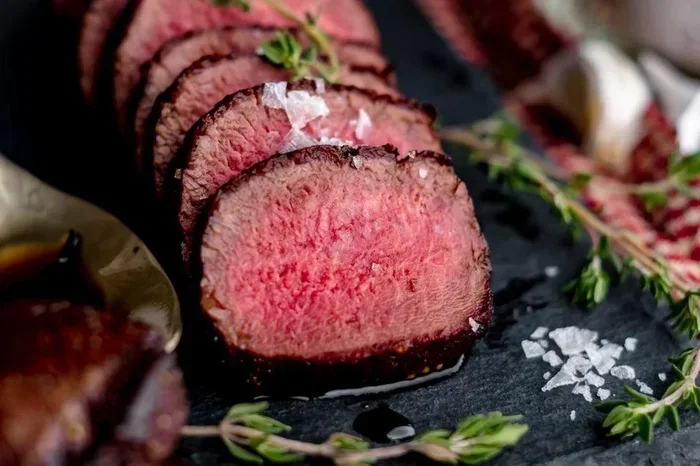
- Medium-Rare (130–135°F): Warm red center. This is the sweet spot for most venison lovers.
- Medium (140–145°F): Pink center. Still juicy but slightly firmer.
- Medium-Well (150°F+): Little to no pink. Higher risk of dryness with venison.
For the best results, aim for medium-rare. This is where deer backstrap is at its most tender and flavorful. The meat will be juicy with a slight pink center. If you are serving to guests who prefer well-done, consider slicing the meat thin. Thin slices stay juicier even at higher temperatures.
Remember that deer meat oven temperatures can vary slightly based on your oven. Some ovens run hot or cool. Invest in an oven thermometer if you bake venison often. It takes the guesswork out and ensures consistent results every time.
Serving Suggestions for Deer Backstrap
Once your oven-baked backstrap is done, it is time to serve. Here are some great side dishes and pairing ideas.
- Roasted vegetables: Carrots, asparagus, and Brussels sprouts roast beautifully alongside venison.
- Mashed potatoes: A classic pairing that complements the lean, rich flavor of deer meat.
- Wild rice pilaf: Nutty wild rice adds a earthy flavor that pairs well with game meat.
- Crispy polenta: Creamy polenta with a crispy top is a great base for sliced backstrap.
- Simple salad: A fresh arugula salad with lemon vinaigrette cuts through the richness of the meat.
Pair your venison oven recipe with a bold red wine. A Cabernet Sauvignon or Malbec complements the flavor of venison beautifully. For a non-alcoholic option, try sparkling water with a squeeze of lemon. The bubbles cleanse the palate between bites.
Storing and Reheating Leftover Deer Backstrap
If you have leftovers — which is rare with good venison — store them properly. Let the meat cool to room temperature first. Wrap it tightly in plastic wrap or foil. Store in the fridge for up to 3 days. To reheat, use a low oven temperature around 250°F. Cover with foil to keep moisture in. Reheat slowly to prevent the meat from drying out.
You can also slice leftover deer backstrap and use it in sandwiches, salads, or pasta dishes. Cold venison sliced thin makes an excellent charcuterie addition. It pairs well with cheese, crackers, and pickled vegetables.
Expert Insights on Baking Deer Backstrap
Professional hunters and chefs agree on a few key principles for perfect deer roast cooking. First, always start with quality meat. Fresh, properly handled venison makes a huge difference. Second, do not be afraid of the oven. Many people default to grilling, but the oven provides more control. Third, temperature is everything. A $10 meat thermometer is the best investment you can make for venison backstrap success.
Some experts recommend a two-step method. Sear the backstrap on high heat first, then finish in a 350°F oven. This creates a flavorful crust while keeping the inside perfectly pink. It is similar to techniques used for how to cook Omaha steaks filet mignon in oven — the principles are the same. High heat searing followed by controlled oven baking produces restaurant-quality results at home.
Another tip from experienced cooks: let the meat sit at room temperature for 20–30 minutes before baking. Cold meat going into a hot oven cooks unevenly. The outside overcooks while the center stays cold. Bringing the meat to room temperature ensures a more even cooking time throughout the cut.
Frequently Asked Questions
Can you cook deer backstrap in a toaster oven?
Yes, you can cook deer backstrap in a toaster oven. Just reduce the cook time slightly since toaster ovens heat up faster and have a smaller cavity. Monitor the internal temperature closely and adjust the oven temperature to 350°F as you would in a regular oven.
How do you keep deer backstrap from drying out?
The key is not to overcook it. Pull the meat at 130–135°F for medium-rare. Also, let it rest for 5–10 minutes after baking. Using a marinade or brine before cooking adds extra moisture. A light coating of olive oil before baking helps retain juices during the oven-baked backstrap process.
Is deer backstrap the same as venison loin?
Yes, deer backstrap and venison loin refer to the same cut. It is the long, tender muscle that runs along the deer’s spine. Some people call it the “pork chop of the deer world” because of its tenderness and mild flavor. It works beautifully for any deer meat oven recipe.
What is the best internal temperature for deer backstrap?
The best internal temperature for deer backstrap is 130–135°F for medium-rare. This gives you a warm pink center that is juicy and tender. If you prefer more well-done meat, 140°F is the upper limit before the venison starts to lose moisture and become tough.
How long should deer backstrap rest after cooking?
Let deer backstrap rest for 5–10 minutes after removing it from the oven. This resting period allows the juices to redistribute throughout the meat. If you cut too early, the juices run out and the meat becomes dry. Use this time to prepare your sides or make a quick pan sauce.
Can you freeze cooked deer backstrap?
Yes, you can freeze cooked deer backstrap. Wrap it tightly in plastic wrap and then in foil or place it in an airtight container. It will keep in the freezer for up to 3 months. Thaw overnight in the fridge before reheating gently in a 250°F oven to maintain moisture and texture.
Conclusion
Cooking deer backstrap in oven at 350 is easier than most people think. The key is knowing the right cooking time, using a meat thermometer, and not being afraid of simple seasonings. With just 20–30 minutes in a 350°F oven, you can achieve a perfectly pink, juicy venison roast. Remember to rest the meat, slice against the grain, and enjoy every bite.
Whether you are processing your own hunt or buying venison from a local butcher, this deer meat recipe will serve you well. The oven-baked backstrap method gives you consistent, reliable results every time. Once you master the basics, you can experiment with different marinades, spice blends, and serving styles. Happy cooking, and enjoy your delicious venison backstrap!