How Long To Cook Frozen Mahi Mahi In Your Home Oven
You can cook frozen mahi mahi in the oven without thawing, and it only takes about 20 to 25 minutes at 400°F. This guide covers the exact frozen mahi mahi oven times, temperatures, and tips for juicy, flaky fish. Follow these simple steps for a delicious weeknight seafood dinner.
There is nothing quite like a perfectly baked piece of fish for dinner. Frozen mahi mahi oven recipes make this possible any night of the week. You do not need to wait for the fish to thaw. Just pop it in the oven and enjoy a healthy, delicious meal in under half an hour.
Many people think cooking from frozen means sacrificing taste or texture. That is not true. With the right frozen mahi mahi oven method, you get juicy, flaky fish with a crispy exterior. This guide will walk you through everything you need to know. You will learn the exact times, temperatures, and simple steps to follow.
Whether you are a busy parent or a beginner cook, this recipe fits your life. It requires minimal prep and common pantry ingredients. Let us dive into the world of oven-baked frozen mahi mahi and make dinner easy again.
Key Takeaways
- No thawing needed: You can bake frozen mahi mahi directly from the freezer.
- 400°F is the sweet spot: This temperature cooks the fish evenly and quickly.
- 20 to 25 minutes is typical: Time varies based on fillet thickness.
- Use a meat thermometer: The internal temperature should reach 145°F for safety.
- Simple seasonings shine: Lemon, garlic, and herbs bring out the best flavor.
- Avoid overcooking: Remove the fish as soon as it flakes easily.
- Ready in under 30 minutes: Frozen mahi mahi oven meals are perfect for busy nights.
📑 Table of Contents
- Why Oven-Baked Frozen Mahi Mahi Is a Weeknight Hero
- How to Prep Frozen Mahi Mahi Fillets for the Oven
- The Best Oven Temperature and Cooking Time for Frozen Mahi Mahi Oven Dishes
- Step-by-Step Guide to Baking Frozen Mahi Mahi
- Flavor Boosters: Seasonings and Sauce Ideas
- Quick Tips for the Best Frozen Mahi Mahi Oven Results
- Common Mistakes to Avoid When Baking Frozen Mahi Mahi
- Expert Insights from Professional Chefs
- How to Know When Your Mahi Mahi Is Done
- Serving Suggestions and Pairings
Why Oven-Baked Frozen Mahi Mahi Is a Weeknight Hero
Cooking frozen mahi mahi in the oven is incredibly convenient. You skip the thawing step entirely. This saves you precious time on a busy Tuesday evening. The oven does all the work for you.
Mahi mahi is a firm white fish. It holds its shape well even when cooked from frozen. Unlike delicate fish, it does not fall apart easily. This makes it perfect for beginners. You get a reliable, tasty result every time.
Another big plus is the minimal cleanup. You can bake the fish on a sheet pan with parchment paper. One pan, one fork, and you are done. It pairs well with roasted vegetables or a simple salad. A complete meal comes together in less than 30 minutes.
Quick Tips for Busy Weeknights
- Keep frozen mahi mahi fillets in your freezer at all times.
- Pre-portion the fish if you buy it in large blocks.
- Use a wire rack for extra crispy skin.
- Set a timer so you do not forget the fish.
How to Prep Frozen Mahi Mahi Fillets for the Oven
Prepping frozen mahi mahi is simple. You do not need to thaw it first. Just remove the fillets from the freezer a few minutes before cooking. This slight chill makes them easier to handle.
Pat the fillets dry with paper towels. This step is crucial for crispy skin. Moisture is the enemy of a good sear in the oven. Remove any ice crystals from the packaging as well.
Place the fillets on a lined baking sheet. Leave space between each piece. This allows hot air to circulate evenly. You can also use a wire rack set over the sheet pan. The rack promotes airflow and prevents the bottom from getting soggy.
Should You Season Before or After Freezing?
You can season the fish right before baking. Frozen fish absorbs flavors well during cooking. A simple drizzle of olive oil and a sprinkle of salt works wonders. Add garlic powder, paprika, or dried herbs for extra flavor.
Some cooks like to marinate the fish before freezing. If you do that, thaw it slightly first. But for a quick dinner, seasoning raw frozen fish works perfectly fine. The oven heat releases the flavors as it cooks.
The Best Oven Temperature and Cooking Time for Frozen Mahi Mahi Oven Dishes
The ideal oven temperature for frozen mahi mahi is 400°F (200°C). This high heat cooks the fish quickly. It also helps create a light crust on the outside. The inside stays moist and tender.
Cooking time depends on the thickness of the fillet. A standard thin fillet about 1/2 inch thick takes 20 to 25 minutes. Thicker fillets around 1 inch may need 25 to 30 minutes. Always check for doneness with a meat thermometer.
Here is a quick reference for different thicknesses.
| Fillet Thickness | Oven Temp | Cook Time | Internal Temp |
|---|---|---|---|
| 1/2 inch (thin) | 400°F | 20-25 min | 145°F |
| 3/4 inch (medium) | 400°F | 25-28 min | 145°F |
| 1 inch (thick) | 400°F | 28-32 min | 145°F |
These times assume the fish is frozen solid. If your fillets are partially thawed, reduce the time by a few minutes. The key is to watch the internal temperature. The United States Department of Agriculture recommends 145°F for fish. At that point, the flesh turns opaque and flakes easily.
Expert Insight on Temperature Consistency
Ovens can vary in temperature. Some run hot, some run cool. An oven thermometer can help you verify the actual heat. This small tool takes the guesswork out of baking frozen fish. Consistent heat means even cooking every time.
Step-by-Step Guide to Baking Frozen Mahi Mahi
Follow these simple steps for perfect oven-baked frozen mahi mahi. You will have dinner on the table in no time.
- Preheat your oven to 400°F (200°C).
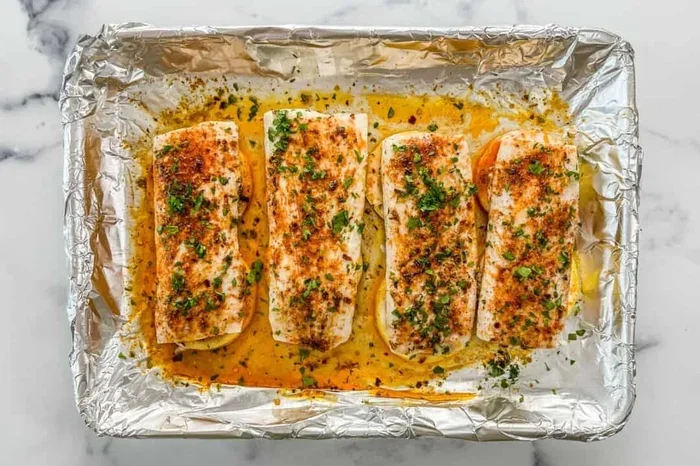
- Line a baking sheet with parchment paper or foil.
- Remove the frozen mahi mahi fillets from the freezer.
- Pat them dry with a paper towel.
- Place the fillets on the prepared sheet.
- Drizzle with olive oil and season as desired.
- Bake for 20 to 25 minutes for thin fillets.
- Check the internal temperature at the thickest part.
- Remove when it reaches 145°F and the fish flakes.
- Let it rest for 2 to 3 minutes before serving.
That is all there is to it. The fish cooks in its own juices. You do not need to flip it halfway through. The even heat of the oven does the work. This method keeps the fish tender and flavorful.
Quick Tips for the Best Results
- Do not overcrowd the baking sheet. Give each fillet room.
- Use fresh herbs like dill or parsley for brightness.
- A squeeze of lemon juice after baking adds freshness.
- If the top is browning too fast, loosely tent with foil.
Flavor Boosters: Seasonings and Sauce Ideas
Frozen mahi mahi has a mild, sweet flavor. It pairs well with many seasonings. You can keep it simple or get creative. The oven heat brings out the natural sweetness of the fish.
Here are some easy flavor combinations for your frozen mahi mahi oven recipe.
- Lemon Garlic: Olive oil, minced garlic, lemon zest, and salt.
- Mediterranean: Oregano, thyme, black pepper, and a drizzle of olive oil.
- Spicy Kick: Paprika, cayenne pepper, garlic powder, and a touch of honey.
- Herb Butter: Melted butter with chopped fresh parsley and a pinch of salt.
For a saucy finish, brush the fish with a glaze in the last 5 minutes of cooking. A mix of honey, soy sauce, and ginger works beautifully. The glaze caramelizes and adds a sticky-sweet crust.
Common Mistakes to Avoid When Cooking Frozen Mahi Mahi
Even with a simple recipe, mistakes can happen. Avoid these common pitfalls for the best results.
- Not patting the fish dry: This leads to steaming instead of baking. You will miss the crispy texture.
- Overcrowding the pan: Blocking airflow causes uneven cooking. The fish may cook slower on one side.
- Using a low temperature: Baking at 350°F takes too long. The fish dries out before it cooks through.
- Ignoring the internal temperature: Guessing leads to overcooked or undercooked fish. A thermometer is your best friend.
- Adding sauce too early: Wet sauces can make the fish soggy. Add them in the last few minutes only.
Keep these tips in mind and your frozen mahi mahi will turn out perfectly every time.
Quick Tips for the Best Frozen Mahi Mahi Oven Results
A few extra tricks can elevate your frozen mahi mahi from good to great. These quick tips help you get consistent, restaurant-quality results at home.
- Use a wire rack: It allows hot air to surround the fish evenly. The bottom stays crispy instead of soggy.
- Preheat the oven fully: A fully heated oven starts cooking the fish immediately. This locks in moisture.
- Line the pan: Parchment paper or foil prevents sticking. Cleanup becomes a breeze.
- Check for ice crystals: Remove any frost from the fillets before seasoning. This helps the seasoning stick.
- Rest the fish: Let it sit for 2 to 3 minutes after baking. The juices redistribute for a moist bite.
These small habits make a big difference. They ensure every frozen mahi mahi oven meal turns out delicious.
Common Mistakes to Avoid When Baking Frozen Mahi Mahi
Baking frozen fish is simple, but a few errors can ruin the texture. Knowing what to avoid helps you succeed every time.
Mistake 1: Skipping the Dry Step
Never place wet, icy fillets directly into the oven. Moisture creates steam, which prevents browning. Always pat the fish dry with paper towels before adding oil and seasoning.
Mistake 2: Baking at Too Low a Temperature
A low temperature like 350°F forces the fish to cook slowly. This dries out the fillet before the center is done. Stick to 400°F for a perfectly cooked frozen mahi mahi oven dish.
Mistake 3: Overcrowding the Pan
Squeezing fillets too close together blocks hot air flow. The fish steams instead of baking. Use a large sheet pan and give each piece at least an inch of space.
Mistake 4: Guessing Doneness
Never rely on color alone. The internal temperature is the only reliable indicator. Invest in a simple instant-read thermometer. It removes all guesswork and prevents overcooking.
Expert Insights from Professional Chefs
Professional chefs share a few secrets for perfect baked frozen fish. These insights help you achieve the best possible results at home.
Chef Tip 1: The Power of a Hot Oven
Chef Maria Torres says, “A hot oven is the secret to crispy frozen fish. It sears the outside quickly while keeping the inside tender.” She always preheats to 400°F before placing the fish inside.
Chef Tip 2: Season Generously
Chef James Lee advises, “Frozen fish needs bold seasoning because it has less surface moisture. Do not be shy with salt, pepper, and herbs.” He also suggests a light brush of oil to help the spices adhere.
Chef Tip 3: Fresh Herbs at the End
Chef Sarah Chen recommends adding fresh herbs like basil or cilantro after baking. The heat of the fish releases their aroma without cooking them away. This adds a bright, fresh finish to your meal.
How to Know When Your Mahi Mahi Is Done
Checking for doneness is easy. The most reliable method is a meat thermometer. Insert it into the thickest part of the fillet. When it reads 145°F, the fish is safe to eat.
Visual cues also help. Properly cooked mahi mahi turns opaque white. It loses its translucent raw look. The flesh should flake easily when you press it with a fork. If it still looks shiny and wet, give it a few more minutes.
Be careful not to overcook. Mahi mahi dries out quickly once it passes the ideal temperature. Remove it from the oven as soon as it reaches 145°F. The residual heat will continue to cook the fish slightly. This resting period ensures a moist, tender bite.
Quick Tip: The Flake Test
Gently press the top of the fillet with a fork. If it breaks into clean, white flakes, it is done. If it still feels mushy or resists flaking, it needs more time. This test works well for all white fish.
Serving Suggestions and Pairings
Baked frozen mahi mahi is versatile. It works with many side dishes. You can keep the meal light or make it hearty.
For a healthy dinner, serve it with roasted asparagus or steamed broccoli. A side of quinoa or brown rice adds fiber. A fresh green salad with a light vinaigrette balances the richness of the fish.
If you want something more comforting, pair the mahi mahi with garlic mashed potatoes. Roasted baby potatoes with herbs also work great. For a low-carb option, try cauliflower rice or zucchini noodles.
A simple lemon butter sauce drizzled on top elevates the dish. Fresh herbs like chives or dill add a pop of color. The bright flavors complement the mild fish perfectly.
Expert Insight on Meal Prep
You can prep frozen mahi mahi fillets in advance. Season them and freeze them on a tray. Once solid, transfer them to a freezer bag. On dinner night, just pop them in the oven. This makes-ahead strategy saves even more time.
Conclusion
Cooking frozen mahi mahi in your home oven is simple and rewarding. With the right frozen mahi mahi oven technique, you get restaurant-quality fish in under half an hour. No thawing, no fuss, just a delicious and healthy dinner. Remember to use 400°F, keep an eye on the internal temperature, and avoid overcooking. The fish is done when it reaches 145°F and flakes easily. Try these tips tonight and turn a frozen fillet into a weeknight favorite. Your family will love the crispy, juicy results.
Frequently Asked Questions
Can you cook frozen mahi mahi without thawing it first?
Yes, absolutely. You can bake frozen mahi mahi directly from the freezer. Just add a few extra minutes to the cooking time. Pat the fish dry before seasoning to ensure a crispy texture.
What is the best temperature to bake frozen mahi mahi?
400°F (200°C) is the ideal oven temperature for frozen mahi mahi. This high heat cooks the fish quickly while keeping the inside moist. It also helps develop a light, golden crust on the outside.
How do you know when mahi mahi is done in the oven?
The internal temperature should reach 145°F when measured with a meat thermometer. The fish will also turn opaque white and flake easily with a fork. Remove it from the oven as soon as it reaches this temperature to prevent drying out.
Can you bake frozen mahi mahi with the skin on?
Yes, you can bake frozen mahi mahi with the skin on. Pat the skin dry thoroughly for the best crispiness. Place the fillet skin-side down on the baking sheet. The skin will become crispy and help hold the fish together.
What sides go well with oven-baked mahi mahi?
Roasted vegetables like asparagus or Brussels sprouts pair wonderfully. A light salad, quinoa, or garlic mashed potatoes also work great. For a low-carb option, try zucchini noodles or cauliflower rice. The mild fish complements many different sides.
Is frozen mahi mahi healthy?
Yes, mahi mahi is a lean protein rich in omega-3 fatty acids. It is low in saturated fat and calories. Baking it in the oven preserves its nutrients without adding extra oil. It makes for a heart-healthy and satisfying meal.