How To Cook Frittata In Oven For A Perfect Breakfast
Cooking a frittata in the oven is the easiest way to enjoy a fluffy, golden breakfast without standing over a stove. This guide covers everything from ingredients and temperatures to the best fillings and common mistakes. You will learn how to make a frittata in oven that tastes like a restaurant brunch dish but takes just minutes to prep. Whether you are a beginner or a seasoned cook, this method delivers consistent, delicious results every single time.
There are few things better than a warm, golden frittata in oven on a lazy Sunday morning. It is one of those dishes that feels fancy but is incredibly easy to make. You do not need any special skills or fancy equipment. Just a few simple ingredients, a hot oven, and a little patience, and you will have a breakfast that impresses everyone at the table.
A baked frittata is really just eggs baked with your favorite fillings. Think of it as a crustless quiche or a fluffy breakfast casserole that comes together in about 30 minutes. Unlike scrambled eggs on the stove, an oven frittata lets you walk away and focus on other things while it cooks. That is the beauty of this method.
In this guide, I will walk you through every step of making a frittata recipe in the oven. From picking the right pan to choosing the best fillings, you will find everything you need here. I have also included plenty of tips and shortcuts that will save you time and help you avoid common pitfalls. By the end, you will wonder why you ever bothered with stovetop-only methods.
So grab your favorite mixing bowl and let us get started. Whether you are cooking for one or feeding a whole family, a frittata in oven is one of the most reliable breakfast options you can make. It is hearty, it is customizable, and it tastes absolutely wonderful.
Key Takeaways
- Oven-baked frittata is simple and hands-free: You mix, pour, and let the oven do the work while you enjoy your morning coffee.
- Use an oven-safe skillet or pan: This is the key tool that makes transferring your frittata from stovetop to oven seamless.
- Temperature matters: Baking at 375°F to 400°F ensures a perfectly set center with a golden top.
- Fillings are unlimited: Cheese, vegetables, meats, and herbs all work beautifully in a baked frittata.
- Avoid common mistakes: Overfilling, opening the oven too often, and undercooking are the top errors to watch out for.
- Frittata reheats well: Leftover frittata makes a fantastic grab-and-go breakfast for the next day.
- It is healthier than most breakfast options: A vegetable-loaded frittata is high in protein and low in carbs.
📑 Table of Contents
- Why Oven-Baked Frittata Is a Breakfast Game-Changer
- What You Need to Make a Frittata in the Oven
- Step-by-Step Guide to Cooking Frittata in Oven
- Best Frittata Fillings and Combinations
- Common Mistakes to Avoid When Baking a Frittata
- Expert Tips for the Perfect Frittata Every Time
- Frittata in Oven: Frequently Asked Questions
- Conclusion
Why Oven-Baked Frittata Is a Breakfast Game-Changer
If you have never tried making a frittata in oven before, you are missing out on one of the simplest breakfast recipes out there. A baked frittata is hands-free, which means less time hovering over a hot stove and more time enjoying your morning. Once you try it, you will never go back to the old way of doing things.
Here is why so many home cooks love the oven method:
- It requires almost no monitoring. You set the timer and walk away. The oven handles the rest.
- It cooks evenly. Heat surrounds the frittata from all sides, so there are no raw spots or burnt edges.
- It scales easily. You can make a small frittata for one person or a large one for six guests using the same basic method.
- It is very forgiving. Even if you are not a confident cook, a baked frittata almost always turns out well.
- It is a great way to use leftovers. Leftover vegetables, cooked meats, and cheese all work wonderfully in this dish.
Frittata vs. Quiche vs. Breakfast Casserole
People often confuse a frittata with a quiche or a breakfast casserole. While they are all egg-based breakfast dishes, there are some key differences. A quiche has a pastry crust, which adds extra prep time and calories. A breakfast casserole often uses bread or hash browns as a base. A frittata in oven has none of that. It is simply eggs, fillings, and seasoning baked together in one pan. The result is lighter, faster to make, and just as satisfying.
Another big difference is the cooking method. Quiche bakes low and slow in a pie dish. A frittata recipe typically starts on the stovetop and finishes in the oven, or it goes straight into the oven from the start. Both approaches work beautifully, but the all-oven method is the easiest for beginners.
What You Need to Make a Frittata in the Oven
One of the best things about making a frittata in oven is that you do not need a long list of ingredients or special tools. Most people already have everything they need in their kitchen right now. Let us go over what you will need before we start cooking.
Essential Equipment
- Oven-safe skillet or pan: A 10-inch or 12-inch cast iron skillet or stainless steel pan works great. Make sure it is labeled oven-safe. You can also use a ceramic or glass baking dish if you prefer.
- Mixing bowl: A medium-sized bowl for whisking the eggs.
- Whisk or fork: You need this to beat the eggs until they are smooth and slightly frothy.
- Spatula: A heat-resistant spatula helps you fold fillings and check the bottom of the frittata.
- Oven mitts: Your pan will be hot, so always use protective gloves when handling it.
Basic Ingredients
The foundation of any great frittata in oven is simple. You need eggs, a little milk or cream, salt, pepper, and your choice of fillings. Here is a basic ingredient list for a single frittata:
- 6 to 8 large eggs
- 2 to 3 tablespoons of milk or cream
- Salt and pepper to taste
- 1 to 2 cups of fillings (cheese, vegetables, cooked meats, or herbs)
- 1 to 2 tablespoons of butter or olive oil for greasing the pan
These are the basics, but feel free to get creative. The beauty of a baked frittata is that you can customize it to match your taste or use up whatever you have in the fridge.
Step-by-Step Guide to Cooking Frittata in Oven
Now that you have your ingredients and equipment ready, let us get into the actual cooking process. Follow these steps and you will have a perfect frittata in oven every time.
Step 1: Preheat Your Oven
Start by preheating your oven to 375°F (190°C). This is the sweet spot for a frittata recipe. It is hot enough to set the eggs quickly but not so hot that the top burns before the center cooks through. If you like a slightly crispier top, you can go up to 400°F, but 375°F is the safest bet for even cooking.
While the oven is heating up, prepare your pan. Lightly grease your oven-safe skillet with butter or olive oil. This prevents the frittata from sticking and helps create a beautiful golden bottom.
Step 2: Prepare Your Egg Mixture
Crack your eggs into a mixing bowl. Add the milk or cream, a pinch of salt, and a few grinds of black pepper. Beat the mixture with a whisk or fork until the yolks and whites are fully combined. You want the mixture to look smooth and slightly frothy. This helps the frittata rise evenly as it bakes.
Pro tip: Do not overbeat the eggs. You just want them combined. Over-beating can incorporate too much air, which may cause the frittata to puff up too much and then collapse slightly.
Step 3: Add Your Fillings
Place your greased skillet on the counter and add your fillings. Spread them evenly across the bottom of the pan. You can use a wide variety of frittata fillings, including:
- Shredded cheese like cheddar, mozzarella, feta, or parmesan
- Diced vegetables such as bell peppers, onions, spinach, tomatoes, or mushrooms
- Cooked meats like ham, bacon, sausage, or diced chicken
- Fresh herbs like basil, chives, parsley, or dill
Remember that the fillings will shrink as they cook, so do not overfill the pan. A good rule of thumb is to keep the fillings to about one-third of the total volume. Too many fillings can make the frittata dense and prevent the eggs from setting properly.
Step 4: Pour the Egg Mixture Over the Fillings
Slowly pour the egg mixture over the fillings in the skillet. Gently shake the pan to help the liquid spread evenly. Use a spatula to push any fillings that are floating to the surface back down into the egg mixture. The goal is an even distribution of ingredients throughout the frittata.
Step 5: Bake in the Oven
Place the skillet carefully into the preheated oven. Bake for 18 to 25 minutes, depending on the size of your frittata and the oven temperature. The frittata cooking time can vary, so start checking at the 18-minute mark.
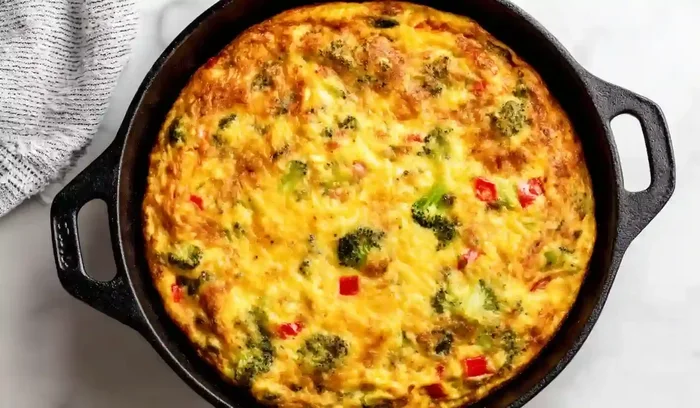
The frittata is done when the top is set and slightly golden, and a knife or toothpick inserted in the center comes out clean. The edges should be pulling away slightly from the pan. The top should have a nice golden-brown color, and the center should be firm but still slightly moist.
Step 6: Let It Rest and Serve
Once your oven-baked eggs are done, remove the pan from the oven. Let the frittata rest for 5 to 10 minutes before cutting. This resting period allows the center to set fully and makes it much easier to slice into clean pieces.
You can serve the frittata directly from the skillet or slide it onto a cutting board and slice into wedges. It pairs wonderfully with toast, fresh fruit, a side salad, or simply on its own. A frittata in oven tastes just as good at room temperature as it does warm, which makes it a great option for meal prep.
Best Frittata Fillings and Combinations
The best part about making a frittata in oven is that you can put almost anything inside it. The possibilities are truly endless. Here are some of my favorite frittata fillings and combinations that never fail to impress.
Classic Cheese and Herb Frittata
This is the simplest and most traditional version. Use shredded cheddar or gruyere cheese, a handful of fresh chives, and a dash of black pepper. It is comfort food at its finest and takes only minutes to prepare. This combination works beautifully for a quick weekday breakfast.
Vegetable Frittata
A vegetable frittata is one of the healthiest breakfast options you can make. Try combining spinach, roasted red peppers, sun-dried tomatoes, and a sprinkle of feta cheese. You can also add mushrooms, zucchini, or caramelized onions for extra flavor. This version is perfect for people who want a lighter, veggie-packed meal.
Meat Lovers Frittata
If you are a meat lover, this one is for you. Use cooked bacon, diced ham, crumbled sausage, and a generous amount of shredded mozzarella. The saltiness of the meats pairs perfectly with the creamy cheese and rich eggs. This is a hearty option that will keep you full for hours.
Mediterranean Frittata
For something a little different, try a Mediterranean-inspired frittata in oven. Use kalamata olives, sun-dried tomatoes, crumbled feta, and fresh oregano. Add a few slices of red onion for a subtle bite. This combination brings a bright, fresh flavor that feels like a vacation on a plate.
Common Mistakes to Avoid When Baking a Frittata
Even though a baked frittata is very forgiving, there are a few common mistakes that can affect the final result. Knowing what to avoid will help you get perfect results every time.
Overfilling the Pan
One of the biggest mistakes people make is adding too many fillings. When you overfill the pan, the egg mixture cannot bind properly, and the frittata may fall apart when you try to slice it. Keep your fillings moderate and let the eggs do their job as the glue that holds everything together.
Opening the Oven Door Too Often
It can be tempting to open the oven door to check on your frittata, but this causes heat to escape and can lead to an uneven cook. Resist the urge and trust the process. Check the frittata only once or twice near the end of the frittata cooking time. Use the oven light to peek through the door instead.
Using the Wrong Pan
Not all pans are safe for oven use. If your skillet has a plastic handle or a non-stick coating that is not rated for high heat, it can release harmful fumes or even melt. Always use an oven-safe skillet or a glass or ceramic baking dish. Cast iron and stainless steel are the best choices for a frittata recipe in the oven.
Undercooking or Overcooking
Timing is everything when it comes to baking a frittata. Undercooked frittata will be runny in the center, while overcooked frittata becomes dry and rubbery. Start checking at the minimum frittata cooking time and use a toothpick test to confirm doneness. Remember that the frittata will continue to set slightly as it cools.
Expert Tips for the Perfect Frittata Every Time
I have made hundreds of frittatas over the years, and I have learned a few tricks that take this simple dish from good to great. Here are my top frittata tips for achieving the best results.
Use Room Temperature Eggs
Cold eggs do not mix as smoothly and can create uneven pockets in the frittata. Take your eggs out of the refrigerator about 15 to 20 minutes before you start cooking. Room temperature eggs blend more easily with the milk and create a smoother, more uniform texture.
Pre-Cook Your Vegetables
Raw vegetables release moisture as they cook, which can make the frittata soggy. For the best results, quickly sauté or roast your vegetables before adding them to the egg mixture. This removes excess water and concentrates the flavor. It is a small step that makes a big difference in the final texture of your frittata in oven.
Let the Frittata Rest
Patience is key when making a frittata. Letting it rest for 5 to 10 minutes after it comes out of the oven allows the center to firm up. It also makes slicing much easier and cleaner. Skip this step, and you might end up with a messy, runny frittata that falls apart on the plate.
Experiment with Different Cheeses
Do not be afraid to mix cheeses for a more complex flavor. A blend of sharp cheddar and creamy goat cheese adds depth and richness. Sharp cheddar and gruyere create a nutty, sophisticated taste. Feta and parmesan work well together for a salty, tangy kick. The cheese you choose can completely transform the character of your baked frittata.
Make It Ahead of Time
A frittata in oven is one of the best make-ahead breakfast options. You can prepare and bake it the night before, then reheat it in the morning for a quick and easy meal. Frittata also tastes wonderful cold, making it a perfect addition to lunchboxes or picnic baskets. This versatility is one of the reasons I love this dish so much.
Store and Reheat Properly
Leftover frittata keeps well in the refrigerator for up to three days. Store it in an airtight container to prevent it from drying out. To reheat, use a low-temperature oven or microwave. Avoid high heat, which can make the eggs rubbery. A gentle reheat preserves the soft, creamy texture that makes a frittata so enjoyable.
Frittata in Oven: Frequently Asked Questions
Can I use a non-stick pan to bake a frittata in the oven?
Yes, but make sure the non-stick coating is rated for oven use. Most standard non-stick pans are only safe up to 350°F to 400°F. Check the manufacturer’s instructions before placing a non-stick pan in a hot oven. For best results, a cast iron skillet or stainless steel pan is the most reliable choice for a frittata in oven.
How long does it take to cook a frittata in the oven?
A typical frittata recipe takes about 18 to 25 minutes at 375°F. The exact frittata cooking time depends on the size of the pan, the thickness of the frittata, and your oven’s temperature accuracy. Start checking at the 18-minute mark by inserting a toothpick into the center. If it comes out clean, the frittata is done.
Can I make a frittata in the oven without a stovetop?
Absolutely. An all-oven frittata is just as delicious and even easier to make. Simply pour the egg mixture and fillings into your oven-safe pan and place it directly in the preheated oven. This method works wonderfully for a baked frittata and eliminates the need to worry about stovetop heating. The result is just as fluffy and golden.
What is the difference between a frittata and a quiche?
The main difference is the crust. A quiche has a pastry crust, while a frittata in oven does not. A frittata also tends to have a higher egg-to-filling ratio and is generally lighter than quiche. Both are egg-based breakfast dishes baked in the oven, but the frittata is faster to make and lower in carbohydrates. If you want a quick, crustless egg bake, a frittata is the way to go.
Can I freeze a frittata?
Yes, a frittata in oven freezes very well. Let it cool completely, then wrap it tightly in plastic wrap and aluminum foil or place it in an airtight freezer bag. It will keep in the freezer for up to three months. To reheat, thaw it overnight in the refrigerator and warm it in the oven at 325°F until heated through. Freezing is a great way to meal prep and have a ready-made breakfast on busy mornings.
What vegetables work best in a frittata?
Almost any vegetable works well in a baked frittata. Some of the best options include spinach, bell peppers, mushrooms, tomatoes, zucchini, onions, and broccoli. For the best texture, lightly cook or roast the vegetables before adding them to the egg mixture. This removes excess moisture and prevents a soggy frittata. Fresh vegetables add color, nutrition, and flavor to your frittata recipe.
Conclusion
Making a frittata in oven is one of the simplest and most rewarding things you can do in the kitchen. It is a breakfast dish that is endlessly customizable, incredibly easy to prepare, and absolutely delicious. Whether you prefer a classic cheese version loaded with vegetables or a hearty meat lovers frittata, the oven method delivers consistent, beautiful results every time.
With just a few eggs, some fillings, and a hot oven, you can create a breakfast casserole that rivals anything from a brunch restaurant. The key is to keep it simple, avoid the common mistakes, and let the oven do the hard work for you. Follow the steps in this guide, experiment with different frittata fillings, and soon you will be making frittata as a regular part of your breakfast rotation.
Remember that the best frittata recipe is the one that uses ingredients you love and that fits your schedule. A frittata in oven is forgiving, versatile, and perfect for busy mornings, lazy weekends, and everything in between. Start with the basic method, add your favorite flavors, and make it your own. Once you master this simple technique, you will never run out of ideas for your next oven-baked eggs creation.
So the next time you are looking for a breakfast that is easy, healthy, and absolutely satisfying, give a frittata in oven a try. Your taste buds and your morning routine will thank you. Happy cooking!