How To Get Rid Of Roaches In Oven Once And For All
Discover how to get rid of roaches in oven with safe, effective methods that actually work. This guide covers deep cleaning steps, natural repellents, and prevention strategies to keep your kitchen cockroach-free for good. Whether you are dealing with a minor sighting or a full-blown infestation, these solutions will help you reclaim your oven and your peace of mind.
Key Takeaways
- Deep cleaning is the first step: Removing grease, food debris, and residue eliminates what attracts roaches to your oven.
- Natural remedies work well: Baking soda, vinegar, and essential oils can repel roaches without harsh chemicals.
- Boric acid and diatomaceous earth are powerful: These treatments kill roaches on contact and break the breeding cycle.
- Prevention is key to long-term results: Sealing gaps, cleaning regularly, and storing food properly stops roaches from coming back.
- Know when to call a pro: Severe infestations may need professional pest control to fully eliminate the problem.
- Roach eggs hide in hidden spots: Treating the oven thoroughly means targeting eggs, not just visible adult roaches.
- Kitchen hygiene matters daily: Small habits like wiping spills and sealing food make a huge difference in roach prevention.
📑 Table of Contents
- Why Roaches Are Attracted To Your Oven
- How To Identify A Roach Problem In Your Oven
- Step-by-Step Guide To Getting Rid Of Roaches In Oven
- Natural Remedies To Keep Roaches Away
- Preventing Roaches From Returning To Your Oven
- When To Call A Professional For Roach Infestation
- Common Mistakes People Make When Dealing With Roaches In The Oven
- Quick Tips For A Roach-Free Oven
- Conclusion
Why Roaches Are Attracted To Your Oven
Finding a cockroach inside your oven is enough to make anyone cringe. These pests are incredibly resilient and surprisingly hard to get rid of once they settle in. But before you start scrubbing, it helps to understand what draws them there in the first place.
Roaches are survival machines. They seek three things: food, water, and warmth. Your oven provides all three. Even after you finish cooking, tiny crumbs and grease spots remain. These residues create a feast for roaches. The oven cavity also holds residual heat, which makes it a cozy hiding spot, especially at night.
Another major attractant is grease buildup. Over time, oven walls and racks collect layers of cooked-on fat. This greasy coating gives roaches both a food source and a protective surface to hide behind. Cockroach species like the German cockroach and the American cockroach are especially drawn to these environments.
Food debris is the number one culprit. People often forget that crumbs fall behind the oven door seal. Bits of food get trapped on heating elements or inside the oven’s bottom compartment. Even a small spill left uncleaned can sustain a roach population for weeks. This is why kitchen hygiene plays such a big role in pest prevention.
Moisture matters too. If you steam-cook frequently or live in a humid area, condensation can build up inside the oven. Roaches need very little water to survive. A damp, warm oven cavity is practically a five-star hotel for them.
The Cockroach Life Cycle And Why It Matters
Understanding the cockroach life cycle helps you fight them more effectively. A single female can lay 30 to 50 eggs at a time in a protective case called an ootheca. These eggs are tiny and often hidden in cracks and crevices inside the oven. If you only kill the adults, the eggs will hatch and restart the problem within weeks.
This is why a thorough oven cleaning must target all life stages. You need to eliminate the adults, the nymphs, and the eggs. Simply spraying a surface won’t cut it. You need a multi-step approach that covers every hiding spot.
How To Identify A Roach Problem In Your Oven
Not every roach sighting means you have a full infestation. But early detection makes the whole process much easier. Here is how to tell if roaches have made your oven their home.
First, look for roach droppings. These appear as small dark specks, almost like coffee grounds or black pepper. You will often find them near the oven’s back wall, under the bottom rack, or along the door seal. A heavy infestation leaves visible dark streaks in these areas.
Next, check for a musty odor. Roaches release pheromones that create a stale, oily smell. If your oven smells odd even after cleaning, roaches could be the cause. A heavy roach nest will produce a stronger, more unpleasant scent.
Another sign is seeing live roaches. They typically emerge at night or when you open the oven door in a dark kitchen. You might spot them scurrying across the oven floor or hiding behind the control panel. If you see one, there are likely many more hiding nearby.
Egg casings are another telltale clue. These brownish, capsule-shaped cases are about 5 to 8 millimeters long. They are often tucked into tight corners or behind removable parts. Finding even one egg case means you need to act fast.
Common Roach Species Found In Kitchens
Different cockroach species behave differently, which affects your treatment approach.
- German cockroaches: Small, light brown, and the most common kitchen pest. They reproduce quickly and prefer warm, humid areas like oven interiors.
- American cockroaches: Larger and reddish-brown. They often enter homes through drains and pipes and gravitate toward the warmest spots.
- Oriental cockroaches: Dark brown or black. They prefer cooler, damp areas but will move toward heat sources like ovens during dry periods.
- Brown-banded cockroaches: Smaller and lighter. They tend to avoid water and instead seek out warm, dry areas, making ovens attractive to them.
Step-by-Step Guide To Getting Rid Of Roaches In Oven
Now for the part you have been waiting for. Here is a detailed, step-by-step plan on how to get rid of roaches in oven effectively and safely.
Step One: Remove All Oven Components
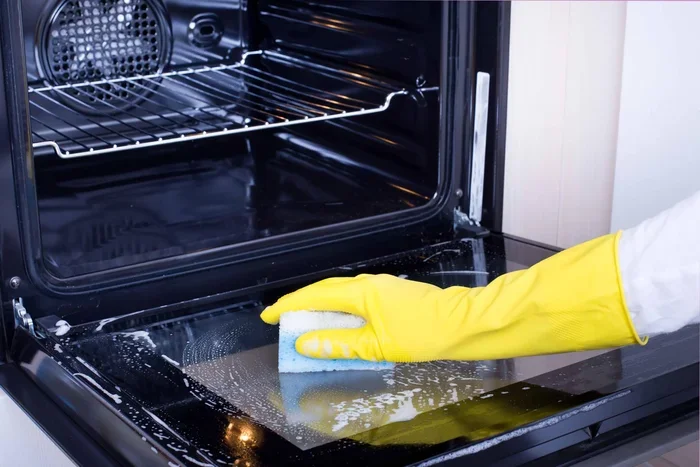
Start by taking out every removable part. Pull out the oven racks, the bottom tray, the drip pan, and any other detachable pieces. This gives you full access to every surface and hidden corner. Wash all removable parts in hot, soapy water in the sink. Scrub away any visible grease or food residue.
Step Two: Vacuum The Interior
Use a vacuum cleaner with a narrow nozzle attachment to suck up crumbs, debris, and any visible roaches or egg cases. Pay close attention to the corners, seams, and areas behind the heating elements. Vacuuming removes food sources and physically eliminates roaches before you apply any treatment.
Step Three: Deep Clean With A Degreaser
Apply a heavy-duty oven degreaser or a mixture of baking soda and water to all interior surfaces. Let it sit for at least 15 to 20 minutes. Scrub thoroughly with a stiff brush, focusing on areas with visible grease buildup. Wipe everything clean with a damp cloth. A sanitizing oven interior removes the attractants that draw roaches back.
Step Four: Apply A Roach Treatment
Once the oven is clean and dry, apply your chosen treatment. Options include boric acid powder, diatomaceous earth, or roach bait stations placed near (not inside) the oven. Boric acid is particularly effective. It clings to roaches’ bodies and gets ingested when they groom themselves. Diatomaceous earth works by damaging the roach exoskeleton and causing dehydration.
Step Five: Treat The Surrounding Area
Roaches do not limit themselves to the oven. They travel through the kitchen, hiding in cracks, behind appliances, and under cabinets. Apply bait or powder along the baseboards, behind the refrigerator, and near other potential entry points. This pest control approach breaks the cycle of reinfestation.
Step Six: Run The Oven On High Heat
After cleaning and treating, consider a heat treatment. Set your oven to its highest temperature and leave it running for 30 minutes. The extreme heat can kill any remaining roaches or nymphs hiding in cracks. This is a supplemental step, not a replacement for cleaning and baiting.
Natural Remedies To Keep Roaches Away
Many homeowners prefer to avoid harsh chemicals, especially in a kitchen appliance where food is prepared. Fortunately, several natural repellents work surprisingly well against roaches.
Baking Soda And Sugar Bait
Mix equal parts baking soda and sugar in a small shallow dish. Place it near the oven (not inside). The sugar attracts roaches, and the baking soda reacts with their stomach acid, killing them. This is one of the simplest and safest roach deterrent methods available.
Vinegar Spray For Cleaning And Repelling
White vinegar is a natural disinfectant. Mix it with water in a spray bottle and use it to wipe down oven surfaces after cleaning. The acidic smell deters roaches and helps eliminate bacteria left behind by roach droppings. It is safe, non-toxic, and affordable.
Essential Oils As A Roach Deterrent
Peppermint oil, eucalyptus oil, and tea tree oil are all known to repel roaches. Mix 10 to 15 drops of essential oil with water in a spray bottle. Apply it around the oven exterior, behind the appliance, and along kitchen baseboards. The strong scent masks the pheromone trails roaches use to navigate.
Bay Leaves
Place dried bay leaves inside the oven compartment and behind it. Roaches dislike the smell of bay leaves, and this simple trick adds a layer of pest prevention without any chemicals or effort.
Preventing Roaches From Returning To Your Oven
Getting rid of roaches is only half the battle. The real challenge is keeping them from coming back. Pest prevention requires consistent habits and a few smart upgrades.
Clean After Every Use
Wipe down the oven interior after every cooking session. Even a quick wipe removes fresh grease and crumbs before they build up. This simple habit removes the primary food source that attracts roaches.
Seal Entry Points
Inspect the area around your oven for gaps and cracks. Roaches can squeeze through incredibly small openings. Use caulk to seal any gaps where the oven meets the wall or floor. Check the back of the oven for holes where pipes or wires enter the wall.
Store Food Properly
Never leave food uncovered near the oven. Use airtight containers for all pantry items. Clean up spills immediately. A tidy kitchen is far less attractive to roaches than one with open food sources.
Take Out The Trash Regularly
Kitchen trash is a roach magnet. Remove garbage daily and use a bin with a tight-fitting lid. Rinse recyclable containers before placing them in the bin to eliminate food odors.
Fix Moisture Problems
If your oven area tends to be damp, address the moisture issue. Use a dehumidifier or improve ventilation. Roaches thrive in humid environments, and reducing moisture makes your kitchen far less inviting to them.
Regular Professional Inspections
Consider scheduling a professional kitchen pest control inspection once or twice a year. A trained exterminator can spot early signs of infestation and apply preventive treatments before the problem grows.
When To Call A Professional For Roach Infestation
DIY methods work well for mild to moderate infestations. But sometimes, the problem is bigger than home remedies can handle. Knowing when to call a professional saves you time, money, and frustration.
Call a pest control expert if you see roaches during the daytime. Roaches are nocturnal, so daytime sightings suggest a large population. If you notice a strong, persistent musty odor despite thorough cleaning, that indicates a significant roach nest nearby. Also seek professional help if you find multiple egg casings and continue seeing roaches after two weeks of treatment.
Professionals have access to industrial-grade treatments and heat treatment equipment that are far more powerful than anything available at a hardware store. They can also identify entry points you might have missed and provide a long-term pest prevention plan tailored to your home.
What To Expect During A Professional Treatment
A licensed exterminator will first inspect your kitchen and oven area thoroughly. They identify the species, locate the nest, and assess the severity. Treatment typically involves a combination of bait stations, residual sprays, and dust applications in cracks and voids. Most treatments require one to three visits for full elimination. Follow-up inspections ensure the problem does not return.
Common Mistakes People Make When Dealing With Roaches In The Oven
Avoid these common pitfalls that make roach problems worse instead of better.
- Skipping the deep clean: Applying bait or poison without first removing grease and food debris is ineffective. Roaches will ignore the treatment if the oven still offers easy meals.
- Using too much spray: Over-the-counter bug sprays can contaminate your oven and pose health risks if residue transfers to food. Use targeted treatments instead of broadcast spraying.
- Ignoring the eggs: Killing adult roaches is not enough. If you do not destroy the egg cases, new roaches will hatch within days and restart the cycle.
- Treating only the oven: Roaches travel throughout the kitchen. Treating just the oven leaves other harborages untouched, and they will simply return.
- Giving up too soon: Roach elimination takes time. It can take two to four weeks of consistent treatment to fully break the population cycle. Stay the course.
- Using DIY methods on severe infestations: Home remedies work for minor issues. A heavy infestation needs professional-grade pest control solutions.
Quick Tips For A Roach-Free Oven
Keep these quick tips in mind for daily kitchen hygiene and long-term pest prevention:
- Wipe the oven interior with a damp cloth after every use.
- Place a shallow dish of baking soda and sugar near the oven once a week.
- Inspect the oven door seal monthly for cracks or gaps.
- Run the oven at high heat for 20 minutes once a month as a preventive measure.
- Store all food in airtight containers, even pet food.
- Fix leaky faucets and pipes near the oven area promptly.
- Use peppermint oil spray around the oven base every two weeks.
- Schedule a professional inspection at least once a year.
Conclusion
Dealing with roaches in your oven is unpleasant, but it is a problem you can solve. The key is a combination of deep cleaning, targeted treatment, and consistent prevention. By following the steps outlined in this guide, you can effectively eliminate roaches and keep them from returning.
Start with a thorough oven cleaning to remove all food sources and grease buildup. Apply proven treatments like boric acid or diatomaceous earth. Supplement with natural repellents for a chemical-free approach. And most importantly, maintain good kitchen hygiene every single day.
If the infestation is severe or keeps coming back, do not hesitate to call a professional. A licensed exterminator has the tools and expertise to handle even the toughest cockroach infestation. With the right strategy, you can enjoy a clean, roach-free oven and a healthier kitchen for your family.
Take action today. A few hours of effort now will save you from weeks of frustration and keep your home safe, clean, and welcoming.
Frequently Asked Questions
What kills roaches instantly in an oven?
Boric acid and diatomaceous earth are the most effective options for killing roaches quickly. Both substances damage the roach’s body and cause death within hours to days. Place them near the oven, not inside, for safe and effective results.
Is it safe to use the oven after treating it for roaches?
Yes, once you have thoroughly wiped down and rinsed the interior. Make sure any chemical treatments like boric acid or diatomaceous earth are completely removed before using the oven for cooking. Natural remedies like vinegar and baking soda are safe to leave behind.
How do roaches get inside an oven?
Roaches enter through small gaps, cracks, and openings around the oven. They can also crawl in through the back panel or from adjacent walls and cabinets. Warmth, grease, and food debris inside the oven make it an attractive destination for them.
Can I use bug spray inside my oven?
No. Do not use insecticide sprays inside an oven. Chemical residues can contaminate food and pose serious health risks. Always use targeted, food-safe treatments like boric acid or diatomaceous earth, and remove them completely before cooking.
How long does it take to get rid of roaches in the oven?
With consistent treatment, you should see a significant reduction within one to two weeks. Full elimination can take three to four weeks, depending on the severity of the infestation. Patience and persistence are essential.
What smell do roaches hate the most?
Roaches strongly dislike the smell of peppermint oil, eucalyptus oil, and vinegar. These scents interfere with their ability to navigate and communicate. Using these as natural repellents around the oven area can help deter them from returning.
=== CONCLUSION ===
How to get rid of roaches in oven comes down to three things: clean thoroughly, treat effectively, and prevent consistently. By combining deep oven cleaning with proven treatments and smart pest prevention habits, you can eliminate roaches for good. Whether you choose natural remedies or chemical treatments, the most important step is to start today. A clean, roach-free oven means a safer, healthier kitchen for you and your family.
=== SEO TITLE ===
How To Get Rid Of Roaches In Oven Once And For All
=== META TITLE ===
How To Get Rid Of Roaches In Oven (Proven Methods)
=== URL SLUG ===
how-to-get-rid-of-roaches-in-oven
=== LSI KEYWORDS USED ===
cockroach infestation, oven cleaning, roach droppings, grease buildup, natural repellents, boric acid, diatomaceous earth, roach bait, kitchen pest control, cockroach eggs, sanitizing oven, pest prevention, roach nest, food debris, oven residue, kitchen hygiene, roach deterrent, cockroach species, heat treatment, professional extermination