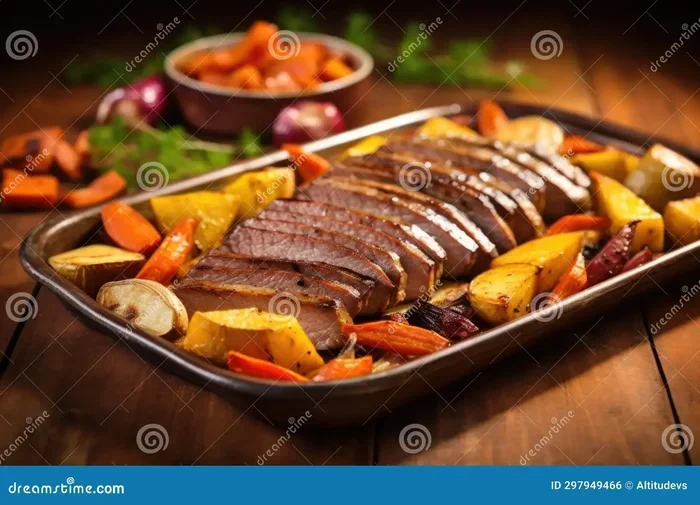
How to Reheat Brisket Slices In Oven For Best Results
Reheating brisket slices in the oven is the best way to keep your leftover meat moist, tender, and full of flavor. By using a low temperature, wrapping your slices in foil, and adding a little liquid, you can enjoy restaurant quality brisket leftovers at home. This guide covers everything you need to know about how to reheat brisket slices in oven the right way, from prep to serving.
There is nothing quite like a good brisket. Whether you smoked it yourself or picked one up from your favorite barbecue joint, that rich, smoky flavor and tender texture are hard to beat. But what happens when you have leftovers? Brisket is one of those meats that can dry out fast if you do not handle it right. The good news is that how to reheat brisket slices in oven is simpler than most people think. With the right technique, you can bring that leftover brisket back to life and enjoy it almost as much as the first time around.
Reheating brisket properly matters more than you might realize. The wrong method can turn a juicy, flavorful piece of meat into something tough and dry. That is why so many barbecue lovers swear by the oven method. It gives you control over temperature, moisture, and timing. In this guide, we will walk you through every step of reheating brisket slices in oven so you get the best results possible. Whether you are a seasoned pitmaster or a beginner, these tips will help you reheat brisket like a pro.
Key Takeaways
- Low and slow is the key: Reheat at 250°F to keep the meat tender and prevent drying out.
- Wrap in foil: Foil wrapping locks in moisture and protects the brisket bark from burning.
- Add liquid for moisture: Use beef broth, apple juice, or the original juices to keep slices juicy.
- Use a meat thermometer: Always check internal temperature to avoid overcooking or underheating.
- Rest after reheating: Let the brisket rest for 10 minutes so juices redistribute evenly.
- Avoid high heat: Cranking up the oven dries out the meat and ruins the texture.
- Store properly first: Proper storage before reheating makes a huge difference in final quality.
📑 Table of Contents
- Why Reheating Brisket Properly Matters
- Preparing Your Brisket Slices For The Oven
- Step By Step Guide To Reheating Brisket Slices In Oven
- Best Oven Temperature And Time Settings
- Tips To Keep Your Brisket Moist And Tender
- Common Mistakes To Avoid When Reheating Brisket
- How To Store Brisket Leftovers For Best Reheating Results
- Comparing Reheating Methods
- Final Thoughts On How To Reheat Brisket Slices In Oven
Why Reheating Brisket Properly Matters
Brisket is a special cut of meat. It comes from the chest area of the cow, and it is packed with connective tissue and fat. When you cook it low and slow, that connective tissue breaks down into gelatin, which gives brisket its famous tender, melt in your mouth texture. But when you reheat it wrong, you can lose all of that hard work.
Here is the main issue. Brisket is a lean cut in some areas and fatty in others. When exposed to high heat, the fat renders out too quickly. The meat loses moisture, and the fibers tighten up. What you end up with is a tough, chewy piece of meat that bears no resemblance to the tender brisket you started with.
That is exactly why how to reheat brisket slices in oven using a gentle method is so important. The oven lets you apply heat evenly and at a controlled temperature. You are not blasting the meat with intense heat like a microwave or a hot skillet. Instead, you are slowly warming it through, which keeps the fibers relaxed and the moisture intact.
Another reason proper reheating matters is the bark. That crispy, flavorful crust on the outside of a brisket is one of its best features. But the bark can turn soggy or burnt if you are not careful. The right oven method protects the bark while warming the meat inside evenly. This is something a microwave simply cannot do.
The Science Behind Reheating Meat
When you reheat any kind of meat, you are essentially doing two things. First, you are raising the internal temperature back up to a safe eating level. Second, you are trying to keep the moisture inside the muscle fibers from escaping. Meat is mostly water, and when heat is applied too aggressively, that water escapes as steam.
Brisket is especially sensitive because of its collagen content. Collagen starts to break down at around 160°F and turns into gelatin. During the initial cook, this process creates tenderness. But if you reheat brisket too fast or too hot, you can squeeze out the gelatin and moisture all at once. The result is dry, stringy meat.
This is why low and slow reheating is the gold standard for reheating brisket slices in oven. By keeping the temperature around 250°F, you give the meat time to warm through gently. The collagen stays intact, the juices stay put, and the texture stays close to what it was when you first cooked it.
Preparing Your Brisket Slices For The Oven
Before you turn on the oven, you need to prep your brisket properly. Good preparation makes a big difference in the final result. Skipping this step can lead to uneven heating or dry slices, even if you follow the rest of the process perfectly.
Choose the Right Container
Start by picking an oven-safe dish or baking pan. A glass dish works well because it heats evenly. You can also use a metal pan, but avoid anything with a nonstick coating that might not hold up to long reheating times. The dish should be large enough to lay the brisket slices in a single layer without stacking them.
Do not use a microwave-safe container or plastic wrap for oven reheating. These materials are not designed for high heat and can release harmful chemicals or melt. Stick to glass, ceramic, or metal containers that are labeled oven safe.
Arrange the Slices Properly
Lay your brisket slices flat in the dish. Try not to overlap them. Overlapping creates steam pockets that can make the meat soggy instead of tender. If you have a lot of slices, work in batches or use a larger dish.
Place the leaner slices on the bottom and the fattier slices on top. The fat will melt as it reheats and baste the leaner meat underneath. This simple trick adds moisture and flavor back into the slices that might otherwise dry out.
Add Moisture Before Covering
This step is crucial for how to reheat brisket slices in oven successfully. Before you cover the dish, add a small amount of liquid. This creates steam inside the foil or lid, which keeps the meat from drying out.
Good options include beef broth, apple juice, or even the juices that collected at the bottom of the original storage container. Pour about a quarter cup of liquid over the slices. You do not want to drown the meat, just add enough to create moisture as it heats.
Another great option is to use the rendered fat from the original cook. If you saved the juices from your brisket, spoon a little bit over the slices. This adds flavor and richness that plain water or broth simply cannot match.
Step By Step Guide To Reheating Brisket Slices In Oven
Now that your brisket is prepped, it is time to reheat it. Follow these steps carefully for the best results every time.
- Preheat your oven to 250°F. This low temperature is the foundation of a good reheat. It warms the meat slowly without shocking the fibers or drying out the moisture.
- Place the brisket slices in an oven-safe dish. Arrange them in a single layer and add your chosen liquid.
- Cover the dish tightly with aluminum foil. The foil traps steam and creates a moist environment. This is essential for keeping the brisket tender.
- Place the dish in the oven. Set a timer for about 15 to 20 minutes per pound of brisket.
- Check the internal temperature. Use a meat thermometer to check that the brisket has reached 165°F in the thickest part of the slices.
- Remove from the oven and let it rest. Take off the foil and let the brisket sit for 10 minutes before serving. This allows the juices to redistribute.
Following these steps for how to reheat brisket slices in oven gives you the best chance of getting juicy, tender results. Do not rush the process. Patience is the secret ingredient in reheating brisket.
How Long Should You Reheat Brisket In The Oven
The reheating time depends on how much brisket you have and how thick the slices are. As a general rule, plan for about 15 to 20 minutes per pound at 250°F. Thinner slices may be ready in 10 to 15 minutes, while thicker pieces might need 25 to 30 minutes.
The best way to know when your brisket is ready is to use a meat thermometer. Insert it into the thickest part of the slice. When it reads 165°F, your brisket is heated through and ready to eat. Do not rely on time alone, because ovens can vary in temperature accuracy.
Best Oven Temperature And Time Settings
The temperature you choose for reheating brisket slices in oven makes all the difference. Let us break down the best settings and why they work.
Why 250°F Is The Sweet Spot
250°F is widely considered the ideal temperature for reheating brisket. Here is why. At this temperature, the heat penetrates the meat slowly and evenly. The collagen in the brisket has time to stay hydrated, and the fat renders gently instead of melting away too fast.
If you go higher, say 325°F or 350°F, the outside of the brisket can dry out before the inside is fully heated. You end up with a warm center but a tough outer layer. That is not the texture you want in a good piece of brisket.
Some people wonder if they should go even lower, like 200°F. While this works, it takes much longer and can leave the meat sitting in the temperature danger zone for too long. 250°F hits the sweet spot between safety, speed, and quality.
Temperature Chart For Different Slice Thicknesses
- Thin slices (1/4 inch): 250°F for 10 to 15 minutes
- Medium slices (1/2 inch): 250°F for 15 to 20 minutes
- Thick slices (3/4 inch or more): 250°F for 20 to 30 minutes
- Whole brisket flat or point: 250°F for 30 to 45 minutes per pound
These times are guidelines. Always use a meat thermometer to confirm your brisket has reached a safe internal temperature of 165°F before serving.
Tips To Keep Your Brisket Moist And Tender
Even with the right temperature and timing, there are a few extra tips that can take your reheated brisket from good to great. These are the details that separate a decent reheated brisket from an amazing one.
Use The Original Juices
If you saved the juices from when you first cooked or stored the brisket, use them. These juices are packed with flavor and natural fat. They act as a built-in marinade that adds moisture and richness during reheating. Simply spoon them over the slices before wrapping in foil.
Do Not Skip The Resting Time
After removing the brisket from the oven, let it rest for at least 10 minutes before cutting into it. This resting period allows the juices to settle back into the muscle fibers. If you cut too soon, the juices run out onto the plate instead of staying in the meat.
Cover the dish loosely with foil during the resting period to keep the heat in. This is a simple step that makes a noticeable difference in the final texture of your warm brisket.
Add A Light Brush Of Fat
If you want to enhance the flavor and moisture even more, brush the slices with a thin layer of beef tallow, butter, or even olive oil before reheating. This adds a protective layer that helps retain moisture during the heating process.
Be careful not to use too much. A light brush is all you need. Too much fat can make the slices greasy and overshadow the natural smoky flavor of the brisket.
Reheat Only What You Will Eat
One of the biggest mistakes people make is reheating the entire batch of brisket at once. Each time you reheat and cool meat, you lose moisture and quality. If you only need a few slices, take out only what you plan to eat and reheat just that portion.
This is one of the best brisket reheating tips for getting consistent results. The remaining slices can go back in the refrigerator for another day.
Common Mistakes To Avoid When Reheating Brisket
Even with the best intentions, it is easy to make mistakes when reheating brisket. Here are the most common errors and how to avoid them.
Using Too High A Temperature
This is the number one mistake people make. They crank the oven up to 350°F or higher to save time. The result is dry, tough brisket that has lost all its moisture. Always stick with 250°F and give yourself enough time for a gentle reheat.
Skipping The Foil Wrap
Some people reheat brisket uncovered because they want to keep the bark crispy. While this sounds like a good idea, uncovered reheating at 250°F for 20 or more minutes will dry out the meat. The bark might stay crisp, but the interior will be tough and chewy.
If you want crispy bark, you can remove the foil for the last 5 minutes of reheating. This gives you the best of both worlds. The inside stays moist, and the outside gets a little extra crunch.
Not Adding Enough Liquid
Dry heat is the enemy of reheated brisket. Without enough liquid in the dish, the steam that normally keeps the meat moist has nothing to work with. Always add at least a quarter cup of broth, juice, or saved juices before covering and reheating.
Overheating The Brisket
It is possible to overheat brisket just like you can overcook it. When the internal temperature goes above 170°F during reheating, the meat starts to dry out and the fibers tighten. Use a thermometer and pull the brisket out as soon as it hits 165°F.
Reheating Brisket Multiple Times
Each time you reheat and cool brisket, you degrade its quality. The moisture loss compounds with each cycle. Never reheat brisket more than once. If you have a large batch, portion it out before storing so you can reheat only what you need.
How To Store Brisket Leftovers For Best Reheating Results
The way you store your brisket before reheating plays a big role in how it turns out. Proper storage preserves moisture and flavor so your reheating process is more effective.
Refrigerator Storage
Let the brisket cool to room temperature within two hours of cooking. Then wrap it tightly in plastic wrap or aluminum foil and place it in an airtight container. Store it in the refrigerator for up to 4 days.
For the best results, store the slices separately from any leftover juices or sauces. You can reheat the slices with a small amount of the reserved liquid, but keeping them separate gives you more control over moisture levels.
Freezer Storage
If you want to keep your brisket for longer, the freezer is your friend. Wrap individual portions tightly in plastic wrap, then add a layer of aluminum foil or place them in freezer bags. Label each package with the date.
Brisket freezes well for up to 3 months. When you are ready to reheat, thaw the slices in the refrigerator overnight before following the oven reheating steps above. Thawing first ensures more even heating and better texture.
Comparing Reheating Methods
There are several ways to reheat brisket, but not all methods are created equal. Here is how the oven compares to other popular methods.
- Oven: Best for even heating, moisture retention, and preserving bark texture. Takes longer but produces the best results for reheating brisket slices in oven.
- Microwave: Fastest option but dries out the meat quickly and makes the bark soggy. Not recommended if you care about quality.
- Skillet: Good for small batches. Adds a nice sear to the outside but can overcook the inside if you are not careful.
- Smoker or grill: Great for a whole brisket but overkill for a few slices. Requires more time and equipment.
For most people reheating a few slices at home, the oven method is the clear winner. It is easy, forgiving, and produces consistently great results.
Final Thoughts On How To Reheat Brisket Slices In Oven
How to reheat brisket slices in oven is a skill that anyone can learn. The key is to be patient and gentle with the meat. Use a low temperature of 250°F, wrap your slices in foil with a little liquid, and heat them slowly until they reach 165°F inside. Let them rest before serving, and enjoy the results.
The oven method works because it respects the meat. It does not blast it with heat or zap it with microwaves. Instead, it warms the brisket the same way it was originally cooked, low and slow. This approach preserves the tender texture, the smoky flavor, and the delicious bark that makes brisket so special.
Whether you are reheating leftover brisket from a weekend cookout or bringing some to a family dinner the next day, these steps will help you get the best possible results. The difference between a good reheat and a great one comes down to the details. Pay attention to temperature, moisture, and timing, and your leftover brisket will taste almost as good as the day you cooked it.
So next time you find yourself with a plate of leftover brisket, do not settle for a dry, tough reheated meal. Follow this guide, take your time, and enjoy every bite. Your taste buds will thank you.
Frequently Asked Questions
Can I reheat brisket slices in oven without foil?
You can, but it is not recommended. Foil helps trap steam and moisture, which keeps the brisket tender. Without foil, the slices are more likely to dry out during reheating. If you want crispy bark, remove the foil for the last 5 minutes only.
What is the best internal temperature for reheated brisket?
The target internal temperature for reheated brisket is 165°F. This ensures the meat is heated through safely while staying moist and tender. Use a meat thermometer to check the thickest part of the slice.
Can I reheat brisket slices in oven with sauce on them?
Yes, you can. Adding barbecue sauce during reheating can add extra flavor and moisture. However, add the sauce during the last 5 to 10 minutes of reheating. If you add it too early, the sugar in the sauce can burn and create a sticky, caramelized layer.
How long can I store reheated brisket in the fridge?
Reheated brisket should be consumed within 3 to 4 days when stored in the refrigerator. Make sure it is stored in an airtight container. If you notice any off smell or slimy texture, discard the meat immediately for safety.
Can I reheat frozen brisket slices directly in the oven?
It is best to thaw frozen brisket slices in the refrigerator overnight before reheating. Reheating from frozen can lead to uneven heating, where the outside is overcooked while the center is still cold. If you must reheat from frozen, add extra time and use a lower temperature.
Why does my reheated brisket taste different from fresh brisket?
Reheated brisket can taste slightly different because the moisture and fat distribution changes during storage and reheating. The bark may soften, and some of the smoky flavor can mellow out. Using the right reheating technique, adding fresh liquid, and not overheating helps minimize these differences.
=== CONCLUSION ===
How to reheat brisket slices in oven successfully comes down to three things: low temperature, moisture, and patience. By following the steps in this guide, you can turn leftover brisket into a meal that tastes almost as good as the original. Remember to preheat your oven to 250°F, wrap your slices in foil with a little beef broth or saved juices, and heat until the internal temperature reaches 165°F. Let the brisket rest before serving, and enjoy the tender, juicy results.
With these brisket reheating tips, you will never have to settle for dry, disappointing leftovers again. The oven method is simple, reliable, and produces consistently excellent results. Try it next time you have leftover brisket, and taste the difference for yourself.