How To Reheat Naan In The Oven For Perfectly Soft Bread
Reheating naan in the oven is the best way to bring back its soft, warm texture and fresh-from-the-tandoor flavor. This guide walks you through the exact steps, temperatures, and timing to get perfectly reheated naan every single time. Whether you have leftover butter naan, garlic naan, or frozen naan, you will learn the foolproof method that works for all types.
There is nothing quite like a warm, soft piece of naan bread fresh out of the tandoor or a hot oven. But let us be honest, life happens. You cook a batch of Indian flatbread, enjoy some right away, and then find yourself with leftovers the next day. The question becomes simple yet important, how do you reheat that naan so it tastes almost as good as the first time?
Many people reach for the microwave because it is fast and convenient. But if you have ever microwaved naan, you know the result can be disappointing. The bread turns rubbery, tough, and loses all that beautiful softness. That is exactly why learning how to reheat naan in the oven changes everything. The oven brings back the warmth, the slight crispness on the outside, and the pillowy texture on the inside that makes naan so irresistible.
In this guide, we will walk you through everything you need to know about oven-baked naan reheating. From the exact temperature and timing to tips for different naan varieties, you will have all the tools you need. Whether you are reheating leftover butter naan, garlic naan, or even frozen store-bought naan, this article covers it all. By the end, you will never want to use the microwave for naan again.
The process is simple, fast, and requires almost no effort. A few minutes of your time and a standard home oven are all it takes. Let us dive in and make sure your leftover naan gets the second life it deserves.
Key Takeaways
- Oven reheating preserves naan softness: The gentle, even heat of an oven keeps naan bread moist and fluffy, unlike a microwave which makes it rubbery.
- 350°F is the sweet spot: This temperature warms naan evenly without drying it out or burning the edges.
- A light brush of water or ghee helps: Adding moisture before reheating prevents the naan from becoming stiff and hard.
- 5 to 8 minutes is all you need: Most naan only needs a short time in the oven to taste fresh again.
- You can reheat frozen naan directly: No need to thaw frozen naan before placing it in the oven.
- Proper storage extends naan freshness: Storing leftover naan correctly makes reheating even more effective.
- Avoid the microwave for best results: The microwave is the worst option for maintaining naan texture and flavor.
📑 Table of Contents
Why Reheating Naan In The Oven Makes A Difference
You might wonder why the method of naan warming matters so much. After all, bread is bread, right? Wrong. The way you reheat naan has a huge impact on its final texture, taste, and overall quality. Understanding this will help you appreciate why the oven is the clear winner.
The Problem With Microwaving Naan
The microwave uses radiation to heat water molecules inside food. This sounds scientific, but the result for naan is not great. The microwave heats the bread unevenly, creating hot spots and cold spots. More importantly, it strips away moisture from the outer layer of the bread. This leaves the naan dry, chewy, and sometimes even tough to bite through.
When you microwave naan, the steam that escapes cannot return to the bread. The bread loses its flexibility. Think about it like this, a fresh naan is soft because it has moisture trapped inside its layers. The microwave forces that moisture out. The result is a sad, stiff piece of bread that barely resembles the soft fluffy naan you enjoyed the night before.
Why The Oven Works So Well
The oven, on the other hand, uses dry, circulating heat. This type of warmth is much gentler on bread. It warms the naan evenly from all sides without forcing moisture out rapidly. The result is a piece of bread that feels almost freshly baked.
Here is what happens inside the oven. The gentle heat relaxes the gluten in the dough, making the bread flexible again. A thin layer on the outside warms up just enough to give a slight toast, adding a pleasant texture. Meanwhile, the inside stays soft and pillowy. This balance of crispy outside and soft inside is exactly what makes oven-reheated naan so satisfying.
Another advantage is that the oven can handle multiple pieces at once. You do not need to reheat naan one by one. You can warm an entire batch in a single session, saving time and effort. This makes the oven the ideal choice for family meals or dinner parties where everyone needs warm bread on the table.
Step-by-Step Guide To Reheating Naan In The Oven
Now that you understand why the oven works so well, let us get into the practical steps. This process is straightforward and foolproof. You can follow along even if you have never reheated naan before.
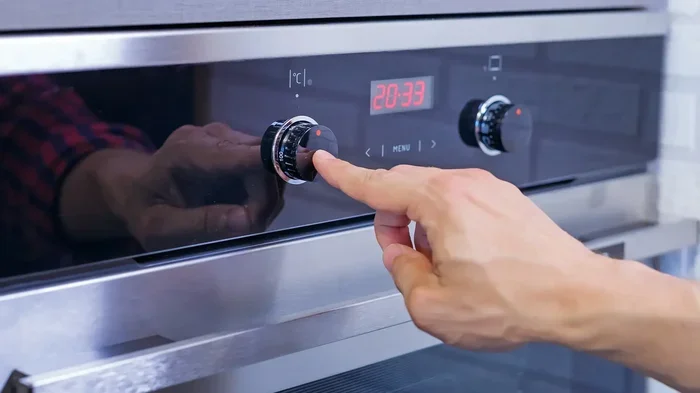
Step 1: Preheat Your Oven To 350°F
Preheating is a crucial first step that many people skip. You want your oven to reach 350°F before the naan goes in. This temperature is the sweet spot for reheating bread. It is hot enough to warm the naan quickly but not so hot that it burns or dries out.
Set your oven to 350°F and give it about 5 to 10 minutes to reach the right temperature. Most modern ovens have a light or beep to let you know when they are ready. While you wait, move on to the next step.
Step 2: Prepare The Naan
Take your leftover naan out of the fridge or freezer. If the naan has been stored in the refrigerator, let it sit at room temperature for a couple of minutes. This small step helps the bread warm more evenly.
If your naan looks a little dry, here is a pro tip. Lightly brush both sides with a tiny bit of water using your fingertips. You do not want it wet, just slightly damp. This adds moisture back into the bread and prevents it from drying out further in the oven. For garlic naan or butter naan, you can brush on a small amount of melted butter or ghee instead. This adds richness and helps revive the flavor.
Step 3: Place The Naan On A Baking Sheet
Line a baking sheet with parchment paper or a light silicone mat. Place the naan pieces on the sheet, making sure they do not overlap. You want air to circulate around each piece for even heating.
If you are reheating a large batch, you can use two baking sheets or stack naan with a piece of parchment paper between each layer. This works well for warm naan when you are feeding a group of people.
Step 4: Heat For 5 To 8 Minutes
Place the baking sheet on the middle rack of your oven. Set a timer for 5 minutes. After 5 minutes, check the naan. You are looking for light warming and maybe a few small bubbles forming on the surface.
If the naan needs more warmth, give it another 2 to 3 minutes. Most naan will be perfectly reheated within 5 to 8 minutes total. Keep an eye on it during the last minute to prevent any burning. You want warm, soft bread, not crispy or charred bread.
Step 5: Serve Immediately
Remove the baking sheet from the oven and transfer the naan to a serving plate. Wrap the warm naan in a clean kitchen towel or place it in a bread basket. This traps the heat and moisture, keeping the bread soft until you are ready to eat.
Serve your oven-reheated naan alongside curry, dal, or any dish you enjoy. The difference in taste and texture compared to microwaved naan will be immediately noticeable.
Tips For The Softest Reheated Naan
Getting great results is one thing, but getting restaurant-quality softness is another. These tips will help you achieve the best possible texture every time you reheat naan in the oven.
Use A Damp Kitchen Towel Trick
Before placing naan in the oven, wrap it loosely in a slightly damp kitchen towel for 30 seconds. This adds a layer of moisture that protects the bread during heating. It is a restaurant trick that works beautifully for soft naan bread at home.
Do Not Skip The Butter Or Ghee
A light coating of butter or ghee on the surface of the naan before reheating works wonders. The fat seals in moisture and adds a rich, savory flavor. This is especially effective for garlic naan and butter naan because it enhances the existing flavors.
Avoid High Temperatures
It can be tempting to crank up the heat to speed things along. Resist that urge. High temperatures will dry out the naan and create hard, burnt edges. Stick with 350°F for the best results. Patience is your friend here.
Reheat Only What You Need
If you have a large batch of leftover naan, reheat only the pieces you plan to eat right away. Repeatedly reheating and cooling naan degrades the texture each time. Freshly reheated pieces always taste better than bread that has been through multiple heating cycles.
Add Fresh Herbs After Reheating
For an extra burst of flavor, sprinkle fresh cilantro or a pinch of dried kasuri methi on the naan right after it comes out of the oven. The warmth releases the aroma of the herbs and makes the bread taste incredibly fresh.
Common Mistakes To Avoid When Reheating Naan
Even with the best intentions, it is easy to make mistakes when reheating bread. Here are the most common errors people make and how to avoid them.
Using The Microwave Instead Of The Oven
This is the number one mistake. The microwave is fast, but it ruins the texture of naan completely. The bread becomes hard, chewy, and unappetizing. If you have even 5 extra minutes, use the oven. Your taste buds will thank you.
Overheating The Naan
Leaving naan in the oven for too long is a common error. The bread dries out quickly once it passes the ideal warming point. Set a timer and check the naan at the 5-minute mark. It is better to underheat slightly and add a minute than to overheat and ruin the bread.
Forgetting To Add Moisture
Naan stored in the fridge loses moisture over time. If you put dry leftover naan straight into the oven, it will come out even drier. Always add a light brush of water, butter, or ghee before reheating. This simple step makes a dramatic difference in the final texture.
Placing Naan Directly On The Oven Rack
While some breads can go directly on the oven rack, naan benefits from being on a baking sheet. The sheet provides a stable, flat surface and catches any drips. It also promotes even airflow around the bread, preventing one side from overheating.
Reheating Naan That Has Gone Stale
If your naan has been in the fridge for more than 3 to 4 days, it may have lost too much moisture to recover fully. In this case, consider using it for other recipes like bread pudding, croutons, or breadcrumbs. Knowing when to reheat and when to repurpose is part of being smart with your leftover naan.
How To Reheat Different Types Of Naan In The Oven
Not all naan is the same, and different varieties may need slight adjustments. Here is how to handle the most popular types of naan when reheating them in the oven.
Butter Naan
Butter naan is rich and slightly oily, which actually helps it retain moisture during reheating. Preheat the oven to 350°F, place the naan on a baking sheet, and warm for 5 to 7 minutes. You can add a tiny extra brush of butter before heating to refresh the richness. The result is warm, creamy, and incredibly soft.
Garlic Naan
Garlic naan has bold flavors that can mellow slightly when reheated. To keep the garlic taste vibrant, warm the naan at 350°F for 5 minutes, then sprinkle a little minced fresh garlic or garlic powder on top for the last minute of heating. This refreshes the garlic flavor and adds a lovely aroma to your oven-baked naan.
Frozen Naan
One of the great advantages of how to reheat naan in the oven is that you can reheat frozen naan without thawing it first. Place the frozen naan directly on a baking sheet and heat at 350°F for 8 to 10 minutes. The extra time allows the ice crystals to melt and the bread to warm through evenly. Brush with a little water or butter before heating for the best texture.
Whole Wheat Naan
Whole wheat naan has a denser texture than white flour naan, which means it can dry out faster. Add a generous light brush of water or ghee before reheating. Heat at 350°F for 6 to 8 minutes. The extra moisture helps maintain the soft, wholesome texture that whole wheat naan is known for.
Plain Naan
Plain naan is the simplest to reheat because it has no added flavors or fats to worry about. A light brush of water and 5 to 7 minutes at 350°F will bring it back to life. Plain naan is a perfect canvas for adding butter, garlic, or herbs after reheating if you want to customize the flavor.
How To Store Naan For Best Reheating Results
Proper storage is the secret weapon that makes naan reheating even easier. When you store leftover naan correctly, it retains more moisture and reheats beautifully the next time.
The best way to store naan is to let it cool completely after cooking, then wrap it tightly in aluminum foil or place it in an airtight container. This prevents the bread from drying out in the refrigerator. Properly stored naan stays fresh for up to 3 days in the fridge and up to 2 months in the freezer.
If you are freezing naan, separate individual pieces with parchment paper before placing them in a freezer bag. This way, you can take out just one or two pieces without having to thaw the entire batch. When you are ready to reheat, simply take the naan out of the freezer and follow the steps in this guide. No thawing required.
Avoid storing naan at room temperature for more than a few hours if the kitchen is warm. Bacteria can grow on bread left out in warm conditions. The fridge or freezer is always the safer choice for naan storage and ensures your bread stays safe and delicious for your next meal.
Conclusion
Learning how to reheat naan in the oven is one of the simplest kitchen skills that makes the biggest difference in your meals. The oven method preserves the soft, warm, and pillowy texture that makes naan so beloved. It is quick, easy, and works for every type of naan, from butter naan to frozen naan and everything in between.
Remember the key steps: preheat to 350°F, add a light brush of water or butter, warm for 5 to 8 minutes, and serve immediately. Avoid the microwave, avoid high temperatures, and always store your leftover naan properly. With these simple habits, you will never have dry, tough reheated bread again.
Next time you have leftover Indian flatbread, reach for your oven instead of the microwave. Your taste buds will notice the difference immediately. Warm, soft, and flavorful naan is just a few minutes away. Give it a try tonight and enjoy restaurant-quality bread in the comfort of your own home.
Frequently Asked Questions
Can I reheat naan in the oven without butter or water?
Yes, you can reheat naan without adding butter or water, but the results may be slightly drier. Naan that has been stored properly retains some moisture on its own. For the softest result, a light brush of water or ghee is recommended, but it is not strictly required. The oven method still works well even without any additions.
How long can I store leftover naan before reheating?
Leftover naan stays fresh in the refrigerator for up to 3 days when stored in an airtight container or wrapped tightly in foil. In the freezer, it can last for up to 2 months. The sooner you reheat the naan after storing it, the better the texture and flavor will be. Always check for any signs of spoilage before reheating old bread.
Can I reheat multiple pieces of naan at the same time?
Absolutely. The oven is perfect for reheating multiple pieces of naan simultaneously. Simply arrange them on a baking sheet in a single layer with space between each piece. If you have a large batch, use two baking sheets or stack them with parchment paper between layers. Add a couple of extra minutes to the reheating time for larger quantities.
Is 350°F the only temperature I can use to reheat naan?
350°F is the recommended temperature because it provides gentle, even heating that preserves naan softness. However, you can use temperatures between 325°F and 375°F if needed. Just be aware that higher temperatures may dry out the bread faster, and lower temperatures will require a longer reheating time. Always keep an eye on the naan to prevent burning.
Can I reheat store-bought frozen naan using this method?
Yes, store-bought frozen naan works perfectly with this oven method. You do not need to thaw the naan before reheating. Place the frozen naan directly on a baking sheet and heat at 350°F for 8 to 10 minutes. The slightly longer time accounts for the frozen state and ensures the bread warms through evenly while staying soft inside.
Why does my reheated naan taste different from fresh naan?
Fresh naan has a unique combination of steam, heat, and immediate freshness that is hard to replicate exactly. Reheated naan will taste slightly different because the moisture distribution changes during storage and reheating. However, using the oven method with a light brush of butter or water brings you much closer to the fresh taste. Adding fresh herbs or a warm spice blend after reheating can also enhance the flavor significantly.