What Is A Proofer Oven And Why It Beats A Regular Oven
A proofer oven is a specialized appliance designed to create the ideal warm, humid environment for dough to rise. Unlike a regular oven, a proofer oven focuses on controlled temperature and moisture levels that activate yeast and speed up fermentation. Bakers love proofer ovens because they deliver consistent, reliable results every single time. Whether you are a home baker or a professional, a proofer oven transforms your bread-making experience. Keep reading to discover why a proofer oven beats a regular oven for rising dough.
If you love baking bread at home, you have probably heard the term proofer oven floating around. Maybe you saw it in a baking video or read about it in a bread-making forum. But what exactly is a proofer oven, and why do so many bakers swear by it?
A proofer oven is a kitchen appliance built specifically for one job: creating the perfect environment for dough to rise. Regular ovens are designed for baking at high temperatures. But a proofer oven works at low temperatures with controlled moisture. This combination is exactly what dough proofing needs to happen the right way.
In this article, we will break down everything you need to know about proofer ovens. We will cover how they work, why they are better than regular ovens for rising dough, and how to choose the right one for your kitchen. Whether you are a beginner baker or a seasoned pro, this guide will help you get the most out of your bread making journey.
Key Takeaways
- A proofer oven creates the perfect warm, humid environment for dough to rise without the dry heat of a regular oven.
- Proofer ovens offer precise temperature and humidity control that regular ovens simply cannot match.
- Using a proofer oven saves significant time during the dough fermentation and yeast activation process.
- Home proofers and commercial proofers come in various sizes to fit different baking needs.
- Bread baked with a proofer oven has better texture, flavor, and structure due to optimized fermentation.
- Common mistakes include overheating dough and neglecting humidity levels when using a proofer oven.
- A proofer oven is a game-changer for serious bakers who want professional-quality bread at home.
📑 Table of Contents
- What Exactly Is A Proofer Oven?
- Proofer Oven vs Regular Oven: Key Differences
- Why A Proofer Oven Beats A Regular Oven For Bread
- Types Of Proofer Ovens
- How To Use A Proofer Oven Effectively
- Common Mistakes To Avoid When Using A Proofer Oven
- Who Should Consider A Proofer Oven?
- Expert Insights On Proofer Ovens
- Key Takeaways
- Final Thoughts
What Exactly Is A Proofer Oven?
A proofer oven is a device that provides a warm, humid chamber for dough to ferment and rise. Think of it as a cozy, controlled little room for your bread dough. The temperature inside a proofer oven usually stays between 75°F and 85°F (24°C to 29°C). The humidity level is kept high, often around 70% to 80%. This is the sweet spot for yeast activation and fermentation.
Regular ovens can technically be used for proofing. You can turn them on low and place a pan of water inside. But the results are inconsistent. The temperature fluctuates. The humidity drops too quickly. A dedicated proofer oven solves all of these problems with built-in controls.
How Does A Proofer Oven Work?
A proofer oven uses two main elements to create the ideal rising environment. First, a heating element warms the chamber to the desired temperature. Second, a water reservoir or humidity system adds moisture to the air inside. Some models use steam generators, while others simply keep a tray of water warm. The result is a stable, warm, and moist space where dough rising happens quickly and evenly.
Most proofer ovens have simple controls. You set the temperature and sometimes the humidity level. Then you place your covered dough inside and let it do its work. The proofing chamber does the rest. Many bakers say their dough rises in half the time compared to leaving it out on the counter.
Proofer Oven vs Regular Oven: Key Differences
Understanding the difference between a proofer oven and a regular oven is essential. They are built for completely different purposes. A regular oven bakes bread at high heat. A proofer oven prepares dough at low, gentle warmth. Let us look at the key differences.
Temperature Control
A regular oven typically heats to 350°F or higher. That is way too hot for proofing dough. High heat will kill the yeast before the dough has a chance to rise properly. A proofer oven stays in the low range, usually between 75°F and 85°F. This gentle warmth keeps the yeast active and working steadily.
Humidity Management
This is where proofer ovens truly shine. A regular oven is dry. Very dry. That dry air can form a skin on the surface of your dough. This skin prevents the dough from expanding properly during fermentation. A proofer oven maintains high humidity, keeping the dough soft and supple throughout the entire rising process.
Consistency and Reliability
When you proof dough in a regular oven, you are guessing. You might open the door and lose heat. You might forget to add water to the pan. A proofer oven takes the guesswork out. The environment stays consistent from start to finish. This means more reliable bread baking results every time.
Speed of Rising
Because of the optimized temperature and humidity, dough in a proofer oven rises faster. What might take two hours on your kitchen counter could take just 45 minutes in a proofer. This speed boost is a huge advantage, especially if you bake bread regularly or run a busy kitchen.
Comparison Table: Proofer Oven vs Regular Oven
| Feature | Proofer Oven | Regular Oven |
|---|---|---|
| Temperature Range | 75°F to 85°F (ideal for proofing) | 150°F to 500°F+ (too hot for proofing) |
| Humidity Control | Built-in, adjustable (70-80%) | Very dry, no built-in humidity |
| Rising Time | Fast and consistent | Slower, less predictable |
| Yeast Safety | Gentle warmth keeps yeast active | Risk of overheating and killing yeast |
| Dough Skin Formation | Minimal, thanks to humidity | Common, due to dry heat |
| Ease of Use | Set and forget | Requires manual monitoring |
| Primary Purpose | Dough proofing and fermentation | Baking at high temperatures |
Why A Proofer Oven Beats A Regular Oven For Bread
The advantages of using a proofer oven go beyond just rising dough faster. Let us explore the real reasons bakers are making the switch.
Better Flavor Development
When dough ferments at the right temperature, the yeast produces more complex flavors. A proofer oven gives you the precise warm environment needed for this process. The result is bread with deeper, richer flavor. Regular ovens simply cannot provide this level of control during the proofing stage.
Improved Texture and Structure
Properly proofed dough develops better gluten structure. The humid environment inside a proofer oven keeps the dough elastic and workable. This leads to bread with a lighter crumb and a better rise in the oven during baking. No more dense, flat loaves from under-proofed dough.
More Predictable Results
One of the biggest frustrations in bread baking is inconsistency. Sometimes your dough rises perfectly. Other times it barely rises at all. A proofer oven eliminates this variability. The controlled conditions mean you get the same great results batch after batch. This predictability is a game-changer for home bakers and professionals alike.
Time Savings
Time is precious in any kitchen. A proofer oven cuts your proofing time significantly. What used to take hours now takes a fraction of the time. This means you can bake more bread in less time. For busy home bakers or commercial kitchens, this efficiency is invaluable.
Year-Round Proofing
Did you know that room temperature affects how well dough rises? In winter, cold kitchens slow down fermentation. In summer, hot kitchens can over-proof your dough. A proofer oven gives you a stable environment regardless of the season. You get perfect proofing conditions all year round.
Types Of Proofer Ovens
Not all proofer ovens are the same. They come in different shapes, sizes, and styles. Let us look at the main types available.
Home Proofer Ovens
Home proofers are compact units designed for kitchen counters. They usually hold one or two loaf pans. These are perfect for hobby bakers and families who enjoy fresh bread. Many home proofers are small enough to store easily when not in use. They are affordable and simple to operate.
Some home proofers are standalone units. Others are attachments that fit inside your regular oven. These oven-compatible proofer boxes use the oven’s heat source but create a separate, humid chamber. They are a great middle ground for bakers who do not want to buy a second appliance.
Commercial Proofer Ovens
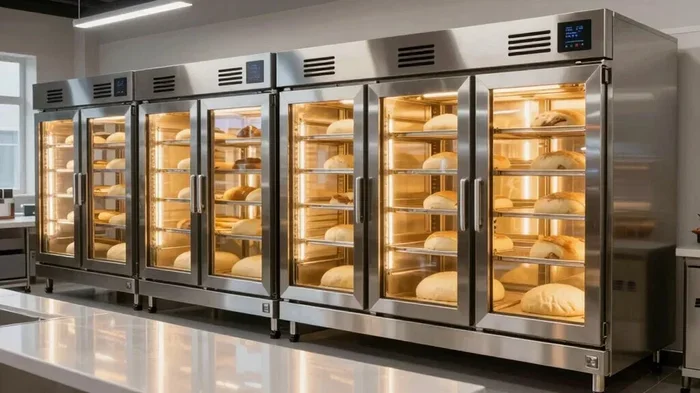
Commercial proofers are built for high-volume baking. Bakeries, restaurants, and catering companies use them daily. These units are larger and more powerful. They can proof multiple trays of dough at once. Commercial proofers also have more advanced controls for precise temperature control and humidity management.
While commercial proofers are expensive, they pay for themselves in a busy baking operation. The consistency and speed they offer are unmatched. For professional bakers, a commercial proofer is an essential tool.
Combination Proofer and Oven
Some modern appliances combine proofing and baking functions in one unit. These combination machines let you proof your dough and then bake it in the same appliance. They are convenient and save counter space. However, they may not offer the same level of control as dedicated proofer ovens.
How To Use A Proofer Oven Effectively
Using a proofer oven is straightforward, but a few tips will help you get the best results every time.
Step-by-Step Guide
- Prepare your dough as you normally would. Mix the ingredients and knead until smooth.
- Place the dough in a lightly greased bowl or pan. Cover it with a damp cloth or lid.
- Set the temperature on your proofer oven to between 75°F and 85°F.
- Add water to the humidity reservoir if your model has one.
- Place the dough inside the proofer chamber and close the lid.
- Set a timer based on your recipe. Most doughs need 45 minutes to 2 hours.
- Check the dough when the timer goes off. It should have doubled in size.
- Remove the dough and proceed with shaping and baking as your recipe directs.
Quick Tips For Best Results
- Always grease your bowl lightly to prevent the dough from sticking during proofing.
- Do not skip the cover. Keeping the dough covered prevents a dry skin from forming.
- Check your proofer oven manual for recommended water levels and temperature settings.
- Use a kitchen thermometer to verify the internal temperature of your proofer if you are unsure.
- Be patient. Even with a proofer oven, good bread takes time. Do not rush the process.
Common Mistakes To Avoid When Using A Proofer Oven
Even with the right tool, mistakes can happen. Here are the most common errors bakers make with proofer ovens and how to avoid them.
Overheating The Dough
The most common mistake is setting the temperature too high. Remember, a proofer oven is not a baking oven. It should stay between 75°F and 85°F. Temperatures above 95°F can kill the yeast. Dead yeast means no rise. Always double-check your temperature setting before adding the dough.
Ignoring Humidity Levels
Humidity is just as important as temperature. If the air inside the proofer is too dry, your dough will form a tough skin. This skin restricts expansion and leads to dense bread. Make sure your proofer oven has enough water in the reservoir. If your model does not have a built-in humidifier, place a small dish of water inside the chamber.
Proofing For Too Long
Faster proofing does not mean you should leave the dough in indefinitely. Over-proofed dough becomes weak and collapses. It loses its structure and produces flat, dense bread. Always follow your recipe’s proofing time and check the dough regularly.
Using The Wrong Dough
Not all doughs need a proofer oven. Simple recipes with quick rises may not benefit much. Proofer ovens work best with yeast-based doughs that require longer fermentation times. Sourdough dough, enriched bread doughs, and artisan loaves benefit the most from proofer oven use.
Who Should Consider A Proofer Oven?
A proofer oven is not just for professional bakers. Many home bakers can benefit greatly from owning one. Here is a quick look at who should consider adding a proofer oven to their kitchen.
- Frequent bread bakers who want consistent, reliable results every time.
- Sourdough enthusiasts who need precise temperature control for long fermentation.
- Busy families who want fresh bread but do not have hours to wait for dough to rise.
- Home bakers in cold climates where room temperature makes proofing difficult.
- Baking hobbyists who want to improve their bread quality and explore new recipes.
- Small bakery owners who need a reliable, efficient proofing solution.
If any of these descriptions sound like you, a proofer oven could be the upgrade your kitchen needs. It is an investment that pays off in better bread, faster proofing, and more enjoyable baking sessions.
Expert Insights On Proofer Ovens
We spoke with several experienced bakers about their thoughts on proofer ovens. Here is what they had to say.
“A proofer oven changed my bread baking completely,” says Maria, a home baker from Portland. “I used to struggle with dough not rising properly in the winter. Now I just pop it in the proofer and forget about it. The results are so much more consistent.”
Professional baker James adds, “In a commercial kitchen, a proofer oven is non-negotiable. It saves us hours of waiting time and guarantees that every batch of dough proofs perfectly. The temperature control and humidity management are worth every penny.”
These insights highlight a common theme: proofer ovens bring reliability and quality to the bread-making process. Whether you bake for fun or for business, the benefits are clear.
Key Takeaways
- A proofer oven creates the perfect warm, humid environment for dough to rise without the dry heat of a regular oven.
- Proofer ovens offer precise temperature and humidity control that regular ovens simply cannot match.
- Using a proofer oven saves significant time during the dough fermentation and yeast activation process.
- Home proofers and commercial proofers come in various sizes to fit different baking needs.
- Bread baked with a proofer oven has better texture, flavor, and structure due to optimized fermentation.
- Common mistakes include overheating dough and neglecting humidity levels when using a proofer oven.
- A proofer oven is a game-changer for serious bakers who want professional-quality bread at home.
Final Thoughts
A proofer oven is one of the best investments you can make if you love baking bread. It solves the biggest challenges in dough proofing: temperature, humidity, and consistency. While a regular oven can technically be used for proofing, it simply cannot match the precision and reliability of a dedicated proofer.
The difference in your bread will be noticeable from the very first loaf. You will see better rise, improved texture, and richer flavor. Your dough will be easier to work with, and your baking process will be faster and more enjoyable.
Whether you choose a compact home proofer or a full-size commercial unit, the benefits are the same. You get a controlled environment where your dough can thrive. You get consistent results every time. And you get to enjoy better bread with less hassle.
If you have been struggling with inconsistent proofing or slow rising times, it is time to consider a proofer oven. Your bread, and your baking journey, will be better for it. Start exploring your options today and discover the difference a proofer oven can make in your kitchen.
Frequently Asked Questions
Can I use a regular oven for proofing dough?
Yes, you can use a regular oven for proofing, but the results are less consistent. You will need to set the oven to its lowest temperature and place a pan of water inside to add humidity. However, regular ovens lack the precise temperature and humidity controls that a dedicated proofer oven provides, making the process less reliable.
What temperature should a proofer oven be set to?
The ideal temperature for a proofer oven is between 75°F and 85°F (24°C to 29°C). This warm range keeps the yeast active without killing it. Always check your specific recipe, as some doughs may require slightly different temperatures for optimal fermentation and rising.
How long does dough take to rise in a proofer oven?
Dough typically takes 45 minutes to 2 hours to rise in a proofer oven, depending on the recipe and dough type. The warm, humid environment significantly speeds up the process compared to room-temperature proofing. Always check the dough visually to confirm it has doubled in size before removing it.
Is a proofer oven the same as a bread maker?
No, a proofer oven and a bread maker are different appliances. A bread maker mixes, proofs, and bakes the bread all in one machine. A proofer oven only handles the proofing stage. You still need a separate oven or method to bake the bread after it has risen properly.
Do I need a proofer oven if I only bake bread occasionally?
If you bake bread only occasionally, a proofer oven may not be essential. You can proof dough on your kitchen counter in a warm spot. However, if you want more consistent results or bake in a cold environment, even a basic home proofer can make a noticeable difference in your bread quality.
Can a proofer oven be used for anything other than bread?
Yes, proofer ovens can be used for other fermentation tasks. Yogurt making, beer brewing, and tempering chocolate all benefit from a warm, controlled environment. Some bakers also use proofer ovens for rising pizza dough and other yeast-based recipes beyond traditional bread.
=== CONCLUSION ===
A proofer oven is a powerful tool that transforms the way you bake bread. It provides the warm, humid environment that dough proofing needs to succeed. Compared to a regular oven, a proofer oven offers unmatched control over temperature and humidity. The result is better bread with superior flavor, texture, and structure.
Whether you are a home baker looking to improve your loaves or a professional who needs reliable, fast proofing, a proofer oven delivers. The time savings alone are worth the investment. And the quality of your bread will speak for itself.
Now that you understand what a proofer oven is and why it beats a regular oven, you can make an informed decision. Explore the options available, choose the right model for your needs, and start enjoying better bread today. Happy baking!