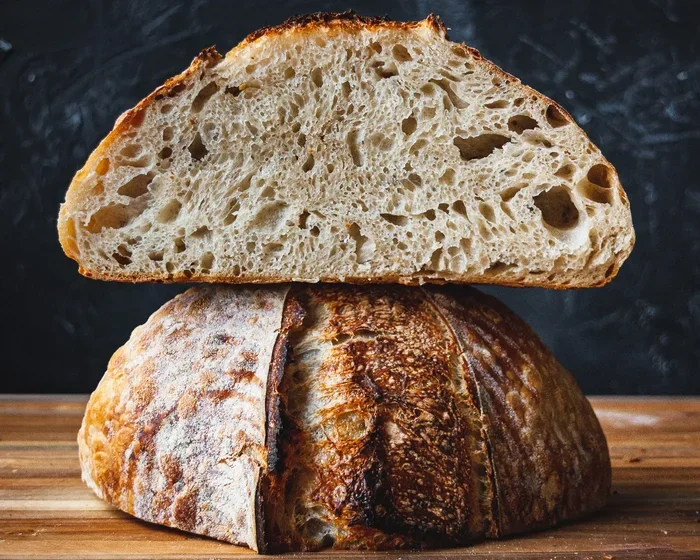
What Temperature To Bake Sourdough Bread Without Dutch Oven
Baking sourdough bread without a Dutch oven is simple once you know the right temperature and technique. Most bakers find that 450°F to 500°F works best for achieving a crispy crust and open crumb. You can use a baking stone, sheet pan, or even a simple baking tray to get great results at home. This guide covers everything you need to know about what temperature to bake sourdough bread without Dutch oven and how to nail it every single time.
This is a comprehensive guide about What Temperature To Bake Sourdough Bread Without Dutch Oven.
Key Takeaways
- Ideal Temperature Range: Bake sourdough at 450°F to 500°F for the best crust and crumb without a Dutch oven.
- Use a Baking Stone or Steel: These tools mimic the heat retention of a Dutch oven and improve bottom crust.
- Preheat for at Least 45 Minutes: A fully preheated oven ensures even baking and proper oven spring.
- Add Steam Manually: Without a Dutch oven, you need to introduce steam using a tray of boiling water or spray bottle.
- Score Your Dough Properly: Scoring helps control expansion and gives your bread a beautiful ear.
- Internal Temperature Matters: Aim for 205°F to 210°F internal temperature to confirm the bread is fully baked.
- Experiment and Adjust: Every oven is different, so use an oven thermometer and adjust as needed.
[FEATURED_IMAGE_PLACEHOLDER]
The Best Temperature for Baking Sourdough Without a Dutch Oven
Baking sourdough bread without a Dutch oven is totally doable. You do not need expensive equipment to make beautiful loaves at home. The key is understanding the right baking sourdough temperature and how your oven behaves.
Most sourdough experts agree that 450°F to 500°F is the sweet spot. This range gives you enough heat to develop a crispy sourdough bread crust while allowing the inside to bake through evenly. Let us break down why this range works so well.
Why Temperature Matters So Much
Temperature control is the single most important factor in sourdough baking. Too low, and your bread will be dense and pale. Too high, and the outside burns before the inside cooks. The right temperature creates oven spring, which is the rapid rise your loaf gets in the first few minutes of baking.
When you bake sourdough in oven without a Dutch oven, heat surrounds the loaf from all sides but escapes more easily. That is why a slightly higher temperature often works better than it would inside a sealed pot. You are compensating for the lack of trapped steam and heat.
The Ideal Range: 450°F to 500°F
Here is a quick breakdown of what happens at different temperatures:
- 425°F: A safer, lower option. Great for beginners. The crust develops slowly and the crumb stays moist. However, you may get less oven spring.
- 450°F: The most commonly recommended temperature. It balances crust development with interior baking. This is a great starting point.
- 475°F: Produces a deeper golden color and a crunchier crust. Works well if your oven runs cool.
- 500°F: The upper end. Delivers maximum oven spring and a very crispy crust. Best for experienced bakers with reliable ovens.
Start at 450°F if you are new to this. You can always increase the heat in future bakes once you understand how your oven behaves.
How to Prepare Your Sourdough for Baking Without a Dutch Oven
Getting your dough ready is just as important as setting the right sourdough baking temperature. Proper preparation makes a huge difference in the final loaf. Here is everything you need to do before the bread goes in the oven.
Use the Right Baking Surface
Without a Dutch oven, you need something to place your dough on. A baking stone or baking steel is the best option. These tools store heat and transfer it directly to the bottom of your bread. This mimics the effect of a Dutch oven and helps create an even, crispy base.
If you do not have a baking stone, a sheet pan works fine too. Place a piece of parchment paper on the pan, then set your shaped dough on top. This makes it easy to slide the bread into the oven without messing up the shape.
Preheat Your Oven Properly
This step cannot be skipped. You need to preheat your oven for at least 45 minutes before baking. Most people do not preheat long enough, and that leads to flat loaves and poor crust development.
Place your baking stone or steel on the middle rack while the oven heats. If you are using a sheet pan, place it on the lowest rack to catch any steam you add later.
Score Your Dough Before Baking
Scoring sourdough bread means cutting shallow slashes on the surface before it goes in the oven. This controls where the bread expands during baking. Without proper scoring, your loaf can burst in random places and look uneven.
Use a sharp blade called a lame or a very sharp razor. Score about half an inch deep at a 30 to 45 degree angle. Make one or two slashes for a simple look, or go for a decorative pattern if you feel confident.
Alternative Baking Methods Without a Dutch Oven
There are several ways to bake sourdough bread without Dutch oven and still get excellent results. Each method has its own advantages. Let us explore the most popular options.
Method 1: Baking on a Stone or Steel
This is the most popular alternative. Place your scored dough on a baking stone or baking steel that has been preheated in the oven. The hot surface gives your bread an immediate burst of heat from below, which helps create a strong bottom crust.
Set your oven to 450°F to 500°F. Bake for about 25 to 35 minutes. In the first 20 minutes, you can add steam by placing a pan of boiling water on the bottom rack. This helps the crust stay soft in the early stages, allowing maximum oven spring.
Method 2: Using a Sheet Pan with Parchment Paper
This is the simplest method and requires the least equipment. Place your dough on parchment paper atop a regular sheet pan. The parchment prevents sticking and makes it easy to move the bread in and out.
Bake at 450°F for 30 to 40 minutes. You will not get quite as much oven spring as with a stone, but the bread still turns out delicious. The crust may be slightly less crispy on the bottom, but the top and sides will be golden.
Method 3: The Upside-Down Sheet Pan Trick
Here is a clever trick. Place a second sheet pan upside down on the rack below your baking stone. When you add steam, the boiling water hits the hot upside-down pan and creates a burst of steam that surrounds your loaf.
This simple hack gives you some of the benefits of a Dutch oven without actually owning one. It traps steam temporarily and helps develop a beautiful sourdough bread crust.
Method 4: Baking on a Pizza Stone
A pizza stone works very similarly to a baking stone. It is thinner, so it heats up faster, but it also stores less heat. Preheat it for at least 30 minutes. Bake at 450°F to 475°F for 25 to 30 minutes.
Pizza stones are affordable and widely available. They are a great option if you want to try baking sourdough without a Dutch oven without spending much money.
Tips for Getting a Great Sourdough Crust Without a Dutch Oven
The crust is what makes sourdough bread special. Without a Dutch oven, you need to work a bit harder to get that same crispy, crackly exterior. Here are some proven tips that make a real difference.
Add Steam During the First Phase of Baking
Steam is essential for crust development. Inside a Dutch oven, steam gets trapped naturally. Without one, you need to add it yourself. Here is how:
- Boiling water tray: Place a metal tray on the bottom rack. Pour boiling water into it right after you load the bread.
- Spray bottle: Spray the inside walls of the oven with water three times in the first five minutes. Be careful not to spray the heating elements.
- Ice cubes: Drop a few ice cubes into the hot water tray. This creates a burst of steam without making a mess.
Add steam for the first 15 to 20 minutes of baking. After that, vent the steam and let the crust crisp up for the remaining time.
Bake on the Lower Rack
Placing your bread on the lower-middle rack or even the bottom rack gives you more direct heat from below. This helps the bottom crust become crispy and well-browned. If you bake on the top rack, the bottom may stay pale and soft.
Let the Bread Cool Completely
This is a mistake many beginners make. They slice into the bread while it is still warm. The inside continues to cook as it cools, and cutting too early releases steam that should stay inside. Let your loaf cool on a wire rack for at least one hour before slicing.
Use an Oven Thermometer
Most home ovens do not display the true temperature accurately. An oven thermometer costs just a few dollars and takes the guesswork out of baking. Place it inside your oven and check it before every bake. If your oven runs 25 degrees cool, adjust accordingly.
Brush with Water for Extra Crispiness
Right before the bread goes in the oven, use a pastry brush to lightly coat the top with water. This creates extra steam during the first few minutes and helps the crust blister and crisp up. Some bakers also brush with olive oil for a softer, shinier crust.
Common Mistakes to Avoid When Baking Without a Dutch Oven
Even experienced bakers make errors sometimes. Knowing what to avoid saves time, ingredients, and frustration. Here are the most common mistakes people make when baking sourdough without a Dutch oven.
Not Preheating Long Enough
This is the number one mistake. A preheated oven is essential for good oven spring and crust formation. Give your oven and baking surface at least 45 minutes to reach full temperature. Rushing this step always leads to disappointing results.
Skipping the Steam
Without a Dutch oven, your bread loses moisture faster. If you do not add steam during the first part of baking, the crust sets too early and the loaf cannot expand fully. The result is a dense, flat sourdough bread with a thick, hard crust.
Opening the Oven Door Too Often
Every time you open the oven door, heat and steam escape. Try not to open the door during the first 20 minutes of baking. Use the oven light to check on your bread instead. If you must open the door, do it quickly and minimize the time the door is open.
Using the Wrong Baking Surface
Do not just place your dough directly on a cold baking sheet. This produces a pale, soft bottom crust. Always preheat your baking stone, steel, or sheet pan before loading the bread. The hot surface gives your loaf the kick it needs to rise properly.
Baking at Too Low a Temperature
Some recipes call for lower temperatures, but without a Dutch oven, you need more heat. Baking at 400°F or below often results in a bread that looks done but is still gummy inside. Trust the 450°F to 500°F range for the best results.
Not Using a Thermometer to Check Doneness
The color of the crust can be misleading. A deeply browned loaf is not always fully baked inside. Use an instant-read thermometer to check the internal temperature. When it reads 205°F to 210°F, your bread is done. Pull it out immediately to avoid over-baking.
Expert Tips for Perfect Sourdough Every Time
Here are some pro tips that separate good sourdough from great sourdough. These insights come from years of sourdough baking experience and will help you level up your loaves.
Cold Proof for Better Flavor
After shaping your dough, place it in the fridge overnight. This slow, cold fermentation develops complex flavors and makes the dough easier to score. When you bake it the next day, the sourdough bread texture will be noticeably better.
Use a Baking Peel
A baking peel is a flat paddle used to slide bread onto a hot stone. Dust it with flour or cornmeal to prevent sticking. This tool makes loading and unloading your bread much easier and safer.
Rotate Your Loaf Halfway Through
Most home ovens have hot spots. About halfway through baking, open the door quickly and rotate your loaf 180 degrees. This ensures even browning on all sides.
Try a Combo Approach
For the best results, combine methods. Bake on a preheated stone for the first 20 minutes with steam, then remove the steam source and increase the temperature to 475°F to 500°F for the remaining time. This gives you maximum oven spring followed by a beautifully crispy crust.
Keep a Baking Journal
Write down your baking temperature, time, flour type, hydration level, and results after every bake. Over time, you will learn exactly what works in your specific oven. This simple habit accelerates your learning curve dramatically.
Understanding Sourdough Doneness Without a Dutch Oven
How do you know when your bread is fully baked? The sourdough bread doneness depends on more than just color. Here are the three most reliable ways to check.
The Internal Temperature Test
This is the most accurate method. Insert an instant-read thermometer into the center of the loaf. When it reads 205°F to 210°F, the bread is done. The internal temperature should be consistent throughout.
The Hollow Sound Test
Tap the bottom of the loaf with your knuckles. A fully baked sourdough loaf sounds hollow. If it sounds dense or dull, it needs more time. This method takes a little practice but becomes second nature quickly.
The Weight Test
A fully baked loaf feels lighter than an underbaked one. Pick up the loaf and compare its weight to your expectations. Over time, you will develop a feel for what a properly baked loaf should weigh.
FAQs
Can I bake sourdough at 400°F without a Dutch oven?
Yes, you can bake at 400°F, but the results will differ. The crust will be less crispy and the oven spring will be reduced. If you choose to bake at this lower temperature, extend the baking time by about 10 to 15 minutes. Use the internal temperature test to confirm doneness at 205°F to 210°F.
How long should I bake sourdough without a Dutch oven?
Most loaves bake for 25 to 40 minutes at 450°F to 500°F. The exact time depends on the size of your loaf, your oven, and the hydration of your dough. A smaller, lean dough loaf bakes faster, while a larger, high-hydration loaf takes longer.
Do I need parchment paper to bake sourdough without a Dutch oven?
Parchment paper is not required, but it is very helpful. It prevents sticking and makes it easy to transfer the dough to your baking stone or sheet pan. You can also use a light dusting of flour or cornmeal on your baking surface as an alternative.
What is the best baking surface for sourdough without a Dutch oven?
A baking stone or baking steel is the best surface. They retain heat well and create a crispy bottom crust. If you do not have either, a preheated sheet pan works well too. A pizza stone is another affordable option that delivers solid results.
How do I add steam without a Dutch oven?
The easiest methods are placing a pan of boiling water on the bottom rack, spraying the oven walls with water, or dropping ice cubes into the hot water tray. Add steam during the first 15 to 20 minutes of baking, then vent it for the rest of the bake.
Why is my sourdough bread not browning without a Dutch oven?
This usually happens because the oven temperature is too low or the bread is not getting enough direct heat. Try increasing the temperature to 475°F to 500°F, baking on a lower rack, or using a baking stone or steel. Also make sure your oven is fully preheated before loading the bread.
Conclusion
Baking sourdough bread without a Dutch oven is entirely achievable, and the results can be just as impressive. The key is to maintain a temperature between 450°F and 500°F, preheat your oven and baking surface thoroughly, and add steam during the first phase of baking. Use a baking stone or steel for the best bottom crust, and always check the internal temperature to confirm doneness.
Avoid the common mistakes that trip up most beginners. Do not skip preheating. Do not open the oven door too early. Do not guess about doneness. With practice and patience, you will bake golden sourdough loaves with a crispy crust and an open, airy crumb every single time.
Start with the tips in this guide, keep a baking journal, and adjust based on your oven and your preferences. The beauty of sourdough baking is that every loaf teaches you something new. Enjoy the process, trust the science, and most importantly, have fun with it. Your kitchen will soon smell like a professional bakery, and your bread will taste like one too.
Frequently Asked Questions
What is What Temperature To Bake Sourdough Bread Without Dutch Oven?
What Temperature To Bake Sourdough Bread Without Dutch Oven is an important topic with many practical applications.