What Is A Dutch Oven And Why Every Home Cook Needs One
A Dutch oven is a heavy, thick-walled cooking pot with a tight-fitting lid, made from cast iron or enameled steel. It excels at slow cooking, braising, baking bread, and making one-pot meals. Every home cook needs a Dutch oven because it replaces multiple pots and pans with one versatile tool that delivers consistent, even heat.
A Dutch oven sits in the corner of your kitchen. It looks simple. It looks heavy. But don’t let its humble appearance fool you. This pot is a powerhouse. It is one of the most versatile tools a home cook can own. Whether you are simmering a rich beef stew, baking fresh sourdough bread, or roasting a whole chicken, the Dutch oven handles it all with ease.
So what exactly is a Dutch oven? And why does every home cook need one? In this guide, we will break it all down. You will learn what makes this pot special, how to choose the right one, and how to use it like a pro. By the end, you will wonder how you ever cooked without one.
Key Takeaways
- A Dutch oven is a multi-purpose cooking pot that can braise, stew, bake, fry, and roast all in one vessel.
- Cast iron Dutch ovens offer superior heat retention, while enameled versions are easier to clean and maintain.
- One-pot meals are the star benefit, saving time, energy, and cleanup in the kitchen.
- Proper seasoning and care will keep your Dutch oven performing beautifully for decades.
- Dutch ovens work on multiple heat sources, including stovetops, ovens, campfires, and grills.
- Investing in a quality Dutch oven is one of the best decisions for any home cook looking to level up their cooking.
📑 Table of Contents
What Exactly Is a Dutch Oven?
A Dutch oven is a thick, heavy cooking pot with a snug-fitting lid. It is usually made from cast iron or enameled steel. The walls are thick, and the bottom is heavy. This design traps heat and spreads it evenly across the entire cooking surface. That is what makes it so special.
Unlike regular pots and pans, a Dutch oven holds heat for a long time. It stays hot even when you turn down the flame. This makes it perfect for slow cooking, braising, and stewing. The lid seals in moisture, too. That means your food stays tender and flavorful.
A Brief History of the Dutch Oven
The Dutch oven has been around for centuries. It got its name from the Netherlands, where metalworkers first developed the casting process in the 1700s. Abraham Darby, an English inventor, improved the design after studying Dutch methods. The pot then made its way to America, where it became a kitchen staple for settlers and pioneers.
For hundreds of years, families relied on Dutch ovens for everyday cooking. They baked bread in them. They cooked stews over open fires. They even used them to can fruits and vegetables. Today, the Dutch oven has earned its place as a must-have kitchen tool around the world.
Cast Iron vs. Enameled Dutch Oven
Not all Dutch ovens are the same. The two main types are cast iron and enameled. Each has its own strengths. Here is how they compare.
| Feature | Cast Iron Dutch Oven | Enameled Dutch Oven |
|---|---|---|
| Material | Raw cast iron with seasoning | Cast iron coated with enamel |
| Heat Retention | Excellent | Excellent |
| Ease of Cleaning | Requires more care | Easy, dishwasher-safe |
| Price Range | Moderate to high | Moderate to high |
| Best For | Searing, campfire cooking | Everyday cooking, baking |
| Durability | Lasts a lifetime | Lasts many years |
Both types deliver great results. Cast iron is the classic choice. It is rugged and built to last. You can use it on a campfire or over an open flame. Enameled Dutch ovens are easier to maintain. They do not require seasoning. They also come in fun colors that look great on a stovetop or table.
Why Every Home Cook Needs a Dutch Oven
If you are wondering whether a Dutch oven is worth the investment, the answer is a strong yes. Here are the top reasons every home cook should own one.
It Replaces Multiple Pots and Pans
One Dutch oven can do the job of several pots. You can sear meat on the stovetop, then move it to the oven to finish cooking. You can simmer soups, bake bread, and even deep-fry in the same pot. This saves counter space and saves money. Instead of buying five different cookware pieces, one Dutch oven handles it all.
Perfect for One-Pot Meals
One-pot meals are a game changer. They save time. They save dishes. And they taste incredible because all the flavors meld together in a single pot. A Dutch oven is the ideal vessel for these meals. Think chili, curry, lasagna, or a hearty chicken and rice dish. You throw everything in, put the lid on, and let the pot do the work.
Superior Heat Retention and Distribution
This is where the Dutch oven truly shines. The thick walls absorb heat slowly and release it evenly. There are no hot spots. Your food cooks consistently from edge to center. This is especially important for low-and-slow recipes like braised short ribs or pulled pork. The pot holds a steady temperature for hours.
It Works on Every Heat Source
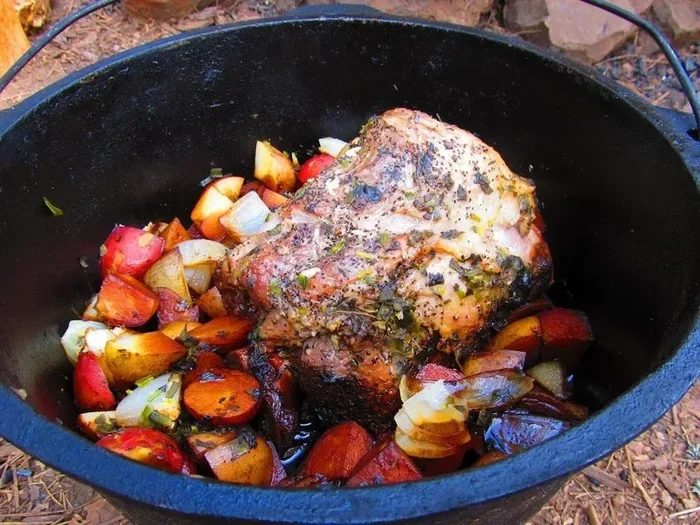
A Dutch oven is incredibly flexible. You can use it on a gas stovetop, an electric burner, an induction cooktop, or inside a conventional oven. It also works beautifully on a campfire, a grill, or even over a fire pit. If you love outdoor cooking, a cast iron Dutch oven is your best friend.
Baking Bread Made Easy
Baking artisan bread at home is easier than you think with a Dutch oven. The pot traps steam, which creates a crispy, golden crust. The even heat ensures the bread bakes perfectly inside and out. You do not need a fancy bread oven or a specialty stone. Your Dutch oven does it all.
How to Choose the Right Dutch Oven
Buying a Dutch oven is an investment. So it pays to choose wisely. Here are the key factors to consider.
Size Matters
Dutch ovens come in different sizes, typically ranging from 3 to 7 quarts. A 5-quart pot is the most popular choice for families. It handles most recipes easily. A 3-quart pot works well for singles or couples. A 7-quart pot is great for large gatherings or batch cooking.
Consider Your Cooking Style
Think about what you cook most often. If you love searing meat and cooking over fire, go with bare cast iron. If you want something low-maintenance for everyday meals, an enameled option is a smart pick. If you bake bread regularly, look for a pot with a tight-fitting lid and rounded interior.
Brand Reputation and Quality
Not all Dutch ovens are created equal. Trusted brands like Le Creuset, Staub, Lodge, and Dutch Craft offer quality construction. They use thick walls and durable lids. A well-made Dutch oven will last for generations. Do not cheap out on this one. A good pot is worth every penny.
Weight and Handle Comfort
Dutch ovens are heavy. That is part of what makes them effective. But you should still be able to lift and move the pot comfortably. Look for sturdy, heat-resistant handles on both sides. Some models come with a helper handle on the lid. This makes a big difference when you are transferring a hot pot from stove to oven.
Dutch Oven Cooking Tips and Techniques
Once you have your Dutch oven, you will want to use it to its full potential. Here are some practical tips to get the best results.
Preheat Before Adding Oil
For a great sear, preheat your Dutch oven on the stove before adding oil. This ensures the meat gets a beautiful brown crust right away. Use a high smoke-point oil like avocado oil or vegetable oil. The cast iron holds heat well, so it creates a perfect sear every time.
Use the Lid Properly
The lid is just as important as the pot itself. It traps moisture and creates a self-basting environment. For slow-cooked stews and braises, keep the lid on. For dishes that need to reduce or thicken, leave the lid slightly ajar or off completely.
Season Your Cast Iron Dutch Oven
If you own a bare cast iron Dutch oven, seasoning is essential. Rub a thin layer of oil on the interior after each wash. Bake it upside down in the oven at 375 degrees for about an hour. This builds a natural non-stick surface and prevents rust. A well-seasoned Dutch oven is a joy to cook with.
Embrace Low and Slow Cooking
The Dutch oven is built for patience. Low-and-slow recipes bring out the best flavors. Try braising pork shoulder at 300 degrees for several hours. The meat becomes fall-off-the-bone tender. The sauce develops deep, rich flavor. This is the kind of cooking that a Dutch oven was made for.
Try Baking Bread
Baking bread in a Dutch oven is surprisingly simple. Mix your dough, let it rise, then place it inside the hot pot. The lid traps steam and creates a professional-quality crust. Remove the lid halfway through for a golden finish. You will be amazed at the results.
Clean with Care
For cast iron, avoid using soap. Just rinse with hot water and scrub with a brush. Dry it completely to prevent rust. For enameled Dutch ovens, warm soapy water works fine. Never drop a hot pot into cold water. The sudden temperature change can crack the enamel or warp the cast iron.
Common Mistakes to Avoid
Even experienced cooks make mistakes with Dutch ovens. Here are some common ones to watch out for.
Overfilling the pot. Leave some room for the food to bubble and expand. A good rule is to fill it no more than two-thirds full.
Using high heat on a empty pot. Cast iron heats up slowly. Cranking the heat too high can warp the pot or damage the enamel. Always start on medium or low heat.
Neglecting to preheat gradually. A Dutch oven needs time to warm up evenly. Rushing this process can lead to uneven cooking or thermal shock.
Storing food in the pot. Do not leave acidic foods like tomato sauce in a bare cast iron pot overnight. The acid can strip the seasoning and cause a metallic taste.
Ignoring the lid. The lid is designed to fit snugly. Using a different lid or leaving it off changes how the pot cooks. Keep the right lid on your Dutch oven.
Top Dutch Oven Recipes to Try
Once you start using your Dutch oven, you will not want to stop. Here are some popular recipes to get you started.
Classic Beef Stew. Brown chunks of beef, add potatoes, carrots, onions, and broth. Simmer for two hours. The result is a rich, comforting stew that tastes even better the next day.
One-Pot Chicken and Rice. Sear chicken thighs, add rice, vegetables, and broth. Cover and cook until everything is tender. One pot, one meal, zero stress.
Homemade Sourdough Bread. Mix your starter, flour, and water. Let it rise. Bake in a hot Dutch oven with the lid on. You get a bakery-quality loaf with a crackling crust.
Campfire Chili. Brown ground beef, add beans, tomatoes, and spices. Let it simmer over the fire for an hour. This is outdoor cooking at its finest.
Braised Short Ribs. Season the ribs, sear them in the pot, then add wine and stock. Braise low and slow until the meat is meltingly tender. This is a showstopper dish.
Dutch Oven Pizza. Yes, you can make pizza in a Dutch oven. Roll out the dough, add sauce and toppings, and bake with the lid on. The crust comes out crispy and bubbly.
Expert Insights
Professional chefs and cooking experts agree that the Dutch oven is the single most important piece of cookware in any kitchen. Chef Thomas Keller has called it the workhorse of the kitchen. It handles tasks that would normally require multiple pots and pans. The thick walls and tight lid create a cooking environment that is hard to replicate with any other vessel.
According to cooking instructors, beginners should start with a 5-quart Dutch oven. It is the most versatile size. It fits on most stovetops and in most ovens. It handles meals for a family of four comfortably. Once you get comfortable, you can explore different sizes and styles.
Seasoning and maintenance are the keys to long-term performance. A well-cared-for cast iron Dutch oven can last for 50 years or more. Some families pass them down through generations. That is the kind of durability and value you get with a quality pot.
Quick Tips for Dutch Oven Owners
- Always preheat your Dutch oven gradually to avoid thermal shock.
- Use oven mitts when handling the pot. The handles get very hot.
- Store with the lid off to prevent moisture buildup and odors.
- Use wooden or silicone utensils to protect the cooking surface.
- Re-season cast iron once or twice a year for best performance.
- Let the pot cool naturally before washing. Never plunge a hot pot into cold water.
- Experiment with recipes. The more you use it, the more you will discover what it can do.
Final Thoughts
A Dutch oven is more than just a cooking pot. It is a kitchen essential that transforms the way you cook. It brings slow-cooked comfort food to your table with minimal effort. It bakes bread that rivals any bakery. It handles one-pot meals that feed the whole family with ease.
Whether you choose a classic cast iron Dutch oven or a sleek enameled version, you are investing in a tool that will serve you for years. The versatility is unmatched. The cooking results are consistently excellent. And the joy of pulling a perfect loaf of bread or a tender braise out of your own pot is something special.
If you do not own a Dutch oven yet, now is the time to add one to your kitchen. It is one of the best decisions any home cook can make. Start simple. Try a stew or a roasted chicken. Then explore from there. Once you experience the difference a Dutch oven makes, you will wonder how you ever cooked without it.
The Dutch oven is not just a pot. It is a kitchen companion that grows with you. It gets better with use. It develops character over time. And it delivers results that no other single piece of cookware can match. Give it a try. Your cooking will never be the same.
Frequently Asked Questions
What is a Dutch oven used for?
A Dutch oven is used for a wide range of cooking tasks, including braising, stewing, baking bread, roasting, frying, and making one-pot meals. Its thick walls and tight-fitting lid make it ideal for slow-cooked dishes that need even heat and moisture retention.
Can you use a Dutch oven on a stovetop?
Yes, most Dutch ovens work on stovetops including gas, electric, and induction. Cast iron Dutch ovens are especially versatile and can also be used on campfires and grills. Always check the manufacturer’s guidelines for your specific model.
How do you clean a cast iron Dutch oven?
Clean a cast iron Dutch oven by rinsing it with hot water and scrubbing with a brush. Avoid using soap, as it can strip the seasoning. Dry the pot thoroughly after washing and rub a thin layer of oil on the interior to protect the surface.
What size Dutch oven should I buy?
A 5-quart Dutch oven is the most popular and versatile size for most households. It works well for meals serving four to six people. Smaller 3-quart pots are great for couples, while larger 7-quart pots are ideal for batch cooking or big families.
Is a Dutch oven worth the investment?
Absolutely. A quality Dutch oven lasts for decades and can replace several pieces of cookware. It delivers consistent, even cooking results and works on virtually every heat source. For serious home cooks, it is one of the best investments you can make.
Can you bake bread in a Dutch oven?
Yes, baking bread in a Dutch oven is one of the most popular uses. The pot traps steam, which creates a crispy, golden crust, while the even heat ensures the bread bakes perfectly throughout. You do not need a specialty bread oven to get professional-quality results.
=== CONCLUSION ===
A Dutch oven is one of the most valuable tools in any home kitchen. It is versatile, durable, and capable of producing dishes that range from simple weeknight dinners to impressive showstopper recipes. Whether you are a beginner or a seasoned cook, a Dutch oven will elevate your meals and simplify your cooking process.
Now that you know what a Dutch oven is and why it deserves a spot in your kitchen, it is time to take action. Choose the right size and style for your needs. Start experimenting with recipes. And enjoy the process of cooking with a tool that has been trusted for centuries. Your Dutch oven journey starts today.