How To Convert Your Air Fryer Recipe To Oven Cooking
Converting air fryer recipes to oven cooking is simpler than you think. You just need to adjust temperature, time, and a few cooking techniques. This guide shows you exactly how to make the switch for crispy, delicious results.
This is a comprehensive guide about How To Convert Air Fryer Recipe To Oven.
Key Takeaways
- Lower the temperature by 25°F: Ovens run hotter than air fryers, so reducing heat prevents burning.
- Add 5-10 minutes to cook time: Ovens cook slower, so recipes need extra time.
- Use a wire rack for crispiness: Airflow matters just as much in an oven as in an air fryer.
- Preheat your oven always: Just like an air fryer, starting hot makes a big difference.
- Don’t overcrowd the pan: Space lets hot air circulate and food cook evenly.
- Flip food halfway through: This mimics the air fryer’s rapid air circulation.
- Use parchment paper wisely: Check if it is safe for your oven setup first.
[FEATURED_IMAGE_PLACEHOLDER]
You have a favorite recipe from your air fryer, and you want to make it in the oven. Maybe your air fryer is full, or maybe you are cooking for a bigger crowd. Either way, converting air fryer recipes to oven cooking is a skill that saves time and opens up your kitchen.
The good news? You do not need to be a chef to figure this out. With a few simple adjustments, your oven-baked dishes can taste just as good as their air-fried counterparts. This guide walks you through every step in plain, easy language. You will learn how to adjust temperature, time, and technique like a pro.
Whether you are baking fries, roasting vegetables, or cooking a steak, the principles stay the same. We will cover everything from basic conversion rules to pro tips that make a real difference. By the end, you will never second-guess yourself when swapping between air fryer vs oven cooking.
Let us get into it. Your oven is about to become your new best friend for crispy, golden, perfectly cooked meals.
Why Convert Air Fryer Recipes to Oven Cooking?
Air fryers are amazing. They cook fast, use less oil, and give food a crispy finish. But they have small baskets. You cannot fit a whole sheet pan of fries or a large roast inside most models. That is where your oven comes in.
Your oven gives you more space, more flexibility, and the ability to cook multiple dishes at once. Converting recipes also means you can feed a bigger family or meal prep for the week. Plus, most people already own an oven, so there is no extra equipment needed.
There is another reason too. Convection ovens work very similarly to air fryers. They use a fan to blow hot air around the food. This creates that crispy exterior we love. So when you understand the basic science, the conversion becomes second nature.
The Science Behind Both Methods
Both air fryers and convection ovens use rapid hot air to cook food. An air fryer is basically a tiny convection oven. It surrounds food with hot air on all sides. This is why air-fried food gets crispy without much oil.
A regular oven heats from the top and bottom elements. A convection oven adds a fan. If you have a fan-forced or convection setting, your results will be much closer to air fryer quality. If you have a conventional oven without a fan, you will need to make a few extra adjustments. We will cover those too.
The Basic Rules of Air Fryer to Oven Conversion
Here is where the magic happens. These are the core rules that apply to almost every recipe. Memorize them, and you will never wonder how to make the swap again.
Rule 1: Lower the Temperature by 25°F
This is the number one rule. Air fryers cook at high speeds because they are small and the heat surrounds the food tightly. Ovens are bigger, so the heat spreads out more. To avoid burning the outside of your food, drop the temperature by 25 degrees.
For example, if your air fryer recipe says 400°F, set your oven to 375°F. This small change makes a big difference in how your food turns out. It prevents the dreaded burnt-on-the-outside, raw-on-the-inside problem.
Rule 2: Add Time, But Check Early
Because ovens cook more slowly, you generally need to add 5 to 10 minutes to the original cook time. However, every oven is different. Some run hot, some run cool. The best approach is to start checking a few minutes before the recipe suggests.
Use your eyes and your senses. Look for golden brown color. Poke the food with a fork. Smell for that roasted aroma. These cues tell you more than any timer ever could.
Rule 3: Keep the Food in a Single Layer
Air fryers work so well because hot air flows freely around every piece of food. In an oven, the same principle applies. If you overcrowd the pan, the food steams instead of crisping. Give each piece room to breathe.
If you need to cook a large batch, use two pans and rotate them. This one simple trick improves oven-baked results dramatically. Your food will cook more evenly and look more appetizing.
Rule 4: Always Preheat the Oven
Just like an air fryer, an oven needs time to reach the right temperature before food goes in. Preheating ensures even cooking from the start. It usually takes 10 to 15 minutes for most ovens to reach the target temperature.
Do not skip this step. Putting cold food into a cold oven leads to uneven cooking and longer total time. Patience here pays off with better texture and flavor.
Temperature and Time Conversion Chart
Having a quick reference makes conversion effortless. Use this chart as your starting point for common air fryer to oven conversions.
| Air Fryer Temp | Oven Temp | Air Fryer Time | Oven Time |
|---|---|---|---|
| 350°F | 325°F | 10 minutes | 15-18 minutes |
| 375°F | 350°F | 12 minutes | 18-22 minutes |
| 400°F | 375°F | 15 minutes | 20-25 minutes |
| 425°F | 400°F | 18 minutes | 25-30 minutes |
| 450°F | 425°F | 20 minutes | 28-35 minutes |
Remember, these are starting points. Every oven behaves differently. Older ovens may run cooler, while newer models might be more efficient. Use a simple oven thermometer if you want to know exactly what temperature your oven is running at.
The cooking time adjustment depends on the thickness and type of food. Thin items like fries or chips need less extra time. Thicker items like chicken breasts or roasts need more. Always use a meat thermometer for proteins to make sure they reach a safe internal temperature.
How to Adjust for Different Oven Types
Not all ovens are created equal. The type of oven you have affects how you convert recipes. Let us break it down by oven type so you can fine-tune your approach.
Convection Oven (Fan-Assisted)
A convection oven is the closest thing to an air fryer. The fan circulates hot air around the food, creating that crispy exterior you love. If you have a convection setting, use the standard 25°F reduction and the time chart above.
You can also lower the temperature by an extra 5°F if your convection oven runs particularly hot. Some convection ovens have an air fryer setting built right in. If yours does, you are already halfway there.
Conventional (Static) Oven
Conventional ovens lack a fan, so heat rises from the bottom and radiates from the top. This creates hot spots. To compensate, reduce the temperature by 25°F and add an extra 5 minutes to the cook time. Also, rotate your pan halfway through for even browning.
For best results with a conventional oven, place the rack in the center position. This gives food the most balanced exposure to heat. Avoid opening the door too often, as it lets heat escape and slows cooking.
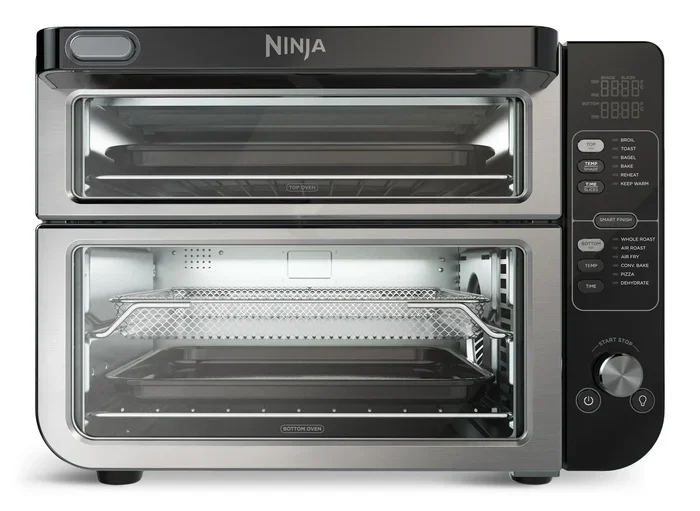
Toaster Oven
Toaster ovens are small and powerful, much like air fryers. They work great for converting recipes. Use the same 25°F rule but watch the time carefully. Toaster ovens cook faster than full-size ovens because of their compact size.
Make sure your bakeware fits inside the toaster oven. Can I put a plate in the oven? Yes, as long as it is oven-safe. Check the plate manufacturer’s guidelines before using it for oven cooking. Also, be mindful of parchment paper safety, especially in smaller toaster ovens.
Best Practices for Crispy Oven-Baked Results
The whole point of converting an air fryer recipe is to get that same crispy, golden finish. Here are the techniques that deliver.
Use a Wire Rack
A wire rack placed over a baking sheet mimics the air fryer basket. Hot air flows underneath the food, crisping both sides evenly. This is the single best upgrade you can make for crispy oven baking.
You can use a wire rack on any baking sheet. It works beautifully for fries, chicken wings, roasted vegetables, and even reheating leftovers. Skip the rack, and food sitting directly on a pan tends to steam and get soggy on the bottom.
Brush on a Thin Layer of Oil
Air fryers use very little oil because the rapid air does the work. Ovens need a tiny bit more help. A light brush of oil on the surface of your food promotes browning and crispiness.
Use a spray bottle or a pastry brush. You want just a thin coat, not a puddle. Too much oil makes food greasy instead of crispy. A light spray of oil before baking makes a noticeable difference in texture.
Flip or Shake Halfway Through
Air fryers cook food quickly because hot air hits it from all directions. In an oven, the heat comes mostly from above and below. To get even browning, flip or shake your food halfway through the cook time.
This is an easy habit to build. Just set a timer for the halfway mark and give the pan a gentle shake or use tongs to flip items. Your oven-baked fries will turn golden brown on both sides, just like they would in an air fryer.
Do Not Skip the Resting Time
Once food comes out of the oven, let it rest for a few minutes. This allows juices to redistribute in meats and lets the crust firm up. Cutting into a steak right out of the oven means losing moisture.
If you are cooking something like Omaha steak burgers or a filet mignon, resting is especially important. A few minutes of rest can be the difference between juicy and dry.
Common Mistakes to Avoid When Converting Recipes
Even with the best intentions, mistakes happen. Here are the most common errors people make when switching from air fryer to oven cooking, and how to avoid them.
Skipping the Temperature Reduction
The biggest mistake is keeping the same temperature. This leads to burnt exteriors and undercooked interiors. Always reduce by 25°F as your starting point. Your food will thank you.
Overcrowding the Pan
It is tempting to fit as much food as possible on one sheet pan. Resist that urge. Overcrowding blocks airflow and turns crispy food into soggy food. Use two pans if you need to. Your results will be vastly better.
Using the Wrong Bakeware
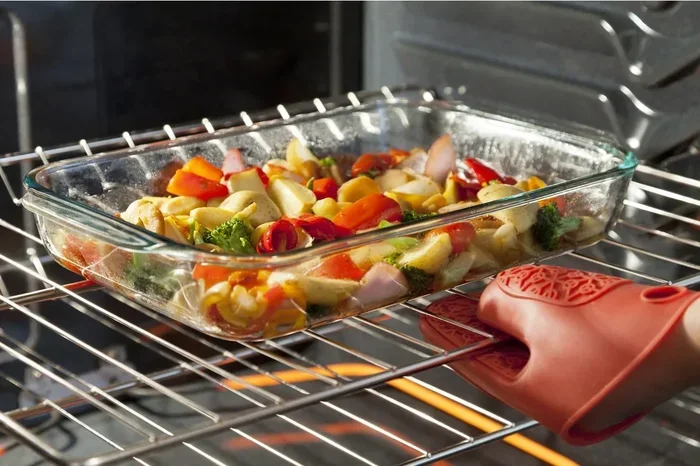
Dark or non-stick pans absorb more heat and can burn the bottom of your food. Light-colored aluminum pans or stainless steel work best. Glass and ceramic dishes retain heat differently and may need a few extra minutes.
Opening the Oven Door Too Often
Every time you open the oven door, you lose heat and extend cooking time. Try to resist peeking. Use the oven light to check on your food instead. Trust the process and let the oven do its job.
Ignoring Your Oven’s Hot Spots
Most ovens have uneven heat distribution. The back of the oven is often hotter than the front. Knowing your oven’s quirks helps you position food correctly. Rotate pans halfway through to ensure even cooking.
Quick Tips for Everyday Recipe Conversions
Here are some practical examples to bring everything together. These tips apply to common recipes you likely already make in your air fryer.
- Fries and Chips: Soak sliced potatoes in cold water for 30 minutes before baking. Dry them thoroughly, toss with a little oil, and spread on a wire rack at 375°F for 25-30 minutes. Flip halfway through.
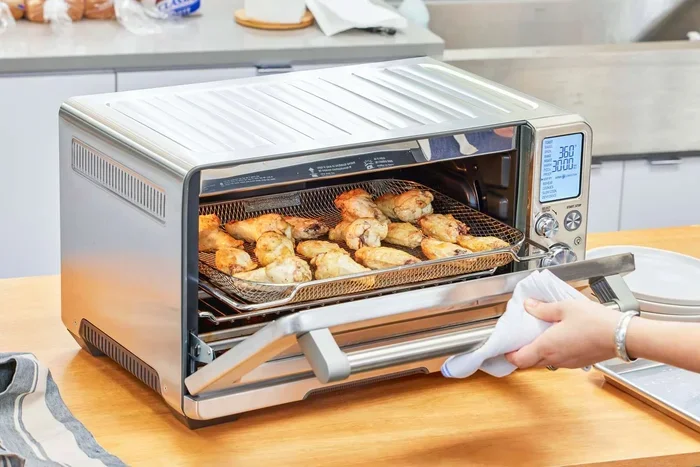
- Chicken Wings: Pat wings dry and season well. Bake at 375°F on a wire rack for 45-50 minutes. For extra crispiness, broil for the last 3-5 minutes.
- Roasted Vegetables: Toss veggies in oil and seasoning. Spread in a single layer on a baking sheet. Roast at 375°F for 25-30 minutes until edges are golden.
- Reheating Leftovers: Use 325°F and check at 5-8 minutes. Air fryer-style reheating works best on a wire rack to keep things crispy.
- Burgers and Steaks: For a great oven burger, shape your patties and season well. Bake at 375°F on a wire rack for 12-15 minutes for medium doneness. Check out how to cook Omaha steak burgers in the oven for a detailed walkthrough.
For a more detailed example, potatoes are a great test case. If you have ever wondered how long potatoes take to cook in the oven, the answer depends on size and cut. Small cubed potatoes at 375°F take about 25-30 minutes, while whole roasted potatoes may need 45-60 minutes. This is a perfect example of how oven cooking times differ from air fryer times.
Another practical example is baking cheese. If you love baked brie, you can easily adapt your air fryer recipe. Baking brie in the oven follows the same conversion principles: lower the temperature by 25°F and add a few minutes to the time.
Expert Insights: Getting Oven Results That rival Air Fryer Quality
Professional chefs know that technique matters just as much as equipment. Here are some expert-level tips that elevate your oven cooking to air fryer quality.
The Two-Zone Method
This technique involves heating one side of the oven higher than the other. Place your food on the cooler side and use the hotter side for finishing. This mimics the intense heat of an air fryer and gives you more control over browning.
Use a Food Thermometer
An instant-read thermometer takes the guesswork out of cooking. It tells you the exact internal temperature of your food. For chicken, aim for 165°F. For steak, it depends on your preference. For burgers, 160°F is safe for ground beef.
Season in Layers
Air fryers season food quickly because of the intense heat. Ovens need a bit more help. Season food before baking, and add a second light sprinkle of seasoning halfway through. This builds flavor layers that make your dish taste restaurant-quality.
Let Food Come to Room Temperature
Cold food going into a hot oven cooks unevenly. Take proteins and vegetables out of the fridge 15-20 minutes before cooking. This small step ensures more uniform results and reduces total cooking time.
Final Thoughts
Converting air fryer recipes to oven cooking is one of the most useful skills you can build in the kitchen. It gives you more flexibility, feeds more people, and still delivers that crispy, golden texture you love. The key is understanding the three core rules: lower the temperature by 25°F, add 5-10 minutes to the time, and never overcrowd the pan.
Your oven is a powerful tool. Whether it is a convection oven or a conventional one, it can do things an air fryer cannot. Bigger batches, multiple dishes, and hands-free cooking are all part of the benefit.
Start with the conversion chart above and adjust as you learn your oven’s personality. Every oven is unique, and once you understand yours, you will never look back. Keep experimenting, keep tasting, and keep improving.
The next time you find yourself wanting to make an air fryer recipe but need more space, remember these tips. Your oven is ready to deliver fantastic results. Trust the process, follow the guidelines, and enjoy every bite.
With practice, converting air fryer recipes to oven cooking will feel automatic. You will adjust temperatures and times without thinking twice. And your friends and family will never know you switched from air fryer to oven. They will just know the food tastes amazing.
Frequently Asked Questions
Can I use the same cookware in the oven that I use in the air fryer?
Most air fryer baskets and trays are oven-safe, but check the manufacturer’s guidelines. Metal baking sheets, wire racks, and oven-safe glass dishes all work well in the oven. Avoid plastic handles or non-oven-safe materials. Always confirm your cookware can handle the heat before using it.
How do I know if my oven has a convection setting?
Check your oven’s control panel for a fan icon or the word “convection.” Many modern ovens include this feature. If your oven has a fan at the back, it is likely a convection model. A fan-forced oven behaves very similarly to an air fryer, making recipe conversion even easier.
Why does my oven-baked food come out less crispy than air fryer food?
This usually happens when food is overcrowded or the oven is not preheated. Use a wire rack for airflow, keep pieces in a single layer, and always preheat. If your oven has a convection setting, use it for crispier results. A thin coat of oil also helps promote browning.
Do I need to adjust the conversion rules for different foods?
The 25°F temperature reduction and 5-10 minute time addition are good general rules. Thin foods like fries need less extra time. Thick items like roasts or whole chickens need more. Dense vegetables like potatoes take longer than thin vegetables like zucchini. Always use visual cues and a thermometer to confirm doneness.
Is parchment paper safe to use in the oven for converted recipes?
Yes, parchment paper is generally safe for oven use up to 425°F. It helps prevent sticking and makes cleanup easier. However, check if parchment paper is toaster oven safe if you are using a smaller oven model. Avoid letting parchment paper touch the heating elements directly.
Can I convert frozen air fryer recipes to oven cooking?
Absolutely. Frozen foods often work even better in the oven because the longer cook time allows ice crystals to escape more completely. Follow the same conversion rules: reduce temperature by 25°F and add extra time. You may need to add 5-10 additional minutes compared to fresh food. Check for doneness using a thermometer or by cutting into the thickest piece.
Frequently Asked Questions
What is How To Convert Air Fryer Recipe To Oven?
How To Convert Air Fryer Recipe To Oven is an important topic with many practical applications.