Can All Clad Non Stick Pans Go In The Oven Today Yes
Yes, most All Clad non stick pans can go in the oven. The answer depends on the specific product line, the type of handle, and the temperature limit. All Clad is known for high quality stainless steel cookware, but their non stick line has its own set of rules. This guide covers everything you need to know about using your All Clad frying pan safely in the oven.
This is a comprehensive guide about Can All Clad Non Stick Pans Go In The Oven.
Key Takeaways
- All Clad non stick pans are generally oven safe up to a specific temperature limit, usually around 500°F.
- Always check the handle material because plastic or silicone handles may have lower heat resistance than the pan itself.
- The All Clad product line matters — CT2, D5, and LC1 lines each have different oven safe specifications.
- Never preheat an empty non stick pan in the oven, as this can damage the coating and release harmful fumes.
- Use oven mitts when removing All Clad pans from the oven, even if the pan is rated for high heat.
- Avoid using metal utensils on the non stick surface to preserve the coating for oven and stovetop use.
- Hand washing is recommended to extend the life of the non stick coating and maintain oven safe performance over time.
[FEATURED_IMAGE_PLACEHOLDER]
Can All Clad Non Stick Pans Go In The Oven Today Yes
If you own All Clad non stick pans, you have invested in premium cookware. These pans are built to last and perform beautifully on the stovetop. But what happens when you want to finish a dish in the oven? Can all clad non stick pans go in the oven safely? The short answer is yes, but with some important caveats.
Many home cooks assume that because a pan is high quality, it can handle any heat source. That is not always true. Non stick coatings have temperature limits. Handle materials differ from pan materials. And not every All Clad product is created equal when it comes to oven use. This article breaks down everything you need to know.
We will cover the different All Clad product lines, temperature limits, safety tips, and common mistakes. By the end, you will know exactly how to use your All Clad frying pan in the oven without worry. Let us get into it.
What Makes All Clad Non Stick Pans Special
All Clad is one of the most respected names in kitchen cookware. Their pans are known for superior construction and even heat distribution. The non stick line adds a coating that makes cooking and cleaning easier. But what exactly sets these pans apart from other brands?
The Construction Of All Clad Non Stick Cookware
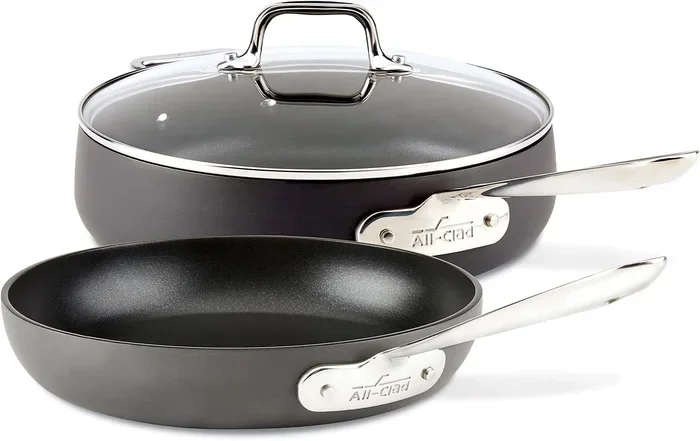
All Clad uses a bonded construction method. This means layers of metal are fused together under extreme pressure and heat. The result is a pan that heats evenly and responds well to temperature changes. The stainless steel exterior is durable and attractive. The interior features a non stick coating that prevents food from sticking.
This construction is what makes All Clad pans so versatile. They work on gas, electric, induction, and ceramic cooktops. But versatility does not automatically mean oven safe. You need to check each specific pan before putting it in the heat.
Why Non Stick Coatings Need Special Care
Non stick coatings are sensitive to high heat. Most non stick pans begin to degrade above 500°F. The coating can release fumes that are harmful to humans and pets. This is why understanding the oven safe limit is so important. All Clad non stick pans are designed with this in mind, but you still need to follow the guidelines.
The coating on All Clad non stick cookware is typically a PTFE-based or ceramic-based material. Both types have temperature limits. Always refer to the manufacturer instructions for your specific pan model.
Can All Clad Non Stick Pans Go In The Oven Safely
The direct answer to can all clad non stick pans go in the oven is yes for most models. However, the details matter. Not every All Clad pan has the same oven safe rating. The handle, the coating, and the overall design all play a role. Let us look at what determines whether your pan is safe for oven use.
Understanding All Clad Product Lines And Oven Safety
All Clad offers several product lines. Each line has different features and oven safe capabilities. Here is a quick look at the main All Clad non stick lines:
- All Clad CT2: This line features a non stick interior with a stainless steel exterior. The CT2 pans are generally oven safe up to 500°F. The handle design is heat resistant and fits most oven uses.
- All Clad D5: The D5 line is known for its five-ply construction. While the D5 line is primarily stainless steel, some versions include a non stick option. These pans are oven safe and built for heavy duty use.
- All Clad LC1: The LC1 line is a more affordable option. It still offers good non stick performance and is typically oven safe within the standard temperature range.
When asking can all clad non stick pans go in the oven, you must identify your specific line. The product line determines the maximum temperature and the safe usage guidelines.
Temperature Limits For All Clad Non Stick Pans
Most All Clad non stick pans are rated for oven use up to 500°F. This is the standard limit for most non stick coatings. Going above this temperature can damage the coating and reduce the pan’s lifespan. It can also release harmful fumes into your kitchen.
Here are some common temperature references to keep in mind:
- 350°F: Safe for most baking tasks. This is a standard oven temperature for cakes, cookies, and casseroles.
- 400°F: Great for roasting vegetables and baking bread. Well within the safe range for All Clad non stick pans.
- 450°F: Still safe for most models. This temperature works well for high-heat roasting and some baking tasks.
- 500°F: The upper limit for most All Clad non stick cookware. Do not exceed this temperature.
- Above 500°F: Not recommended. The non stick coating may begin to break down and release harmful fumes.
If you are baking in the oven and need to use a pan, always check the temperature setting first. A simple mistake like setting the oven to 550°F can ruin your pan and void the All Clad warranty.
Handle Materials And Their Heat Resistance
The pan body might be oven safe, but what about the handle? This is one of the most overlooked aspects of oven safe cookware. All Clad non stick pans come with different handle types, and each has its own heat resistance rating.
Some All Clad pans feature stainless steel handles that are fully oven safe. These handles can withstand the same temperatures as the pan body. Other models use silicone or phenolic handles that may have lower heat limits. Always check the product specifications before placing the pan in the oven.
If you are unsure about the handle, use a towel or oven mitt to grip it. Even oven safe handles can get hot during extended cooking times. Safety should always come first when working with hot cookware.
How To Properly Use All Clad Non Stick Pans In The Oven
Now that you know the answer to can all clad non stick pans go in the oven, let us talk about how to do it properly. Using your pan correctly will extend its life and keep your food tasting great.
Step By Step Guide To Oven Use
Follow these steps to safely use your All Clad non stick frying pan in the oven:
- Check the product label: Look for the oven safe symbol or temperature rating on the pan or its packaging.
- Preheat the oven: Set the oven to the desired temperature before placing the pan inside. Never put a cold pan into a hot oven.
- Use oven mitts: Always wear oven mitts when handling the pan. The handle will get hot during cooking.
- Place the pan on a safe surface: Use an oven mitt or trivet when removing the pan. Do not place it directly on a cold or wet surface.
- Allow the pan to cool: Let the pan cool naturally before washing it. Sudden temperature changes can damage the non stick coating.
Best Practices For Stovetop To Oven Cooking
One of the best features of All Clad non stick pans is their ability to go from stovetop to oven. This is perfect for dishes like steak burgers that need a sear on the stove and then finishing in the oven. The even heat distribution makes this transition seamless.
When searing on the stovetop, use medium to medium-high heat. Avoid overheating the pan before transferring it to the oven. High heat on the stovetop can preheat the non stick coating beyond its safe limit before the food even starts cooking.
If you are cooking something like a brie dish or roasted potatoes, the oven finish works beautifully in an All Clad pan. The non stick surface makes it easy to remove the food once it is done. Just remember to keep the oven temperature at or below 500°F.
Using Accessories Safely With All Clad Pans
When using your All Clad non stick pan in the oven, be mindful of what accessories you use. Parchment paper is a great example. If you are wondering is parchment paper toaster oven safe, the same principles apply to regular ovens. Parchment paper is safe up to about 450°F, making it a good companion for your All Clad pan in most oven tasks.
Avoid using wax paper or plastic wraps in the oven. These materials can melt and damage your pan. Stick to parchment paper, silicone mats, or aluminum foil for lining and covering.
Common Mistakes People Make With All Clad Non Stick Pans
Even high quality cookware can be damaged by poor usage habits. Here are the most common mistakes people make with their All Clad non stick pans in the oven.
Overheating The Pan
The biggest mistake is overheating. People sometimes leave the pan in the oven at high temperatures for too long. This damages the non stick coating and can release harmful fumes. Always monitor the oven temperature and never exceed 500°F with your All Clad non stick pan.
Using Metal Utensils
Metal utensils can scratch and damage the non stick surface. Use wooden, silicone, or nylon utensils instead. This applies to both stovetop and oven use. Scratches in the coating reduce the pan’s effectiveness and can lead to peeling.
Neglecting The Warranty Guidelines
All Clad offers a limited warranty on their products. But using the pan in ways that exceed the manufacturer guidelines can void that warranty. If you put a pan in the oven above its rated temperature and the coating fails, the warranty may not cover the replacement.
Soaking The Pan After Oven Use
Some people take their hot pan straight from the oven and soak it in cold water. This thermal shock can warp the pan and damage the non stick coating. Always let the pan cool to room temperature before washing it.
Expert Tips For Extending The Life Of Your All Clad Non Stick Pan
Your All Clad non stick pan is an investment. With proper care, it can last for years and deliver excellent performance every time you use it. Here are some expert tips to keep your pan in top shape.
Cleaning And Maintenance
Hand washing is always the best method for non stick pans. Use warm water, mild dish soap, and a soft sponge. Avoid abrasive cleaners and steel wool. These can scratch the non stick surface and reduce its effectiveness.
If food is stuck on the pan, soak it in warm soapy water for a few minutes. This softens the residue and makes it easier to clean without damaging the coating. Never use a dishwasher for your All Clad non stick pan, as the harsh detergents and high heat can degrade the coating over time.
Storage Tips
Store your All Clad frying pan carefully. Hanging pans on a pot rack is a great option. If you stack pans, place a soft cloth or paper towel between them to prevent scratching. Never nest non stick pans directly against each other without protection.
When To Replace Your Pan
Even with the best care, non stick pans eventually wear out. Look for signs like flaking coating, discoloration, or scratches that go through the surface. When these appear, it is time to replace the pan. Using a damaged pan can affect food quality and safety.
Comparing All Clad Non Stick Pans With Other Oven Safe Cookware
To understand why All Clad non stick pans are a great choice for oven use, it helps to compare them with other options. Here is a simple comparison table:
| Cookware Type | Oven Safe Temp | Non Stick | Durability |
|---|---|---|---|
| All Clad Non Stick | Up to 500°F | Yes | High |
| Cast Iron | Up to 700°F | No (needs seasoning) | Very High |
| Ceramic Coated | Up to 450°F | Yes | Medium |
| Aluminum Non Stick | Up to 450°F | Yes | Medium |
| Stainless Steel (bare) | Up to 600°F | No | Very High |
As you can see, All Clad non stick pans offer a great balance of oven safety, non stick performance, and durability. They are not the highest heat option, but they excel in the temperature range most home cooks use daily.
For everyday cooking tasks, All Clad non stick cookware provides excellent value. The pans perform well for sautéing, searing, baking, and finishing dishes in the oven. Their construction ensures even heating and consistent results every time.
Final Thoughts On Using All Clad Non Stick Pans In The Oven
So, can all clad non stick pans go in the oven? The answer is a clear yes. With proper care and attention to temperature limits, your All Clad non stick pan can serve you well for years. The key is understanding your specific pan’s capabilities and following the manufacturer guidelines.
Remember to check the product line, verify the oven safe temperature, and always use oven mitts. Avoid overheating, use the right utensils, and clean your pan by hand. These simple habits will keep your All Clad non stick cookware performing at its best.
Whether you are finishing a steak on the stovetop and moving it to the oven, baking a casserole, or roasting vegetables, your All Clad pan is up to the task. The non stick surface makes cooking and serving easier, and the durable construction ensures even heat every time.
Take the time to learn your specific pan’s features. Read the product manual, note the temperature limits, and share this knowledge with everyone in your kitchen. With the right approach, your All Clad non stick pan will become your go-to tool for stovetop and oven cooking alike.
If you are looking for more oven cooking tips, check out our guide on how long potatoes take to cook in the oven for perfect roasting results every time. And if you are curious about other oven-safe items, our article on can I put a plate in the oven covers the essentials you need to know.
FAQs
Can I put my All Clad non stick pan in the oven at 450°F?
Yes, 450°F is well within the safe range for most All Clad non stick pans. The standard oven safe limit is 500°F, so 450°F provides a comfortable margin. Just make sure your specific pan model does not have a lower rating.
What happens if I exceed the oven temperature limit on my All Clad pan?
Exceeding the temperature limit can damage the non stick coating and release harmful fumes. The coating may begin to peel or flake, which affects both performance and food safety. Always stay within the manufacturer recommended temperature.
Are All Clad non stick pans dishwasher safe?
While some All Clad products are dishwasher safe, hand washing is always recommended for non stick pans. Dishwashers use harsh detergents and high heat that can degrade the coating over time. Hand washing preserves the non stick surface and extends the pan’s life.
Can I use my All Clad non stick pan on a grill?
Most All Clad non stick pans are not recommended for direct grill use. The uneven heat distribution on a grill can damage the non stick coating. Stick to stovetop and oven use for the best results and longest pan life.
How long does the non stick coating on All Clad pans last?
With proper care, the non stick coating on All Clad pans can last several years. Avoid using metal utensils, overheating the pan, and using abrasive cleaners. Regular hand washing and proper storage will help maintain the coating for a long time.
Is the All Clad warranty valid if I use the pan in the oven?
Yes, using the pan in the oven within the recommended temperature limits is covered by the All Clad warranty. However, exceeding the temperature limit or using the pan in ways not recommended by the manufacturer may void the warranty. Always keep your product manual and receipts for warranty claims.
Frequently Asked Questions
What is Can All Clad Non Stick Pans Go In The Oven?
Can All Clad Non Stick Pans Go In The Oven is an important topic with many practical applications.