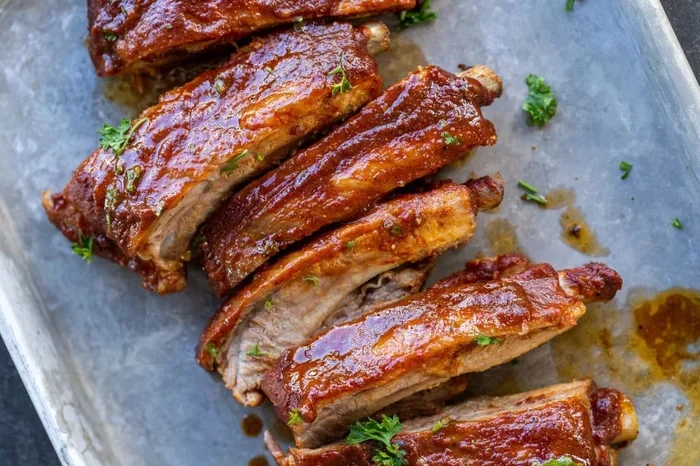
What Heat To Cook Ribs In Oven For Tender Juicy Ribs
Learning what heat to cook ribs in oven is the single most important factor for achieving tender, juicy ribs at home. The ideal temperature range falls between 275°F and 325°F, depending on the type of rib and your desired cook time. Low and slow heat breaks down connective tissue while keeping the meat moist and flavorful. This guide covers every temperature, timing, and technique you need to make mouthwatering ribs in your own kitchen.
There is nothing quite like pulling a rack of ribs out of the oven and seeing that perfect bark form on the outside while the meat stays juicy and tender on the inside. Whether you are a weekend barbecue enthusiast or someone just starting to explore oven rib recipes, understanding what heat to cook ribs in oven makes all the difference. The temperature you choose determines everything from cook time to texture to flavor development.
Many people assume ribs need high heat to cook properly. That is a common mistake that leads to dry, tough meat. The truth is, low and slow cooking is the secret behind the best ribs you have ever tasted. In this guide, we will walk you through every temperature, every timing detail, and every pro tip you need to nail oven baked ribs like a seasoned pitmaster. Let us dive in.
Key Takeaways
- Best Heat Range: Cook ribs at 275°F to 325°F for the most tender results.
- Low and Slow Wins: Lower temperatures over longer periods create fall-off-the-bone texture.
- Internal Temperature Matters: Pork ribs are done at 195°F to 203°F internally.
- Foil Wrapping Helps: Wrapping ribs in foil partway through keeps moisture locked in.
- Rib Type Changes Everything: Baby back ribs cook faster than spare ribs or beef ribs.
- Resting Is Essential: Always let ribs rest for 10 to 15 minutes before cutting.
- Patience Pays Off: Rushing the process leads to tough, dry meat.
📑 Table of Contents
The Best Heat To Cook Ribs In Oven
The short answer to what heat to cook ribs in oven is between 275°F and 325°F. This range gives you the perfect balance of gentle heat and flavor development. At these temperatures, the collagen in the rib meat slowly breaks down, turning tough connective tissue into silky, melt-in-your-mouth goodness.
Why Low and Slow Works Best
When you cook ribs at a lower temperature, the fat has time to render slowly. This means the meat stays moist throughout the entire cooking process. High heat causes the proteins to seize up quickly, squeezing out moisture and leaving you with tough, chewy ribs.
Here is a simple breakdown of how temperature affects your cook:
- 225°F to 250°F: Very slow cook. Great for thick cuts like beef ribs. Takes 5 to 6 hours.
- 275°F to 300°F: The sweet spot for most pork ribs. Cook time is 3 to 4 hours.
- 325°F to 350°F: Faster cook. Good if you are short on time but still want tender results.
- Above 350°F: Not recommended for ribs. The meat dries out before the collagen breaks down.
The Ideal Temperature for Different Rib Types
Not all ribs are the same. The type of rib you are cooking changes the best oven temperature slightly. Let us look at the most common options.
Pork Baby Back Ribs are leaner and more tender than other cuts. They do well at 275°F and typically finish in about 2.5 to 3.5 hours. Because they have less fat, you want to be careful not to let them dry out.
Pork Spare Ribs are thicker and contain more connective tissue. They benefit from a slightly higher temperature of around 300°F. Plan for 4 to 5 hours of cooking time. The extra fat in spare ribs helps keep them moist during the longer cook.
Beef Ribs are a completely different animal. They are much larger and fattier than pork ribs. For beef ribs, aim for 275°F and allow 5 to 6 hours. The low heat gives the heavy collagen time to break down into gelatin, which is what gives you that incredible silky texture.
Country Style Ribs come from the pork shoulder area. They are meaty and forgiving. You can cook them at 300°F to 325°F for about 2 to 3 hours. They are a great option for beginners because they are hard to overcook.
Step-by-Step Guide to Oven Ribs
Now that you know the right heat, let us walk through the full process of making oven baked ribs. Following these steps ensures consistent, delicious results every single time.
Step 1: Prep Your Ribs
Start by removing the membrane from the back of the rib rack. This thin, papery layer prevents seasoning from penetrating the meat and creates a chewy texture that nobody wants. Use a butter knife to loosen one corner, then pull it off with a paper towel for grip.
Next, pat the ribs dry with paper towels. This helps the rib seasoning rub stick better and promotes bark formation. Apply a generous layer of your favorite dry rub at least 30 minutes before cooking, or ideally the night before in the fridge.
Step 2: Preheat and Set Up
Preheat your oven to the temperature you have chosen. For most pork ribs, 275°F is the go-to. Place a rack in the center of the oven so heat circulates evenly around the meat.
Wrap the ribs tightly in heavy-duty aluminum foil. This creates a braising environment that keeps moisture trapped. Place the wrapped ribs meat-side down on a baking sheet or in a deep roasting pan.
Step 3: Cook Low and Slow
Place the ribs in the oven and let them cook undisturbed. Resist the urge to open the oven door frequently. Every time you open it, you lose heat and extend the cook time.
For pork baby back ribs at 275°F, plan for about 2.5 to 3 hours. Spare ribs need closer to 4 hours. Beef ribs can take 5 to 6 hours. The patience you invest here directly impacts the tenderness of the final product.
Step 4: The Foil Wrap Check
After the initial cook time, carefully remove the ribs from the oven. Unwrap them and check the tenderness. The meat should be pulling back from the bone by about a quarter inch. If the ribs are not yet tender, rewrap them in fresh foil and return to the oven for another 30 to 60 minutes.
This is also the time to add a light brush of barbecue sauce or a splash of apple cider vinegar if you want extra flavor. Keep it light though. Too much sauce at this stage can make the ribs soggy.
Step 5: Final Bake for Bark
For that beautiful crispy bark, unwrap the ribs and return them to the oven at 350°F for the last 15 to 20 minutes. This higher heat caramelizes the surface and creates that sticky, glossy finish everyone loves.
Watch them closely during this phase. You do not want the sauce to burn. Once the ribs look glazed and the edges are slightly caramelized, they are ready to come out.
Step 6: Rest Before Serving
This step is non-negotiable. Let the ribs rest for 10 to 15 minutes before cutting. The juices redistribute throughout the meat, making every bite moist and flavorful. Cutting too early releases all those precious juices onto the cutting board instead of keeping them in the meat.
Common Mistakes When Cooking Ribs in the Oven
Even experienced cooks make mistakes with rib cooking temperature. Here are the most common errors and how to avoid them.
Cooking at Too High a Temperature
The biggest mistake people make is cranking the oven up to 400°F or higher to save time. This might sound efficient, but it produces ribs that are tough on the outside and undercooked on the inside. Low and slow is not just a saying — it is the science behind tender ribs.
Skipping the Membrane Removal
That thin membrane on the back of the rack might seem harmless, but it blocks seasoning and creates a rubbery texture. Always remove it. It takes about 30 seconds and makes a huge difference in the final result.
Not Using a Meat Thermometer
guessing when ribs are done leads to inconsistent results. Invest in a good meat thermometer and check the internal temperature. Pork ribs are done at 195°F to 203°F. At this range, the collagen has fully converted to gelatin, giving you maximum tenderness.
Over-Saucing Too Early
Applying barbecue sauce too early in the cook causes it to burn and turn bitter. The sugars in most sauces caramelize quickly at high heat, which is fine for the final glaze but not for the long cook phase.
Cutting Into Ribs Too Soon
It is tempting to peek and cut as soon as the timer goes off. But cutting into ribs right away releases all the juices. Give them that resting time. Your patience will be rewarded with juicier, more flavorful meat.
Pro Tips for Fall-Off-the-Bone Ribs
Want to take your oven rib recipe to the next level? These professional tips will help you achieve restaurant-quality results at home.
Use a Rib Rack
A rib rack elevates the meat and allows hot air to circulate evenly around all sides. This promotes consistent cooking and better bark formation. It is a small investment that makes a noticeable difference.
Add Liquid to the Foil
Before wrapping the ribs, add a small amount of liquid to the foil. Apple cider vinegar, apple juice, or even beer all work well. This creates steam inside the foil, which keeps the meat moist and helps tenderize the fibers during the cook.
Double Wrap for Extra Moisture
For extra insurance against dryness, use a double layer of heavy-duty foil. This traps even more moisture and creates a braising effect that is hard to beat. Some pitmasters call this the “Texas crutch,” and it works beautifully in the oven.
Experiment with Wood Chips
Want to add a smoky flavor without a smoker? Soak wood chips in water for 30 minutes, then wrap them in aluminum foil with a few holes poked in the top. Place the foil packet on the oven rack below the ribs. As the chips smoke, they infuse the meat with a subtle, delicious smokiness.
Let the Ribs Absorb the Rub Overnight
Applying your rib seasoning rub the night before and letting it sit in the refrigerator works wonders. The salt penetrates the meat, breaking down proteins and helping the rub flavors meld deeply into the surface. This simple step elevates the taste significantly.
How to Know When Ribs Are Done
Timing matters, but temperature and visual cues matter even more. Here is how to tell your pork ribs are perfectly cooked.
The Bend Test: Pick up the rack of ribs from one end using tongs or oven mitts. If the meat cracks slightly on the surface and the rack bends, they are done. If the meat tears apart, you have overcooked them slightly, which is still delicious.
The Toothpick Test: Insert a toothpick or skewer into the thickest part of the meat. If it goes in with little to no resistance, the ribs are tender and ready.
The Internal Temperature Test: Use a reliable meat thermometer. The target range for pork ribs is 195°F to 203°F. This is where the magic happens — the collagen has fully melted, and the meat is incredibly tender and juicy.
The Bone Pull-Back: As ribs cook, the meat naturally shrinks and pulls away from the bone tips by about a quarter inch. This is a reliable visual indicator that your ribs are nearing completion.
Comparing Oven Rib Temperatures at a Glance
| Rib Type | Recommended Temp | Cook Time | Internal Temp Target |
|---|---|---|---|
| Pork Baby Back Ribs | 275°F | 2.5 – 3.5 hours | 195°F – 203°F |
| Pork Spare Ribs | 300°F | 4 – 5 hours | 195°F – 203°F |
| Beef Ribs | 275°F | 5 – 6 hours | 200°F – 205°F |
| Country Style Ribs | 300°F – 325°F | 2 – 3 hours | 195°F – 203°F |
This table gives you a quick reference whenever you are planning your next rib cook. Simply match your rib type to the right temperature and time, and you will be on track for perfect results.
Final Thoughts on Oven Ribs
Mastering what heat to cook ribs in oven is the foundation of making incredible ribs at home. The principles are simple: low temperature, long cook time, and patience. When you respect the process, the oven rewards you with ribs that are tender, juicy, and full of flavor.
Start with the basics. Choose the right temperature for your rib type, follow the steps, and use a meat thermometer to check doneness. As you gain confidence, you can experiment with different rubs, sauces, and smoking techniques to make the recipe your own.
The beauty of oven ribs is that you do not need expensive equipment or years of experience. A basic oven, a good rack of ribs, and the right temperature are all you need to impress your family and friends. So fire up that oven, grab your favorite rub, and get ready to make the best ribs you have ever tasted.
Remember, great ribs are not about speed. They are about craft, patience, and a little bit of love. Now that you know exactly what heat to cook ribs in oven, you have everything you need to succeed. Happy cooking.
Frequently Asked Questions
What is the best temperature to cook ribs in the oven?
The best temperature for most pork ribs is 275°F to 300°F. This low and slow approach allows the collagen to break down properly, resulting in tender, juicy meat. For beef ribs, stick with 275°F and allow extra time since they are thicker and denser.
How long does it take to cook ribs in the oven at 275 degrees?
At 275°F, pork baby back ribs typically take 2.5 to 3.5 hours, while spare ribs need 3.5 to 4.5 hours. Beef ribs can take 5 to 6 hours. The actual time depends on the thickness of the meat and your desired level of tenderness.
Can I cook ribs at 350 degrees in the oven?
You can, but it is not ideal. At 350°F, the cook time shortens to about 2 to 3 hours, but the risk of drying out increases. If you must cook at this temperature, wrap the ribs tightly in foil for the first two-thirds of the cook to retain moisture.
Do I need to wrap ribs in foil when cooking them in the oven?
Wrapping ribs in foil is not strictly required, but it is highly recommended. The foil creates a braising environment that traps steam and keeps the meat moist. It also speeds up the tenderizing process. Many pitmasters use this technique, often called the “Texas crutch,” for consistently juicy results.
What internal temperature should ribs reach before pulling them out?
Pork ribs are done when they reach an internal temperature of 195°F to 203°F. At this range, the collagen has fully converted to gelatin, making the meat incredibly tender. Always use a reliable meat thermometer to check, as visual cues alone can be misleading.
How do I prevent my ribs from drying out in the oven?
To prevent dry ribs, cook at a low temperature between 275°F and 300°F, wrap them in foil during the main cook phase, and avoid opening the oven door too often. Also, let the ribs rest for 10 to 15 minutes after removing them from the oven so the juices redistribute throughout the meat.