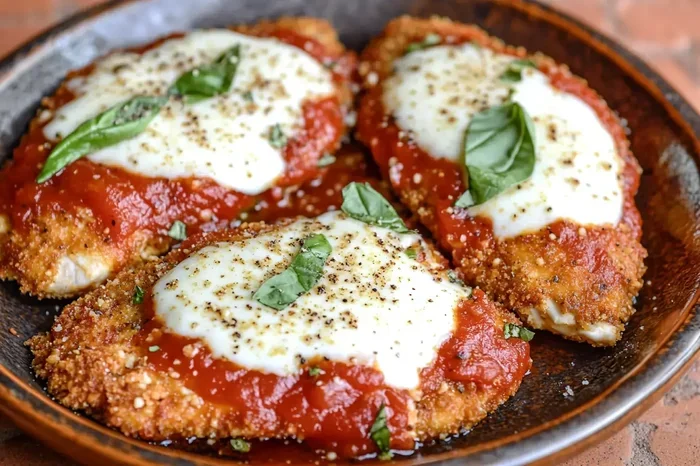
How To Make Cheese Brown In Oven For Perfect Results
Making cheese brown in the oven is easy when you know the right temperature, timing, and cheese type. Whether you are topping a casserole or making a gratin, browning cheese in the oven adds flavor and crunch. Follow our guide for perfectly golden brown cheese every single time.
There is something magical about cheese turning golden and bubbly in the oven. How to make cheese brown in oven is a question many home cooks ask. The good news is that it is much simpler than you think. With the right cheese, the right temperature, and a little patience, you can get restaurant-quality browned cheese at home.
Browned cheese adds a whole new dimension to dishes. Think of a bubbly cheese crust on a casserole or a golden parmesan topping on pasta. These small details make meals feel special. This guide walks you through everything you need to know. We cover cheese types, temperatures, timing, and common mistakes to avoid.
Whether you are a beginner or a seasoned cook, you will find useful tips here. Let us dive in and learn how to get that perfect golden brown cheese every time.
Key Takeaways
- Choose the right cheese: Aged cheddar, parmesan, and gruyere brown best in the oven.
- Use the broiler for fast browning: The broiler setting gives you golden cheese in minutes.
- Watch the cheese closely: Cheese can go from perfectly browned to burnt in seconds under high heat.
- Grate cheese finely for even browning: Small shreds melt and brown more evenly than thick slices.
- Use an oven-safe dish: Not all dishes can handle the high heat needed for browning cheese.
- Add a thin layer of sauce first: This prevents the cheese from drying out while it browns.
📑 Table of Contents
Why Brown Cheese in the Oven?
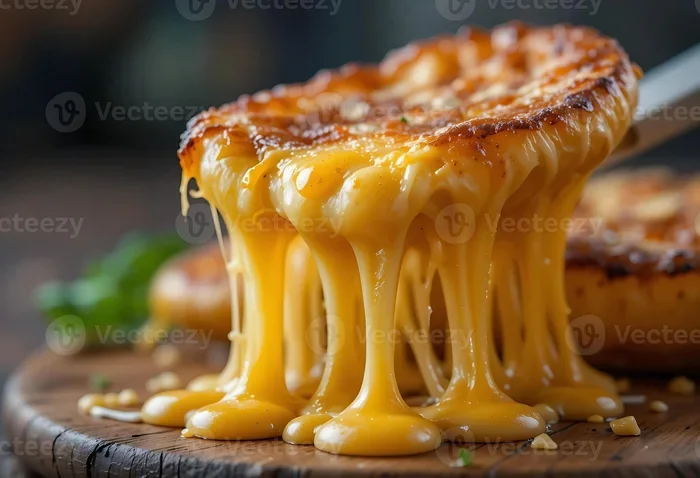
Browning cheese is not just about looks. It is about flavor and texture too. When cheese browns, the sugars and proteins react under heat. This creates a complex, nutty taste that melted cheese alone cannot deliver.
Here are some reasons why browning cheese matters:
- Enhanced flavor: Browning adds a caramelized, slightly smoky taste.
- Better texture: Browned cheese has a crispy outer layer with a gooey inside.
- Visual appeal: Golden cheese makes any dish look more appetizing.
- Versatility: You can brown cheese on casseroles, gratins, soups, and more.
Many people confuse melting with browning. Melting happens at lower temperatures. Browning cheese in the oven requires higher heat, usually above 400°F. The cheese develops those beautiful brown spots and a slightly crispy edge. This is the Maillard reaction at work, the same process that makes bread turn golden when toasted.
When you learn how to make cheese brown in oven, you unlock a whole new level of cooking. Simple dishes suddenly feel elevated and impressive.
Best Cheeses for Browning
Not all cheeses brown the same way. Some melt into a smooth pool, while others turn golden and crispy. Choosing the right cheese is the first step to success. Here is a closer look at the best options.
Aged Cheddar
Aged cheddar is a top choice for browning. It has less moisture than young cheddar, which helps it brown instead of just melt. Sharp cheddar develops a beautiful golden crust quickly. It works great on burgers, casseroles, and baked potatoes.
Parmesan
Parmesan is a hard cheese that browns beautifully. It has a low moisture content and a high salt content. This means it crisps up fast and adds a salty, nutty flavor. Sprinkle grated parmesan on top of pasta dishes or soups for a quick brown finish.
Gruyere
Gruyere is a classic choice for French gratins. It melts smoothly and browns evenly. The flavor is rich and slightly sweet. Gruyere is perfect for cheese fondue, croque monsieur, and baked pasta dishes.
Mozzarella
Fresh mozzarella has high moisture, so it does not brown as easily. However, low-moisture mozzarella works well. It melts into stretchy strings and develops a light golden color on top.
Fontina
Fontina is a semi-soft cheese that melts and browns wonderfully. It has a creamy texture and a mild, earthy flavor. It is excellent for cheese sauces and baked dishes.
Gouda
Aged gouda has a smoky, caramel-like flavor when browned. It melts smoothly and develops a lovely golden crust. Gouda is great for mac and cheese and cheese dips.
How To Make Cheese Brown In Oven: Step by Step
Now let us get into the practical steps. Learning how to make cheese brown in oven is all about technique. Follow these steps for consistent results every time.
Step 1: Choose Your Oven-Safe Dish
Not all dishes can go in the oven safely. Make sure you use an oven-safe glass or ceramic dish. Metal pans also work well and conduct heat evenly. If you are unsure, check the bottom of the dish for an oven-safe symbol. You can also check can I put a plate in the oven if you are using a plate as a serving dish.
Step 2: Prepare the Cheese
Grate or shred your cheese before using it. Pre-shredded cheese from the store often contains anti-caking agents. These agents can prevent smooth melting and even browning. Freshly grated cheese browns much better. Use a fine grater for the most even results.
Step 3: Add a Base Layer
Before adding cheese, put down a thin layer of sauce or other ingredients. This could be a béchamel sauce, tomato sauce, or even a thin layer of cream. The base prevents the cheese from drying out and burning. It also helps the cheese melt more evenly.
Step 4: Spread the Cheese Evenly
Spread the cheese in a thin, even layer. Do not pile it too thick. A thick layer will take longer to brown and may burn on top before the inside melts. For the best oven-browned cheese, aim for about a quarter-inch layer.
Step 5: Set the Right Temperature
Temperature is key when browning cheese. Here is a quick reference:
- 375°F to 400°F: Best for most cheese browning tasks. The cheese melts and starts to brown in 10 to 15 minutes.
- 400°F to 425°F: Faster browning. Good for thin cheese toppings and gratins.
- Broil setting: The fastest method. Use this for the last 2 to 3 minutes to get a golden finish.
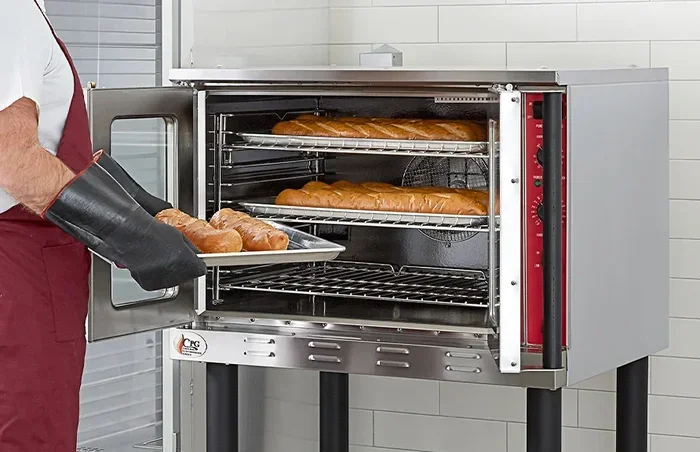
For most dishes, preheat your oven to 400°F. Place the dish on the middle rack for even heat distribution. If you want to speed things up, you can finish under the broiler.
Step 6: Watch the Cheese Closely
This is the most important step. Cheese can go from perfectly browned to burnt very quickly. Set a timer and check the cheese every 2 to 3 minutes once it starts to color. Look for these signs:
- The cheese has bubbled and developed brown spots.
- The edges are golden and slightly crispy.
- The top has a uniform golden color.
When you see these signs, remove the dish immediately. The residual heat will continue to cook the cheese slightly after you take it out.
Step 7: Let It Rest
Let the dish rest for 3 to 5 minutes before serving. This allows the cheese to set slightly. It will be easier to cut and serve. A brief rest also prevents burns from molten cheese.
The Role of Temperature and Timing
Understanding the relationship between temperature and timing is crucial. Different cheeses respond differently to heat. The cheese melting point and browning point are not the same thing.
Most cheeses start to melt around 130°F to 150°F. They begin to brown around 300°F to 350°F. The browning happens because of the sugars and proteins in the cheese reacting with heat. This is called the Maillard reaction.
Here is a comparison of common cheeses and their browning behavior:
| Cheese Type | Melting Point | Browning Time at 400°F | Best For |
|---|---|---|---|
| Aged Cheddar | 150°F | 10-15 minutes | Casseroles, burgers, potatoes |
| Parmesan | 160°F | 5-8 minutes | Pasta, soups, gratins |
| Gruyere | 145°F | 12-18 minutes | Gratins, fondue, baked pasta |
| Low-Moisture Mozzarella | 130°F | 8-12 minutes | Pizza, baked dishes |
| Fontina | 140°F | 10-14 minutes | Sauces, dips, casseroles |
| Aged Gouda | 150°F | 10-15 minutes | Mac and cheese, dips |
As you can see, hard cheeses like parmesan brown faster than soft cheeses. Soft cheeses need more time and lower heat to avoid burning. Keep this in mind when you are planning your dish.
Common Mistakes to Avoid
Even experienced cooks make mistakes when browning cheese. Here are the most common ones and how to avoid them.
Using Pre-Shredded Cheese
Pre-shredded cheese contains cellulose and anti-caking agents. These ingredients prevent the cheese from melting smoothly. They also create an uneven browning pattern. Always grate your cheese fresh for the best results.
Overloading the Dish
Putting too much cheese in the dish is a common mistake. A thick layer takes too long to cook through. The top burns before the inside melts. Keep the cheese layer thin and even.
Setting the Temperature Too High
Cranking the oven to maximum heat seems like a shortcut. But it often leads to burnt cheese. High heat browns the outside while leaving the inside cold and unmelted. Stick to 375°F to 425°F for the best oven-browned cheese.
Not Covering the Dish First
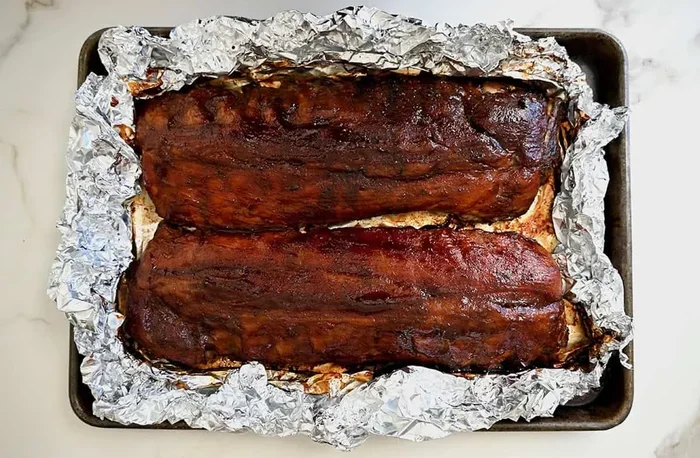
If you are browning cheese on a casserole, cover the dish with foil for the first part of cooking. This traps moisture and helps the cheese melt evenly. Remove the foil in the last few minutes to allow browning.
Opening the Oven Door Too Often
Every time you open the oven door, heat escapes. This slows down the cooking process and can lead to uneven browning. Trust your timer and only open the door when you need to check the cheese.
Pro Tips for Perfect Browned Cheese
Here are some expert tips that will take your browned cheese to the next level:
- Use a mix of cheeses: Combining mozzarella with parmesan gives you stretch and browning in one layer.
- Brush with butter: A light brush of melted butter on the cheese helps it brown faster and adds flavor.
- Add a pinch of paprika: This spice adds color and a smoky flavor that complements browned cheese.
- Let cheese come to room temperature: Cold cheese takes longer to melt and brown. Take it out of the fridge 15 minutes before cooking.
- Use parchment paper: If you are using a toaster oven or want easy cleanup, check is parchment paper toaster oven safe before lining your pan.
- Finish with a torch: A kitchen torch gives you precise control over browning. This is great for small portions.
- Pair with starchy sides: How long do potatoes take to cook in the oven is a common question. Roasted potatoes make an excellent side dish for any cheese-browned main course.
One of my favorite tricks is to mix aged cheddar with a small amount of cream cheese. The cream cheese adds moisture and helps the cheddar brown more evenly. It is a small change that makes a big difference.
Another tip is to use the broiler for the final step. Cook your dish at 400°F until the cheese is fully melted. Then switch to the broiler for the last 2 to 3 minutes. This gives you a beautiful golden crust without overcooking the inside.
If you love baked brie, you will be happy to know that brie browns wonderfully in the oven. Check out how long do I bake brie in the oven for a complete guide on this delicious appetizer.
Dishes That Feature Beautifully Browned Cheese
Now that you know how to brown cheese, here are some dishes where this technique shines:
- Cheese Gratin: A classic French dish with a golden, crispy cheese crust on top of sliced potatoes or vegetables.
- Mac and Cheese: A baked version with a browned parmesan topping takes this comfort food to the next level.
- Cheese Soufflé: A light, airy dish with a beautifully browned top.
- Cheese-Stuffed Burgers: A golden cheese crust on a juicy burger is irresistible. You can learn more about cooking steak burgers in the oven here.
- Cheese Dip: A warm, bubbly cheese dip with a browned top is perfect for parties.
- Lasagna: A golden cheese layer on top of lasagna adds both flavor and visual appeal.
Each of these dishes benefits from the same basic technique. Prepare your cheese, spread it evenly, and use the right temperature. The results will be consistently delicious.
Cleaning Up After Browning Cheese
Browned cheese can leave a mess in your oven. Cheese drips and bubbles can stick to oven racks and trays. Here are some tips for easy cleanup:
- Line your baking sheet with foil or parchment paper before cooking.
- Soak your oven-safe dish in warm water right after cooking. This loosens stuck-on cheese.
- For toaster ovens, regular cleaning keeps them working well. You can find tips on how to clean Hamilton Beach toaster oven if you use that model.
- Use a non-abrasive scrubber to avoid scratching your dishes.
Clean up right after cooking while the cheese is still warm. It comes off much easier than if you let it cool and harden.
Conclusion
How to make cheese brown in oven is a simple skill that transforms everyday meals. The key is choosing the right cheese, setting the correct temperature, and watching the cheese closely. With practice, you will get a feel for exactly when your cheese is perfectly golden.
Remember to grate your cheese fresh, spread it in a thin even layer, and use temperatures between 375°F and 425°F. The broiler is your best friend for the final touch of browning. Avoid common mistakes like using pre-shredded cheese or setting the heat too high.
Browned cheese adds flavor, texture, and beauty to any dish. From casseroles to gratins to simple baked snacks, the technique works every time. Start with the cheeses we recommended, follow the steps in this guide, and you will be making perfectly browned cheese in no time.
So go ahead and fire up your oven. Pick your favorite cheese, and try it today. Once you master this simple technique, you will never go back to plain melted cheese again.
Frequently Asked Questions
What temperature should I use to brown cheese in the oven?
The best temperature for browning cheese is between 375°F and 425°F. For most dishes, 400°F works perfectly. If you want faster browning, you can finish under the broiler for the last 2 to 3 minutes.
How long does it take for cheese to brown in the oven?
Cheese typically takes 10 to 15 minutes to brown at 400°F. Thin layers of hard cheeses like parmesan may brown in as little as 5 to 8 minutes. Soft cheeses take a bit longer, around 12 to 18 minutes.
Can I use any cheese for browning in the oven?
Not all cheeses brown equally well. Aged cheddar, parmesan, gruyere, fontina, and aged gouda are the best options. Fresh mozzarella and very soft cheeses do not brown as well because of their high moisture content.
Why did my cheese burn instead of brown?
Cheese usually burns when the temperature is too high or when the layer is too thick. It can also happen if you leave it in the oven too long. Always watch your cheese closely and set a timer.
Should I cover my dish when browning cheese?
Yes, covering the dish with foil for the first part of cooking helps the cheese melt evenly. Remove the foil in the last few minutes to allow the top to brown. This gives you the best of both worlds.
Can I brown cheese in a toaster oven?
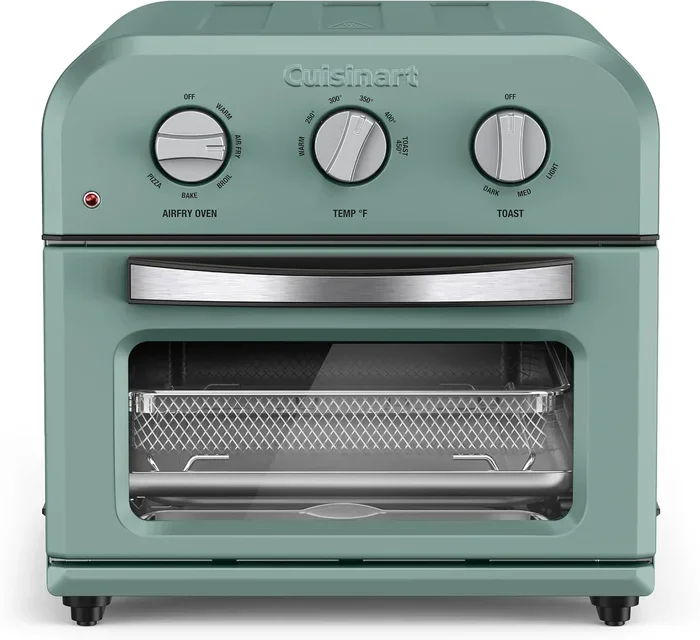
Yes, you can brown cheese in a toaster oven. Use the same temperatures and techniques as a regular oven. Just keep in mind that toaster ovens heat up faster, so check the cheese a few minutes earlier than you would in a full-size oven.