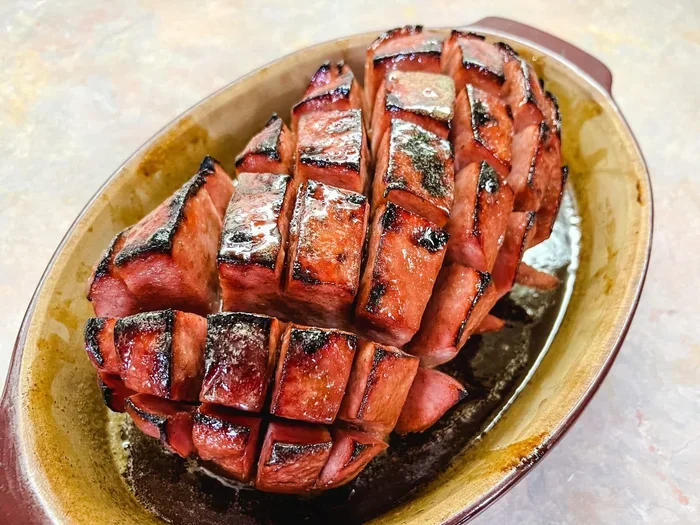
How To Cook Small Boneless Ham In The Oven With Glaze
This guide shows you exactly how to cook small boneless ham in the oven with glaze. You’ll learn the perfect oven temperature, cooking time, and a sweet, sticky glaze that turns a simple ham into a showstopper. Follow these easy steps for a juicy, flavorful centerpiece every time.
There’s something magical about a small boneless ham in the oven. It fills the kitchen with a sweet, smoky aroma that instantly makes the house feel like a holiday gathering. If you’ve ever wondered how to cook small boneless ham in oven with glaze, you’re in the right place. This method is simple, forgiving, and delivers a juicy centerpiece every time.
You don’t need a fancy spiral ham or a lot of experience—just a basic oven, a little patience, and a great glaze. A boneless ham is perfect for smaller gatherings because it fits easily in most ovens and slices neatly. Plus, the glaze adds a beautiful caramelized crust that everyone loves.
In this guide, I’ll walk you through every step. You’ll learn how to pick the right ham, make a delicious glaze, and bake it to perfection. Whether it’s Easter, Christmas, or a Sunday dinner, this boneless ham recipe will become a family favorite. Let’s get started.
Key Takeaways
- Pick the right size: A 3–4 pound boneless ham feeds 6–8 people comfortably.
- Score the ham: Cut shallow diamonds to help the glaze soak in.
- Use a simple glaze: Brown sugar, mustard, and cloves create a classic flavor.
- Cook low and slow: 325°F for about 15–18 minutes per pound keeps it juicy.
- Rest before slicing: Let the ham sit for 15 minutes so juices redistribute.
- Save the drippings: They make a quick pan sauce for sides or sandwiches.
📑 Table of Contents
How To Cook Small Boneless Ham In Oven With Glaze: The Complete Guide
Cooking a small boneless ham in the oven with glaze is easier than you think. The process relies on gentle heat and a sticky sweet coating. You end up with a ham that’s tender, juicy, and full of flavor. This guide breaks it down into simple steps you can follow with confidence.
Why This Method Works
An oven-baked boneless ham stays moist because the heat surrounds it evenly. Unlike a grill or smoker, your oven gives you complete control. You can baste it often and adjust the temperature if needed. The glaze forms a protective layer that locks in moisture. This method also lets you add cloves, pineapple rings, or cherries for a classic look.
What You’ll Need
Gather these items before you start:
- A small boneless ham (3–4 pounds)
- A shallow baking pan or roasting dish
- Aluminum foil
- A basting brush or spoon
- A meat thermometer
- Your favorite glaze ingredients
Common Mistakes To Avoid
Even simple recipes have pitfalls. Here are a few to watch for:
- Skipping the score: A scored ham absorbs more glaze and cooks more evenly.
- Using too high heat: High temperatures dry out the meat fast. Stick to 325°F.
- Adding glaze too early: Sugar burns if you apply it at the start. Wait until the last 30 minutes.
- Not resting the ham: Cutting too soon releases all the juices. Always let it rest.
Quick Tips
Keep these handy while you cook:
- Room temperature ham cooks more evenly. Take it out 30 minutes before baking.
- Use a disposable foil pan for easy cleanup.
- Reserve a cup of glaze before adding it to the hot ham, in case it needs more later.
- If the ham browns too fast, tent it loosely with foil.
Selecting The Perfect Small Boneless Ham
The right ham makes all the difference. You want a piece that fits your oven and feeds your guests. A boneless ham is great for slicing and serving. It also reheat well for leftovers. Here’s how to choose the best one.
Boneless vs. Spiral Ham
A spiral ham comes pre-sliced and bone-in. It’s convenient but can be pricey. A boneless ham is often more affordable and easier to carve. It also absorbs glaze better because there’s no bone blocking the surface. For a small gathering, a boneless ham is the smarter choice.
What Size Should You Buy?
Aim for 3 to 4 pounds. That feeds about 6 to 8 people with leftovers. Check the package weight, not the net weight after trimming. If you have a small oven, a 2–3 pound ham works perfectly. Make sure it fits with a few inches of space for air to circulate.
Expert Insight: Choosing A Quality Ham
Look for a ham labeled “fully cooked” or “cured.” You just need to heat it through. Check the ingredients for natural smoke flavor and minimal additives. A ham with a good fat cap stays juicier during baking. If you can, choose a ham that has been aged or smoked for deeper flavor.
Crafting A Flavorful Ham Glaze
The glaze is the star of the show. It adds sweetness, tang, and a beautiful shine. You can make a simple glaze in minutes. Here are three classic recipes to try. Pick the one that suits your taste.
Classic Brown Sugar Mustard Glaze
This is the most popular glaze for a reason. It’s sweet, a little tangy, and full of warmth.
- 1/2 cup brown sugar
- 2 tablespoons whole grain mustard
- 1 tablespoon apple cider vinegar
- 1/4 teaspoon ground cloves
Mix everything in a small bowl until smooth. If it’s too thick, add a teaspoon of water. This glaze caramelizes beautifully in the oven.
Pineapple Bourbon Glaze
For a tropical twist, try this one. It pairs perfectly with a smoked ham.
- 1/2 cup pineapple juice
- 2 tablespoons bourbon
- 1/4 cup brown sugar
- 1 tablespoon Dijon mustard
Simmer the juice and bourbon in a small saucepan until reduced by half. Stir in the sugar and mustard. Let it cool before brushing on the ham.
Honey Clover Glaze
This one is light and floral. It’s great for a spring or summer meal.
- 1/3 cup honey
- 2 tablespoons cream cheese, softened
- 1 tablespoon fresh parsley, chopped
- 1 teaspoon lemon zest
Beat the cream cheese until smooth, then mix in the honey, parsley, and lemon zest. It creates a creamy, sweet coating that melts into the ham.
Comparison Table
| Glaze | Key Ingredients | Flavor Profile | Best For |
|---|---|---|---|
| Brown Sugar Mustard | Brown sugar, mustard, vinegar, cloves | Sweet, tangy, warm | Classic holiday hams |
| Pineapple Bourbon | Pineapple juice, bourbon, brown sugar, mustard | Tropical, smoky, rich | Smoked or cured hams |
| Honey Clover | Honey, cream cheese, parsley, lemon zest | Light, creamy, fresh | Spring or summer dinners |
Oven Temperature And Cooking Time For Boneless Ham
Getting the temperature and timing right is the key to a juicy ham. A low, steady heat lets the meat cook evenly. You don’t want to rush it. Here’s everything you need to know.
The Ideal Oven Setting
Preheat your oven to 325°F. This is the sweet spot for ham. It cooks the meat gently without drying it out. If your oven runs hot, use an oven thermometer to check accuracy. A rack in the lower third of the oven works best. It keeps the ham away from the top heat element.
How Long To Cook Small Boneless Ham
A 3–4 pound boneless ham needs about 15 to 18 minutes per pound. That’s roughly 50 to 70 minutes total. Here’s a quick breakdown:
- 2-pound ham: 30–35 minutes
- 3-pound ham: 45–55 minutes
- 4-pound ham: 60–70 minutes
Always use a meat thermometer. The internal temperature should reach 140°F for a fully cooked ham. If you prefer it hotter, aim for 145°F. The meat will be tender and juicy either way.
Checking Internal Temperature
Insert the thermometer into the thickest part of the ham. Avoid touching the bone or the pan. Check in the last 15 minutes of cooking. If the ham is already at 140°F, you can pull it out and let the carryover heat finish the job. The temperature will rise about 5°F while resting.
Quick Tips For Perfect Timing
- Start checking the temperature 10 minutes before the expected finish time.
- If the ham is browning too fast, cover it loosely with foil.
- Let the ham rest for 15 minutes after removing it from the oven.
- Save the pan juices for a quick sauce or gravy.
Glazing And Finishing Your Ham To Perfection
The glaze goes on in stages. This creates layers of flavor and a glossy finish. You don’t want to add it all at once. Here’s the right way to do it.
When And How To Apply The Glaze
Apply the first coat of glaze about 30 minutes before the ham is done. This gives the sugar time to caramelize without burning. Use a basting brush to spread a thin, even layer over the top and sides. Then add a second coat 15 minutes later. A third coat in the final 10 minutes gives a deep, sticky shine.
Basting Tips For A Sticky Finish
Basting keeps the ham moist and builds flavor. Spoon the pan juices over the ham every 15 minutes. You can also mix a little extra glaze into the pan juices for a richer coating. If the glaze starts to darken too quickly, tent the ham with foil. This slows down the browning while the inside finishes cooking.
Resting The Ham
Once the ham hits 140°F, take it out of the oven. Cover it loosely with foil and let it rest for 15 minutes. This is crucial. The juices settle back into the meat, making every slice moist. Don’t skip this step. It makes a big difference in texture.
Serving Ideas And Leftover Magic
A beautiful ham deserves a great presentation. And the leftovers are just as delicious as the first night. Here’s how to serve and save it.
Carving A Boneless Ham
A boneless ham is easy to slice. Use a sharp carving knife and cut against the grain. This gives you tender pieces that aren’t stringy. If you scored the ham before baking, the slices will naturally follow the diamond pattern. Arrange the slices on a platter and spoon any remaining pan juices over the top.
Creative Ways To Use Leftover Ham
Leftover ham is a gift. Here are some ideas:
- Ham and cheese omelet: Dice the ham and add it to eggs with cheddar and peppers.
- Ham soup: Simmer leftover ham with potatoes, carrots, and onion in chicken broth.
- Ham sliders: Slice the ham thin, pile it on soft buns with pineapple chutney.
- Ham fried rice: Stir-fry cold rice with ham, peas, and scrambled egg.
- Ham and bean stew: Add cubed ham to white beans with tomatoes and herbs.
These ideas turn one ham into several meals. Your family will love the variety, and you’ll cut down on food waste.
Conclusion
Now you know exactly how to cook small boneless ham in oven with glaze. It’s a simple process that yields impressive results. From picking the right ham to making a perfect glaze, every step is easy to follow. The low oven temperature and patient baking keep the meat juicy. The glaze adds a sweet, sticky crust that makes the ham the star of the table.
Try this recipe for your next holiday or family dinner. You’ll feel confident and proud when you serve a beautiful, flavorful ham. Remember to rest the ham before slicing and save those leftovers for delicious meals all week long. Happy cooking!
Frequently Asked Questions
Can I use a bone-in ham instead of a boneless ham?
Yes, you can. Bone-in ham has more flavor but takes longer to bake. The bone acts as an insulator, so the meat around it stays extra juicy. Adjust the cooking time by adding about 5 minutes per pound. A boneless ham is still easier to slice and glaze evenly.
What temperature should a small boneless ham be when done?
The internal temperature should reach 140°F for a fully cooked ham. If you like it a bit warmer, 145°F is also safe. Use a meat thermometer inserted into the thickest part. The temperature will continue to rise a few degrees while the ham rests.
How far in advance can I prepare the ham?
You can bake the ham a day ahead. Let it cool completely, then wrap it tightly in plastic wrap and foil. Refrigerate it overnight. Reheat gently in the oven at 300°F until it reaches 140°F inside. Apply fresh glaze before serving for the best flavor.
What if my ham is too salty?
Soak the ham in cold water for 2–4 hours before baking. Change the water halfway through. This draws out excess salt. You can also add a bit more brown sugar or honey to your glaze to balance the saltiness.
Can I freeze leftover ham?
Absolutely. Wrap sliced ham tightly in plastic wrap and place it in a freezer bag. It keeps for up to 3 months. Thaw it in the refrigerator overnight before using. Frozen ham works great in soups, omelets, and casseroles.
Do I need to add water to the baking pan?
No, you don’t need to add water. The ham will release its own juices. Adding water can make the glaze watery and prevent caramelization. If the pan looks dry, you can add a splash of apple juice or pineapple juice for extra flavor, but it’s not necessary.