What Is A Good Keep Warm Temperature In Oven Setting
The best keep warm temperature in oven is between 170°F and 200°F (75°C to 93°C). This range keeps food safe, moist, and ready to serve without overcooking. Whether you use a full-size oven or a toaster oven, understanding your warm setting is essential for hosting and meal prep.
Finding the right keep warm temperature in oven setting can make or break your meal. Whether you are preparing a big family dinner or hosting a weekend buffet, keeping food at the perfect serving temperature matters a lot. Nobody wants dry, overcooked meat or cold sides when guests sit down at the table.
The good news is that warming food in the oven is simple once you know the basics. This guide walks you through everything you need to know about low oven temperature settings, safe holding ranges, and practical tips that work every time. You will learn exactly what degrees to use, how long food stays safe, and how to avoid the most common mistakes people make.
We also cover how this applies to different oven types, including full-size ovens and compact models. If you have ever wondered about using a plate in the oven to keep a dish warm, we address that too. By the end of this article, you will feel confident using your oven’s warm setting for any occasion.
Key Takeaways
- Safe Range: The ideal keep warm temperature in oven is 170°F to 200°F to prevent bacterial growth while avoiding dried-out food.
- Oven Thermometer Matters: A standalone oven thermometer ensures your actual temperature matches the dial setting.
- Cover Your Dishes: Using foil or a lid traps moisture and keeps food from drying out during long hold times.
- Avoid Above 200°F: Temperatures above 200°F will start cooking food further, leading to tough or burnt results.
- Use Oven-Safe Containers: Not every dish goes in the oven. Check if your dish is oven-safe before placing it inside.
- Toast Oven Works Too: Many toaster ovens have a dedicated warm function that works well for small batches.
- Two-Hour Rule: Per food safety guidelines, do not keep food warm in the oven for more than two hours before discarding.
📑 Table of Contents
- What Is A Good Keep Warm Temperature In Oven?
- How Oven Warm Settings Work
- Best Practices For Keeping Food Warm
- Food Safety Guidelines For Warm Holding
- Common Mistakes People Make When Warming Food
- Oven Types And Their Warming Capabilities
- Energy Tips For Using The Oven Warm Setting
- What To Serve After Keeping Food Warm
- Final Thoughts
What Is A Good Keep Warm Temperature In Oven?
The keep warm temperature in oven setting refers to a low heat level that maintains cooked food at a safe serving temperature. This is not a cooking temperature. It is a holding temperature designed to keep your meal ready without continuing to cook it.
Most experts agree that the sweet spot falls between 170°F and 200°F (about 75°C to 93°C). At this range, food stays above the danger zone of 40°F to 140°F where bacteria multiply quickly. Your dishes remain hot, moist, and delicious for hours.
Different ovens handle this differently. Some ovens have a dedicated “Warm” setting that automatically holds around 170°F. Others require you to manually set a low temperature. Understanding your specific oven model helps you get the best results.
Why Temperature Control Matters
Temperature control is the backbone of food safety and quality. When you set your oven too high for warming, you risk overcooking proteins and drying out vegetables. When you set it too low, food may drop into the bacterial danger zone.
The USDA recommends that hot foods be held at or above 140°F. However, 140°F is the minimum. For a truly enjoyable eating experience, you want food closer to 165°F to 175°F. This ensures every bite feels warm and satisfying from the first plate to the last.
Using an oven thermometer takes the guesswork out of the equation. Many ovens have inaccurate temperature gauges. A simple thermometer placed inside your oven can confirm whether your warm setting truly holds the right degrees.
How Oven Warm Settings Work
Most modern ovens come with a warm setting or a low-temperature range designed specifically for holding food. These settings work differently depending on the oven type and brand. Let us break down how they function and what to expect.
Dedicated Warm Setting
Many ovens feature a button labeled “Warm” or a symbol that looks like a small flame. When you press this, the oven typically maintains a temperature around 170°F. This is a built-in safety feature that prevents the oven from reaching cooking temperatures.
This setting is perfect for casseroles, roasted vegetables, and bread rolls. It uses a lower wattage and cycles the heating element on and off to maintain a steady temperature. The result is gentle, even warmth without hot spots.
Manual Low-Temperature Setting
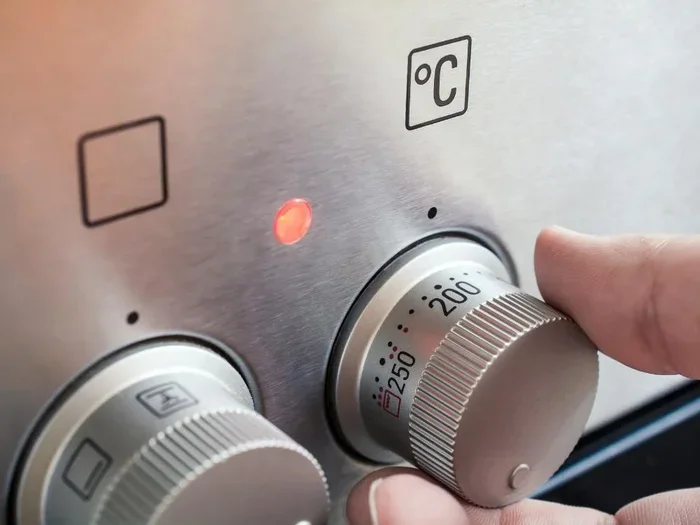
If your oven does not have a dedicated warm button, you can use the manual temperature dial. Set it to the lowest possible setting, which usually falls between 150°F and 200°F. Some ovens go as low as 150°F, while others bottom out at 170°F.
When using a manual setting, keep the door slightly ajar if you need to release excess heat. This prevents the oven from creeping above 200°F. However, for most situations, keeping the door closed works perfectly fine.
Toaster Oven Warm Functions
Toaster ovens often include a warm function that operates at even lower temperatures, typically around 150°F to 170°F. These compact appliances are excellent for warming small portions or keeping side dishes ready during a meal.
If you are using a toaster oven, you can also explore parchment paper safety when wrapping or lining dishes for warming. This keeps cleanup simple and prevents any unwanted flavors from transferring to your food.
Best Practices For Keeping Food Warm
Simply setting the right temperature is not enough. How you prepare and position your food inside the oven makes a big difference. Follow these proven practices to get consistent, excellent results every time.
Use Oven-Safe Containers
Not every dish or container is safe for oven use. Glass, ceramic, and metal cookware labeled as oven-safe work best for warming food. Avoid plastic containers, melamine dishes, and items with decorative paint that could release harmful chemicals under heat.
If you are unsure whether a dish can go in the oven, check the manufacturer’s guidelines. You can also visit our guide on whether plates are safe in the oven for helpful tips on what works and what does not.
Cover Dishes To Retain Moisture
One of the biggest challenges of keeping food warm is moisture loss. Dry food is unappetizing and tough. Covering your dishes with aluminum foil or a tight-fitting lid traps steam and keeps food juicy.
For roasted meats, tent the foil loosely over the top. This allows air to circulate while still holding in moisture. For baked pasta dishes or casseroles, a snug cover works perfectly to maintain that just-cooked texture.
Stagger Your Timing
Do not put everything in the oven at the same time. Instead, stagger your cooking and warming schedule. Start dishes that need to stay warm first, then add freshly cooked items closer to serving time.
This approach ensures that every dish arrives at the table at peak quality. It also prevents over-warming, which can turn crispy foods soggy and dry out tender proteins.
Preheat The Oven Before Warming
Even for warming, a quick preheat helps. Set your oven to the desired keep warm temperature about 10 to 15 minutes before you plan to place food inside. This ensures the oven reaches a stable temperature before your dish goes in.
While you do not need a full preheat like when baking, a brief warm-up period eliminates cold spots and promotes even heat distribution throughout the oven cavity.
Food Safety Guidelines For Warm Holding
Food safety is critical when holding cooked food at warm temperatures. The last thing you want is to serve a meal that looks and tastes great but poses a health risk. Understanding the rules keeps your family and guests safe.
The Danger Zone Explained
The temperature danger zone for food is between 40°F and 140°F. In this range, bacteria like Salmonella and E. coli can multiply rapidly. The longer food stays in this zone, the higher the risk of foodborne illness.
Your keep warm temperature in oven should always sit above 140°F. The ideal range of 170°F to 200°F keeps you safely above this threshold. Use a food thermometer to check internal food temperatures periodically, especially during long gatherings.
How Long Can Food Stay Warm?
Most food safety experts recommend that hot food be held in the oven for no more than two hours. After two hours, the risk of bacterial growth increases significantly. If your event runs longer, plan to refresh dishes with freshly cooked batches.
For shorter gatherings, two hours is usually plenty. Keep a close eye on the clock, especially during holiday meals or potluck events where dishes may sit out for extended periods.
Internal Temperature Checks
The oven air temperature is not the only number that matters. The internal temperature of the food itself must reach at least 165°F for safe serving. Invest in a quick-read digital thermometer and check multiple spots in each dish.
This is especially important for thick items like roasts, casseroles, and stuffed dishes. The center of the food takes longer to heat through than the edges, so thorough checking is essential.
Common Mistakes People Make When Warming Food
Even experienced cooks sometimes make errors when using the oven to keep food warm. Recognizing these mistakes helps you avoid them and achieve better results every time.
Setting The Temperature Too High
The most common mistake is setting the oven too hot for warming. Temperatures above 200°F will continue cooking your food, leading to dried-out meats, rubbery proteins, and overcooked vegetables. Stick to the 170°F to 200°F range for best results.
If you accidentally set the temperature too high, do not panic. Remove the food, let it rest for a few minutes, and re-check. A quick rest can often rescue food that has been slightly over-warmed.
Forgetting To Check Food
Once food goes in the oven, it is easy to forget about it. But checking periodically ensures your food stays at the right temperature and does not dry out. Set a timer on your phone to remind yourself to check every 30 minutes.
A quick peek also lets you adjust foil covers or rotate dishes for more even warming. These small actions make a surprisingly big difference in the final quality of your meal.
Using The Wrong Container
As mentioned earlier, not all containers are oven-safe. Using the wrong dish can lead to cracking, melting, or even releasing harmful chemicals into your food. Always double-check container labels before placing them in the oven.
For best results, use glass baking dishes, ceramic stoneware, or stainless steel pans. These materials distribute heat evenly and handle low warming temperatures without any issues.
Overcrowding The Oven
Stuffing too many dishes into the oven blocks airflow and creates uneven warming. Hot spots develop in some areas while other spots stay cool. Give each dish enough space for air to circulate freely around it.
If you need to warm multiple dishes, consider rotating them halfway through the holding period. This simple step promotes even heat exposure and keeps everything at a consistent temperature.
Oven Types And Their Warming Capabilities
Not all ovens are created equal. Different types of ovens offer different warming features and capabilities. Understanding what your oven can do helps you use it more effectively for keeping food warm.
| Oven Type | Typical Warm Range | Best For | Notes |
|---|---|---|---|
| Standard Full-Size Oven | 170°F – 200°F | Large meals, multiple dishes | Use a thermometer for accuracy |
| Toaster Oven | 150°F – 170°F | Small portions, side dishes | Great for quick warming tasks |
| Convection Oven | 170°F – 200°F | Even warming, large batches | Fan promotes consistent heat |
| Gas Oven | 170°F – 190°F | Roasts, casseroles | May have hot spots; rotate dishes |
| Microwave (for comparison) | N/A | Quick individual portions | Not an oven; included for reference |
Each oven type has strengths and limitations. A convection oven excels at even heat distribution, making it ideal for warming multiple dishes simultaneously. A toaster oven works well for small tasks and uses less energy than heating a full-size oven.
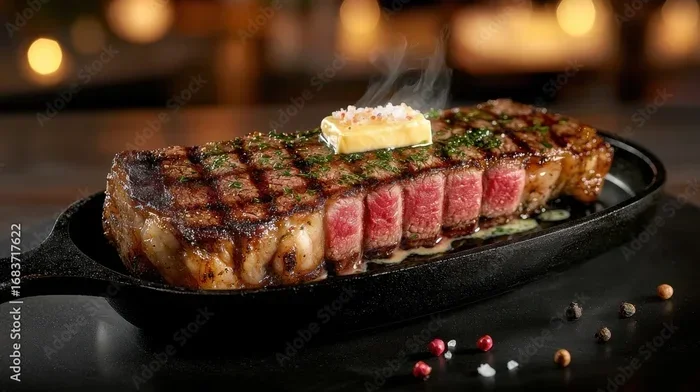
If you are cooking specific recipes in your oven, understanding temperature settings helps. For example, if you are preparing Omaha steak burgers or filet mignon, knowing the difference between cooking temperature and keep warm temperature ensures perfect results at every stage.
Energy Tips For Using The Oven Warm Setting
Using your oven to keep food warm does consume energy. Here are some practical tips to keep your energy usage efficient while still maintaining food quality.
- Use the smallest oven possible: A toaster oven uses less energy than a full-size oven for small warming tasks.
- Keep the door closed: Every time you open the oven door, heat escapes and the oven works harder to recover.
- Turn off early: Many dishes retain heat for 10 to 15 minutes after the oven is off. Turn off the oven slightly before serving and let residual heat finish the job.
- Batch your warming: Warm multiple dishes in one session rather than running the oven several times.
- Clean your oven regularly: A clean oven heats more efficiently. Check out our guide on cleaning your Hamilton Beach toaster oven for step-by-step instructions.
What To Serve After Keeping Food Warm
Once your food has been held at the proper keep warm temperature in oven, serving it correctly matters just as much. Presentation and timing affect how your guests experience the meal.
Serve hot dishes within 15 minutes of removing them from the oven. This window ensures food is still piping hot and at its best flavor and texture. For buffet-style meals, set up warming trays or chafing dishes near the serving area to maintain temperature during the meal.
If you are warming side dishes like roasted potatoes, check our guide on how long potatoes take to cook in the oven for timing tips that help you plan your warming schedule perfectly.
Final Thoughts
Mastering the keep warm temperature in oven setting is one of the simplest yet most valuable kitchen skills you can develop. Whether you are preparing a holiday feast, hosting a dinner party, or simply meal prepping for the week, knowing the right temperature makes everything easier.
Stick to the 170°F to 200°F range, use oven-safe containers, cover your dishes, and check food temperatures regularly. These small habits add up to consistently excellent results. Your food stays safe, moist, and delicious from the moment it leaves the oven to the moment it reaches the table.
Remember, warming food is not about cooking. It is about preserving the quality of the work you have already put in. Treat your oven’s warm setting with the same care and attention you give to your cooking temperatures, and you will always serve meals that impress.
Frequently Asked Questions
What temperature should I set my oven to for keeping food warm?
Set your oven between 170°F and 200°F for the best keep warm results. This range keeps food above the bacterial danger zone without overcooking. Use an oven thermometer to confirm your oven actually holds this temperature.
Can I keep food in the oven overnight?
No, you should not keep food in the oven overnight. Food safety guidelines recommend discarding hot food left in the danger zone or holding it for more than two hours. Plan to refrigerate leftovers promptly after your meal.
Is 250°F too high for a keep warm setting?
Yes, 250°F is generally too high for warming food. It will continue cooking your dish and can dry out proteins and vegetables. Stay in the 170°F to 200°F range for safe and effective food holding.
Can I use aluminum foil to keep food warm in the oven?
Absolutely. Aluminum foil is oven-safe and works great for trapping moisture during the warming process. Tent your foil loosely over dishes to prevent burning while keeping food hydrated and warm.
Do all ovens have a warm setting?
Most modern ovens include a dedicated warm setting or a low-temperature range. However, some older or basic models may not have a specific warm function. In those cases, manually setting the oven to its lowest temperature works as an effective alternative.
How can I check if my food is warm enough to serve?
Use a digital food thermometer to check the internal temperature of your dishes. Food should read at least 165°F at the center before serving. Check multiple spots in thicker dishes to ensure even warming throughout.