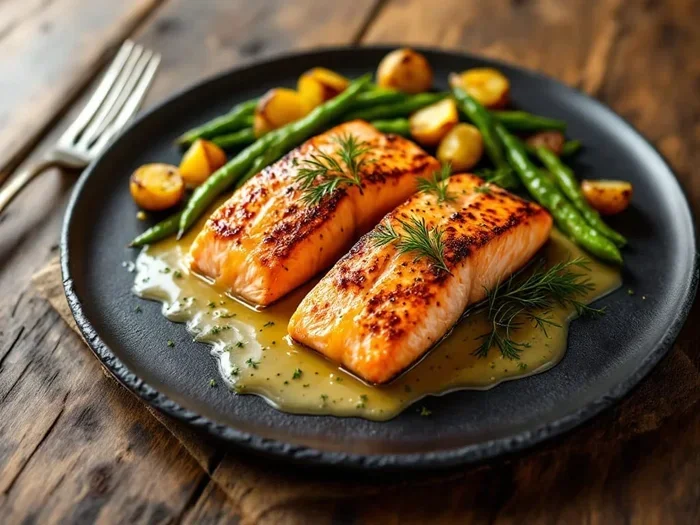
How To Know When Salmon Is Done In Oven The Easy Way
Discover the foolproof ways to tell when salmon is done in oven, from the classic fork test to internal temperature. This guide will help you bake salmon perfectly every time, whether you prefer a moist, pink center or a fully flaky fillet. You’ll learn simple tricks that turn any oven-baked salmon recipe into a success.
Few things feel as satisfying as a perfectly baked salmon dinner. The fish cooks quickly, fills your kitchen with a wonderful aroma, and delivers a healthy protein your whole family will love. Yet, so many home cooks pull their salmon out too early or, worse, let it dry out in the oven. The secret lies in knowing exactly how to know when salmon is done in oven. It is not magic. It is a mix of simple tools, visual cues, and a little practice.
This guide will walk you through every method that works. You will learn the fork test, the thermometer trick, and what to look for in the color and texture of the fish. We will also cover the best oven temperature, cooking times, and common mistakes to avoid. By the end, you will feel confident enough to bake salmon anytime. You will never wonder if your fillet is ready again.
Baked salmon is one of the easiest healthy meals you can make. It is a go-to easy meal for busy weeknights and special occasions alike. Once you master the doneness check, you can experiment with glazes, herbs, and different cuts. The result will always be a moist, flaky fillet that steals the show on your plate.
Key Takeaways
- Use the fork test: Gently press the thickest part of the salmon fillet. If it flakes easily and feels firm yet moist, your fish is done.
- Check internal temperature: A food thermometer should read 145°F (63°C) at the thickest point for safe, perfectly cooked salmon.
- Watch the color: A bright pink center with opaque edges signals ideal doneness for most oven-baked salmon recipes.
- Bake at 400°F: This oven temperature cooks salmon evenly and helps the skin crisp if you are using skin-on salmon.
- Rest the fish: Let baked salmon sit for 5 minutes after removing it from the oven. The carryover heat finishes the cooking gently.
- Avoid overcooking: Pull the salmon off the heat just before it looks fully done. The fish continues to cook on the hot pan.
- Season simply: Olive oil, salt, pepper, and lemon juice bring out the natural flavor of a healthy protein like salmon.
📑 Table of Contents
Why Getting Salmon Right Matters
Salmon is a delicate fish. It changes fast from raw to perfectly cooked to dry. The difference between a great piece of fish and a tough, chalky one often comes down to just a minute or two. Knowing the signs of doneness helps you respect the ingredient and get the best flavor and nutrition.
Salmon is packed with omega-3 fatty acids, protein, and vitamins. Overcooking strips away its moisture and can make the texture rubbery. Undercooking might leave you worried about food safety. The sweet spot is a pink center that is still translucent in the very middle if you like it medium. This is where the flaky texture shines through without the fish falling apart.
Many people rely on cooking time alone, but that can be misleading. The thickness of the fillet, whether it has skin, and your oven’s hot spots all matter. A salmon recipe that only gives minutes without a doneness check is incomplete. You need to see the fish, touch it, and sometimes measure it. That is how you truly know when salmon is done in oven.
How To Know When Salmon Is Done In Oven: The Simple Truth
The answer to this question is not one single trick. It is a combination of three reliable methods. Think of them as your safety net. Use the fork test first, then confirm with a thermometer if you are unsure. Add visual cues and the touch test, and you will never guess wrong again.
The most important thing to remember is that salmon continues to cook after you take it out of the oven. This is called carryover cooking. The internal temperature can rise 5 to 10 degrees while the fish rests. Pulling the fillet off the heat just before it reaches your target doneness is the secret to juicy, restaurant-quality salmon every time.
Here are the four main ways to check doneness:
- The Fork Test: This is the oldest and most intuitive method. You gently press the thickest part of the fillet with a fork or the back of a spoon.
- The Thermometer: An instant-read thermometer gives you a precise number. It removes all guesswork from the equation.
- Visual Cues: You can learn to read the color and opacity of the fish from the outside in.
- The Touch Test: Feeling the firmness of the salmon compares to the firmness of your palm or cheek.
The Fork Test
To perform the fork test, insert a fork into the thickest part of the salmon fillet at an angle. Gently twist or pull the fork back. The fish is done when it flakes into separate, tender pieces with light pressure. If the flesh resists and looks translucent in the middle, it needs more time. The fork test works best for skin-on salmon because the skin holds the fillet together longer, giving you a clear flake pattern.
Do not press too hard. You want to see separation, not a mushy break. A properly done piece of baked salmon will look moist and shiny right before you cut into it. If it looks dry and dull on the surface, you have probably left it too long.
Using a Thermometer
A thermometer is the most accurate way to measure internal temperature. Insert the probe into the thickest part of the fillet, away from the bone if there is one. The USDA recommends a final temperature of 145°F (63°C). However, many chefs prefer to pull the salmon at 125°F (52°C) for a medium-rare center and let it rest. That gives you a pink center that is buttery and moist.
If you do not have a thermometer, you can still use the other methods. But buying an instant-read thermometer is one of the best small kitchen investments you can make. It works for chicken, steak, and pork too. It takes the stress out of cooking any healthy protein.
Visual Cues and Color
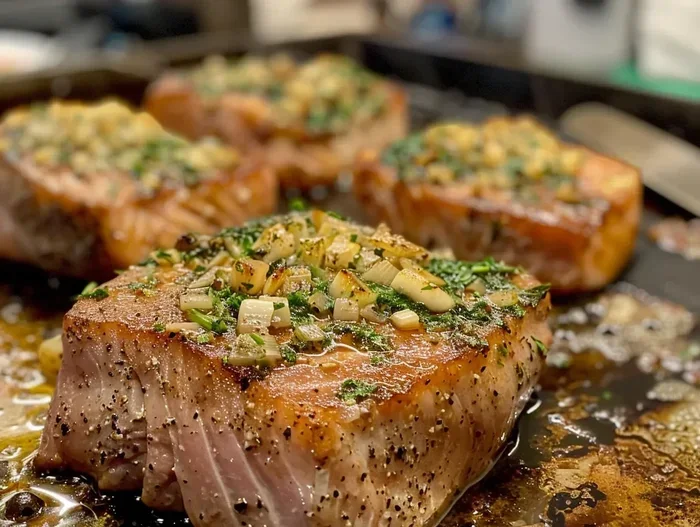
Look at the salmon from the side. A raw fillet is deep red or orange and completely translucent. As it cooks, the color changes from the outside in. The edges turn opaque and a lighter pink or tan. The center remains a brighter, more translucent pink when the fish is medium. Fully cooked salmon is opaque pink throughout.
Watch for the albumin, which is the white protein that sometimes leaks out on the surface. This is completely normal and safe to eat. It appears when the fish is overcooked or when the heat is too high. If you see a lot of albumin, your oven-baked salmon may be slightly past its prime, but it is still safe to eat.
The Touch Test
The touch test uses your sense of touch to judge firmness. Raw salmon feels very soft and almost mushy. A fully cooked fillet feels firm but still gives slightly under pressure. A medium-cooked piece feels like the base of your thumb when you touch your thumb to your index finger. A well-done piece feels like the base of your thumb when touching your pinky.
This method takes a little practice, but it is very useful when you are cooking without a thermometer. Just remember that the salmon will firm up a bit as it rests on the hot pan. Use a light touch.
| Doneness Level | Internal Temp | Color | Texture |
|---|---|---|---|
| Rare | 110–115°F (43–46°C) | Deep red, translucent | Very soft, raw feel |
| Medium-Rare | 120–125°F (49–52°C) | Bright pink, translucent center | Soft, buttery, moist |
| Medium | 130–135°F (54–57°C) | Opaque pink, slightly translucent | Firm but tender |
| Well-Done | 145°F (63°C) | Opaque pink throughout | Firm, flaky, may be dry |
The Perfect Oven Temperature for Salmon
Setting the right oven temperature is half the battle. Too low, and the salmon dries out before the center cooks. Too high, and the outside burns while the inside stays raw. The magic number for most oven-baked salmon is 400°F (200°C).
Why 400°F Is the Sweet Spot
At 400°F, the heat circulates evenly around the fillet. This cooks the salmon quickly enough to lock in moisture but slowly enough to finish the center gently. The skin, if you are using skin-on salmon, becomes beautifully crispy without burning. The fillet develops a light glaze if you use a little olive oil and seasoning.
This temperature also works well for both thin and thick fillets. A 1-inch thick piece of salmon will cook in about 12 to 15 minutes. A thicker 1.5-inch fillet might need 18 to 20 minutes. You can always adjust the time based on the doneness checks you just learned.
Adjusting for Thickness and Skin-On Salmon
If your salmon fillet is very thin, say half an inch, you can drop the temperature to 375°F and cook it for 8 to 10 minutes. Thin pieces overcook fast, so watch them closely. For skin-on salmon, start with the skin side down on a lined baking sheet. The skin acts as a protective layer and keeps the delicate flesh moist. You can also place the fillet on a piece of parchment paper for easy cleanup.
Some people like to broil the salmon for the last 2 minutes to get extra crispy skin. Just stay by the oven for this. The broiler is intense and can burn the fish in seconds. This trick works best for fillets that are already almost done in the oven.
How Long to Bake Salmon in the Oven
Cooking time depends on three things: the thickness of the fillet, the oven temperature, and your desired doneness. A general rule of thumb is to bake salmon at 400°F for 12 to 15 minutes per inch of thickness. This is a starting point, not a guarantee. Always use a doneness check to confirm.
Here is a simple guide for a standard 1-inch thick fillet at 400°F:
- 12 minutes: Medium-rare. The center will be bright pink and translucent. The fillet feels soft to the touch.
- 14 minutes: Medium. The center is opaque pink and just slightly translucent. The texture is firm but moist.
- 16 minutes: Well-done. The entire fillet is opaque and flakes easily. This is the safest temperature but can be drier.
If you are using a glazed salmon recipe, add the glaze in the last 5 minutes of cooking. Sugar-based glazes can burn if they go on too early. A simple glaze of honey, soy sauce, and Dijon mustard adds a beautiful caramelized finish without overcooking the fish.
Remember that the cooking time also includes the resting period. When you pull the salmon out, it continues to cook for another 5 minutes. So if you want a medium finish, pull it at 12 minutes and let it rest. The internal temperature will rise to the medium range on its own.
Tips for Perfect Oven-Baked Salmon Every Time
Even with the right temperature and time, small details can make a big difference. These quick tips will help you nail the perfect salmon dinner every single time.
Skin-On vs. Skinless: Which Is Better?
Both skin-on and skinless salmon work great in the oven. Skin-on is more forgiving because the skin protects the fish from direct heat. It also adds a nice crunch and keeps the fillet together. Skinless fillets cook a bit faster and are easier to eat, but they can dry out quicker. If you choose skinless, watch your cooking time closely and use a thermometer to avoid overcooking.
Glazing and Seasoning Ideas
A simple salmon recipe needs very little to shine. Olive oil, salt, pepper, and fresh lemon juice are classic. For something bolder, try a glaze made with maple syrup, soy sauce, garlic, and ginger. Brush it on during the last few minutes of baking. You can also top the fillet with a mix of breadcrumbs, herbs, and a little butter for a crusty finish.
Avoid heavy marinades that contain too much acid, like straight lemon juice, for long periods. Acid can start to cook the fish and make the surface mushy. A light coating of oil and seasoning right before baking is the best approach.
Resting the Fish
Once your oven-baked salmon is done, take it out and let it rest on the pan for 5 minutes. This resting time allows the juices to redistribute throughout the fillet. If you cut into it immediately, the moisture runs out onto the plate, and the fish can seem drier than it actually is. The flaky texture will be more pronounced after a short rest.
Quick Tip: If you are cooking multiple fillets, arrange them in a single layer with space between each piece. Crowding the pan traps steam and can make the skin soggy. Use two baking sheets if needed. Even heat circulation is the key to crispy skin and even doneness.
Common Mistakes That Ruin Baked Salmon
Knowing what not to do is just as important as knowing the right steps. Avoid these common pitfalls, and your baked salmon will turn out perfectly every time.
- Starting with cold fish: Take the salmon out of the fridge 15 to 20 minutes before baking. A cold fillet cooks unevenly, with a raw middle and an overcooked edge. Room temperature fish cooks more evenly.
- Overcrowding the pan: Give each fillet space. Pressed together, the pieces steam instead of roast, and the skin stays soft.
- Using a dark baking pan: Dark pans absorb more heat and can burn the bottom of the salmon. Use a light-colored sheet pan or line your pan with parchment paper or aluminum foil.
- Skipping the doneness check: Relying only on the timer is risky. Every oven is different, and fillets vary in thickness. Always do the fork test or use a thermometer.
- Cooking until it looks fully done in the oven: Remember carryover cooking. Pull the salmon off the heat before it looks completely done. The fish doneness will reach the right level during the resting phase.
- Flipping the salmon halfway: Unlike meat or poultry, salmon does not need to be flipped. The even heat of the oven cooks it perfectly from one side. Flipping can break the fillet and make the skin fall off.
If you make any of these mistakes, do not worry. Salvaging slightly overcooked salmon is still possible. Flake it into a salad, mix it into pasta, or mash it into cakes. The flavor of salmon is forgiving, and a little extra moisture from a sauce can bring it back to life.
Conclusion
Baking salmon in the oven is one of the simplest and most rewarding things you can cook. Once you understand how to know when salmon is done in oven, you will never feel uncertain again. The fork test, the thermometer, the visual cues, and the touch test all work together to tell you exactly when the fish is ready. Pair these checks with the right oven temperature and a little patience, and you will have a baked salmon that is moist, flaky, and full of flavor.
Remember to pull the salmon just before it looks done, let it rest, and enjoy the process. A perfect salmon dinner does not have to be complicated. It just needs a little attention and a lot of confidence. You now have the tools and the knowledge to make that happen every time you step into the kitchen.
So go ahead. Preheat your oven to 400°F. Grab a fresh salmon fillet, season it simply, and put it in the oven. Check it with the fork or a thermometer, and savor the moment when the salmon fillet comes out exactly the way you like it. That is the easy way to bake salmon, and it will change your weeknight dinners forever.
Frequently Asked Questions
What is the best way to check if salmon is done?
The fork test and an instant-read thermometer are the two best methods. Gently press the thickest part of the fillet with a fork. If it flakes easily and feels firm but moist, it is done. A thermometer should read 145°F (63°C) for well-done, or 125°F (52°C) for a medium-rare center.
Can you eat slightly undercooked salmon?
Sushi-grade salmon is safe to eat raw because it has been frozen to kill parasites. For oven-baked salmon, it is best to cook it to at least 145°F internally. If you prefer a medium-rare center, make sure the fish is fresh and of high quality, and keep the internal temperature above 125°F to minimize any risk.
How long does it take to bake salmon at 400°F?
A 1-inch thick fillet typically takes 12 to 15 minutes at 400°F. Thicker fillets may need up to 20 minutes. The exact cooking time depends on the thickness of the fish, whether it has skin, and how done you like it. Always use a doneness check rather than relying only on the clock.
Should you cover salmon with foil when baking?
You do not need to cover salmon with foil for most recipes. Baking it uncovered allows the skin to crisp and the top to develop a light glaze. If you find your salmon drying out too quickly, you can tent it loosely with foil for the last few minutes of cooking, but this can soften the skin.
Why is my baked salmon white and chalky inside?
A white, chalky texture usually means the salmon is overcooked. The proteins in the fish squeeze out moisture when exposed to too much heat. To avoid this, pull the fillet out of the oven when the center is still slightly translucent and let carryover cooking finish the job.
Is it better to bake salmon with skin on or off?
Skin-on salmon is more forgiving in the oven. The skin protects the delicate flesh and keeps it moist. It also becomes crispy and delicious. If you prefer skinless, just watch the cooking time closely because the fillet can dry out faster. Either way works great with the right temperature and doneness check.