How Long To Cook Russet Potatoes In The Oven Perfectly
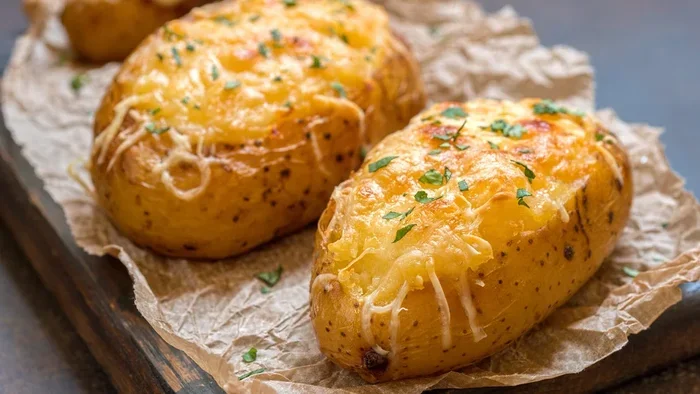
How long to cook russet potatoes in the oven depends on size and temperature, but most potatoes take 45 to 60 minutes at 400°F. Baked russet potatoes turn out best when you wrap them in foil or leave them unwrapped for extra crunch. Follow our easy steps and you will have perfect oven-baked potatoes with golden, crispy skins every single time.
Key Takeaways
- Standard bake time: Most russet potatoes need 45 to 60 minutes at 400°F to cook through.
- Size matters: Larger potatoes take longer, while smaller ones can be done in 30 to 40 minutes.
- Foil vs. no foil: Foil keeps potatoes soft inside, while baking without foil gives crispier skin.
- Check doneness: A fork should slide in easily, and the internal temperature should reach 210°F.
- Prep tips make a difference: Soaking and oiling the skins lead to better texture and flavor.
- Resting is important: Let potatoes sit for 5 minutes after baking for the best fluffy texture.
- Seasoning goes a long way: Simple salt, butter, and herbs elevate baked russet potatoes quickly.
📑 Table of Contents
- How Long To Cook Russet Potatoes In The Oven For Perfect Results
- Why Russet Potatoes Are Perfect For Oven Baking
- Step-By-Step Guide To Baking Russet Potatoes
- Oven Temperature And Time Chart For Russet Potatoes
- Tips For Crispy Skin And Even Cooking
- Common Mistakes People Make When Baking Potatoes
- Serving Ideas And Toppings For Baked Russet Potatoes
- How To Store And Reheat Baked Potatoes
- Health Benefits Of Baked Russet Potatoes
- Conclusion
How Long To Cook Russet Potatoes In The Oven For Perfect Results
If you have ever wondered about how long to cook russet potatoes in the oven, you are not alone. This is one of the most searched questions when it comes to oven-baked potatoes. The good news is that baking russet potatoes is simple, and once you know the basics, you can nail it every time.
The answer to how long to bake russet potatoes usually falls between 45 and 60 minutes at 400 degrees Fahrenheit. However, several factors change this time. Potato size, whether you use foil, and your oven type all play a role. This guide covers everything you need to know about baking russet potatoes in the oven so you get perfect results with no guesswork.
Russet potatoes are the go-to choice for baking. Their thick, starchy interior becomes fluffy when heated. The rough, brown skin gets crispy and adds great texture. Whether you want a simple butter potato or a loaded baked potato, russets deliver the best results. They are affordable, widely available, and incredibly versatile.
Many people overthink the process. They worry about timing, temperature, and prep. But the truth is, oven-baked russet potatoes are one of the easiest dishes you can make. You just need a little patience and the right technique. Let us walk through everything step by step.
Why Russet Potatoes Are Perfect For Oven Baking
Not all potatoes work the same way in the oven. Russets stand out for a few important reasons. Their high starch content creates that fluffy, mallow-like interior we all love. Other potato varieties like red or Yukon Gold have more moisture and stay waxy. This makes them better for boiling or roasting, not baking.
The thick skin of russet potatoes also helps them hold their shape during long cooking times. When you bake russet potatoes, the skin forms a natural barrier. This keeps the inside from drying out. Plus, the rough, netted texture of russet skin crisps up beautifully in a hot oven.
Here is a quick look at why russets are the top choice for oven-baked potatoes:
- High starch content: Creates a fluffy, light interior.
- Thick skin: Becomes crispy and holds the potato together.
- Large size: Makes a satisfying single serving.
- Affordable: Budget-friendly for everyday meals.
- Versatile: Pairs well with almost any topping or seasoning.
Russet Potato Size And How It Affects Cooking Time
The size of your potato matters a lot when you are figuring out how long to cook russet potatoes in the oven. A small potato might be done in 30 minutes, while a large one could need a full hour or more. Here is a general size guide to help you plan.
- Small potatoes (2 to 3 inches): 30 to 40 minutes at 400°F.
- Medium potatoes (3 to 4 inches): 45 to 55 minutes at 400°F.
- Large potatoes (4+ inches): 55 to 75 minutes at 400°F.
If you are cooking multiple potatoes at once, add about 10 to 15 extra minutes. The oven needs to recover heat each time you open the door. Also, placing potatoes too close together blocks hot air circulation. This slows down the baked potato cooking time. Give each potato at least an inch of space on the baking sheet.
Step-By-Step Guide To Baking Russet Potatoes
Now that you know the basics, let us get into the actual process. Following these steps will give you perfectly baked russet potatoes with crispy skin and fluffy insides every time.
Step 1: Choose The Right Potatoes
Start by selecting firm, heavy russet potatoes. Avoid any with green spots, sprouts, or soft spots. Heavy potatoes mean they are full of moisture and will bake evenly. Light, shriveled potatoes have lost moisture and will bake unevenly.
Step 2: Wash And Prep The Potatoes
Rinse each potato under cold water. Use a vegetable brush to scrub off any dirt. Pat them dry with a clean towel. Next, poke several holes in each potato using a fork. This step is crucial. It allows steam to escape during baking. Without these holes, your potato could burst in the oven.
Step 3: Oil And Season The Skins
Drizzle a small amount of olive oil over each potato. Rub it evenly across the skin. This step helps the skin crisp up and turns golden brown. Sprinkle coarse salt over the oiled surface. You can also add black pepper, garlic powder, or paprika at this stage. The oil helps the seasoning stick to the skin.
Step 4: Wrap Or Leave Unwrapped
You have two options here. Wrapping in foil traps moisture and creates a soft, steamed interior. Leaving potatoes unwrapped lets the hot air circulate freely. This produces crispier skin. Both methods work well. It just depends on your personal preference.
If you want crispy potato skins, skip the foil. If you prefer a soft, fluffy texture inside, wrap each potato in aluminum foil. Many people swear by the foil method because it keeps the potato hot for longer once it comes out of the oven.
Step 5: Bake And Check For Doneness
Place the potatoes directly on the oven rack or on a lined baking sheet. Bake at 400°F for the recommended time. After about 45 minutes, check them by gently squeezing the sides. A done potato will feel soft and give slightly. You can also insert a fork or knife. It should slide in with no resistance.
The internal temperature of a baked potato should reach 210°F. If you have a meat thermometer, this is the best way to confirm doneness. The center should feel hot all the way through.
Step 6: Rest And Serve
Once your potatoes are done, let them rest for 5 minutes. This allows the heat to distribute evenly inside. It also makes them easier to handle. Cut a slit in the top and press the ends inward to open the potato. Add your favorite toppings and enjoy.
Oven Temperature And Time Chart For Russet Potatoes
Different temperatures produce different results. Here is a helpful chart to guide your russet potato recipe planning. Use this as a reference the next time you bake potatoes.
- 375°F: 60 to 75 minutes. Slower bake, very fluffy interior.
- 400°F: 45 to 60 minutes. The most popular temperature. Great balance of crispy skin and fluffy inside.
- 425°F: 35 to 50 minutes. Faster bake, extra crispy skin.
- 450°F: 30 to 45 minutes. High heat roast style. Best for smaller potatoes.
The 400°F range is the sweet spot for most home cooks. It heats evenly and gives you that perfect golden brown potato exterior. If you are in a hurry, bump the temperature up to 425°F. Just keep an eye on them so they do not burn.
Remember that convection ovens cook faster than conventional ovens. If you have a convection setting, reduce the time by about 10 to 15 minutes. You may also need to lower the temperature by 25°F. Check your potatoes early to avoid overcooking.
Tips For Crispy Skin And Even Cooking
Getting that perfect crispy skin on your baked russet potatoes is all about technique. Here are some expert tips that make a real difference.
- Soak the potatoes first: Soaking sliced or wedged potatoes in cold water removes excess starch. This leads to crispier results. For whole potatoes, a quick rinse and thorough drying works well.
- Dry the skins completely: Moisture on the surface creates steam. Steam prevents crispiness. Make sure your potatoes are fully dry before oiling and seasoning.
- Use a wire rack: Placing potatoes on a wire rack over a baking sheet allows air to flow underneath. This promotes even browning on all sides.
- Space them apart: Do not crowd the baking sheet. Each potato needs room for hot air to circulate freely.
- Flip halfway through: If you are baking unwrapped, turning the potatoes halfway ensures even browning on all sides.
- Salt early: Salt draws out moisture from the skin. This helps it dry out and become extra crispy during baking.
Foil Vs No Foil: Which Method Is Better?
This is one of the most debated topics in potato baking. Both methods have their strengths. Here is a quick comparison to help you decide.
- Foil method: Traps moisture, creates a steamed interior, keeps potatoes hot longer, soft skin texture.
- No foil method: Allows hot air circulation, produces crispier skin, faster cooking, more rustic texture.
If you love crispy skin, skip the foil. If you want soft, fluffy potatoes that stay warm, wrap them in foil. Many restaurants use the foil method because it keeps potatoes ready to serve for longer periods. At home, choose based on your personal preference.
Common Mistakes People Make When Baking Potatoes
Even simple dishes have common pitfalls. Avoiding these mistakes will save you from disappointing oven-baked potatoes.
Skipping the fork holes. This is the number one mistake. Without holes, steam builds up inside the potato. It can burst open in your oven, making a mess and ruining the skin. Always poke 6 to 8 holes in each potato before baking.
Using the wrong potato variety. Not all potatoes bake well. Waxy potatoes like red bliss hold too much moisture. They stay dense and gooey instead of fluffy. Stick with russets for the best baked potato results.
Overcrowding the pan. When potatoes touch each other, they steam instead of bake. This leads to soggy skin and uneven cooking. Give each potato plenty of space on the baking sheet or oven rack.
Undercooking or overcooking. Every oven is different. The times in recipes are just guidelines. Always check your potatoes by squeezing gently or using a thermometer. An undercooked potato is hard and dense in the center. An overcooked one dries out and turns mealy.
Skipping the oil and salt. Plain potatoes can taste bland. Oil helps the skin crisp up and carry flavor. Salt enhances the natural taste of the potato. These two simple steps make a huge difference in the final result.
Serving Ideas And Toppings For Baked Russet Potatoes
One of the best things about baked russet potatoes is how customizable they are. You can keep it simple or go all out with toppings. Here are some delicious ideas to try.
- Classic butter and sour cream: The timeless favorite. Add chives for extra flavor.
- Loaded baked potato: Top with cheese, bacon bits, chives, and a dollop of sour cream.
- Broccoli and cheese: Steamed broccoli and melted cheddar make a hearty meal.
- Chili potato: Spoon your favorite chili over the top. Add cheese and jalapeños.
- Mediterranean style: Olive oil, feta cheese, tomatoes, and fresh herbs.
- Simple garlic butter: Melted butter with roasted garlic and a sprinkle of parsley.
Baked potatoes also make great side dishes. They pair well with grilled meats, roasted vegetables, and salads. A perfectly baked russet potato can be the star of a simple weeknight dinner or the supporting act at a holiday feast.
How To Store And Reheat Baked Potatoes
If you have leftovers, storing them properly keeps them fresh. Let the potatoes cool completely at room temperature. Wrap each one in plastic wrap or foil and place them in the refrigerator. They will keep for 3 to 5 days.
To reheat, place the potato back in the oven at 350°F for 15 to 20 minutes. This restores the crispy skin and heats the inside evenly. Avoid microwaving if you want to keep the skin crispy. The microwave makes the skin soft and soggy. If you must use a microwave, remove the foil first and heat in short bursts.
You can also freeze baked potatoes. Wrap them tightly in plastic wrap and then in foil. Freeze for up to 3 months. Reheat in the oven at 350°F for about 30 minutes. Remove the wrapping before reheating.
Health Benefits Of Baked Russet Potatoes
Baked russet potatoes are not just delicious. They are also nutritious. A medium baked potato contains about 160 calories. It is fat-free, sodium-free, and cholesterol-free. Potatoes are a good source of vitamin C, potassium, and vitamin B6.
The key to keeping them healthy is what you add on top. Butter, cheese, and sour cream add calories and fat. But a baked potato with a little olive oil, herbs, and vegetables makes a wholesome, balanced meal. The nutritional value of a baked potato makes it a great base for a satisfying dinner.
Conclusion
Now you know exactly how long to cook russet potatoes in the oven and how to get the best results every time. Whether you prefer a 45-minute bake at 400°F or a slower cook at 375°F, the key is to check for doneness. Look for a fork-tender center and a golden, crispy skin. Avoid common mistakes like skipping fork holes or overcrowding the pan. With the right russet potato recipe and a little patience, you will have perfect oven-baked potatoes that rival any restaurant. Try these tips on your next bake and enjoy the difference.
Frequently Asked Questions
Can I bake russet potatoes at 350°F instead of 400°F?
Yes, you can bake russet potatoes at 350°F, but it will take longer. Expect them to need 60 to 75 minutes at this lower temperature. The result is a very fluffy interior, but the skin may not get as crispy. If you have the time, this low-and-slow method works well for large batches.
How do I know when a russet potato is fully cooked?
A fully cooked russet potato will be soft when you squeeze it gently. A fork or knife should slide in with no resistance. The internal temperature should reach 210°F. If you feel any hardness in the center, it needs more time. Always check at the minimum time estimate and add more minutes as needed.
Should I wrap russet potatoes in foil or bake them without it?
It depends on your preference. Foil creates a steamed, soft interior and keeps potatoes hot longer. Baking without foil produces crispier skin and a slightly faster cook time. For the best of both worlds, some cooks start potatoes in foil and remove it for the last 10 minutes to crisp the skin.
Can I bake multiple russet potatoes at once?
Absolutely. You can bake several potatoes at the same time. Just make sure they are spaced apart on the baking sheet or oven rack. Each potato needs good air circulation. For every additional potato, add about 5 to 10 minutes to the cooking time. A standard oven can usually fit 4 to 6 medium potatoes at once.
Why did my baked potato come out hard or undercooked?
Hard or undercooked potatoes usually need more time. Large potatoes can take over an hour. Also, some ovens run cooler than the set temperature. Using an oven thermometer can help you verify the actual heat. Make sure your potatoes are a similar size so they cook evenly. Wrapping in foil can also slow down the baking process slightly.
What is the best way to reheat a leftover baked potato?
The oven is the best way to reheat a baked potato. Place it at 350°F for 15 to 20 minutes. This restores the crispy skin and heats the inside evenly. Avoid the microwave if you want to keep the skin crispy. If you must use a microwave, remove any foil first and heat in short 30-second bursts to prevent drying out.
=== CONCLUSION ===
How long to cook russet potatoes in the oven is a simple question with a straightforward answer. Most potatoes need 45 to 60 minutes at 400°F. Size, temperature, and wrapping method all influence the final bake time. By following the steps in this guide, you will achieve perfectly baked russet potatoes with crispy skins and fluffy insides every time. Remember to prep your potatoes well, check for doneness, and avoid the common mistakes we covered. Whether you are making a simple butter potato or loading it up with toppings, oven-baked russet potatoes are a delicious, easy, and satisfying meal for any occasion. Start baking and enjoy the results!