How Long to Bake Beans in the Oven for Delicious Results
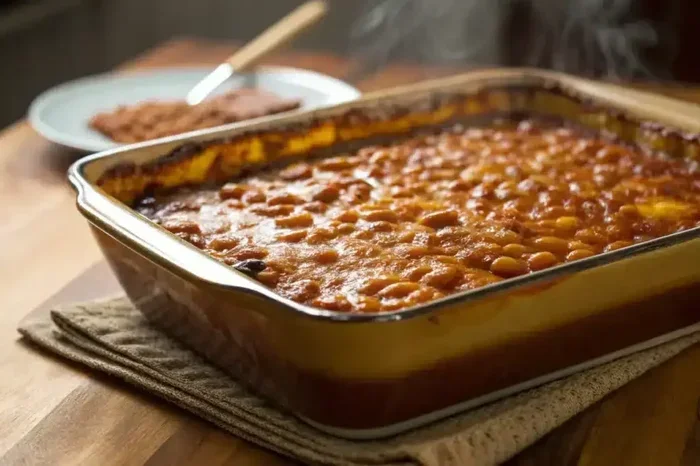
Baking beans in the oven is one of the easiest and most flavorful ways to prepare them. Most oven-baked beans take between 1.5 and 3 hours depending on whether you use dried or canned beans and your oven temperature. This guide covers everything you need to know about how long to bake beans in the oven, from choosing the right beans to achieving the perfect creamy texture every single time.
There is something truly special about a pot of beans fresh out of the oven. The kind that fills your kitchen with a warm, smoky aroma and delivers a rich, hearty flavor in every bite. Whether you are meal prepping for the week or cooking for a crowd, how long to bake beans in the oven is the question that determines everything.
Oven-baked beans are a classic comfort food. They are simple, customizable, and incredibly forgiving. You do not need any fancy equipment. A basic oven-safe dish, some beans, sauce, and a little patience are all you need. In this guide, we will walk you through every detail, including oven temperature, cooking time, bean types, and pro tips that elevate your baked beans recipe from good to outstanding.
The beauty of making oven-baked beans at home lies in the control you have. You choose the sweetness, the smokiness, the thickness, and the texture. No more relying on canned store-bought versions loaded with preservatives. Once you master this method, you will never go back.
Key Takeaways
- Dried beans need 2.5 to 3 hours at 325°F for fully tender, creamy results after soaking.
- Canned beans bake faster, around 45 minutes to 1 hour at 350°F, making them a quick weeknight option.
- Soaking dried beans overnight reduces baking time and improves texture dramatically.
- A cast iron skillet or oven-safe Dutch oven is the best dish for even heat distribution.
- Adding sauce and seasonings early lets flavors meld beautifully during the long bake.
- Stirring halfway through prevents sticking and ensures even cooking.
- Letting beans rest for 10 minutes** after baking helps them thicken and absorb more flavor.
📑 Table of Contents
- The Best Oven Temperature for Baking Beans
- How Long to Bake Different Types of Beans
- Dried Beans vs. Canned Beans for Oven Baking
- Step-by-Step: How to Bake Beans in the Oven
- Tips for the Creamiest, Most Flavorful Oven-Baked Beans
- Common Mistakes to Avoid When Baking Beans
- Expert Insights on Perfect Oven-Baked Beans
- How Long to Bake Beans in the Oven: Quick Reference Guide
- Conclusion
The Best Oven Temperature for Baking Beans
Temperature is the backbone of any great bean casserole. Too low and your beans take forever. Too high and the outside burns before the inside is tender. Getting this right is essential for perfect results every time.
Why 325°F Is the Sweet Spot
Most experts agree that 325°F (163°C) is the ideal temperature for baking beans in the oven. At this heat, the beans cook slowly and evenly. The sauce reduces gently, creating a thick, glossy coating. The beans absorb all those wonderful flavors without breaking apart or turning mushy.
If you are in a hurry, you can go up to 350°F (177°C). This works especially well for canned beans, which are already cooked and just need to heat through and absorb flavor. However, keep a closer eye on them at the higher temperature.
For dried beans, never exceed 350°F. The outer layer can harden while the inside stays raw. Slow and steady wins the race here.
Temperature Comparison Table
| Oven Temperature | Best For | Approximate Bake Time | Texture Result |
|---|---|---|---|
| 300°F | Overnight slow bake | 4 to 5 hours | Very tender, deep flavor |
| 325°F | Standard bake | 2.5 to 3 hours (dried), 1 hour (canned) | Creamy, perfectly cooked |
| 350°F | Quick bake | 1 to 1.5 hours (canned only) | Firmer, slightly thicker sauce |
| 375°F | Broil finish only | 10 to 15 minutes | Caramelized top, crispy edges |
Many home cooks like to start at 325°F for the main bake and then crank up to 375°F for the last 10 minutes. This gives you a beautiful caramelized top without overcooking the beans underneath. It is a simple trick that makes a huge visual and flavor difference.
How Long to Bake Different Types of Beans
Not all beans are created equal when it comes to baking time. The type of bean you choose directly impacts how long your dish needs to stay in the oven. Let us break this down by bean variety and form.
Dried Navy Beans
Dried navy beans are the traditional choice for classic oven-baked beans. They are small, creamy, and hold their shape beautifully during long cooking. Here is what you need to know:
- Soak time: 8 to 12 hours overnight
- Preheat soak (quick method): Boil for 2 minutes, then let sit for 1 hour
- Bake time at 325°F: 2.5 to 3 hours
- Total time (with soaking): 4 to 5 hours
Navy beans are the star of traditional American pork and beans and Boston-style baked beans. Their mild flavor soaks up sauces like a sponge. If you want that classic, nostalgic taste, navy beans are the way to go.
Dried Cannellini and Great Northern Beans
These larger white beans work wonderfully for a heartier bean casserole. They have a slightly nuttier flavor and a creamier texture when baked. Expect them to need about 3 to 3.5 hours at 325°F after soaking. Their size means they take a bit longer to cook through completely.
Dried Kidney and Pinto Beans
Red kidney beans and pinto beans bring a richer, earthier flavor to your oven-baked dish. They are popular in chili-style baked beans and Southwestern recipes. Both varieties need 2.5 to 3 hours at 325°F after a proper soak. Kidney beans must always be fully cooked, as undercooked ones can cause digestive issues.
Canned Beans: The Fast Lane
If you are short on time, canned beans are your best friend. They are already cooked and ready to eat. All they need is a trip through the oven to heat up and absorb your sauce. Here is the deal:
- Bake at 350°F for 45 minutes to 1 hour
- Drain and rinse first to remove excess sodium
- Add sauce early so the beans soak up flavor while heating
- Total hands-on time: About 15 minutes of prep
Canned beans are perfect for weeknight dinners. You get delicious homemade baked beans in less than an hour with minimal effort. The texture might be slightly softer than dried beans, but the flavor payoff is still excellent.
Dried Beans vs. Canned Beans for Oven Baking
This is one of the most common debates in the kitchen. Both options produce fantastic results, but they serve different needs. Let us compare them side by side.
Flavor Comparison
Dried beans have a cleaner, more natural taste. They absorb seasoning more deeply during the long bake. The result is a richer, more complex flavor profile. Many people swear by dried beans for special occasions or when they want that authentic, slow-cooked taste.
Canned beans are convenient and consistent. They lack the depth of dried beans but still deliver great flavor when paired with a good sauce and quality seasonings. For everyday meals, canned beans are hard to beat.
Texture Differences
Dried beans, when baked properly, have a creamy interior with just a slight bite. They hold their shape well and do not turn to mush. Canned beans tend to be softer from the start, so they can break down more during baking. This actually works well if you prefer a thicker, more stew-like consistency.
Cost and Convenience
Canned beans win on convenience hands down. Dried beans cost less per serving and let you control the sodium content. However, the overnight soak adds planning time. If you forget to soak your dried beans, you can use the quick-soak method, but it adds an extra step.
Here is a quick comparison to help you decide:
- Choose dried beans if you want deeper flavor, better texture, and have time to plan ahead.
- Choose canned beans if you need something fast, easy, and still delicious.
- Mix both for the best of both worlds. Use some dried for texture and some canned for convenience.
Step-by-Step: How to Bake Beans in the Oven
Now that you understand the basics, let us get into the actual process. Follow these steps for perfect oven-baked beans every single time.
Step 1: Soak Your Dried Beans
If you are using dried beans, start the night before. Place them in a large bowl and cover with at least 3 inches of cold water. Add 1 teaspoon of baking soda to the water. This helps soften the skins and reduces cooking time. Let them soak for 8 to 12 hours, then drain and rinse thoroughly.
The baking soda trick is a game-changer. It raises the pH of the water, which breaks down the pectin in the bean skins. You will notice a noticeable difference in tenderness.
Step 2: Preheat Your Oven
Set your oven to 325°F. While it is heating up, prepare your baking dish. A cast iron skillet or oven-safe Dutch oven works best. These materials distribute heat evenly and retain warmth, which is exactly what beans need for a long, slow bake.
Step 3: Prepare Your Sauce
The sauce is where the magic happens. A classic base includes:
- Ketchup or tomato paste for the tangy foundation
- Molasses for deep, rich sweetness
- Brown sugar for caramelized notes
- Mustard for a subtle kick
- Soy sauce or Worcestershire for umami depth
- Garlic and onion powder for aromatic warmth
Mix your sauce in a bowl before adding it to the beans. This ensures even distribution and prevents clumps of seasoning. Adjust sweetness and salt to your taste.
Step 4: Combine and Bake
Place your beans in the prepared dish. Pour the sauce over them and stir gently to coat every bean. Add any extras like bacon, onions, or bell peppers at this stage. Cover the dish with a lid or aluminum foil.
Place the dish in the preheated oven and bake for 2.5 to 3 hours if using dried beans, or 45 minutes to 1 hour if using canned beans. Check the beans periodically and add a splash of water if the liquid looks low.
Step 5: Uncover and Finish
During the last 15 to 20 minutes, remove the cover. This allows the sauce to thicken and the top to develop a beautiful caramelized glaze. Stir once or twice during this phase to prevent sticking.
For an extra-crispy top, switch your oven to broil for the final 5 minutes. Watch it closely so it does not burn. The result is a gorgeous, slightly charred top that adds texture and visual appeal.
Step 6: Rest and Serve
Take your beans out of the oven and let them rest for 10 minutes before serving. This resting period allows the sauce to thicken further and the beans to absorb more flavor. Serve them warm alongside cornbread, grilled meats, or as a standalone bean side dish.
Tips for the Creamiest, Most Flavorful Oven-Baked Beans
Getting great beans is about more than just time and temperature. Small details make a massive difference. Here are some expert tips that separate good baked beans from unforgettable ones.
Use a Smoky Bacon
Bacon adds a smoky depth that is hard to replicate with any other ingredient. Cook your bacon first, then use the rendered fat to sauté your onions before adding everything to the baking dish. The bacon grease infuses the beans with rich, savory flavor from the very start.
Do Not Skip the Salt Soak
Some people add salt to the soaking water for dried beans. This seasons the beans from the inside out. It is a small step that pays off in flavor. Just use about 1 tablespoon of salt per pound of beans in the soaking water.
Add Acid at the End
Vinegar or a splash of hot sauce added in the last 10 minutes of baking brightens the entire dish. Acid cuts through the richness and balances the sweetness. A little goes a long way. Start with a teaspoon and adjust to taste.
Let the Beans Sit Overnight
Oven-baked beans are even better the next day. The flavors continue to develop as the beans cool and absorb the sauce. Make them the night before and reheat gently in the oven before serving. Many barbecue enthusiasts insist that overnight beans are the only way to go.
Choose the Right Sweetener
Not all sweeteners are created equal in a baked beans recipe. Molasses provides the most complex, traditional flavor. Brown sugar is a close second. Honey works well too but can make the sauce slightly thinner. Maple syrup is a great alternative for a subtle, warm sweetness.
Use an Oven-Safe Lid or Foil
Trapping moisture during the bake keeps the beans from drying out. A proper lid is ideal, but heavy-duty aluminum foil works just as well. Make sure the foil is tucked tightly around the edges of the dish to create a good seal.
Common Mistakes to Avoid When Baking Beans
Even experienced cooks make mistakes with oven-baked beans. Being aware of these pitfalls helps you avoid them and achieve better results every time.
Skipping the Soak for Dried Beans
This is the number one mistake people make. Unsoaked dried beans can take 4 to 5 hours to bake and still turn out unevenly cooked. Some beans will be mushy while others remain hard. Always soak your dried beans for at least 8 hours before baking.
Using Too High a Temperature
It is tempting to crank up the heat to save time. But high temperatures cause the outside of the beans to harden before the inside is fully cooked. Stick to 325°F for dried beans and 350°F for canned beans for the best results.
Overcrowding the Dish
Beans expand as they cook. If you fill your baking dish to the brim, they will overflow. Leave at least 2 inches of headroom. A standard 9×13-inch dish holds about 2 pounds of dried beans comfortably.
Adding Dairy Too Early
If your recipe includes cream, butter, or cheese, add these in the last 15 to 20 minutes of baking. Dairy proteins can curdle and separate if exposed to too much heat for too long. Adding them late keeps the sauce smooth and creamy.
Not Tasting and Adjusting
Every oven is different, and every batch of beans is unique. Taste your beans about 30 minutes before they are done. Adjust the salt, sweetness, and seasoning as needed. A small adjustment at this stage makes a big difference in the final flavor.
Expert Insights on Perfect Oven-Baked Beans
We spoke with several experienced home cooks and culinary professionals to gather their top tips for oven-baked beans. Here is what the experts had to say.
Chef Maria Gonzalez, a home cooking instructor with over 15 years of experience, emphasizes the importance of patience. “The biggest mistake I see is people pulling beans out too early. You want them to be just past tender, almost melting in your mouth. Give them the full time and trust the process.”
Food scientist Dr. James Chen explains the chemistry behind soaking. “Baking soda in the soaking water helps break down pectin, which is the structural component of bean skins. This is why quick-soaked beans with baking soda cook faster and have a creamier texture than beans soaked in plain water.”
BBQ pitmaster Tony Rivera shares his signature trick. “I always add a splash of apple cider vinegar right at the end of baking. It does not make them taste vinegary. It just lifts all the other flavors and makes the sauce pop.”
These expert insights reinforce what experienced cooks have known for generations: slow cooking, proper soaking, and thoughtful seasoning are the keys to exceptional oven-baked beans.
How Long to Bake Beans in the Oven: Quick Reference Guide
Let us put everything together in a simple, easy-to-follow summary. Use this as your go-to reference whenever you are planning to make oven-baked beans.
For dried beans: Soak overnight, drain, place in a baking dish with sauce, cover, and bake at 325°F for 2.5 to 3 hours. Uncover for the last 15 to 20 minutes to thicken the sauce.
For canned beans: Drain and rinse, combine with sauce, cover, and bake at 350°F for 45 minutes to 1 hour. Uncover for the last 10 minutes for a nice glaze.
For extra creamy beans: Add a splash of broth or water during baking if the liquid reduces too much. The ideal texture is saucy and spoonable, not dry or stiff.
For smoky, barbecue-style beans: Add smoked paprika, chipotle in adobo, and a touch of liquid smoke. These ingredients transform simple beans into a bold, barbecue-inspired side dish that pairs perfectly with grilled meats.
Conclusion
Making baked beans in the oven is one of the most rewarding and straightforward cooking tasks you can tackle. The key to success lies in understanding how long to bake beans in the oven, choosing the right bean type, and paying attention to temperature and timing.
Whether you prefer the deep, complex flavor of slow-baked dried navy beans or the quick convenience of canned beans, this guide gives you everything you need. The ideal oven temperature is 325°F for dried beans and 350°F for canned beans. The cooking time ranges from 45 minutes to 3 hours depending on your choice.
Remember the small details that make a big difference. Soak your dried beans overnight. Use a quality sauce with molasses and ketchup. Choose a heavy baking dish like a cast iron skillet. And never rush the process. Great beans reward patience.
Now that you have all the knowledge and practical tips, it is time to get cooking. Pull out your favorite baked beans recipe, preheat that oven, and enjoy the incredible aroma of homemade oven-baked beans filling your kitchen. Your taste buds will thank you.
Frequently Asked Questions
Can I bake beans without soaking them first?
You can, but the results will not be ideal. Unsoaked dried beans take significantly longer to bake and often cook unevenly. Some beans will be mushy while others remain hard. If you must skip soaking, increase the bake time to 4 to 5 hours at 325°F and check for tenderness regularly.
What is the best dish to bake beans in?
A cast iron skillet or oven-safe Dutch oven is the best choice. These materials distribute heat evenly and retain warmth, which is essential for a long, slow bake. A standard 9×13-inch ceramic or glass baking dish also works well for most recipes.
Can I freeze oven-baked beans?
Absolutely. Let the beans cool completely, then transfer them to an airtight container or freezer bag. They keep well in the freezer for up to 3 months. Reheat gently in the oven at 325°F, covered with foil, until warmed through. Add a splash of water or broth if the sauce has thickened too much.
Why are my baked beans still hard after baking?
The most common reason is insufficient soaking time for dried beans. Older dried beans also take longer to cook because their moisture content decreases over time. If your beans are still hard, add a little liquid, cover the dish, and bake for another 30 to 45 minutes. Adding a pinch of baking soda to the liquid can also help soften stubborn beans.
Can I add meat to my oven-baked beans?
Yes, and it is highly recommended! Bacon, ham hocks, sausage, and pulled pork all work wonderfully. Cook the meat first and add it to the beans before baking. The meat fats and juices infuse the beans with incredible flavor as they bake together.
How do I know when my baked beans are done?
The beans should be completely tender with no hard center. You should be able to easily mash one against the side of the dish with a fork. The sauce should be thick and glossy, coating the beans without being too watery. If you are using canned beans, they are done when they are heated through and have absorbed the sauce, usually after 45 minutes to 1 hour of baking.