Perfect Guide On How Long To Cook Frozen Haddock In Oven
How Long To Cook Frozen Haddock In Oven is an essential topic that provides valuable insights.
Key Takeaways
- Understanding How Long To Cook Frozen Haddock In Oven: Provides essential knowledge
📑 Table of Contents
- Opening Summary
- Introduction
- Why Oven Cooking Works So Well For Haddock
- How Long To Cook Frozen Haddock In Oven
- Step By Step Instructions For Perfect Baked Frozen Haddock
- Tips For Getting Crispy Perfection Every Time
- Frozen Versus Thawed Haddock: What Is The Difference
- Common Mistakes To Avoid When Baking Frozen Haddock
- Serving Ideas And Side Dishes
- Nutritional Benefits Of Haddock
- Expert Insights On Cooking Frozen Fish Perfectly
- Key Takeaways
- Conclusion
Opening Summary
How long to cook frozen haddock in oven is a question many home cooks ask, especially when weeknight dinner plans change. Cooking frozen haddock in the oven is simple, fast, and delivers delicious results without the hassle of thawing. This guide covers everything you need, from oven temperature for frozen fish to timing tips that guarantee a juicy fillet. You will learn the exact minutes, temperatures, and tricks that separate good baked haddock from great ones. Whether you are a beginner or a seasoned cook, this frozen haddock oven recipe will become a kitchen staple.
Introduction
Frozen haddock is one of the most popular frozen white fish options available. It is affordable, packed with protein, and cooks beautifully in the oven. Many people avoid cooking from frozen because they worry about uneven results. But the truth is, baking frozen haddock is easier than you think.
With the right oven temperature for fish and a few simple steps, you can serve a restaurant-quality meal in under 30 minutes. This article breaks down every detail so you never have to guess again.
Why Oven Cooking Works So Well For Haddock
The Science Behind Baking Frozen Fish
Oven cooking is one of the best frozen fish baking methods available. Dry heat surrounds the fillet evenly, cooking it from the outside in. This creates a crispy fish fillet exterior while keeping the inside moist. Unlike boiling or frying, the oven uses gentle, consistent warmth.
Haddock is a lean white fish, which means it cooks quickly and does not need much fat. The oven’s circulating heat helps achieve a golden finish without drying out the flesh. This makes oven baked haddock a go-to method for busy households.
Benefits Of Cooking Frozen Haddock In The Oven
- Convenience: No need to plan ahead and thaw your fish.
- Even Cooking: The oven distributes heat more uniformly than stovetop methods.
- Less Cleanup: One sheet pan does the job.
- Healthier Results: No added oil is needed for a great finish.
- Batch Friendly: You can cook multiple fillets at once.
How Long To Cook Frozen Haddock In Oven
Temperature And Time Guide
The short answer to how long to cook frozen haddock in oven depends on thickness and your oven’s performance. But here is the general rule of thumb. Preheat your oven to 200°C (400°F). Place your frozen fillets on a lined baking tray and bake for 20 to 25 minutes.
Thinner fillets around 1 centimetre thick may be done in 18 minutes. Thicker cuts over 2 centimetres could need the full 25 minutes or even 30. The key is to check for flakiness. When the fish separates into white, tender flakes with a fork, it is ready.
Thin Versus Thick Fillets
Not all frozen haddock fillets are the same thickness. This matters a lot for cooking time. Here is a quick comparison.
| Fillet Thickness | Oven Temp | Cooking Time |
|---|---|---|
| Thin (under 1cm) | 200°C / 400°F | 15–18 minutes |
| Medium (1–2cm) | 200°C / 400°F | 18–22 minutes |
| Thick (over 2cm) | 200°C / 400°F | 22–30 minutes |
Always use a meat thermometer if you want to be precise. The internal temperature should reach 63°C (145°F) for perfectly cooked haddock. This ensures food safety while keeping the fish tender.
Step By Step Instructions For Perfect Baked Frozen Haddock
Step 1: Prep Your Oven And Pan
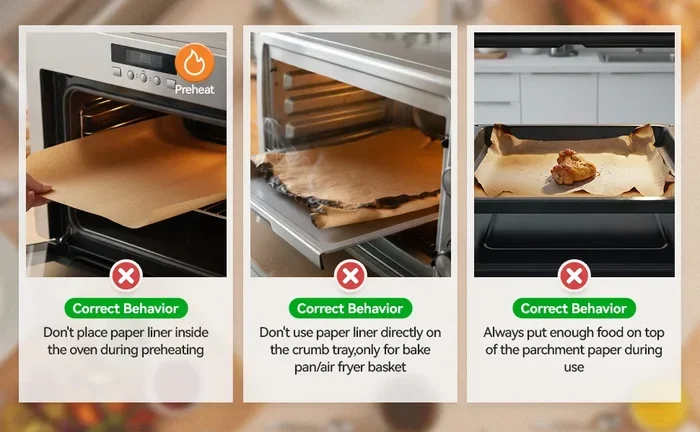
Start by preheating your oven to 200°C (400°F). Line a baking tray with parchment paper or lightly grease it with olive oil. This prevents sticking and makes cleanup a breeze.
Do not skip the preheating step. A hot oven is essential for getting a good sear on the outside of the fish while the inside cooks through evenly.
Step 2: Prepare The Haddock Fillets
Remove your frozen haddock fillets from the packaging. Pat them dry with paper towels. This might seem small, but removing surface moisture is the secret to a crispy baked haddock top. If there is any ice glaze, rinse briefly and pat dry again.
Place the fillets on the prepared tray with space between them. Overcrowding traps steam and prevents crisping.
Step 3: Season Generously
Seasoning makes all the difference with oven baked haddock. Here are some great haddock recipe ideas for seasoning:
- Classic: Olive oil, salt, pepper, and a squeeze of lemon.
- Herb Crust: Fresh parsley, dill, garlic powder, and breadcrumbs.
- Spicy: Paprika, cumin, a pinch of chilli flakes, and olive oil.
- Buttery: Melted butter, minced garlic, and a sprinkle of parmesan.
Keep it simple if you are new to cooking fish. Salt and pepper with a drizzle of oil works wonders for healthy fish dinner options.
Step 4: Bake And Monitor
Place the tray on the middle oven rack. Set a timer for 18 minutes as a starting point. At the 15-minute mark, check the fish. Look for the edges turning opaque white. The centre should still be slightly translucent if the fillet is thick.
Continue baking in 2 to 3 minute intervals until the fish is fully opaque and flakes easily. Do not overcook. Haddock dries out quickly once it passes the ideal point.
Step 5: Rest And Serve
Let the fillets rest for 2 to 3 minutes on the tray. This allows the juices to redistribute, making every bite moist and flavourful. Serve immediately with your favourite sides.
Tips For Getting Crispy Perfection Every Time
Use Parchment Paper Or A Wire Rack
Parchment paper is your best friend when baking frozen fish. It creates a barrier between the fillet and the tray, preventing sticking. For an even crispier result, use a wire rack placed over the baking tray. Air circulates underneath, crisping both sides evenly.
Brush With Oil Or Butter
A thin layer of olive oil or melted butter on top of the fillet helps achieve a golden finish. This small step adds flavour and promotes browning. Avoid using too much, though. Haddock is lean and does not need heavy fat.
Do Not Skip The Pat-Dry Step
Surface moisture is the enemy of crispy skin or crust. Always pat your frozen haddock dry before seasoning. This one habit transforms your results from steamed to beautifully roasted.
Flip Halfway Through
For extra even cooking, gently flip the fillet at the halfway mark. Use a thin spatula and be careful. The fish will be semi-frozen in the centre at this point, so flip gently to avoid breaking it apart.
Frozen Versus Thawed Haddock: What Is The Difference
Many cooks wonder whether thawing makes a real difference. The answer is yes and no. Thawed haddock cooks slightly faster because it starts at a higher temperature. You might shave off 3 to 5 minutes from the total frozen fish baking time.
However, cooking from frozen has its own advantages. The ice layer on the outside of the fillet actually helps protect the flesh during the early stages of baking. This can result in a moister final product if you do not overcook it.
For most home cooks, cooking frozen haddock directly from the freezer is perfectly fine. Just add a couple of extra minutes to your timing and check for doneness.
Common Mistakes To Avoid When Baking Frozen Haddock
Overcooking The Fish
The most common mistake is leaving the haddock in the oven too long. Frozen fish cooking time can vary, so always check early. Overcooked haddock becomes dry, chalky, and loses its delicate flavour. Set your timer for the minimum time and check frequently after that.
Overcrowding The Baking Tray
Putting too many fillets on one tray creates steam pockets. Steam prevents crisping and leads to uneven cooking. Give each fillet at least 2 centimetres of space. If you need to cook more, use a second tray or bake in batches.
Not Preheating The Oven
Placing fish in a cold oven throws off the entire cooking process. Always preheat to 200°C (400°F) before adding the haddock. A properly heated oven ensures the outside sears immediately while the inside cooks gently.
Skipping The Pat-Dry Step
This is the number one mistake that leads to soggy fish. Moisture on the surface turns to steam in the oven, which prevents browning and crispiness. Take the extra 30 seconds to pat your fillets dry.
Using The Wrong Temperature
Too low a temperature and the fish steams instead of baking. Too high and the outside burns before the inside cooks. Stick to 200°C (400°F) for the best balance of crispy exterior and tender interior.
Serving Ideas And Side Dishes
Baked frozen haddock pairs beautifully with many sides. Here are some quick and easy ideas:
- Roasted vegetables: Asparagus, broccoli, or cherry tomatoes roasted on the same tray.
- Mashed potatoes: A classic comfort pairing that works every time.
- Rice or couscous: Light and perfect for soaking up any juices.
- Fresh salad: A simple green salad with lemon dressing adds brightness.
- Steamed greens: Spinach or green beans with a pinch of garlic.
For a complete healthy fish dinner, serve the haddock with lemon wedges and a drizzle of extra virgin olive oil. The brightness of lemon cuts through the richness and enhances the natural flavour of the fish.
Nutritional Benefits Of Haddock
Haddock nutrition is impressive. A single fillet provides about 20 grams of high-quality protein with minimal fat. It is also a good source of B vitamins, particularly B6 and B12, which support energy and brain health. Haddock contains selenium, phosphorus, and magnesium too.
Because haddock is low in calories and high in protein, it is an excellent choice for those watching their weight or building muscle. Baking is the healthiest frozen seafood cooking method since it requires no added fat.
Expert Insights On Cooking Frozen Fish Perfectly
Professional chefs agree that bake frozen haddock is one of the simplest techniques to master. Chef Marcus Wareing once noted that the secret to great fish is not complexity but restraint. Use good quality fish, keep seasoning simple, and do not overcook.
The frozen haddock oven recipe method works because it respects the ingredient. Haddock has a mild, sweet flavour that shines with minimal intervention. Let the fish be the star of the plate.
If you want to elevate your results, try brining the fillet for 10 minutes before baking. A simple solution of water, salt, and a teaspoon of sugar helps the fish retain moisture during cooking. This trick works especially well for thicker cuts.
Key Takeaways
- Correct Temperature: Always preheat your oven to 200°C (400°F) for best results.
- Cooking Time: Bake frozen haddock for 20 to 25 minutes depending on thickness.
- Pat Dry: Removing surface moisture is the key to crispy haddock.
- Check Early: Start checking for doneness at 15 minutes to avoid overcooking.
- Internal Temp: Aim for 63°C (145°F) for perfectly cooked, safe fish.
- Simple Seasoning: Salt, pepper, and olive oil bring out the best in haddock.
- Rest Before Serving: Let the fillets rest for 2 to 3 minutes after baking.
Conclusion
Cooking frozen haddock in the oven is one of the easiest and most rewarding things you can do in the kitchen. The how long to cook frozen haddock in oven answer is straightforward: 20 to 25 minutes at 200°C (400°F). With the right temperature, a little patience, and these simple tips, you will serve delicious, flaky haddock every single time.
Remember to pat your fillets dry, season generously, and check for doneness early. Avoid the common pitfalls of overcrowding the tray and overcooking. Once you master this basic method, you can experiment with different seasonings and side dishes to keep meals exciting.
Frozen haddock is a pantry hero that deserves a regular spot on your dinner table. Now that you know exactly how to cook it, there is no excuse not to whip up a healthy fish dinner tonight. Grab your frozen fillets, preheat the oven, and enjoy the process of creating something genuinely delicious with very little effort.
Frequently Asked Questions
Can You Cook Frozen Haddock Directly From The Freezer?
Yes, absolutely. You do not need to thaw frozen haddock before baking it in the oven. Simply add a few extra minutes to the cooking time and check for doneness. Cooking from frozen works perfectly and saves you valuable time during the week.
What Is The Best Temperature To Bake Frozen Haddock?
The best temperature is 200°C (400°F). This heat level creates a crispy exterior while cooking the fish through evenly. Avoid lower temperatures as they can cause the fish to steam instead of bake, leading to a soggy texture.
How Do You Know When Frozen Haddock Is Done?
Check for two signs. The fish should be completely opaque white throughout, not translucent in the centre. It should also flake easily when you press it with a fork. Using a meat thermometer, the internal temperature should reach 63°C (145°F).
Can You Add Sauce To Frozen Haddock Before Baking?
Yes, you can. A simple sauce made from butter, lemon juice, and herbs adds wonderful flavour. Pour it over the fillets before baking. Just be aware that a wetter preparation may add a couple of minutes to the total cooking time.
Is Baked Frozen Haddock Healthy?
Baking is one of the healthiest ways to prepare fish. Haddock is naturally low in fat and high in protein. Baking requires no added oil, making it a great choice for a healthy fish dinner that supports heart health and muscle maintenance.
How Long Can You Keep Cooked Haddock In The Fridge?
Cooked haddock stays fresh in the refrigerator for 2 to 3 days. Store it in an airtight container to maintain moisture and prevent it from absorbing other fridge odours. Reheat gently in the oven to keep the fish from drying out.