Can Pyrex Dishes Go in the Oven Everything You Need to Know
Can Pyrex dishes go in the oven? Yes, but only if you follow the right rules. Pyrex bakeware is oven safe up to 425°F, but sudden temperature changes can cause it to shatter. This guide covers everything you need to know about using Pyrex in the oven safely, including temperature limits, preheating rules, and common mistakes to avoid.
Have you ever pulled out a beautiful Pyrex dish from your cabinet and wondered whether it can handle the heat of your oven? Maybe you are planning a casserole for dinner or a bake sale treat, and you want to make sure your glass bakeware will hold up. The question can Pyrex dishes go in the oven comes up more often than you might think, and for good reason.
The truth is that Pyrex is one of the most popular bakeware brands in the world. Millions of homes have at least one Pyrex dish sitting on a kitchen shelf. But popularity does not mean you should use it without knowing the rules. Glass bakeware behaves differently than metal pans, and using it the wrong way can lead to disaster. This article walks you through everything you need to know about Pyrex oven safety, temperature limits, and best practices.
Whether you are a beginner cook or a seasoned baker, understanding how to use Pyrex in the oven properly will keep your kitchen safe and your food cooking perfectly. Let us dive into the details.
Key Takeaways
- Pyrex is oven safe: Most Pyrex dishes can handle temperatures up to 425°F when used correctly.
- Thermal shock is the enemy: Never place cold Pyrex directly into a hot oven or on a hot surface.
- Always preheat safely: Place Pyrex in the oven before turning it on or let it warm up gradually.
- No broiler or stovetop use: Pyrex is not designed for direct flame or broiler exposure.
- Check for damage: Cracks, chips, or scratches can weaken Pyrex and make it unsafe for oven use.
- Modern Pyrex differs from vintage: Today’s Pyrex is tempered soda-lime glass, not borosilicate like older versions.
- Proper care extends life: Gentle cleaning and smart storage keep your Pyrex dishes performing for years.
📑 Table of Contents
Understanding Pyrex and Its Oven Safety
What Is Pyrex Made Of?
Pyrex is made from glass, but not just any glass. The original Pyrex bakeware was crafted from borosilicate glass. This type of glass is known for its ability to handle high temperatures and sudden changes in heat. It was a game changer in kitchens when it first appeared in the early 1900s.
Today, things are a bit different. Most Pyrex sold in the United States is now made from tempered soda-lime glass. This material is still durable and oven safe, but it does not handle rapid temperature swings as well as borosilicate glass did. This change matters a lot when you are thinking about can Pyrex dishes go in the oven safely.
The key takeaway is that modern Pyrex is strong, but it needs more careful handling than older versions did. Knowing what your Pyrex is made of helps you use it the right way.
The History of Pyrex
Pyrex was first introduced by Corning Glass Works in 1915. Originally, it was created for laboratory use. Scientists needed glassware that could handle extreme heat without cracking. Soon, someone realized this same glass would work beautifully in home kitchens. The first Pyrex baking dish hit the market, and home cooks loved it immediately.
For decades, borosilicate Pyrex was the standard. It could go from the freezer to the oven with very little risk. However, in the 1990s, Corning changed the formula for the U.S. market. The new soda-lime glass was cheaper to produce and still met safety standards. But it also introduced new limitations that every cook should understand.
If you own vintage Pyrex, it may be made from the older borosilicate material. These dishes are often more forgiving when it comes to temperature changes. But for most people reading this, your Pyrex is likely the modern tempered glass version. And that means you need to be extra careful with oven use.
Can Pyrex Dishes Go in the Oven?
Temperature Limits for Pyrex
So, can Pyrex dishes go in the oven? The short answer is yes. Most Pyrex glass bakeware is rated for oven temperatures up to 425 degrees Fahrenheit. That covers the vast majority of baking and roasting tasks you will encounter at home.
Here are the general temperature guidelines for Pyrex:
- Oven baking: Safe up to 425°F
- Microwave use: Safe
- Dishwasher safe: Yes, on the top rack
- Freezer storage: Safe
- Broiler: Not safe
- Stovetop: Not safe
- Direct flame: Not safe
Going above 425°F with Pyrex is risky. Even if the dish looks fine, the glass may weaken over time from repeated high-heat exposure. Always check the bottom of your Pyrex dish for the specific temperature rating. Most modern Pyrex products have this information printed or etched on the base.
Pyrex Oven-Safe vs. Not Oven-Safe
Not every Pyrex product is designed for oven use. This is a point many people overlook. For example, Pyrex lids are typically made from a different material and are not oven safe. The plastic lids should never go in the oven, even if the glass dish beneath them can handle the heat.
Similarly, some Pyrex products are designed only for food storage or serving. Always check the packaging or the product label before placing any Pyrex item in the oven. If it says “oven safe,” you are good to go up to 425°F. If there is no label or it says “not oven safe,” keep it away from the heat.
The Pyrex oven safe symbol usually looks like a small oven icon on the bottom of the dish. When in doubt, check there first. Taking a few seconds to verify can save you from a broken dish or a kitchen accident.
How to Safely Use Pyrex in the Oven
Preheating Rules You Must Follow
One of the most important rules for can Pyrex dishes go in the oven safely is how you handle preheating. Never place a cold Pyrex dish into a preheated oven. The sudden burst of heat on the bottom of the glass can cause it to crack or shatter. This is called thermal shock, and it is the number one enemy of glass bakeware.
Here is the safe way to preheat with Pyrex:
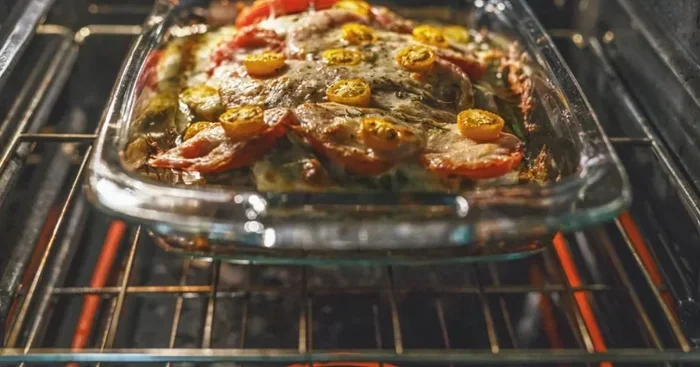
- Place the empty Pyrex dish on a cold oven rack.
- Put your food into the dish before turning on the oven.
- Set the oven to your desired temperature.
- Let the oven and the Pyrex dish heat up together.
This method works because the glass warms up gradually. It adjusts to the temperature change slowly, which prevents stress on the material. Some bakers also like to place the Pyrex dish in the oven first, then turn the oven on to a low temperature and gradually increase it. Both methods are safe.
Avoiding Thermal Shock
Thermal shock happens when one part of the glass expands faster than another part. For example, if the bottom of your Pyrex dish touches a hot oven rack while the sides remain cool, the uneven expansion creates stress. That stress can lead to cracks or sudden breakage.
Here are some simple tips to avoid thermal shock:
- Never move Pyrex from the freezer or refrigerator directly into a hot oven.
- Let frozen Pyrex dishes sit at room temperature for 15 to 30 minutes before baking.
- Always place Pyrex on a dry, room-temperature oven rack.
- Never put Pyrex on a wet or cold surface after it comes out of the oven.
- Use a dry towel or trivet when setting hot Pyrex on a countertop.
Following these rules might feel like a lot at first, but they quickly become second nature. Once you build them into your cooking routine, using Pyrex glass bakeware becomes second nature and completely safe.
Common Mistakes That Damage Pyrex
The Wrong Way to Handle Hot Pyrex
Even after your Pyrex dish comes out of the oven, you still need to be careful. Many people make the mistake of placing a hot Pyrex dish directly on a cold countertop, a wet cloth, or a metal surface. This sudden temperature difference can cause the bottom of the dish to crack instantly.
Always use a wooden trivet, a folded kitchen towel, or a silicone mat when setting hot Pyrex down. The goal is to avoid any cold surface touching the hot glass. This one simple habit will protect your dishes and keep your kitchen safe.
Another common mistake is using metal utensils inside a Pyrex dish. Metal spoons or spatulas can scratch the glass surface. Small scratches might seem harmless, but they create weak points in the glass. Over time, these weak points can lead to breakage when the dish is exposed to high heat.
Using Pyrex on the Stovetop
This is a mistake that surprises a lot of people. Pyrex is designed for the oven and microwave, not the stovetop. Placing a Pyrex dish on a gas burner or electric coil can cause the glass to heat unevenly and shatter. Even on a low setting, direct stovetop heat is dangerous for glass bakeware.
If you need to simmer a sauce or cook something on the stovetop, transfer it to a metal pot or saucepan first. Pyrex is wonderful for baking, roasting, and reheating, but it has its limits. Respecting those limits keeps you safe and your dishes in good shape.
Pyrex vs. Other Glass Bakeware Options
Comparing Pyrex to Anchor Hocking
When it comes to glass bakeware, Pyrex is not the only option on the market. Anchor Hocking is another popular brand that offers similar glass baking dishes. Both brands make oven-safe glass bakeware, but there are some differences worth noting.
Anchor Hocking glass bakeware is also rated for temperatures up to 425°F. The glass used is similar tempered soda-lime glass. Both brands follow the same safety guidelines regarding thermal shock and preheating. In terms of performance, both brands deliver reliable results for baking casseroles, cobblers, and roasted dishes.
The main difference often comes down to design and brand loyalty. Pyrex offers a wider range of shapes and sizes, including decorative options. Anchor Hocking tends to focus on straightforward, functional bakeware. Both are excellent choices for home cooks who want durable glass baking dishes.
Glass vs. Metal Baking Dishes
Choosing between glass and metal bakeware depends on what you are cooking and how you like your food to turn out. Each material has its own advantages.
Glass bakeware like Pyrex heats up more slowly than metal, but it retains heat well. This means food cooked in glass often has a more even bake and a nice browned top. Glass is also non-reactive, which means it will not interact with acidic foods like tomatoes or citrus the way some metals can.
Metal bakeware, on the other hand, heats up quickly and responds fast to temperature changes. It is great for recipes that need a burst of high heat, like cookies or pastries. Metal also conducts heat more evenly in some cases, which can prevent hot spots.
Here is a quick comparison:
- Glass (Pyrex): Heats slowly, retains heat well, non-reactive, great for casseroles and baked goods
- Metal (aluminum/stainless steel): Heats quickly, responds fast to temperature changes, ideal for cookies and pastries
- Ceramic: Heats slowly, great for presentation, often used for slow-cooked dishes
For most everyday baking and cooking tasks, Pyrex glass bakeware is a fantastic choice. It is versatile, easy to clean, and looks great on the dining table too.
Caring for Your Pyrex Dishes
Cleaning and Storage Tips
Taking care of your Pyrex dishes properly will extend their lifespan significantly. After each use, let the dish cool down before washing it. Never plunge a hot Pyrex dish into cold water. This is another situation where thermal shock can cause cracking.
Wash your Pyrex by hand with warm soapy water and a soft sponge. While most Pyrex is labeled as dishwasher safe, hand washing is gentler and helps prevent cloudiness over time. Avoid using abrasive scouring pads or harsh chemical cleaners that can scratch or damage the glass surface.
For storage, stack Pyrex dishes with a soft cloth or paper towel between each piece to prevent scratching. If you have the original lids, store them separately to avoid trapping moisture. Keeping your Pyrex clean and scratch-free ensures it stays safe and functional for oven use for many years.
When to Replace Your Pyrex
Even with the best care, Pyrex dishes do not last forever. You should replace your Pyrex if you notice any of the following signs:
- Visible cracks or chips on the surface
- Scratches that feel rough to the touch
- Discoloration that will not come off with cleaning
- Any previous breakage or repair
- Cloudiness that affects visibility through the glass
A damaged Pyrex dish is a safety risk. Even small cracks can spread when the dish is exposed to heat, leading to sudden breakage. Do not take chances with a compromised dish. Replace it and enjoy cooking with confidence.
Expert Insights on Pyrex Oven Use
What Professional Bakers Say
Professional bakers and cooking experts agree on a few key points about using Pyrex in the oven. First, they always emphasize the importance of gradual temperature changes. Second, they recommend never exceeding the 425°F limit. Third, they stress the value of inspecting your Pyrex before each use.
Chef Maria, a home cooking instructor with over 15 years of experience, shares this advice: “I tell all my students to treat their Pyrex with respect. It is incredibly useful, but it is not indestructible. A few simple habits, like letting it warm up slowly and never shocking it with cold water, will keep it safe for years.”
Many professional bakers also prefer Pyrex for recipes that benefit from even heat distribution, such as fruit cobblers, lasagnas, and baked custards. The transparent glass also lets you monitor the browning of your food without opening the oven door, which helps maintain consistent oven temperature.
Why Pyrex Remains a Kitchen Staple
Despite the changes in materials and the need for careful handling, Pyrex remains one of the most beloved kitchen tools in America. Its versatility is hard to beat. You can bake in it, serve in it, store leftovers in it, reheat food in it, and even freeze meals in it. One Pyrex dish can handle multiple kitchen tasks, which saves money and reduces clutter.
The Pyrex baking dish has earned its place in kitchens across the country for over a century. As long as you follow the safety guidelines, your Pyrex will continue to be a reliable companion for all your cooking and baking adventures.
Practical Tips for Everyday Pyrex Use
Quick Tips for Safe Baking
- Always place Pyrex on a dry, room-temperature oven rack
- Never exceed 425°F when baking with Pyrex
- Use oven mitts or pot holders when handling hot Pyrex
- Let Pyrex cool on a trivet or towel, never on a cold surface
- Avoid using metal utensils that can scratch the glass
- Check for cracks or damage before every use
- Remove the Pyrex lid before placing the dish in the oven
- Allow frozen dishes to thaw slightly before baking
Common Pyrex Recipes That Work Beautifully
Pyrex dishes shine in a wide variety of recipes. Here are some popular ideas:
- Casseroles and baked pasta dishes
- Fruit cobblers and crisps
- Lasagna and baked ziti
- Roasted vegetables and meats
- Baked oatmeal and breakfast casseroles
- Bread pudding and rice pudding
- Homemade pizza (on a low broil setting, not direct broiler)
These recipes all benefit from the even heat distribution that glass bakeware provides. The transparent walls also let you watch the edges of your dish for perfect browning.
Conclusion
Can Pyrex dishes go in the oven? Absolutely. With the right knowledge and a few simple precautions, your Pyrex bakeware will serve you well for many years. Remember to stay within the 425°F temperature limit, always preheat gradually, and avoid sudden temperature changes. Treat your Pyrex with care, and it will reward you with perfectly baked casseroles, golden cobblers, and delicious roasted dishes every time.
The key to safe Pyrex oven use comes down to understanding how glass bakeware works and respecting its limits. Follow the tips in this guide, and you will never have to worry about a broken dish or a kitchen accident again. Happy baking!
Frequently Asked Questions
Can Pyrex go in the oven at 400 degrees?
Yes, Pyrex is safe to use in an oven preheated to 400°F. This temperature is well within the 425°F maximum rating for most Pyrex glass bakeware. Just make sure you follow the preheating guidelines and avoid sudden temperature changes.
Can Pyrex go in the oven from the fridge?
No, you should not put cold Pyrex directly from the refrigerator into a hot oven. Let the dish sit at room temperature for at least 15 to 30 minutes first. This prevents thermal shock, which can cause the glass to crack or shatter suddenly.
Is vintage Pyrex safer for the oven than modern Pyrex?
Vintage Pyrex was often made from borosilicate glass, which handles temperature changes better than today’s tempered soda-lime glass. However, vintage pieces may have wear and damage that affects their safety. Always inspect any Pyrex dish, old or new, for cracks or chips before using it in the oven.
Can Pyrex lids go in the oven?
No, Pyrex plastic lids are not oven safe. They are designed for food storage and microwave use only. Always remove the lid before placing a Pyrex dish in the oven. The glass dish itself is oven safe, but the lid is not.
What temperature can Pyrex withstand?
Most Pyrex bakeware is rated for oven temperatures up to 425°F. Some sources note that Pyrex can handle slightly higher temperatures for short periods, but 425°F is the recommended maximum to ensure long-term safety and durability.
Can Pyrex go from the oven to the countertop safely?
Yes, but only if you place it on a heat-safe surface like a wooden trivet, a folded towel, or a silicone mat. Never set hot Pyrex directly on a cold or wet countertop, as the sudden temperature difference can crack the glass.