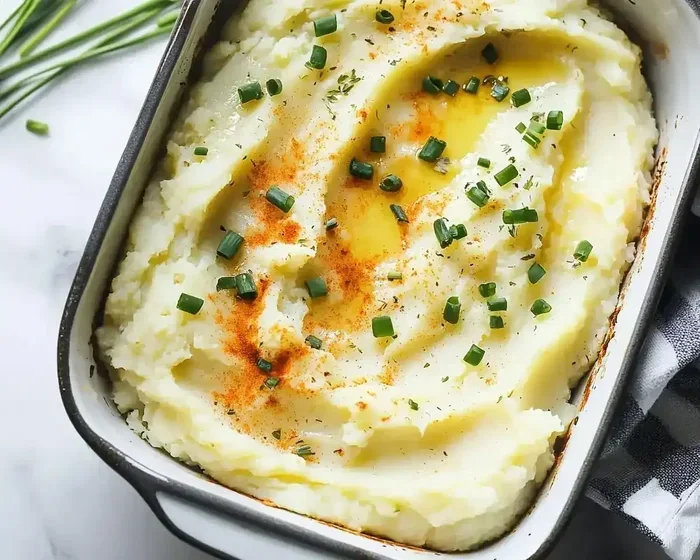
How To Heat Mashed Potatoes In The Oven For Best Results
Learning how to heat mashed potatoes in the oven is the best way to keep them creamy and flavorful. This guide covers everything from preparation to baking time so your leftovers taste just as good as fresh. Whether you are reheating a small batch or feeding a crowd, these simple steps deliver perfect results every time.
There is something deeply satisfying about a bowl of warm, creamy mashed potatoes. They pair with almost everything. Roast chicken. Grilled steak. Even a simple piece of baked fish. But what happens when you have leftovers? You could toss them in the microwave and call it a day. Or you could learn the proper way to heat mashed potatoes in the oven and turn those leftovers into something truly special.
Reheating mashed potatoes in the oven might feel like extra work. But trust me, the results are worth it. The oven warms things gently and evenly. You get a smooth, creamy texture instead of those annoying hot-and-cold spots the microwave creates. Plus, you can crisp up the top if you like a little texture. In this guide, I will walk you through every single step. By the end, you will never go back to the microwave for reheating mashed potatoes again.
Key Takeaways
- Use the right temperature: Heating mashed potatoes in the oven at 350°F ensures even warmth without drying them out.
- Add liquid before reheating: A splash of milk or cream keeps leftover mashed potatoes soft and creamy.
- Cover with foil: Trapping steam with aluminum foil prevents the top from turning crusty too fast.
- Stir halfway through: Mixing the potatoes midway ensures heat reaches every part evenly.
- Add butter at the end: Fresh butter stirred in after baking brings back the rich flavor of freshly made potatoes.
- Use an oven-safe dish: The right dish helps distribute heat evenly and keeps your potatoes looking great.
- Avoid overheating: Keeping an eye on the time prevents mushy or dry reheated mashed potatoes.
📑 Table of Contents
- Why Reheating Mashed Potatoes In The Oven Works Best
- How To Prepare Mashed Potatoes For The Oven
- Step-by-Step: How To Heat Mashed Potatoes In The Oven
- Tips For Perfectly Creamy Reheated Mashed Potatoes
- Common Mistakes To Avoid When Reheating Mashed Potatoes
- Creative Ways To Use Reheated Mashed Potatoes
- How Long Can You Store Mashed Potatoes Before Reheating?
- Equipment You Need For Oven Reheating
- Expert Insights On Reheating Starchy Sides
- Frequently Asked Questions
- Final Thoughts
Why Reheating Mashed Potatoes In The Oven Works Best
When you think about reheating mashed potatoes, the microwave probably comes to mind first. It is fast. It is easy. But speed does not always mean quality. The oven takes a bit longer, but it treats your leftovers with much more care.
The Science Behind Oven Reheating
Ovens use dry, ambient heat. This heat surrounds the food on all sides. It warms the potatoes slowly and evenly. The microwave, on the other hand, sends energy directly into the water molecules inside the food. This creates steam pockets. Those pockets make some parts scalding hot while other parts stay cold. For mashed potatoes, this means uneven texture and a rubbery feel in spots.
The oven also allows moisture to stay trapped inside. When you cover the dish with foil, the steam keeps the potatoes soft. This is key for maintaining that creamy mashed potatoes texture you love. The gentle warmth of an oven-safe dish at the right oven temperature makes all the difference.
Benefits Of Using The Oven Over Other Methods
- Even heating: Every spoonful comes out the same temperature.
- Better texture: The potatoes stay smooth instead of turning gummy.
- Crispy topping option: You can add a golden crust if you remove the foil at the end.
- Handles large batches: The oven works great when you need to reheat a full casserole dish.
- No rubbery spots: Say goodbye to those weird stiff patches microwaves create.
How To Prepare Mashed Potatoes For The Oven
Before you turn on the oven, a little prep goes a long way. Proper preparation sets you up for the best possible results. Think of it like laying the groundwork for a great meal.
Choosing The Right Dish
Not every dish works for this. You want something oven-safe that holds heat well. Ceramic baking dishes are excellent choices. Glass dishes like Pyrex work great too. Avoid metal trays with thin walls because they heat unevenly. The dish size matters as well. Use a dish that matches the amount of potatoes you have. A too-large dish spreads the potatoes thin and dries them out. A too-small dish causes overflow and uneven cooking.
Adding Moisture Before Baking
This is the single most important step people skip. Leftover mashed potatoes have lost moisture during storage. Adding a little liquid before they go in the oven brings them back to life.
Here is what works best:
- Whole milk: Adds creaminess without changing the flavor too much.
- Heavy cream: Creates an extra rich, velvety texture.
- Butter: Adds richness and helps with smooth consistency.
- A splash of broth: Great for adding savory depth to plain potatoes.
Start with about one to two tablespoons of liquid per cup of mashed potatoes. You can always add more. Too much liquid is harder to fix. Stir everything together gently in the dish before it goes in the oven.
Seasoning After Reheating
Salt and pepper can change during storage. Leftover potatoes sometimes taste flat. Do not season too heavily before baking. Instead, taste after they come out and adjust then. A pinch of salt and a crack of black pepper right at the end makes a big difference. Fresh herbs like chives or parsley also work wonders as a finishing touch.
Step-by-Step: How To Heat Mashed Potatoes In The Oven
Now for the main event. Here is exactly how to heat mashed potatoes in the oven for the best results. Follow these steps and you will get perfect potatoes every single time.
Step 1: Preheat Your Oven
Set your oven to 350°F. This is the sweet spot for reheating mashed potatoes. It is hot enough to warm the food through in a reasonable time. But it is not so hot that it dries everything out. Let the oven reach the full temperature before you put the dish inside. Most ovens take about 10 to 15 minutes to preheat. Use this time to prepare your dish.
Step 2: Transfer Potatoes To An Oven-Safe Dish
Scoop the leftover potatoes into your chosen dish. Spread them out evenly. Do not pile them too high in the center. An even layer heats more consistently. If you are reheating a very large batch, you can use two smaller dishes instead of one big one. This helps with even heating mashed potatoes throughout.
Step 3: Add Liquid And Mix
Pour your chosen liquid over the potatoes. Use milk, cream, or a combination. Fold it in gently with a spatula or wooden spoon. You want to mix without smashing the potatoes too aggressively. The goal is to distribute the moisture evenly while keeping a smooth texture.
Step 4: Cover With Aluminum Foil
Place a sheet of aluminum foil loosely over the top of the dish. Do not seal it tight. You want some steam to escape so the potatoes do not get soggy. The foil acts as a barrier that holds in enough moisture to keep the potatoes creamy while allowing excess steam to vent.
Step 5: Bake For 15 To 20 Minutes
Put the covered dish on the middle rack of the oven. Set a timer for 15 minutes. The potatoes are done when they are hot all the way through. To check, insert a spoon into the center and feel the temperature. The center should feel just as warm as the edges. If they still feel cool in the middle, add another 5 minutes.
Step 6: Remove The Foil And Add Finishing Touches
Take the foil off carefully. Watch out for the steam. Now is the time to add a pat of fresh butter on top. You can also sprinkle a little shredded cheese if you want a golden brown top. Return the uncovered dish to the oven for 3 to 5 more minutes. This gives you a beautiful, slightly crispy surface.
Step 7: Stir And Serve
Remove the dish from the oven. Let it cool for a minute or two. Give the potatoes one final gentle stir. This blends the melted butter and any cheese into the potatoes beautifully. Serve immediately while they are hot and creamy.
Tips For Perfectly Creamy Reheated Mashed Potatoes
Getting great results comes down to small details. These tips will help you master the art of oven reheating mashed potatoes every time you do it.
Do Not Skip The Butter
Butter is not just flavor. It also adds fat, which carries moisture and richness. Adding a fresh knob of butter after reheating brings back some of the moisture lost during storage. It also makes the potatoes taste freshly made. This is a small step that makes a huge difference.
Use Warm Liquid Instead Of Cold
This is a pro trick many people do not know. Instead of pouring cold milk into cold leftover potatoes, warm the milk first. Microwave it for 20 to 30 seconds before adding it. Cold liquid drops the temperature of the potatoes unevenly. Warm liquid blends in more smoothly and helps the potatoes reheat more consistently.
Stir Halfway Through Baking
About halfway through the baking time, pull the foil off and give the potatoes a quick stir. This redistributes the heat from the bottom and edges to the center. It also releases any steam that has built up. Stirring once at the midpoint leads to much more even results.
Rest Before Serving
Patience pays off here. Let the dish sit for two to three minutes after it comes out of the oven. The potatoes settle and the heat distributes evenly. Cutting into them right away can cause them to fall apart on the plate. A short rest gives you a smoother, more elegant serving texture.
Store Leftovers Properly For Better Reheating
How you store the potatoes before reheating matters too. Let them cool to room temperature before putting them in the fridge. Store in an airtight container. They will keep well for three to four days in the refrigerator. For longer storage, mashed potato leftovers freeze well for up to two months. Thaw overnight in the fridge before reheating in the oven.
Common Mistakes To Avoid When Reheating Mashed Potatoes
Even with the best intentions, mistakes happen. Knowing what to avoid saves you from disappointing results. Here are the most common errors people make when they try to reheat mashed potatoes in the oven.
Using Too High A Temperature
Some people crank the oven up to 400°F thinking it will work faster. This is a mistake. High heat dries out the outer layer before the center warms through. You end up with a crusty exterior and cold, dense potatoes inside. Stick with 350°F for the best results.
Forgetting To Add Liquid
This is the number one error. Leftover potatoes are drier than fresh ones. Putting them in the oven without any added moisture guarantees a dry, unappetizing result. Always add at least a splash of milk or cream. Your future self will thank you when you taste the difference.
Leaving The Foil On Too Long
The foil is essential during the initial baking phase. But leaving it on the entire time prevents any browning or crisping. Remove the foil for the last few minutes to get that appealing golden top. The contrast between the creamy inside and the lightly crispy outside is absolutely delicious.
Overcrowding The Dish
Do not try to reheat everything in one oversized dish. The potatoes spread too thin and dry out at the edges while staying cold in the middle. Split large batches into two dishes if needed. The extra dish is worth the better results.
Skipping The Final Stir
After the potatoes come out of the oven, they are hotter at the bottom than at the top. A final gentle stir before serving makes sure every bite is the same temperature and consistency. It also incorporates any melted butter or cheese evenly.
Creative Ways To Use Reheated Mashed Potatoes
Once you master how to heat mashed potatoes in the oven, you will start looking at leftovers differently. Reheated mashed potatoes open the door to all kinds of delicious meals.
Mashed Potato Casserole
Spread the reheated potatoes in a baking dish. Top them with shredded cheese, crispy bacon bits, and chopped green onions. Bake at 375°F for 10 minutes until the cheese melts. You have a quick and satisfying side dish that nobody will guess started as leftovers.
Mashed Potato Pancakes
Mix the reheated potatoes with an egg and a little flour. Form small patties and pan-fry them in butter until golden brown on both sides. These crispy cakes make a fantastic breakfast or snack. They are far better than store-bought potato pancakes.
Loaded Mashed Potato Bowls
Scoop the warm potatoes into bowls and top them with chili, shredded cheese, sour cream, and diced jalapeños. Instant comfort food. This works especially well when you have a big batch of leftover potatoes ready to go.
Mashed Potato Stuffed Peppers
Cut the tops off bell peppers and remove the seeds. Fill them with reheated mashed potatoes and a little shredded cheese. Bake at 375°F for 15 minutes. Simple, healthy, and incredibly satisfying.
How Long Can You Store Mashed Potatoes Before Reheating?
Proper storage is key to great reheated potatoes. In the refrigerator, mashed potatoes stay good for three to four days. Make sure they are in an airtight container to prevent them from absorbing other fridge odors. If you want to keep them longer, freezing is your best option. Frozen mashed potatoes maintain quality for up to two months.
When freezing, portion the potatoes into individual servings. This way you only thaw what you need. Use freezer-safe bags or containers and press out as much air as possible. Label everything with the date so you always know how long they have been stored.
Never leave mashed potatoes at room temperature for more than two hours. Bacteria grow quickly in starchy foods kept in the danger zone between 40°F and 140°F. When in doubt, throw it out. Food safety should always come first.
Equipment You Need For Oven Reheating
You do not need a lot of fancy equipment to heat mashed potatoes in the oven successfully. Here is what makes the process smooth and easy.
- Oven-safe baking dish: Ceramic or glass works best. Avoid metal if possible.
- Aluminum foil: A standard roll does the job perfectly for covering dishes.
- Spatula or wooden spoon: For gently folding in liquid and stirring halfway through.
- Oven mitts: Always protect your hands when handling hot dishes.
- A good kitchen timer: Set it and forget it. Prevents overcooking.
You do not need a special oven or any expensive gadgets. A standard home oven works perfectly fine. The key is following the steps correctly and not rushing the process. Good technique beats fancy equipment every time.
Expert Insights On Reheating Starchy Sides
Professional chefs often say that starchy foods like mashed potatoes, rice, and pasta are among the trickiest leftovers to reheat. The starch molecules change as they cool and reheat. Adding moisture and keeping the temperature moderate helps reverse some of those changes. Chefs also recommend never reheating starchy sides more than once. Each reheat cycle breaks down the texture further. So only take out what you plan to eat in one sitting.
The oven stands out as the preferred method for most culinary professionals when it comes to reheating creamy side dishes. The gentle, enveloping heat preserves the original texture far better than any other method. If you want your leftover mashed potato leftovers to taste restaurant-quality, the oven is your best friend.
Frequently Asked Questions
Can You Reheat Mashed Potatoes In The Oven Without Adding Milk?
Yes, you can. But the results will be drier. Adding milk or cream is highly recommended because it replaces moisture lost during storage. If you must skip the liquid, cover the dish well with foil and reduce the baking time slightly. Check frequently to prevent drying out.
How Long Does It Take To Reheat Mashed Potatoes In The Oven?
It typically takes 15 to 20 minutes at 350°F when the dish is covered with foil. Uncovering for the final 3 to 5 minutes adds a nice golden top. The total time depends on the depth of the potatoes and how cold they were when you started. Always check the center for even heat before serving.
Can You Reheat Mashed Potatoes That Have Been Frozen?
Absolutely. Thaw frozen mashed potatoes overnight in the refrigerator before reheating. Transfer them to an oven-safe dish, add a little fresh milk or cream, and follow the same baking steps. Frozen and thawed potatoes may need an extra 5 minutes of baking time compared to fresh leftovers.
Is It Safe To Reheat Mashed Potatoes More Than Once?
It is not recommended. Each reheat cycle degrades the texture and increases the risk of bacterial growth. Only reheat the portion you plan to eat. Store the rest properly in the refrigerator and enjoy it within three to four days.
What Temperature Should The Oven Be For Reheating Mashed Potatoes?
350°F is the ideal oven temperature for reheating mashed potatoes. It provides gentle, even heat without drying out the dish. Avoid going above 375°F as higher temperatures can create a dry crust while leaving the center cold.
Can You Add Cheese To Mashed Potatoes Before Reheating Them In The Oven?
Yes, and it is delicious. Sprinkle shredded cheese on top after the initial covered baking phase. Then remove the foil and bake for an additional 3 to 5 minutes until the cheese melts and turns golden. Cheddar, gruyere, and parmesan all work wonderfully for this.
Final Thoughts
Learning how to heat mashed potatoes in the oven is one of the simplest kitchen skills that makes the biggest difference. Your leftovers stop being an afterthought and become a genuinely enjoyable meal. The process is straightforward. Preheat to 350°F, add a little moisture, cover with foil, and bake for 15 to 20 minutes. Add butter, cheese, or herbs at the end for extra flavor.
The oven gives you control. You decide the texture. You decide the level of crispiness. You decide when the potatoes are perfectly warm throughout. No more guessing or hoping for the best. With these steps, you get consistent, delicious results every single time.
Next time you find yourself staring at a container of leftover mashed potatoes, do not reach for the microwave. Take the extra few minutes and use the oven instead. Your taste buds will notice the difference immediately. Creamy, warm, and full of flavor, oven-reheated mashed potatoes might just become your new favorite way to enjoy this classic side dish. Give it a try tonight and see for yourself.