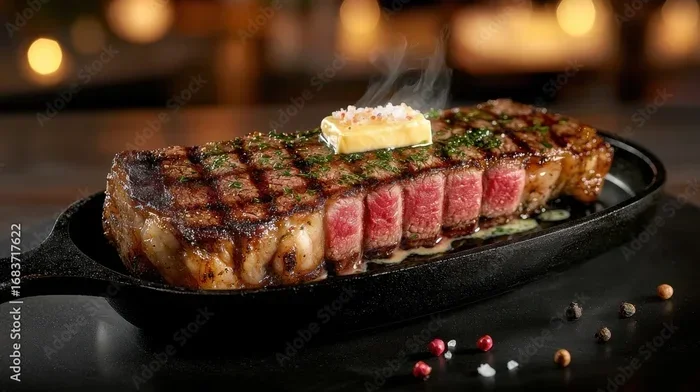
What Temp To Cook Ribeye Steak In Oven For Perfect Results
What Temp To Cook Ribeye Steak In Oven is an essential topic that provides valuable insights.
Key Takeaways
- Understanding What Temp To Cook Ribeye Steak In Oven: Provides essential knowledge
📑 Table of Contents
- Why Oven Cooking Is Great For Ribeye Steak
- Best Oven Temperature For Ribeye Steak
- How To Use A Meat Thermometer Like A Pro
- Step By Step: How To Cook Ribeye Steak In Oven
- Common Mistakes To Avoid When Baking Ribeye
- Quick Tips For The Perfect Oven Ribeye
- Expert Insights On Oven Ribeye Cooking
- Key Takeaways
- Conclusion
Why Oven Cooking Is Great For Ribeye Steak
Using an oven to cook ribeye steak gives you more control than a stovetop alone. The even heat surrounds the meat and cooks it consistently from edge to center. This method works especially well for thicker cuts of ribeye.
When you bake ribeye steak in oven, you can achieve a beautiful crispy crust on the outside while keeping the inside tender and juicy. The marbling in ribeye fat melts slowly in the oven, basting the meat from within. This creates a rich, buttery flavor that is hard to beat.
Oven cooking also frees up your stovetop for side dishes. You can roast vegetables, bake potatoes, or prepare a pan sauce while your steak finishes in the oven. It is a practical and reliable way to cook steak at home.
The Reverse Sear Method For Oven Ribeye
The reverse sear method is a popular technique for oven-cooked ribeye. You start by baking the steak at a low temperature and then finish it with a hot sear on the stovetop. This approach gives you an even pink center throughout the steak.
Here is how it works. You place the seasoned ribeye on a wire rack over a baking sheet. Then you put it in a low oven, around 250°F. The gentle heat slowly brings the steak up to your target internal temperature. Once it is close, you remove it and sear it in a smoking-hot cast iron skillet for about one minute per side.
This method is foolproof. It eliminates the common problem of a gray band between the crust and the pink center. The result is a uniformly juicy ribeye with a perfect crispy crust.
Best Oven Temperature For Ribeye Steak
The best temp to cook ribeye steak in oven depends on the thickness of your cut and the method you choose. Let us break down the most common approaches so you can pick the one that fits your style.
High Heat Method (450°F)
The high heat method is fast and straightforward. You preheat your oven to 450°F, place the seasoned ribeye on a rack or baking sheet, and bake for about 10 to 15 minutes. This works great for steaks that are about 1 to 1.5 inches thick.
With this method, the steak develops a nice brown crust quickly. The high temperature caramelizes the surface sugars and creates a flavorful sear even without a stovetop. Just keep a close eye on the steak internal temperature to avoid overcooking.
Low and Slow Method (250°F)
The low and slow approach uses a lower oven temperature of around 250°F. This takes longer, usually 20 to 30 minutes depending on thickness, but it gives you more control. The steak cooks gently and evenly, reducing the risk of a tough outer layer.
This method is ideal for thick-cut ribeye steaks, those 2 inches or more. It is also the preferred choice for the reverse sear method we discussed earlier. The low heat slowly renders the fat, making every bite melt-in-your-mouth tender.
Comparison Table: High Heat vs Low and Slow
- Temperature: 450°F vs 250°F
- Cooking Time: 10-15 minutes vs 20-30 minutes
- Best For: Thin to medium steaks vs thick-cut steaks
- Crust Development: Moderate vs needs final sear
- Control Level: Moderate vs High
- Fat Rendering: Quick vs Slow and thorough
How To Use A Meat Thermometer Like A Pro
A meat thermometer is the single most important tool for cooking ribeye steak in oven. Without one, you are guessing. With one, you know exactly when your steak reaches the perfect doneness level.
Insert the thermometer into the thickest part of the steak, avoiding bone or fat pockets. Wait about 10 seconds for the reading to stabilize. The temperature will continue to rise a few degrees after you remove the steak from the oven. This is called carryover cooking, and you need to account for it.
Internal Temperature Guide For Ribeye Doneness
- Rare: 120-125°F — deep red center, very soft
- Medium Rare: 130-135°F — pink center, juicy and tender
- Medium: 140-145°F — pink-to-light-pink center, firmer
- Medium Well: 150-155°F — slight pink, mostly firm
- Well Done: 160°F+ — gray throughout, very firm
Most steak lovers prefer medium rare because it brings out the best flavor and texture in ribeye. The marbling has enough time to melt and distribute, creating that signature buttery taste.
Step By Step: How To Cook Ribeye Steak In Oven
Now that you understand the temperatures and methods, let us walk through the full process. Follow these steps for a perfect oven-baked ribeye every time.
Step 1: Choose and Prep Your Steak
Start with a quality ribeye that is at least 1 to 1.5 inches thick. Look for good marbling — those white streaks of fat running through the meat. More marbling means more flavor and juiciness.
Take the steak out of the fridge 30 to 45 minutes before cooking. Let it come to room temperature. This helps the steak cook more evenly and reduces the cooking time. Pat it dry with paper towels and season generously with salt and pepper.
Step 2: Preheat and Position
Preheat your oven to the temperature you have chosen — 250°F for low and slow or 450°F for high heat. Place an oven rack in the center position so the heat circulates evenly around the steak.
If you are using the reverse sear method, place the seasoned steak on a wire rack set over a lined baking sheet. The wire rack allows air to flow underneath, promoting even cooking and a better crust later.
Step 3: Cook and Monitor
Put the steak in the oven and set a timer. For the high heat method, check the internal temperature after about 10 minutes. For the low and slow method, check every 10 minutes until you are about 5 degrees below your target.
Use your meat thermometer to monitor progress. Remember that carryover cooking will raise the temperature by 3 to 5 degrees after removal. Pull the steak early to account for this.
Step 4: Sear for a Crispy Crust
Heat a cast iron skillet over high heat until it is smoking hot. Add a high-smoke-point oil like avocado or grapeseed oil. Place the steak in the skillet and sear for 60 to 90 seconds per side.
For extra flavor, add a tablespoon of butter, crushed garlic, and fresh thyme to the pan during the last 30 seconds. Tilt the pan and spoon the butter basting mixture over the steak repeatedly. This creates a crispy crust and infuses the meat with incredible aroma.
Step 5: Rest Before Slicing
Transfer the steak to a cutting board and let it rest for at least 5 to 10 minutes. This is one of the most important steps people skip. Resting allows the juices to redistribute throughout the meat.
If you cut into the steak immediately, the juices will run out onto the cutting board instead of staying inside the meat. A proper rest ensures every slice is moist and flavorful.
Step 6: Slice and Serve
Use a sharp knife and slice against the grain. This shortens the muscle fibers and makes the steak much more tender. Serve with your favorite sides like roasted garlic mashed potatoes, grilled asparagus, or a simple wedge salad.
Common Mistakes To Avoid When Baking Ribeye
Even experienced cooks make mistakes when cooking ribeye steak in oven. Here are the most common errors and how to avoid them.
Skipping the Room Temperature Rest
Never cook a cold steak straight from the refrigerator. The cold center will cook unevenly, leaving you with a well-done edge and a raw middle. Always let your ribeye sit at room temperature for at least 30 minutes before it goes in the oven.
Not Using A Meat Thermometer
Timing alone is not reliable for oven-baked steak. Ovens vary, steaks vary in thickness, and carryover cooking plays a role. A meat thermometer removes all uncertainty and takes the guesswork out of the process.
Overcooking the Steak
It is easy to go from perfectly medium rare to dry and overcooked in just a few minutes. Pull the steak off the heat when it is a few degrees below your target. The carryover cooking will bring it up to the right temperature during the rest.
Neglecting the Sear
An oven-baked steak without a sear looks and tastes incomplete. The sear adds texture, aroma, and deep flavor through the Maillard reaction. Always finish your oven-cooked ribeye with a hot skillet sear for the best results.
Cutting Too Soon
Impatience is the enemy of a great steak. Cutting into it too early releases all those hard-earned juices. Trust the process and let the steak rest for at least 5 minutes before slicing.
Quick Tips For The Perfect Oven Ribeye
- Choose thick cuts: 1.5 to 2-inch ribeye steaks work best for oven cooking.
- Dry the surface: Pat the steak dry before seasoning for a better crust.
- Season generously: Use kosher salt and freshly cracked black pepper as a minimum.
- Preheat thoroughly: Give your oven at least 20 minutes to reach the target temperature.
- Use a wire rack: It promotes airflow and prevents the bottom from getting soggy.
- Let it rest: Always rest the steak for 5 to 10 minutes after cooking.
- Slice against the grain: This makes the steak noticeably more tender.
Expert Insights On Oven Ribeye Cooking
Professional chefs often emphasize that ribeye steak oven temperature is just one part of the equation. The quality of the meat, the seasoning, and the resting time all contribute equally to the final result.
Chef Thomas Keller once said that the secret to a great steak is simplicity. Let the quality of the ribeye speak for itself. Use minimal seasoning, cook it with precision, and resist the urge to overcomplicate things. A well-marbled ribeye needs very little to shine.
The reverse sear method has gained popularity among home cooks and professionals alike. It gives you the most control and produces the most consistent results. If you are serious about oven-cooked steak, this is the technique to master.
Another expert tip is to butter baste the steak during the final sear. The butter, combined with garlic and herbs, adds a layer of richness that elevates the steak from great to extraordinary. It takes just 30 extra seconds but makes a noticeable difference in flavor and aroma.
Remember that practice makes perfect. Each time you cook a ribeye steak in oven, you will learn more about your specific oven, your preferred doneness, and the exact timing that works best for you. Keep notes, adjust as you go, and enjoy the process.
Key Takeaways
- Ideal oven temperature: Use 250°F for low and slow or 450°F for high heat, depending on steak thickness.
- Always use a meat thermometer: This is the most reliable way to hit the perfect steak internal temperature.
- Medium rare is the sweet spot: Aim for 130-135°F for the best balance of flavor, juiciness, and texture.
- Account for carryover cooking: Pull the steak 3-5 degrees below your target and it will reach perfection during resting.
- Sear after baking: A hot skillet sear creates the crispy crust that makes oven-baked ribeye truly special.
- Rest before slicing: At least 5 to 10 minutes of resting keeps the steak juicy and flavorful.
- Slice against the grain: This simple step makes every bite noticeably more tender.
Conclusion
Cooking the perfect ribeye steak in oven is a skill anyone can learn. The key is understanding the right temp to cook ribeye steak in oven, using a meat thermometer, and following a few simple steps. Whether you prefer the high heat method for a quick weeknight dinner or the low and slow reverse sear for a special occasion, the results are delicious and impressive.
Start with a quality cut of ribeye with good marbling. Season it simply, cook it at the right ribeye steak oven temperature, and let it rest before serving. The juicy ribeye you pull out of your oven will be worth every minute of effort.
Now that you have all the knowledge and techniques, it is time to put them into practice. Grab a ribeye, preheat your oven, and cook a steak you will be proud to serve. Your family and guests will thank you. Happy cooking!
Frequently Asked Questions
What is the best temp to cook ribeye steak in oven?
The best ribeye steak oven temperature depends on your method. For a high heat approach, use 450°F for about 10 to 15 minutes. For a low and slow method, use 250°F for 20 to 30 minutes. The reverse sear method also uses 250°F for gentle, even cooking before a final hot sear.
How long should I cook a 2-inch ribeye steak in the oven?
A 2-inch ribeye steak takes approximately 15 to 20 minutes at 450°F for a high heat method. For the low and slow method at 250°F, it takes about 25 to 35 minutes. Always use a meat thermometer to check the internal temperature rather than relying on time alone.
Should I sear my ribeye before putting it in the oven?
Searing before the oven is optional but recommended. A quick sear on the stovetop for about one minute per side adds a crispy crust and deep flavor. If you prefer the reverse sear method, you skip the initial sear and finish with a hot skillet sear after the oven bake.
What internal temperature should ribeye steak reach?
For medium rare, pull the steak at 127-130°F. It will rise to 130-135°F during resting due to carryover cooking. For medium, pull at 137-140°F. Always let the steak rest for at least 5 to 10 minutes before slicing to lock in the juices.
Can I use a regular baking sheet for oven ribeye?
Yes, but a wire rack works much better. A wire rack allows hot air to circulate around the steak, promoting even cooking and a better crust. If you use a baking sheet, place the steak on the center rack and avoid stacking or covering it during cooking.
How do I know when my ribeye is done without a meat thermometer?
Without a meat thermometer, you can use the touch test. Press the center of the steak with your finger. A rare steak feels soft and squishy, medium rare feels slightly firm with a give, and well done feels very firm. However, a meat thermometer is far more accurate and the recommended tool for consistent results.