How To Cook Swiss Chard In Oven For Delicious Results
Learning how to cook Swiss chard in the oven is one of the easiest ways to enjoy this nutritious green. Whether you want crispy leaves, tender stems, or a flavorful side dish, oven roasting brings out the best in Swiss chard. This guide covers everything from prep to seasoning, so you can make delicious oven-baked greens with confidence.
Have you ever walked past a bunch of Swiss chard at the grocery store and thought, “I have no idea what to do with this”? You are not alone. This vibrant green vegetable looks beautiful, but many people skip it because they do not know how to cook it. The good news is that cooking Swiss chard in the oven is incredibly simple, fast, and rewarding.
Oven roasting Swiss chard transforms it from a humble leafy green into a crispy, flavorful side dish. Unlike boiling or steaming, the dry heat of the oven caramelizes the natural sugars in the leaves. This creates a depth of flavor that is hard to beat. Whether you are a cooking beginner or a seasoned home chef, you will find this method easy and satisfying.
In this guide, I will walk you through every step of roasting Swiss chard in the oven. We will cover how to prep it, what temperature to use, how long to cook it, and the best seasonings. By the end, you will feel confident enough to make this dish every week. Let us get started!
Key Takeaways
- Oven roasting is the best method for cooking Swiss chard: It brings out natural sweetness and creates a satisfying texture.
- Proper prep makes all the difference: Washing, drying, and separating stems from leaves ensures even cooking.
- Seasoning is simple but powerful: Olive oil, garlic, salt, and lemon transform Swiss chard into a crowd-pleaser.
- You can make Swiss chard chips: A healthy, crispy snack that kids and adults love.
- Roasting time and temperature matter: 400°F for 10-15 minutes gives perfect results every time.
- Swiss chard is packed with nutrition: It is rich in vitamins A, C, and K, plus iron and fiber.
- You can customize this recipe easily: Add cheese, nuts, or spices to match your taste.
📑 Table of Contents
Why Cook Swiss Chard in the Oven?
You might be wondering why oven roasting is the go-to method for oven-baked greens. There are several great reasons, and they all point to better flavor and easier cooking.
First, roasting requires very little hands-on time. You wash the chard, toss it with oil and seasoning, and let the oven do the work. While it cooks, you can prepare the rest of your meal. This makes roasted Swiss chard a perfect side dish for busy weeknights.
Second, oven roasting creates texture that other cooking methods cannot match. The edges of the leaves get crispy, while the thicker stems stay tender. This contrast makes every bite interesting and enjoyable.
Third, roasting preserves more nutrients than boiling. When you boil vegetables, many vitamins leach into the water. Roasting keeps those nutrients locked inside the leaves. So you get both great taste and Swiss chard health benefits in every serving.
Nutritional Benefits of Swiss Chard
Swiss chard is one of the most nutrient-dense leafy greens you can eat. A single cup of cooked Swiss chard provides more than your daily requirement of vitamin K. It is also rich in vitamins A and C, which support your immune system and skin health.
Beyond vitamins, Swiss chard contains important minerals like magnesium, potassium, and iron. The fiber content supports healthy digestion. And because it is low in calories, you can eat generous portions without worry.
If you are looking for healthy side dishes that are simple to make, roasted Swiss chard checks every box. It is nutritious, delicious, and incredibly easy to prepare.
How to Prepare Swiss Chard for the Oven
Preparation is the most important step when learning how to cook Swiss chard in the oven. Taking a few extra minutes to prep properly will save you from uneven cooking and tough, chewy results.
Washing and Drying
Start by filling a large bowl with cold water. Submerge the Swiss chard and swish it around gently. Dirt and sand will sink to the bottom. Lift the chard out and repeat if needed. Do not skip this step, especially if you are buying from a farmers market.
After washing, you need to dry the chard thoroughly. Use a salad spinner or pat the leaves dry with clean kitchen towels. Moisture on the leaves creates steam in the oven, which leads to soggy results instead of crispy oven-roasted vegetables.
Separating Stems from Leaves
Swiss chard stems are thicker and take longer to cook than the leaves. To get everything done at the same time, you need to separate them. Hold the base of each stem and strip the leaf away with your other hand. It is quick and easy once you get the hang of it.
Chop the stems into small pieces, about half an inch long. Tear or cut the leaves into bite-sized pieces. The stems can be a little tough, so keeping them small helps them cook through evenly.
Tossing with Oil and Seasoning
Place the stems and leaves in a large bowl. Drizzle with olive oil and toss well. You want every piece lightly coated, not dripping wet. Use about one tablespoon of oil per large bunch of Swiss chard.
Add salt, pepper, and any other seasonings you like at this stage. Tossing everything together before it hits the pan ensures even flavor. This simple step makes a huge difference in the final taste of your Swiss chard recipes.
The Best Oven Temperature and Time
Getting the temperature and timing right is the key to perfect baked chard every time. Here is what you need to know.
Recommended Temperature
Set your oven to 400°F (200°C). This is the sweet spot for roasting leafy greens. It is hot enough to crisp the edges quickly but not so hot that the leaves burn before the stems cook through.
If your oven runs hot, you can drop the temperature to 375°F. If it runs cool, try 425°F. Knowing your oven is important for consistent results with oven-baked greens.
Cooking Time Guidelines
Most Swiss chard cooks in 10 to 15 minutes at 400°F. The stems may need the full 15 minutes, while the leaves can be done in as little as 8 minutes.
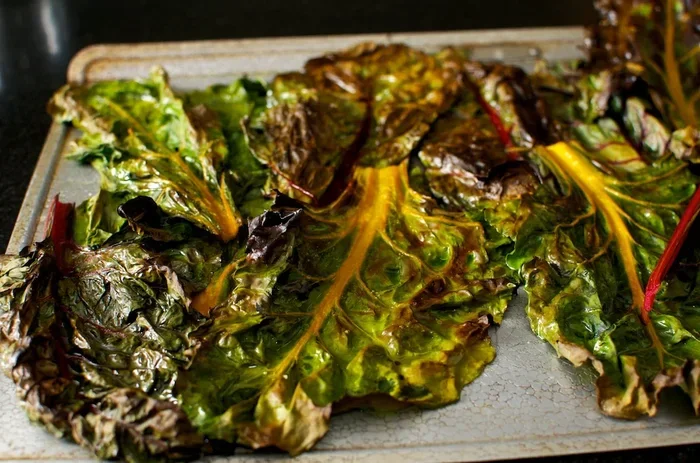
Start checking the chard at the 8-minute mark. The leaves should look slightly shrunken and the edges should be lightly crispy. The stems should be tender when you pierce them with a fork. If they still feel hard, give them a few more minutes.
Keep an eye on the chard toward the end of cooking. It can go from perfectly done to overcooked very quickly. Every oven is different, so trust your eyes and fork test more than the clock.
Using a Baking Sheet vs. Roasting Pan
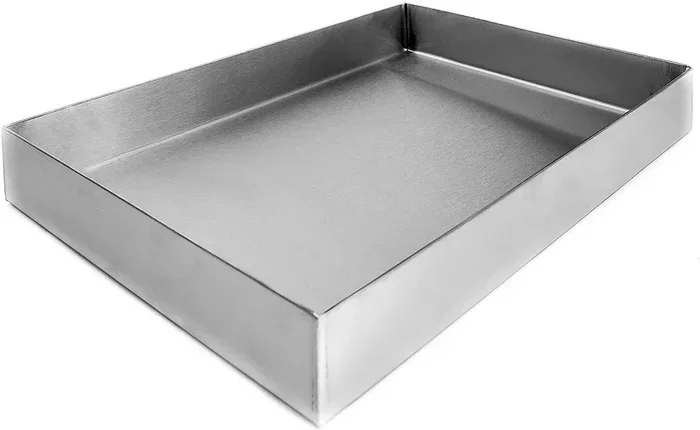
A rimmed baking sheet works perfectly for roasting Swiss chard. The rim keeps the leaves from falling off the pan. Line it with parchment paper for easy cleanup.
Avoid using a deep roasting pan because it traps steam. You want the heat to circulate freely around the chard. A single layer is important too. If you overcrowd the pan, the chard will steam instead of roast, and you will not get that nice crispy chard texture.
Seasoning Ideas for Roasted Swiss Chard
One of the best things about cooking Swiss chard in the oven is how versatile it is. You can keep it simple or get creative with flavors. Here are some great seasoning combinations to try.
Classic Mediterranean Style
For a simple and delicious approach, use olive oil, minced garlic, salt, pepper, and a squeeze of fresh lemon juice after cooking. This classic combination lets the natural flavor of the chard shine. Add a pinch of red pepper flakes if you like a little heat.
Cheesy and Savory
Sprinkle grated Parmesan cheese over the chard during the last two minutes of cooking. The cheese melts into a golden, crispy coating that is absolutely irresistible. Pecorino Romano is another excellent option for a sharper flavor.
Asian-Inspired Flavors
Try drizzling the roasted chard with a mix of sesame oil, soy sauce, and a touch of rice vinegar. Sprinkle with sesame seeds and sliced green onions. This gives your greens roasting a completely different but equally delicious profile.
Sweet and Spicy
Toss the chard with a little honey or maple syrup, smoked paprika, and cayenne pepper before roasting. The sweetness balances the heat beautifully. This version pairs wonderfully with grilled meats or roasted root vegetables.
Nutty and Crunchy
Add toasted pine nuts or sliced almonds right after the chard comes out of the oven. The crunch pairs perfectly with the tender leaves. You can also toss in dried cranberries or raisins for a sweet contrast.
Common Mistakes to Avoid
Even though roasting Swiss chard is straightforward, a few common mistakes can ruin the results. Here is what to watch out for when making Swiss chard recipes in the oven.
Skipping the Drying Step
This is the number one mistake people make. Wet leaves create steam in the oven, which leads to limp, soggy chard instead of crispy baked chard. Always dry your washed chard thoroughly before tossing it with oil.
Overcrowding the Pan
It is tempting to fit everything on one sheet pan, but this is a mistake. Overcrowding traps steam and prevents proper roasting. Use two baking sheets if you have a large bunch of chard. Your patience will be rewarded with better texture and flavor.
Cooking the Stems and Leaves Together
If you do not separate the stems from the leaves, you will end up with either overcooked leaves or undercooked stems. Take the extra two minutes to separate them. Your oven-roasted vegetables will turn out much better as a result.
Adding Salt Too Late
Salt draws moisture out of the leaves. If you add it right before roasting, you will end up with wet chard. Toss the salt with the oil first and let it coat every piece evenly. This small timing change makes a big difference.
Overcooking the Chard
Swiss chard goes from perfectly done to overcooked in just a couple of minutes. Watch it closely during the last few minutes. You want the leaves to be slightly crispy at the edges but still tender in the center. It is better to pull it out a little early because the residual heat will continue cooking it on the hot pan.
Serving Suggestions and Meal Ideas
Once you have mastered how to cook Swiss chard in the oven, you will want to use it in all kinds of meals. Here are some serving ideas to inspire you.
Serve roasted Swiss chard alongside grilled chicken or fish. The bright, slightly bitter flavor pairs beautifully with protein. It also works wonderfully as a bed for scrambled eggs at breakfast.
Add it to pasta dishes for extra nutrition and color. Toss it into a grain bowl with quinoa, roasted vegetables, and a tahini dressing. Or use it as a pizza topping in the last minute of baking.
For a simple appetizer, make Swiss chard chips by roasting the leaves at a slightly lower temperature until they are fully crispy. They make a healthier alternative to potato chips and are perfect for parties or snacking.
Leftover roasted Swiss chard keeps well in the refrigerator for two to three days. Reheat it in the oven or a hot skillet to maintain the texture. It also works well in frittatas, soups, and stews added at the end of cooking.
Expert Tips for Perfect Roasted Swiss Chard
Here are some insider tips that will elevate your Swiss chard oven recipes from good to great.
Use the freshest chard you can find. Fresh chard has more vibrant color and better texture after roasting. Look for bright green leaves and firm, crisp stems at your local market.
Do not be afraid of high heat. Some people worry that 400°F will burn the leaves, but the high temperature is what creates the crispy edges and caramelized flavor. Just keep an eye on it during the last few minutes.
Experiment with different oils. While olive oil is the most common choice, avocado oil has a higher smoke point and can give you even crispier results. Coconut oil adds a subtle sweetness that pairs well with certain seasonings.
Let the pan cool slightly before serving. The chard continues to crisp up as it rests on the hot pan for a minute or two. This resting period makes a noticeable difference in texture.
Season after roasting if you prefer. Some people find that adding a finishing sprinkle of flaky sea salt or a squeeze of lemon juice after cooking brings out the flavor even more. This is a matter of personal preference, so feel free to try both ways.
Store leftover roasted chard properly. Place it in an airtight container in the refrigerator. It will keep for up to three days. Reheating in the oven at 350°F for five minutes restores the crispiness better than microwaving.
Frequently Asked Questions
Can you eat Swiss chard stems?
Yes, absolutely! Swiss chard stems are edible and nutritious. However, they are thicker than the leaves, so they need more cooking time. That is why it is best to chop them into small pieces and roast them alongside the leaves, or add them to the pan a few minutes earlier.
Is roasted Swiss chard healthy?
Roasting Swiss chard is one of the healthiest cooking methods. It preserves most of the vitamins and minerals while adding minimal calories. The olive oil helps your body absorb fat-soluble vitamins like vitamin K and vitamin A even better.
How do you keep Swiss chard from getting soggy in the oven?
The key is to dry the chard thoroughly after washing. Also, make sure you do not overcrowd the baking sheet. A single layer with space between each piece allows hot air to circulate and creates crispy results instead of steamed greens.
Can you make Swiss chard chips in the oven?
Yes! Swiss chard chips are easy to make. Use the same preparation method but roast at a slightly lower temperature around 350°F for 10 to 15 minutes. Check them frequently because they can burn quickly once they start crisping up.
What temperature is best for cooking Swiss chard in the oven?
400°F is the ideal temperature for roasting Swiss chard. It cooks the stems through while crisping the leaf edges perfectly. If your oven tends to run hot, reduce to 375°F. If it runs cool, try 425°F for slightly faster cooking.
How long does roasted Swiss chard last in the fridge?
Roasted Swiss chard stores well in the refrigerator for two to three days. Keep it in an airtight container. Reheat in the oven or a hot skillet to maintain the best texture. Microwaving tends to make it soggy, so avoid that method if possible.
Conclusion
Cooking Swiss chard in the oven is one of the simplest and most rewarding things you can do in the kitchen. It takes just a few minutes of prep and under 15 minutes of roasting to turn a bunch of greens into a delicious, crispy, and nutritious side dish. Once you try it, you will wonder why you ever boiled Swiss chard in the first place.
The beauty of this method lies in its simplicity and versatility. You can keep it classic with olive oil and garlic, or get adventurous with cheese, nuts, and spices. Every time you roast Swiss chard, you can make it a little different and still get fantastic results.
Remember the key steps: wash and dry thoroughly, separate stems from leaves, toss with oil and seasoning, spread in a single layer, and roast at 400°F for 10 to 15 minutes. Follow these basics and you will have perfect oven-baked greens every single time.
Now that you know how easy it is, give it a try this week. Pick up a bunch of Swiss chard at your local store or farmers market. Roast it in the oven, and taste the difference for yourself. Once you start making this healthy side dish regularly, you will not look back. Happy cooking!