How Long Do You Bake Meatloaf In The Oven For Perfect Results
Learn exactly how long to bake meatloaf in the oven for perfect results. This guide covers baking times, oven temperatures, and tips to keep your meatloaf juicy and flavorful. Whether you use a loaf pan or free-form, you’ll get foolproof cooking times.
Making a meatloaf is one of the easiest ways to feed a hungry family. It’s a comfort food classic that works for a busy family dinner or a weekend easy meatloaf recipe. But one question always comes up: how long do you bake meatloaf in the oven? The answer isn’t always the same. It depends on the size of your loaf, the oven temperature, and the ingredients you use. This guide will walk you through every step so you get perfect results every time.
You’ll learn the exact baking time, the best oven temperature, and simple tricks to keep your meatloaf juicy. Whether you’re using a standard loaf pan or making mini loaves, I’ll cover it all. I’ll also share my favorite meatloaf glaze recipe and common mistakes to avoid. By the end, you’ll feel confident enough to make oven-baked meatloaf like a pro. Let’s dive in.
Before we start, remember that a great meatloaf recipe starts with quality ingredients. Use fresh ground beef or a mix of meats. Add breadcrumbs, an egg, and your favorite seasoning. Don’t overmix. The goal is a tender, flavorful loaf that slices cleanly. Now, let’s talk about cooking time and oven temperature so you can nail it every single time.
Key Takeaways
- Standard baking time: Most meatloaves bake for 45 to 60 minutes at 350°F.
- Internal temperature matters: Cook until the center reaches 160°F for safety and juiciness.
- Size affects time: A large loaf takes longer than mini meatballs or a small loaf.
- Resting is key: Let meatloaf rest for 10 minutes before slicing to hold its shape.
- Glaze adds flavor: A simple ketchup or tomato glaze improves taste and appearance.
- Avoid overcooking: Use a meat thermometer to prevent dry, crumbly meatloaf.
📑 Table of Contents
How Long Do You Bake Meatloaf In The Oven?
The short answer is 45 to 60 minutes at 350°F for a standard 2-pound loaf. But the full baking time varies based on several factors. Let’s break it down so you never have to guess again.
What Affects Baking Time?
Several things change how long your meatloaf needs in the oven. Understanding these helps you adjust your cooking time with confidence.
- Size and weight: A larger loaf takes more time. A small loaf or meatballs cook much faster.
- Pan type: Metal pans conduct heat quickly. Glass pans heat slower and may need a few extra minutes.
- Oven accuracy: Many home ovens run hot or cold. Use an oven thermometer if you’re unsure.
- Ingredients: Lean meats like turkey cook faster than fatty beef. Adding vegetables or grains can change moisture and timing.
- Covered vs. uncovered: Covering with foil traps steam and can shorten baking time. Uncovering promotes browning.
Standard Baking Time at 350°F
Most meatloaf recipes call for a 350°F oven temperature. This is the sweet spot for even cooking without drying out. For a standard 9×5-inch loaf pan holding about 1.5 to 2 pounds of meat, plan for 45 to 60 minutes.
Quick Tip: Start checking for doneness at the 45-minute mark. Use a meat thermometer to avoid overcooking. The center should reach 160°F for beef or pork.
Quick Reference Chart
Here’s a simple table to guide you. These times are for a 350°F oven and assume a standard loaf shape.
| Loaf Size | Weight | Oven Temp | Baking Time |
|---|---|---|---|
| Standard loaf (9×5 inch) | 1.5–2 lbs | 350°F | 45–60 min |
| Large loaf (10×5 inch) | 2–3 lbs | 350°F | 60–75 min |
| Mini loaves (4×3 inch) | 0.5 lb each | 350°F | 25–35 min |
| Free-form round | 1.5 lbs | 350°F | 40–55 min |
| Meatloaf in muffin tin | 0.25 lb each | 350°F | 20–25 min |
Expert Insight: “The shape of your meatloaf changes the cooking time more than you might think. A free-form loaf on a sheet pan cooks faster than a loaf stuck in a pan because more surface area is exposed to heat.”
The Best Oven Temperature for Meatloaf
Temperature is the second most important factor after baking time. Getting the oven temperature right ensures your meatloaf cooks evenly and stays moist.
Why 350°F Is the Sweet Spot
A 350°F oven temperature allows the meatloaf to cook slowly and evenly. The heat penetrates the center without burning the outside. This temperature also lets a meatloaf glaze caramelize beautifully in the last 15 minutes.
Most easy meatloaf recipes use 350°F because it’s forgiving. Even if you’re a few minutes off, the results are still great. It’s the go-to oven temperature for comfort food classics.
Can You Bake at 375°F or 400°F?
Yes, you can. A slightly higher temperature like 375°F reduces cooking time and gives a crispier top. It’s a great choice if you’re short on time. Just watch the loaf closely to prevent drying.
Baking at 400°F speeds things up even more. This works well for smaller loaves or when you want a deeply browned crust. However, the risk of a dry interior is higher. If you choose 400°F, check the internal temp early and often.
On the other hand, some cooks prefer a lower temperature like 325°F for a very moist, slow-baked loaf. This method takes longer but yields incredibly tender results. It’s a great meatloaf tip for special occasions.
Temperature vs. Time Trade-offs
Lower oven temperature means longer baking time and more moisture. Higher temperature means shorter time and a firmer crust. No matter what you choose, always use a meatloaf internal temperature of 160°F as your final guide.
Quick Tip: If you’re in a hurry, bump the oven to 375°F, but start checking the internal temp at 40 minutes. A reliable thermometer removes all guesswork.
Meatloaf Baking Time by Size and Shape
The size and shape of your meatloaf directly impact the baking time. A standard loaf pan is the most common, but free-form loaves and mini loaves are popular too. Let’s look at each option.
Standard Loaf Pan Timing
A 9×5-inch loaf pan is the classic choice. It holds about 1.5 to 2 pounds of meat mixture. At 350°F, this size needs 45 to 60 minutes of cooking time.
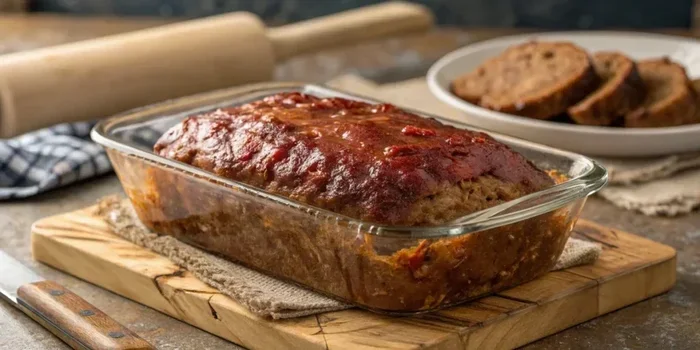
When the loaf is done, the top should be firm and browned. The edges may pull slightly away from the pan. Let the meatloaf rest in the pan for 10 minutes before turning it out onto a cutting board. This rest meatloaf step helps it hold together when sliced.
Free-Form Loaf and Rolled Meatloaf
A free-form loaf is shaped by hand on a lined sheet pan. Because it has more surface area, it cooks faster than a pan-bound loaf. Expect a 1.5-pound free-form loaf to bake in 40 to 55 minutes at 350°F.
Rolled meatloaf, often called a “meat log,” follows similar timing. You can tie it with kitchen twine for a pretty presentation. The baking time is the same as a free-form loaf of similar weight.
Mini Meatloaves and Muffin Tin
Mini loaves are perfect for portion control or a fun family dinner twist. They fit in a muffin tin or small bread pans. Each mini loaf (about 0.5 pound) bakes in just 25 to 35 minutes at 350°F.
Meatloaf muffins are even faster. They take only 20 to 25 minutes. Kids love them because they look like cupcakes. You can also freeze leftover meatloaf muffins for quick lunches. Just reheat in the microwave for a minute.
| Shape | Weight per Serving | Oven Temp | Baking Time |
|---|---|---|---|
| Standard loaf (9×5 inch) | 1.5–2 lbs total | 350°F | 45–60 min |
| Large loaf (10×5 inch) | 2–3 lbs total | 350°F | 60–75 min |
| Free-form round | 1.5 lbs total | 350°F | 40–55 min |
| Mini loaves (4×3 inch) | 0.5 lb each | 350°F | 25–35 min |
| Muffin tin | 0.25 lb each | 350°F | 20–25 min |
Expert Insight: “I always tell home cooks to think of meatloaf moisture as a trade-off with surface area. More exposed surface means faster cooking but also faster moisture loss. Use a glaze to lock in juice for free-form loaves.”
How to Tell When Meatloaf Is Done
Knowing when your meatloaf is ready is just as important as the baking time. Relying on the clock alone can lead to dry or undercooked meatloaf. Here are the best methods.
Internal Temperature Guide
The only foolproof way to check doneness is with a meat thermometer. Insert it into the center of the loaf, avoiding the bottom of the pan. For beef, pork, or a mix, the internal temperature should read 160°F. For chicken or turkey meatloaf, aim for 165°F.
Quick Tip: Buy a instant-read thermometer. It gives you a reading in seconds and takes the guesswork out of how long do you bake meatloaf in the oven. It’s a small tool that makes a big difference.
Visual and Touch Clues
If you don’t have a thermometer, look for these signs. The top should be deeply browned and firm to the touch. When you press the center, it should spring back quickly. The juices that run out should be clear, not pink or red.
Another clue is the edges. They should be pulling away from the sides of the pan slightly. However, visual cues are not as reliable as a thermometer. Always double-check with a probe if you’re unsure.
The Toothpick Test (for Smaller Loaves)
For mini loaves or muffins, you can use the toothpick test. Insert a toothpick into the thickest part. If it comes out clean or with just a few moist crumbs, the meatloaf is done. For a full-size loaf, this test isn’t practical because the center is too deep.
Common Mistake: Don’t rely on the toothpick test for a standard loaf. The outer layers can be done while the center is still undercooked. Always use a thermometer for large loaves.
Tips for Juicy, Flavorful Meatloaf
Great meatloaf moisture comes from the right ingredients and technique. These meatloaf tips will elevate your next family dinner from good to unforgettable.
Keep It Moist with the Right Ingredients
The secret to a juicy oven-baked meatloaf is balancing lean and fatty meats. An 80/20 ground beef blend adds flavor and moisture. If you use extra-lean beef, add a bit of grated onion or finely chopped mushrooms to boost juiciness.
Don’t skip the binders. Breadcrumbs and an egg hold the loaf together. Soak the breadcrumbs in milk or broth before mixing—this is a secret meatloaf tip from old-school cooks. It adds moisture and prevents a dense texture.
Mix gently with your hands. Overmixing develops gluten in the breadcrumbs, making the meatloaf tough. Stir just until everything is combined. Think of it as “barely holding together.”
Season well with salt, pepper, garlic powder, and onion powder. Fresh herbs like parsley or thyme add a bright note. Taste the raw mixture (a small patty) and adjust seasoning before shaping the loaf.
The Power of a Glaze
A meatloaf glaze does more than add flavor. It creates a caramelized top that locks in moisture. The classic glaze is ketchup, brown sugar, and a splash of vinegar. Mix them together and spread over the loaf during the last 15 minutes of cooking time.
You can also use a mustard glaze or tomato-basil sauce. For a sweet and tangy twist, try a maple-mustard glaze. The glaze should go on late so it doesn’t burn. Brush it on once or twice during the final 15 minutes for a glossy finish.
Quick Tip: If you’re watching sugar intake, swap brown sugar for a sugar-free ketchup and add a pinch of smoked paprika for depth. The flavor still pops.
Let It Rest
Resting is one of the most overlooked meatloaf tips. When you take the meatloaf out of the oven, the internal temperature continues to rise slightly. This carryover cooking finishes the job. More importantly, resting lets the juices redistribute throughout the loaf.
Tent the meatloaf loosely with aluminum foil and let it sit for 10 minutes. Then turn it out onto a cutting board. If you slice too soon, the juices run onto the plate instead of staying in the meat. A well-rested leftover meatloaf also slices much cleaner.
Common Mistakes That Ruin Meatloaf
Even with a great recipe, small mistakes can lead to dry, crumbly, or falling-apart meatloaf. Here are the top errors and how to avoid them.
Overmixing the Meat
This is the number one meatloaf mistake. When you work the meat too much, the proteins tighten and squeeze out moisture. The result is a dense, rubbery loaf. Use your hands and mix gently. Stop as soon as the breadcrumbs, egg, and seasoning are evenly distributed.
Expert Insight: “I see home cooks overmix all the time. Treat the meatloaf mixture like you would a burger patty—just enough to hold together, no more.”
Skipping the Rest
Cutting into a meatloaf right out of the oven is tempting. But it releases all the built-up juices onto the cutting board. The loaf falls apart and becomes dry on the plate. Always give it 10 minutes of rest. This applies to leftover meatloaf too—reheat gently so you don’t squeeze out moisture.
Using the Wrong Pan
Dark nonstick pans can overcook the bottom of your meatloaf. The dark surface absorbs more heat and creates a hard, burnt crust. Instead, use a light-colored metal loaf pan or line a pan with parchment paper.
Glass pans are another issue. They heat up slowly and can cause the bottom to stay soggy while the top overcooks. If you must use a glass dish, reduce the oven temperature by 25°F and check for doneness early.
Conclusion
So, the next time you ask yourself, how long do you bake meatloaf in the oven, remember these simple guidelines. A standard 2-pound loaf needs 45 to 60 minutes at 350°F. Always check the internal temperature—160°F is the safe target. Use a glaze in the last 15 minutes for a beautiful, caramelized top. Let the loaf rest for 10 minutes before slicing to keep it juicy.
With the right oven temperature and a little patience, you’ll serve up a comfort food classic that everyone will love. Whether it’s a weekday family dinner or a special occasion, oven-baked meatloaf never disappoints. Now it’s your turn—grab your ingredients, preheat the oven, and enjoy the process. Happy cooking!
Frequently Asked Questions
Can I bake meatloaf at 400°F?
Yes, you can bake meatloaf at 400°F, but it requires closer attention. The higher temperature reduces cooking time and creates a crispier crust. However, the risk of drying out is higher, so start checking the internal temperature early.
How do I know if meatloaf is done without a thermometer?
Without a thermometer, look for a deeply browned top that feels firm when pressed. The juices should run clear, not pink. For smaller loaves, you can use the toothpick test—insert a toothpick into the center and pull it out clean.
What is the best meatloaf recipe for beginners?
A simple beginner recipe uses 1 pound of ground beef, 1/2 cup of breadcrumbs, one egg, and a basic seasoning mix. Combine gently, shape into a loaf, and bake at 350°F for about 50 minutes. Glaze with ketchup in the last 15 minutes for a classic flavor.
Can I make meatloaf ahead of time and reheat it?
Yes, you can make meatloaf ahead of time and reheat it. Let it cool completely, then wrap tightly and refrigerate for up to 4 days. Reheat in the oven at 325°F covered with foil to keep it moist. You can also freeze cooked meatloaf for up to 3 months.
Why did my meatloaf fall apart?
Meatloaf falls apart when there are not enough binders like eggs and breadcrumbs, or when it’s cut too soon. Let the loaf rest for at least 10 minutes before slicing so the juices set. Also, avoid overmixing, which can make the meatloaf crumbly.
How long can I store leftover meatloaf in the fridge?
Leftover meatloaf keeps in the refrigerator for 3 to 4 days when stored in an airtight container. For longer storage, wrap individual slices tightly and freeze them for up to 3 months. Reheat gently in the oven or microwave to preserve moisture.