How Hot Can A Conventional Oven Get And Why It Matters
A conventional oven can typically reach temperatures between 500°F and 550°F (260°C to 290°C). Understanding your oven’s heat range helps you cook food safely, avoid damage, and get better results every time. This guide covers everything from standard baking temperatures to maximum heat limits and why they matter for your kitchen.
Have you ever wondered how hot your oven can actually get? It is a simple question, but the answer affects everything from your weekend roasts to your weekday pizza nights. How hot can a conventional oven get is a topic that surprises a lot of home cooks.
Most people set their ovens to 350°F or 400°F and never think twice about the upper limits. But knowing the full temperature range of your oven helps you cook better, stay safe, and avoid costly mistakes. Whether you are baking bread or broiling steak, understanding heat limits makes a real difference.
This guide breaks down everything you need to know. We will cover standard temperature ranges, why they matter, how to check your oven’s accuracy, and essential safety tips. By the end, you will feel more confident every time you preheat your oven.
Key Takeaways
- Standard Range: Most household ovens reach 500°F to 550°F as their maximum heat output.
- Why It Matters: Knowing your oven’s limits helps you cook safely and get consistent results.
- Temperature Accuracy: Ovens can be off by 25°F or more, so an oven thermometer is a must-have tool.
- Safety First: Exceeding your oven’s rated temperature can damage the heating element and pose fire risks.
- Broil vs. Bake: The broil setting often reaches higher temperatures than the bake setting.
- Self-Cleaning Mode: This cycle uses extreme heat, sometimes exceeding 900°F, which is far above normal cooking temps.
- Calibration Matters: Regularly checking your oven’s accuracy extends its life and improves your cooking.
📑 Table of Contents
- What Is A Conventional Oven And How Hot Can It Get
- Why Knowing Your Oven’s Heat Range Matters
- Understanding Temperature Settings And Limits
- How To Measure And Verify Your Oven Temperature
- Safety Tips For High-Heat Cooking
- Common Oven Temperature Problems And How To Fix Them
- Expert Insights On Oven Heat And Cooking Performance
- Key Takeaways
- Conclusion
What Is A Conventional Oven And How Hot Can It Get
A conventional oven uses heating elements located at the top and bottom to generate heat. The hot air circulates naturally inside the cavity to cook your food. Unlike a convection oven, there is no fan to force the hot air around.
So, how hot can a conventional oven get in practice? Most standard household models reach a maximum temperature of 500°F to 550°F (260°C to 290°C). Some higher-end models may push slightly beyond that range, but 550°F is the common ceiling for most kitchen ovens.
Typical Temperature Ranges For Common Oven Types
Different ovens serve different purposes, and their heat limits vary. Here is a quick look at what you can expect:
- Standard Kitchen Oven: 500°F to 550°F maximum. This is what most homes have.
- Wall-Mounted Oven: Usually 500°F to 550°F. Compact but powerful enough for everyday cooking.
- Gas Conventional Oven: 500°F to 550°F. Gas ovens tend to heat up faster than electric ones.
- Electric Conventional Oven: 500°F to 550°F. Electric models often offer more even heat distribution.
- Commercial Oven (Residential Grade): Some reach 600°F or slightly above, but these are rare in homes.
These ranges apply to the bake setting specifically. Other settings, like broil or self-clean, can push temperatures much higher. We will cover those in detail below.
Why Knowing Your Oven’s Heat Range Matters
You might think, “I just set my dial and forget it.” But understanding your oven’s heat range is more important than most people realize. It affects cooking quality, safety, and the longevity of your appliance.
Cooking Quality And Consistency
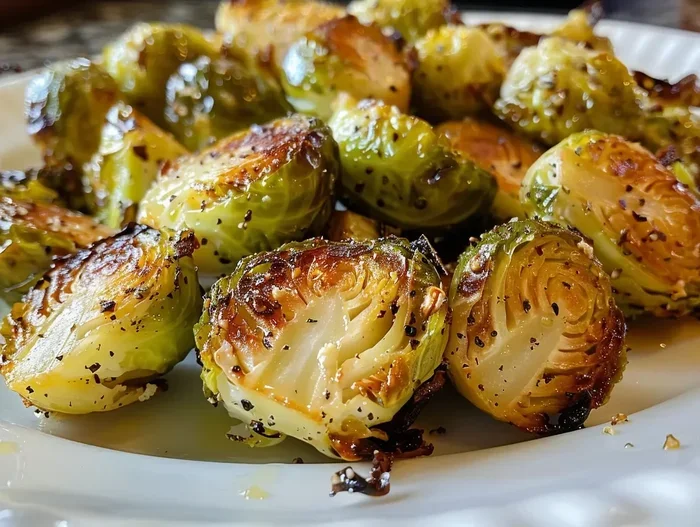
Every recipe has a recommended temperature. If your oven cannot reach that temperature, your food will not cook properly. For example, high-heat cooking like roasting vegetables at 450°F or making pizza at 500°F requires your oven to perform at its best.
When your oven struggles to hit the target temperature, you end up with unevenly cooked food. The outside might burn while the inside stays raw. Knowing your oven’s limits helps you choose the right cooking temperature guide for each dish.
Safety Considerations
Exceeding your oven’s rated temperature is dangerous. The oven heating element can burn out, insulation can degrade, and in worst cases, you risk a fire hazard. Staying within the recommended thermal limit protects your home and your family.
Most ovens have built-in safety features. The oven thermostat shuts off the heat if temperatures go too high. But these systems are not foolproof. Understanding your oven’s limits means you are less likely to push it too far.
Appliance Longevity
Ovens that are regularly pushed to their maximum heat tend to wear out faster. The heating elements degrade, the thermostat becomes less accurate, and the door seals can weaken. Treating your oven well by staying within its designed range helps it last longer.
Understanding Temperature Settings And Limits
Your oven has different settings, and each one operates at a different heat level. Let us break down what each setting means and how hot it can get.
Bake Setting
The bake setting is the most commonly used function. It heats the bottom element and uses the top element for moderate heat. Most ovens allow the bake setting to reach up to 500°F or 550°F.
For everyday tasks like baking cookies, cakes, or casseroles, you rarely need to go above 450°F. But knowing that your oven can go higher gives you flexibility for roasting and other high-heat tasks.
Broil Setting
The broil setting uses only the top heating element. It generates intense direct heat, similar to a grill. Broil temperatures can reach 500°F to 550°F, and in some models, even higher.
Broiling is great for melting cheese, browning the top of casseroles, or cooking thin cuts of meat quickly. Because the heat comes from above, it is very different from baking. Keep a close eye on food when broiling, as it can burn fast.
Self-Cleaning Cycle
This is where things get extreme. The self-cleaning cycle heats the oven to temperatures between 800°F and 900°F. At these temperatures, food residue turns to ash, making cleanup easy.
However, this is not a cooking setting. It is a maintenance function that should only be used occasionally. The extreme heat during a self-cleaning cycle temperature can produce smoke and fumes. Always ventilate your kitchen and remove any large food debris before starting the cycle.
convection vs. Conventional
It is worth noting the difference between a conventional oven and a convection oven. A convection oven has a fan that circulates hot air, leading to more even cooking. Both types reach similar maximum temperatures, but convection ovens cook faster and more evenly at lower temperatures.
When comparing conventional oven vs convection, the heat range is often the same. The difference lies in how the heat is distributed. Convection ovens can also run at slightly lower temperatures for the same results, which some cooks prefer.
How To Measure And Verify Your Oven Temperature
Here is a surprising fact: most ovens are off by 25°F or more from the temperature they display. This means your oven might be set to 400°F but actually running at 375°F or 425°F.
Why Ovens Lose Accuracy
Several factors cause oven temperature drift. The oven thermostat can wear out over time. Heating elements degrade. Door seals let heat escape. Even the position of your racks can affect how hot different areas of the oven get.
Older ovens tend to lose accuracy faster than newer models. But even brand-new ovens can be off out of the box. This is why checking your oven’s actual temperature is so important.
Using An Oven Thermometer
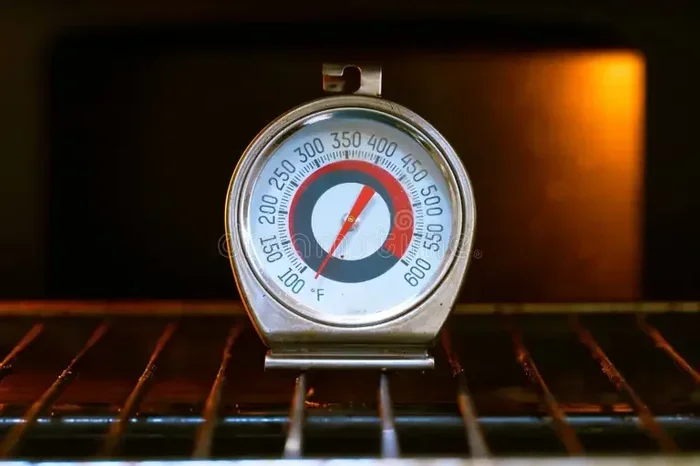
The best and cheapest way to verify your oven’s temperature is with a simple oven thermometer. These are widely available and easy to use.
Here is how to do it:
- Place an oven thermometer on the middle rack.
- Preheat your oven to 350°F.
- Wait at least 20 minutes for the temperature to stabilize.
- Check the thermometer reading against the oven’s display.
If the readings do not match, your oven needs calibration. Many ovens have a calibration feature in the settings. If yours does not, you can adjust your cooking times and temperatures based on what the thermometer tells you.
Checking For Hot Spots
Another common issue is oven hot spots. These are areas inside the oven that are significantly hotter or cooler than others. They can cause uneven browning and inconsistent cooking.
To check for hot spots, spread a single layer of bread slices on a baking sheet. Place the sheet in the oven at 350°F and watch how the bread toasts. If some pieces brown faster than others, you have identified your hot spots. Rotating your pans halfway through cooking helps compensate for this.
Safety Tips For High-Heat Cooking
Cooking at high temperatures comes with risks. But with the right precautions, you can use your oven’s full heat range safely and confidently.
Always Use Oven-Safe Cookware
Not all pans and dishes can handle high heat. Using the wrong oven-safe cookware can lead to cracking, warping, or even releasing harmful chemicals. Always check the manufacturer’s label before placing a dish in a hot oven.
Good options for high-heat cooking include:
- Cast iron skillets
- Stainless steel baking sheets
- Ceramic dishes rated for high heat
- Glass bakeware labeled oven-safe (usually up to 450°F to 500°F)
Avoid plastic handles, non-stick coatings not rated for high heat, and cheap aluminum pans. These can warp or release fumes at high temperatures.
Never Leave The Oven Unattended At High Heat
When you are cooking above 400°F, stay nearby. High-heat cooking can cause food to flare up, especially when oils are involved. A small grease fire can start in seconds.
Keep a oven mitt handy and avoid wearing loose clothing around a hot oven. Long sleeves and dangling fabric can catch heat or flames quickly.
Ventilate Your Kitchen
High-heat cooking produces more smoke and odors. Turn on your range hood or open a window when roasting at 450°F or above. This keeps the air quality in your kitchen healthy and prevents smoke alarms from going off.
Let The Oven Cool Before Cleaning
Never wipe down the inside of a hot oven. The surfaces are extremely hot and can cause burns. Wait until the oven cools to room temperature before cleaning. Use gentle cleaners and avoid abrasive scrubbers that can damage the interior coating.
Common Oven Temperature Problems And How To Fix Them
Even the best ovens develop issues over time. Here are the most common temperature-related problems and simple fixes.
Oven Runs Too Hot
If your food burns quickly or the edges of baked goods turn dark before the center cooks, your oven might be running hot. This usually points to a faulty thermostat.
Quick fix: Use an oven thermometer to confirm the issue. If the oven is running 25°F or more above the set temperature, consider recalibrating or replacing the thermostat. This is a relatively affordable repair.
Oven Runs Too Cool
The opposite problem is just as common. If your food takes longer to cook than the recipe suggests, the oven may not be reaching the target temperature.
Quick fix: Check the heating element for visible damage. A worn-out element cannot produce full heat. Also, inspect the door seal for gaps that let heat escape. Replacing a door seal is simple and inexpensive.
Temperature Fluctuates Wildly
If the temperature swings up and down during cooking, the thermostat may be failing. This leads to inconsistent results and frustrated cooking sessions.
Quick fix: Avoid opening the oven door frequently. Each time you open the door, you lose heat and force the oven to recover. If fluctuations persist, the thermostat likely needs replacement.
Heating Element Glows Unevenly
A healthy heating element glows red evenly. If parts of it glow brighter than others, the element is failing. This means it cannot deliver consistent heat across the oven cavity.
Quick fix: Replace the heating element. Most elements are easy to swap out and are available at appliance parts stores for under $30.
Expert Insights On Oven Heat And Cooking Performance
Professional chefs and appliance experts agree on a few key points about oven heat and performance.
Preheat is non-negotiable. Many home cooks skip preheating to save time. But a properly preheated oven ensures your food starts cooking at the right temperature from the moment it goes in. This is especially important for baking, where precise temperature control is critical.
Invest in an oven thermometer. Even if your oven has a digital display, a standalone thermometer gives you a second opinion. It costs under $10 and can transform your cooking results.
Know your oven’s personality. Every oven is slightly different. Some run hot, some run cool, and some have notorious hot spots. After a few weeks of use, you will learn your oven’s quirks and adjust accordingly.
Use the right rack position. The middle rack usually offers the most even heat. The top rack is closer to the top element and gets more intense heat, making it ideal for broiling. The bottom rack receives more heat from the bottom element, perfect for crispy pizza bottoms and crusty bread.
Key Takeaways
- Standard Range: Most household ovens reach 500°F to 550°F as their maximum heat output.
- Why It Matters: Knowing your oven’s limits helps you cook safely and get consistent results.
- Temperature Accuracy: Ovens can be off by 25°F or more, so an oven thermometer is a must-have tool.
- Safety First: Exceeding your oven’s rated temperature can damage the heating element and pose fire risks.
- Broil vs. Bake: The broil setting often reaches higher temperatures than the bake setting.
- Self-Cleaning Mode: This cycle uses extreme heat, sometimes exceeding 900°F, which is far above normal cooking temps.
- Calibration Matters: Regularly checking your oven’s accuracy extends its life and improves your cooking.
Conclusion
How hot can a conventional oven get? The answer is clear: most household ovens reach between 500°F and 550°F for regular cooking, while special modes like self-cleaning can push past 900°F. Understanding these limits empowers you to cook with confidence and keep your kitchen safe.
Your oven is one of the most-used appliances in your home. Taking a few minutes to understand its temperature range, verify its accuracy, and follow basic safety practices pays off in better food and fewer headaches. Whether you are baking a cake at 350°F or roasting vegetables at 450°F, knowing your oven’s capabilities makes every meal better.
Start by grabbing an oven thermometer and checking your oven’s actual temperature. Small adjustments based on what you learn can make a big difference. The more you understand about your oven’s heat, the more you will enjoy using it.
So next time you preheat your oven, remember what you have learned here. How hot can a conventional oven get is no longer a mystery, and you are better equipped to use every degree to your advantage.
Frequently Asked Questions
What Is The Maximum Temperature A Conventional Oven Can Reach?
Most conventional household ovens reach a maximum temperature of 500°F to 550°F (260°C to 290°C). Some models may go slightly higher, but 550°F is the standard upper limit for regular cooking. Self-cleaning cycles can push temperatures much higher, often above 900°F, but these are not used for cooking.
Why Does My Oven Say 400°F But Feel Cooler Inside?
This usually means your oven’s thermostat is inaccurate. Over time, the thermostat can drift, causing the displayed temperature to differ from the actual temperature. An oven thermometer is the best way to confirm this. If the gap is more than 25°F, recalibrating or repairing the thermostat is recommended.
Is It Safe To Cook At My Oven’s Maximum Temperature?
Yes, cooking at the maximum temperature is safe as long as you use appropriate cookware and follow the manufacturer’s guidelines. Avoid exceeding the rated temperature, and never leave the oven unattended at high heat. Using oven-safe pans and keeping flammable items away from the oven are essential safety practices.
How Often Should I Calibrate My Oven?
It is a good idea to check your oven’s accuracy every 6 to 12 months. If you notice inconsistent cooking results, burn marks, or undercooked food, check the temperature sooner. Regular calibration keeps your oven performing at its best and extends its lifespan.
Can A Conventional Oven Reach 600°F?
Most standard household ovens do not reach 600°F. The typical maximum is 500°F to 550°F. Some commercial-grade residential ovens may exceed this, but they are uncommon in typical homes. Always check your oven’s manual to confirm its rated maximum temperature.
What Is The Difference Between Bake And Broil Temperature?
The bake setting uses both the top and bottom elements to create even, ambient heat. It typically reaches 500°F to 550°F. The broil setting uses only the top element and produces intense direct heat. Broil temperatures can also reach 500°F to 550°F or higher in some models, but the heat is focused from above rather than surrounding the food evenly.