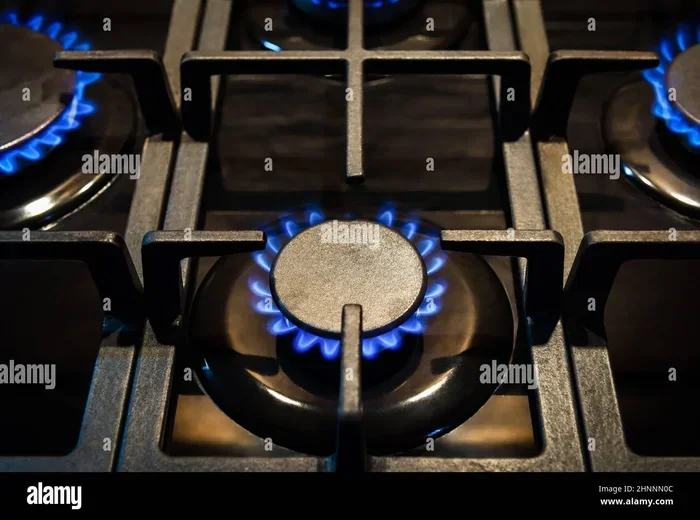
Why Is My Gas Oven Making A High Pitched Noise Again
A gas oven making a high pitched noise is a common issue that many homeowners face at some point. The sound can range from a faint whistle to an annoying screech that fills your kitchen. This guide walks you through the most likely causes, from loose components to gas flow problems, and gives you practical steps to fix the issue safely. You will learn how to identify the noise source, when to attempt a repair yourself, and when it is time to call a professional technician for help.
There is nothing quite like the frustration of prepping a meal and suddenly hearing your gas oven let out an unsettling high pitched noise. It is the kind of sound that makes you stop mid-recipe and wonder if something is seriously wrong. The good news is that in most cases, a gas oven making a high pitched noise is a fixable problem. You do not need to be a professional technician to understand what is going on. This guide breaks down every common cause in plain language so you can take action quickly and confidently.
Whether the sound is a faint whistle or a loud screech, identifying the root cause is the first step toward silence. We will cover everything from the oven fan motor to gas valve issues and igniter problems. You will also find practical tips on when to DIY and when to call in an expert for oven repair. By the end of this article, you will know exactly what to do when your kitchen starts sounding like a tea kettle.
Key Takeaways
- Loose or worn fan blades are a top cause of high pitched oven noise and are often easy to fix.
- A failing igniter can create whistling or humming sounds during the heating cycle.
- Gas flow issues, including a faulty gas valve, may produce alarming high frequency sounds.
- Regular oven maintenance can prevent most noise problems before they start.
- Some sounds are normal, but persistent or loud noises always deserve attention.
- Safety first, always turn off the gas supply before inspecting internal parts.
📑 Table of Contents
- Common Reasons Your Gas Oven Makes a High Pitched Noise
- How to Diagnose the Noise Source in Your Oven
- Is a High Pitched Noise Dangerous?
- Quick Tips to Reduce Oven Noise
- When to Call a Professional for Oven Repair
- Preventing Future Noise Problems with Regular Oven Maintenance
- Understanding Your Gas Oven: Key Components and How They Work
Common Reasons Your Gas Oven Makes a High Pitched Noise
Gas ovens are built to operate quietly, so any new or unusual sound stands out. A high pitched noise from your oven can come from several different sources. Let us walk through the most common culprits one by one.
Loose or Damaged Fan Blade
The convection fan inside your oven spins constantly during operation. Over time, the fan blade can become loose, warped, or cracked. When this happens, it starts to vibrate against the housing. This vibration produces a high pitched whine or whistle that gets louder as the oven heats up. A loose fan blade is one of the most frequent reasons for oven noise in older models.
Check the fan by removing the back panel of the oven (always unplug the unit first). Look for visible cracks or bending. If the blade spins freely without touching the housing, the noise may be coming from the motor bearing instead. In that case, replacing the fan motor usually solves the problem.
Faulty Igniter
The igniter is the part that lights the gas burner. When it starts to wear out, it can produce a buzzing or whistling sound before the gas actually ignites. A weak igniter takes longer to reach the right temperature, and this delay can cause gas to build up slightly before lighting. The result is a small pop followed by a lingering high pitched hum.
If you notice the igniter glows but takes more than a few seconds to light the burner, it is likely failing. Replacing a gas oven igniter is relatively affordable and straightforward. Most homeowners can handle this repair in under 30 minutes with basic tools.
Gas Valve Issues
The gas valve controls how much gas flows to the burners. When the valve starts to malfunction, it can create turbulent gas flow. This turbulence often sounds like a hiss, whistle, or high pitched squeal. A faulty gas valve is a serious concern because it can affect the safety of your appliance.
If you suspect a gas valve problem, do not attempt to fix it yourself. Gas valve repairs require a licensed technician. Signs of a bad gas valve include uneven flames, a rotten egg smell, or a persistent whistling sound even when the oven is off.
Oven Fan Motor Bearing Wear
The fan motor runs the convection fan that circulates hot air inside the oven. Inside every motor are bearings that allow the shaft to spin smoothly. When those bearings wear down, they create friction. This friction produces a high pitched grinding or whining noise that intensifies as the motor speeds up.
Bearing wear is common in ovens that are five years old or more. The fix usually involves replacing the entire fan motor assembly. It is not a cheap repair, but it is far less expensive than replacing the whole oven. A quick way to confirm the motor is the source is to listen for the noise when the oven is running on the convection setting only.
Airflow and Ventilation Problems
Sometimes the cause of a high pitched oven sound is simpler than you think. If the oven vent is blocked by a pan, foil, or food debris, air cannot flow properly. Restricted airflow forces the fan to work harder, which can create a whistling or screaming sound.
Make sure nothing is obstructing the vents inside your oven. Also check the area behind the oven to ensure proper clearance. Most ovens need at least two inches of space on all sides for adequate ventilation. A simple rearrange of your cookware can sometimes eliminate the noise entirely.
How to Diagnose the Noise Source in Your Oven
Before you start replacing parts, you need to pinpoint exactly where the noise is coming from. Proper diagnosis saves time, money, and frustration. Here is a simple step by step approach to oven troubleshooting.
Step One: Listen Carefully
Turn on your oven and listen. Does the noise start immediately or only after the oven reaches a certain temperature? A noise that starts right away often points to the fan motor or fan blade. A noise that appears during the ignition phase usually points to the igniter or gas valve.
Pay attention to when the sound changes. Does it get louder when you turn the convection fan on? Does it stop when you switch to bake mode only? These details help narrow down the cause significantly.
Step Two: Check for Visible Damage
With the oven turned off and cooled down, open the door and look inside. Check the fan blade for cracks or debris. Look at the burner igniter for signs of damage or discoloration. A visual inspection can reveal a lot without any tools at all.
Step Three: Use a Screwdriver to Pinpoint
This old trick works surprisingly well. Take a long screwdriver and place the tip against different parts of the oven while the handle rests against your ear. It acts like a stethoscope. The part that produces the loudest sound is likely the source of the problem. This method works great for isolating whether the noise is coming from the fan, the burner, or the gas valve area.
Is a High Pitched Noise Dangerous?
Safety is the number one concern when any appliance makes an unusual sound. Most of the time, a high pitched noise from a gas oven is not dangerous. It is usually a sign of a worn component that needs replacement. However, some sounds do signal a real safety risk that requires immediate action.
Any smell of gas alongside the noise is a red flag. If you ever detect a gas odor, turn off the oven immediately, open windows, and leave the house. Call your gas company or emergency services right away. Do not try to cook anything until the issue is resolved by a professional.
Similarly, if the noise is accompanied by flames that lift off the burner or visible damage to the gas line, stop using the oven and contact a technician. These are signs of a serious gas supply issue that should never be ignored.
For all other cases, the noise is likely just an annoyance rather than a hazard. Even so, it is wise to address it promptly. Ignoring a persistent oven humming or whistling can lead to further damage over time, turning a small repair into a costly replacement.
Quick Tips to Reduce Oven Noise
Before you dive into repairs, try these simple tips that often reduce or eliminate oven noise without any special tools.
- Clean the oven interior regularly. Food debris and grease buildup can vibrate and create noise during cooking.
- Check the oven racks for proper positioning. Racks that are slightly bent or misaligned can vibrate against the walls.
- Remove aluminum foil from the bottom of the oven. Foil can restrict airflow and cause whistling sounds.
- Tighten any visible screws or panels. Loose exterior panels can vibrate and amplify internal sounds.
- Use the self clean cycle sparingly. Excessive heat during self cleaning can warp metal components and cause noise.
When to Call a Professional for Oven Repair
Not every oven noise problem is a DIY fix. Knowing when to call a professional saves you time and prevents dangerous mistakes. Here are clear signs that it is time to pick up the phone and schedule an appliance maintenance visit.
If the noise persists after you have checked the fan blade, igniter, and vents, a deeper issue is likely at play. Gas valve problems, heat exchanger cracks, and control board failures all require professional diagnosis and repair. These are not jobs for a weekend hobbyist, especially when gas is involved.
Another clear signal is age. If your oven is more than 15 years old and making unusual sounds, repeated repairs may not be worth the cost. A technician can help you decide whether oven repair or full replacement makes more sense for your situation and budget.
Always choose a licensed and insured appliance repair technician. Ask for referrals from friends or check online reviews. A good professional will explain the problem clearly, offer a written estimate, and stand behind their work with a warranty.
Preventing Future Noise Problems with Regular Oven Maintenance
The best way to deal with a high pitched oven noise is to prevent it from happening in the first place. Regular oven maintenance keeps everything running smoothly and quietly. Think of it like changing the oil in your car, a small effort that prevents big problems down the road.
Clean your oven at least once a month. Wipe up spills immediately so they do not bake onto the walls or block vents. Inspect the fan blade every few months for debris or damage. Check the igniter for consistent lighting and replace it at the first sign of sluggish performance.
Schedule a professional oven inspection once a year. A technician can spot worn bearings, loose components, and gas valve issues before they become serious problems. This annual checkup extends the life of your appliance and keeps your kitchen safe and quiet.
Understanding Your Gas Oven: Key Components and How They Work
To better understand why your oven makes noise, it helps to know the basic parts involved. Here is a quick overview of the key components that relate to oven sounds.
The Burner Assembly: This is where the gas ignites to create heat. A healthy burner produces a steady blue flame. Yellow or uneven flames often indicate a problem with the burner ports or gas flow.
The Igniter: Located near the burner, the igniter heats up to trigger the gas valve. A worn igniter glows but fails to reach the proper temperature, causing delayed ignition and noise.
The Gas Valve: This controls the flow of gas to the burners. It opens when the igniter reaches the right temperature and closes when the desired heat is reached.
The Fan Motor and Blade: These circulate hot air for even cooking. Worn bearings or damaged blades are the most common source of mechanical oven noise.
The Thermostat: This regulates the oven temperature. A malfunctioning thermostat can cause the oven to cycle on and off rapidly, which may produce clicking or humming sounds.
Understanding these parts helps you have more productive conversations with repair technicians. Instead of saying, “my oven is making a weird noise,” you can describe the sound, when it happens, and which oven setting you were using. This saves time and often reduces the cost of the repair.
A high pitched noise is your oven’s way of telling you something needs attention. Whether it is a simple fix like tightening a panel or a more involved repair like replacing the fan motor, addressing the issue early keeps your oven running safely and efficiently. Most noise problems are minor and inexpensive to fix when caught early.
Do not ignore the sound and hope it goes away. A persistent oven humming or whistling will not fix itself and often gets worse over time. Take a few minutes to investigate using the tips in this guide. Your ears, your kitchen, and your dinner will all thank you.
Remember that every oven model is slightly different. Consult your owner’s manual for specific guidance on your particular unit. The manual will also list the correct replacement parts if you need them. Keeping a copy of your manual or finding it online is one of the best investments you can make as a homeowner.
Finally, trust your instincts. If something feels off about the way your oven sounds or operates, it is always better to be safe than sorry. A quick call to a professional can give you peace of mind and keep your family safe. A well maintained oven cooks better, lasts longer, and stays quiet. That is a win for everyone in the kitchen.
Frequently Asked Questions
Why does my gas oven make a high pitched noise when preheating?
A high pitched noise during preheating is often caused by the igniter struggling to light the gas or by the fan motor reaching full speed. In most cases, the sound should stop once the oven reaches the set temperature. If the noise continues, the igniter or fan motor may need replacement.
Can a gas oven high pitched noise be fixed at home?
Yes, many causes of oven noise can be fixed at home. Tightening loose panels, cleaning the fan blade, and replacing the igniter are all manageable DIY tasks. However, any issue involving the gas valve or gas line should always be handled by a licensed professional for safety reasons.
Is it safe to keep using a gas oven that makes a whistling noise?
It depends on the cause. A whistling noise caused by a loose panel or airflow restriction is generally safe to use temporarily. However, a whistling noise paired with a gas smell, uneven flames, or visible damage is not safe and requires immediate professional attention.
How much does it cost to repair a noisy gas oven?
Repair costs vary widely depending on the cause. Fan motor replacement typically costs between 150 and 300 dollars. Igniter replacement is usually 50 to 150 dollars. Gas valve repairs can range from 200 to 500 dollars. Always ask for a detailed estimate before approving any repair work.
How often should I maintain my gas oven to prevent noise issues?
You should perform a basic cleaning and inspection every month. A professional maintenance check once a year is ideal for catching wear and tear early. Regular maintenance keeps your oven running quietly, efficiently, and safely for many years.
What is the difference between a normal oven sound and a problem noise?
Normal oven sounds include gentle clicking during ignition, soft fan hum, and occasional popping as burners adjust. Problem noises include persistent high pitched whistling, grinding, squealing, or any sound accompanied by a gas odor. When in doubt, have a professional inspect the appliance.
=== CONCLUSION ===
A gas oven making a high pitched noise does not have to be a stressful experience. With the right knowledge, you can quickly identify the cause and decide on the best course of action. From loose fan blades to failing igniters and gas valve issues, the causes are varied but usually straightforward to address. Use the troubleshooting steps in this guide to narrow down the source of the sound. Apply the quick tips to reduce noise in the meantime. And when the problem is beyond a simple fix, do not hesitate to call a qualified appliance repair technician. Your oven is a workhorse in the kitchen, and with proper care and attention, it will serve you well for years to come. Take action today, and enjoy a quieter, safer cooking experience tomorrow.