What Temp For Beef Ribs In Oven To Get Perfect Results
Cooking beef ribs in the oven comes down to one thing: temperature. The ideal range is 275°F to 300°F for slow, even cooking that breaks down tough connective tissue. This guide covers everything from oven settings to timing, so you get fall-off-the-bone tender ribs every single time.
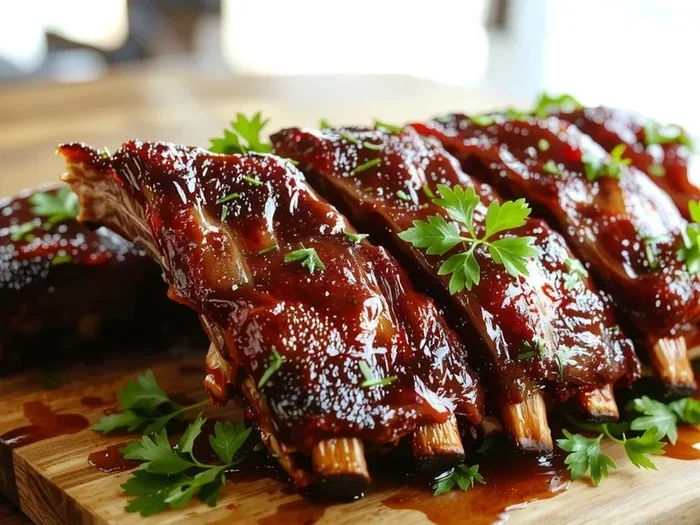
There is something deeply satisfying about pulling a tray of beef ribs out of the oven and seeing that perfect, caramelized crust give way to juicy, tender meat. Whether you are a weekend warrior in the kitchen or someone just getting started with cooking beef ribs oven style, getting the temperature right is the single most important factor. Too hot, and the meat dries out. Too low, and you are waiting forever.
This guide walks you through everything you need to know about what temp for beef ribs in oven to get perfect results. We will cover the ideal oven settings, cooking times, step-by-step methods, and common mistakes that can ruin your ribs. By the end, you will feel confident enough to make oven-baked beef ribs that rival any barbecue joint.
The beauty of cooking beef ribs in an oven is consistency. Unlike a grill where flare-ups and weather can throw things off, your oven holds a steady temperature. Once you nail the right heat, you can repeat the results every time. Let us dive in.
Key Takeaways
- Low and slow is the way: Cook beef ribs between 275°F and 300°F for the best tenderness.
- Internal temp matters: Aim for 200°F to 205°F for perfectly tender, pull-apart beef ribs.
- Time varies by cut: Short ribs take 3 to 4 hours, while larger bone-in cuts may need 5 to 6 hours.
- Wrap in foil partway: The Texas crutch method helps retain moisture and speeds up cooking.
- Rest before serving: Let ribs rest for 15 to 30 minutes for juicier results.
- Use a meat thermometer: Never guess — a reliable probe takes the guesswork out of rib cooking.
- Season generously: A good dry rub or braising liquid makes a huge difference in flavor.
📑 Table of Contents
- The Ideal Temperature For Beef Ribs In The Oven
- What Internal Temperature Should Beef Ribs Reach
- Step-By-Step Oven Beef Ribs Recipe
- Tips For Perfectly Tender Oven Beef Ribs
- Common Mistakes People Make Cooking Beef Ribs In The Oven
- Expert Insights From Professional Pitmasters
- How Long Should You Cook Beef Ribs In The Oven
- Comparison: Beef Ribs vs Pork Ribs Oven Cooking
- Frequently Asked Questions
- Final Thoughts On Cooking Beef Ribs In The Oven
The Ideal Temperature For Beef Ribs In The Oven
The short answer to what temp for beef ribs in oven is 275°F. This is the sweet spot for most beef rib cuts. At this temperature, the heat surrounds the meat evenly and slowly breaks down the collagen and fat without drying out the protein fibers.
Why Low and Slow Works Best
Beef ribs are not like chicken breasts or pork chops. They are tough cuts packed with connective tissue and intramuscular fat. That is what makes them so flavorful, but it also means they need time and gentle heat to become tender. Cooking at 275°F to 300°F gives the collagen time to dissolve into gelatin, which is what creates that melt-in-your-mouth texture.
If you crank the oven up to 350°F or higher, the outside of the ribs will burn before the inside has a chance to soften. This is the biggest mistake home cooks make with oven-baked beef ribs. Patience really is the secret ingredient here.
Temperature Ranges By Rib Type
Not all beef ribs are the same. Different cuts respond better to slightly different temperatures. Here is a quick breakdown:
- Short ribs (boneless): Cook at 275°F for 3 to 4 hours.
- Bone-in back ribs: Cook at 275°F to 300°F for 4 to 5 hours.
- Plate ribs (flanken-style): Cook at 300°F for 2.5 to 3.5 hours.
- Large bone-in chuck ribs: Cook at 275°F for 5 to 6 hours.
These ranges give you a starting point. Every oven is slightly different, and the thickness of your ribs will also affect timing. A meat thermometer is your best friend here.
What Internal Temperature Should Beef Ribs Reach
Oven temperature is only half the equation. You also need to pay attention to the internal temperature of the ribs. This is where the real magic happens.
The Target Internal Temp
For fall-off-the-bone tender beef ribs, you want the internal temperature to reach between 200°F and 205°F. At this range, the collagen has fully broken down and the meat will pull away from the bone with almost no pressure. Anything below 190°F and the ribs will still be tough and chewy.
Here is a simple temperature guide:
- 180°F: Ribs are cooked through but still tough. Keep cooking.
- 195°F: Ribs are starting to soften but need more time.
- 200°F to 205°F: Perfect tenderness. The meat is ready to serve.
- Above 210°F: Risk of drying out. Check frequently after 205°F.
How To Check Internal Temperature
Insert your meat thermometer into the thickest part of the meat, avoiding the bone. The bone conducts heat differently and will give you a false reading. Probe the meat near the center of the rib for the most accurate result. Digital instant-read thermometers work great, but leave-in probe thermometers make it even easier because you can monitor the temp without opening the oven door.
Step-By-Step Oven Beef Ribs Recipe
Now that you know the right temperature, let us put it all together with a simple method that delivers incredible results every time.
Step 1: Prep Your Ribs
Start by removing the membrane from the back of the ribs. Use a butter knife to loosen one corner, then grab it with a paper towel and pull it off. This thin membrane blocks seasoning from reaching the meat and creates a chewy texture that nobody wants. Next, pat the ribs dry with paper towels. Dry meat browns better and holds seasoning more effectively.
Step 2: Season Generously
Apply a generous layer of dry rub or your favorite seasoning blend. A basic mix of brown sugar, paprika, garlic powder, onion powder, salt, and black pepper works beautifully. Massage the rub into all sides of the ribs and let them sit at room temperature for about 30 minutes. This helps the flavors penetrate the surface.
Step 3: Set Up Your Oven
Preheat your oven to 275°F. Place a rack in the center position. Line a baking sheet with foil for easy cleanup, then place a wire rack on top. The wire rack allows air to circulate around the ribs, which promotes even cooking and better bark formation.
Step 4: Cook Low and Slow
Place the ribs on the wire rack, bone side down if applicable. Put the tray in the oven and cook for 3 to 5 hours depending on the cut. After about 2.5 hours, check the internal temperature. If you want extra tender ribs, wrap them in foil at the halfway point. This is called the Texas crutch and it traps steam that speeds up the breakdown of connective tissue.
Step 5: Optional Glaze or Broil Finish
Once the ribs hit 200°F to 205°F internally, you can brush them with barbecue sauce and broil them for 3 to 5 minutes. This caramelizes the sauce and adds a beautiful glaze. Watch them closely during this step because the sugar in the sauce can burn quickly under the broiler.
Step 6: Rest and Serve
Remove the ribs from the oven and let them rest for 15 to 30 minutes. This allows the juices to redistribute throughout the meat. Cutting too early releases all those beautiful juices onto the cutting board instead of keeping them in the rib. Wrap loosely in foil during the rest for warmth.
Tips For Perfectly Tender Oven Beef Ribs
Getting great oven-baked beef ribs is not just about temperature. A few extra tips can take your results from good to outstanding.
Use Braising Liquid for Extra Moisture
Instead of dry rub alone, you can add a braising liquid to the bottom of the pan. Beef broth, apple cider vinegar, beer, or even a mix of tomato paste and water all work well. The steam from the liquid keeps the ribs moist throughout the long cook. Just make sure the liquid does not touch the ribs directly — it should come about halfway up the sides of the pan, not submerge the meat.
Do Not Skip the Resting Period
Resting is one of the most overlooked steps in cooking beef ribs. The meat continues to cook slightly from residual heat even after it leaves the oven. More importantly, the muscle fibers relax and reabsorb juices during resting. This translates to juicier, more flavorful ribs on your plate.
Invest in a Good Probe Thermometer
A reliable leave-in probe thermometer removes all the guesswork. You can monitor the temperature from across the room and set alerts when the ribs hit target temp. This is especially helpful for long cooks where opening the oven door repeatedly can cause temperature fluctuations.
Let the Ribs Cool Before Slicing
If you are serving sliced ribs, let them cool for a few minutes after resting before cutting. Hot ribs will fall apart on the cutting board, and you will lose more juice. A slightly cooled rib holds its shape much better when sliced against the grain.
Common Mistakes People Make Cooking Beef Ribs In The Oven
Even experienced cooks can trip up when making oven beef ribs. Here are the most common mistakes and how to avoid them.
Cooking at Too High a Temperature
This is the number one mistake. Cranking the oven to 350°F or higher might seem like a shortcut, but it will give you tough, dry ribs. The high heat sears the outside before the inside has time to become tender. Stick with 275°F and trust the process.
Not Removing the Membrane
The membrane on the back of beef ribs is tough and chewy. It also blocks seasoning from reaching the meat. Some people leave it on because they think it protects the ribs during cooking, but the opposite is true. Removing it leads to better texture and better flavor absorption.
Opening the Oven Door Too Often
Every time you open the oven door, you lose heat and extend the cooking time. Try to resist the urge to check on the ribs constantly. Use your oven light to peek through the door, or rely on your probe thermometer alerts instead.
Skipping the Rest
Cutting into ribs immediately after they come out of the oven is tempting, but it costs you juiciness. That 15 to 30 minute rest makes a noticeable difference in the final product.
Using Too Much Sauce Too Early
Barbecue sauce contains sugar that burns easily at high temperatures. If you apply sauce too early in the cook, it will char and turn bitter. Apply sauce only in the last 30 minutes of cooking, or use it as a finishing glaze under the broiler.
Expert Insights From Professional Pitmasters
Professional pitmasters have been perfecting the art of beef ribs for decades. Here are some insights that apply to oven cooking as well as outdoor smoking.
Chef Aaron Franklin of Franklin Barbecue in Austin, Texas, always emphasizes the importance of patience. He says that the best ribs are the ones you do not rush. The same principle applies when you are making beef ribs in the oven. Low heat and long time is the formula for success.
Myron Mixon, a famous competition pitmaster, recommends using a two-zone setup even in the oven. Place the ribs on one side of the pan and a small pan of water on the other. The water creates a humid environment that keeps the ribs moist and prevents the rub from burning.
Chef Steven Raichlen, author of several barbecue books, suggests that the 275°F to 300°F range works because it mimics the environment of a traditional smoker. Your oven becomes a smoker when you add a pan of wood chips or a splash of apple juice to the drip pan. This infuses a subtle smoky flavor without needing an outdoor setup.
How Long Should You Cook Beef Ribs In The Oven
Timing depends on the type and size of your ribs. Here is a general guide for oven-baked beef ribs:
- Boneless short ribs: 3 to 4 hours at 275°F.
- Bone-in back ribs: 4 to 5 hours at 275°F to 300°F.
- Flanken-style ribs: 2.5 to 3.5 hours at 300°F.
- Large bone-in chuck ribs: 5 to 6 hours at 275°F.
These times assume you are aiming for an internal temperature of 200°F to 205°F. Always use a thermometer to confirm doneness rather than relying solely on the clock. Thicker ribs, colder starting temperatures, and oven variations can all affect cooking time.
Comparison: Beef Ribs vs Pork Ribs Oven Cooking
While this guide focuses on beef ribs, it helps to understand how they differ from pork ribs in the oven.
| Factor | Beef Ribs | Pork Ribs |
|---|---|---|
| Ideal Oven Temp | 275°F to 300°F | 250°F to 275°F |
| Internal Temp Target | 200°F to 205°F | 195°F to 203°F |
| Typical Cook Time | 3 to 6 hours | 4 to 6 hours |
| Meat Thickness | Thicker, more collagen | Thinner, less collagen |
| Tenderness Level | Very tender, fall-apart | Tender but slightly firmer |
| Best Rib Cut for Oven | Boneless short ribs | Pork baby back ribs |
Beef ribs generally require a slightly higher oven temperature than pork ribs because of their thicker cut and higher collagen content. The extra heat and time are necessary to fully break down that connective tissue and achieve the right texture.
Frequently Asked Questions
Can I cook beef ribs at 350°F in the oven?
You can, but the results will not be as tender. Higher temperatures cook the outside faster than the inside can soften, leading to uneven texture. For the best results, stick with 275°F to 300°F and give the ribs enough time to become fall-apart tender.
How do I know when beef ribs are done in the oven?
The best way to tell is by using a meat thermometer. When the internal temperature reaches 200°F to 205°F, the ribs are done. You can also check by inserting a toothpick or fork into the thickest part. If it slides in with no resistance, your ribs are ready.
Should I wrap beef ribs in foil during cooking?
Wrapping ribs in foil partway through the cook, known as the Texas crutch, helps retain moisture and speeds up cooking. It is especially helpful for thicker cuts like beef short ribs. Many pitmasters wrap at the 2.5 to 3-hour mark for best results.
Can I use a braising liquid instead of a dry rub?
Absolutely. Braising liquid is a great alternative that adds moisture and flavor during the long cook. Beef broth, red wine, beer, or a combination all work well. Place the liquid in the bottom of the pan and keep the ribs above it on a wire rack.
How long should I let beef ribs rest after cooking?
Let beef ribs rest for at least 15 to 30 minutes after removing them from the oven. This allows the juices to redistribute and the meat to firm up slightly, making it easier to slice and serve. Wrapping loosely in foil during the rest keeps them warm.
Can I make beef ribs in the oven the day before serving?
Yes, and many people find that ribs taste even better the next day. Cook them to 200°F to 205°F internal temperature, let them cool, and store them in the refrigerator. Reheat gently at 275°F for about 30 minutes before serving. The flavors deepen overnight.
Final Thoughts On Cooking Beef Ribs In The Oven
Getting the temp for beef ribs in oven right is simpler than most people think. Set your oven to 275°F, use a good thermometer, and give the ribs enough time. The low, steady heat does all the hard work of breaking down tough collagen into silky gelatin, leaving you with ribs that are tender, juicy, and full of flavor.
Remember the key numbers: 275°F oven temperature, 200°F to 205°F internal temperature, and 3 to 6 hours of cooking time depending on the cut. Master these three things and you will never have dry, tough beef ribs again.
Whether you are cooking for a family dinner or a weekend gathering, oven-baked beef ribs are one of the most impressive dishes you can make with minimal effort. The oven does the work for you, and the results speak for themselves. So fire up that oven, grab your favorite seasoning, and get ready for some of the best beef ribs you have ever tasted.
Now you know exactly what temp for beef ribs in oven to get perfect results. Go make them today, and enjoy every single bite.