How To Get Frozen Fries Crispy In Oven With These Tips
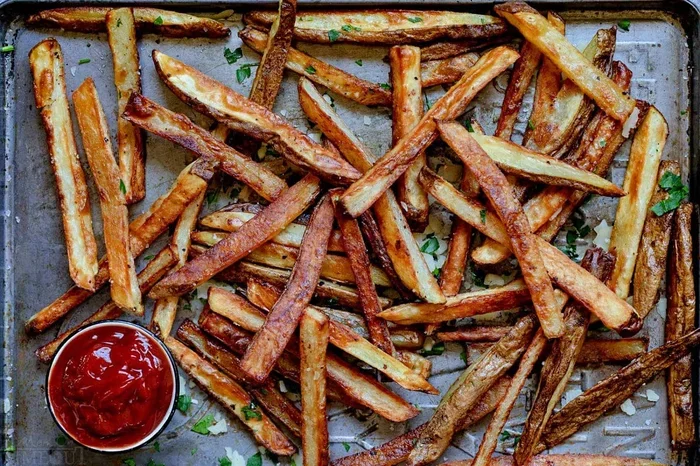
Want perfectly crispy frozen fries from your oven? This guide reveals the best tips to make frozen fries crispy oven style every time. You’ll learn the right temperature, prep tricks, and secret ingredients that turn store-bought fries into golden, crunchy perfection.
There’s nothing quite like a basket of crispy frozen fries straight from the oven. They’re golden, crunchy, and way better than soggy takeout. Yet so many people pull out a tray of limp, pale fries and wonder what went wrong. The secret isn’t a fancy appliance. It’s a few simple tricks that anyone can master.
If you love oven-baked fries, you already know the convenience. Frozen fries are a staple in many kitchens. They’re quick to grab and easy to cook. But getting them truly crispy takes a little know-how. This guide will show you exactly how to get frozen fries crispy in oven every single time. You’ll learn the right temperature, the best prep steps, and the secret ingredients that make all the difference.
By the end of this article, you’ll never settle for soft fries again. We’ll cover everything from oven settings to pan choices. You’ll find practical tips, quick fixes, and expert insights. Let’s turn your freezer aisle fries into restaurant-quality treats.
Key Takeaways
- High heat is essential: Bake at 425°F to get crispy frozen fries that are golden and crunchy.
- Don’t thaw the fries: Cook them straight from the freezer to avoid excess moisture.
- Use parchment paper: It prevents sticking and allows air to circulate for even crispiness.
- Add a starch coating: Toss fries in cornstarch for an extra-crunchy exterior.
- Single layer on the sheet: Overcrowding leads to soggy fries; spread them out.
- Flip halfway through: This ensures both sides get crispy and evenly browned.
- Season after baking: Add salt and spices right out of the oven for the best flavor.
📑 Table of Contents
Why Your Frozen Fries Turn Out Soggy
Soggy fries are a common disappointment. Understanding why they happen is the first step to fixing the problem. Moisture is the biggest enemy of crispiness. When frozen fries hit a cold or crowded baking sheet, they steam instead of roast. That steam turns the outside soft and mushy.
The Moisture Problem
Frozen fries contain ice crystals. When you bake them without proper heat, that ice melts into water. The water has nowhere to go. It gets trapped between the fries and the pan. This creates a humid environment that prevents browning and crunch. The result is pale, limp fries that lack flavor.
Another factor is the freezer burn. Over time, frozen fries can lose moisture and then reabsorb it when thawed slightly. This imbalance leads to a wet interior. Even if the outside looks done, the inside can be gummy. So managing moisture from start to finish is key.
Common Mistakes That Make Fries Soft
Many home cooks make avoidable errors. Thawing fries before baking is one of the biggest culprits. It releases extra water that you can’t cook off quickly enough. Another mistake is using a dark or greasy baking sheet. Dark pans absorb more heat and can burn the bottom. Greasy pans create a barrier that traps steam.
Overcrowding the pan is also a major issue. When fries touch each other, they steam together. There’s no room for hot air to circulate. You end up with uneven cooking and a lack of crunch. Always give your fries space to breathe.
Quick Tip: If you notice your fries are always soggy, try patting them dry with a paper towel before seasoning. This removes surface moisture and helps them crisp up faster.
The Best Oven Temperature for Crispy Fries
Temperature is the backbone of crispy frozen fries crispy oven results. A hot oven ensures rapid moisture evaporation and Maillard browning. The Maillard reaction is that chemical process that creates golden-brown color and rich flavor. Without enough heat, you just get cooked potatoes, not crispy ones.
Preheat Your Oven to 425°F
For most frozen fries, 425°F (220°C) is the sweet spot. This high heat cooks the outside quickly while keeping the inside fluffy. It also helps the surface dehydrate fast, which is essential for crunch. I always preheat my oven for at least 15 minutes before the fries go in.
Some recipes suggest 400°F, but 425°F gives better results for extra crispiness. The slightly higher temperature helps the starches on the surface gelatinize and then crisp. Just be careful not to go above 450°F, as that can burn the fries before the inside is fully cooked.
Convection vs. Conventional Settings
If your oven has a convection setting, use it. Convection fans circulate hot air around the food. This creates an even, crispy surface on all sides of the fries. Conventional ovens rely on radiant heat from the top and bottom, which can leave some fries softer.
When using convection, you can lower the temperature by 25°F. So bake at 400°F with convection for the same effect as 425°F conventional. The air movement also reduces hot spots, so you don’t need to flip the fries as often. It’s a simple upgrade that makes a big difference in your crispy baked fries outcome.
Expert Insight: Chef Maria Torres always preheats her oven with a pizza stone inside. The stone stores heat and radiates it back onto the fries, creating an incredibly crispy bottom. You can also place a baking sheet on the top oven rack to preheat while the oven warms up.
Prep Work That Makes a Huge Difference
Great oven-baked fries start before they ever see the oven. Prep work is where you control moisture and flavor. Skipping these steps might save a few minutes, but it costs you crunch. Taking five extra minutes can transform your frozen fries from average to amazing.
Keep Them Frozen Until Baking
This is the single most important rule. Never thaw your frozen fries before baking. The moment they thaw, ice crystals turn to water. That water will soak into the potato and make the fries dense and wet. By baking them straight from the freezer, the surface stays dry enough to crisp.
When frozen fries hit the hot pan, the outside dehydrates instantly. The inside cooks through steam created by the potato’s own moisture. This contrast between a dry exterior and a fluffy interior is what gives you the perfect texture. So pull your fries out of the freezer right when you’re ready to bake.
The Oil and Seasoning Trick
A light coating of oil helps conduct heat evenly. It also carries flavor to every fry. Use a high smoke-point oil like avocado oil or refined olive oil. Spray oil works great too. Toss the frozen fries gently in a bowl with a tablespoon or two of oil and your chosen seasonings.
Salt is essential, but add it after baking for the best results. Salt draws moisture to the surface if applied too early. Instead, season with paprika, garlic powder, onion powder, or black pepper before baking. Then finish with a sprinkle of flaky salt right out of the oven. This keeps the fries crispy and well-seasoned.
Quick Tip: For extra flavor, toss your fries with a tiny bit of cornstarch before oiling. The cornstarch absorbs surface moisture and creates a micro-crispy layer that amplifies crunch.
The Secret Ingredients for Extra Crunch
Sometimes plain oil and salt aren’t enough. A few secret ingredients can elevate your frozen fries crispy oven game to a whole new level. These pantry staples are cheap and easy to find. They add texture, flavor, and that irresistible golden crust.
Cornstarch and Potato Starch Magic
Cornstarch is a game-changer for crispy fries. It absorbs surface moisture and forms a thin, crunchy shell. Just toss your frozen fries with a teaspoon or two of cornstarch before adding oil. The starch creates a barrier that locks in steam inside while letting the outside dehydrate and crisp.
Potato starch works even better because it’s made from potatoes. It bonds with the potato surface and creates a glass-like crunch. You can find it in the Asian aisle of most grocery stores. Use about a tablespoon for a standard 2-pound bag of frozen fries. The difference is remarkable.
Parmesan and Spice Blends
Hard cheeses like Parmesan add a salty, umami-rich crust. Finely grated Parmesan sprinkled on fries halfway through baking creates a flavorful, crispy coating. The cheese browns quickly and adds a savory note that pairs perfectly with the potato.
Try blending smoked paprika, onion powder, garlic powder, and a pinch of cayenne for a spicy kick. Or go classic with seasoned salt and dried herbs like rosemary or thyme. These spice blends adhere better when the fries are lightly oiled. They also add color and aroma that make your crispy oven fries look and smell restaurant-quality.
Common Mistakes to Avoid: Don’t use too much cornstarch. A light dusting is all you need. Excess starch can turn gummy and create a paste-like coating. Also, avoid wet seasonings like fresh herbs or citrus zest before baking. They add moisture and can prevent crisping.
Baking Sheet and Pan Choices
The pan you use matters more than you think. A good baking sheet promotes airflow and prevents steaming. The wrong pan can ruin even perfectly seasoned fries. Let’s look at the best options for achieving crispy frozen fries every time.
Parchment Paper vs. Aluminum Foil
Parchment paper is the top choice for crispy fries. It creates a thin barrier that prevents sticking while allowing air to flow underneath. The fries don’t touch the metal directly, which reduces the chance of burning and sticking. Parchment also helps absorb some surface moisture, contributing to a crunchier result.
Aluminum foil is a common alternative, but it has drawbacks. Foil traps heat directly against the fries, which can cause the bottoms to overcook or burn. It also reflects heat unevenly, leading to some fries being darker than others. If you must use foil, poke a few holes in it to let steam escape. But parchment paper is always better for consistent crispiness.
| Feature | Parchment Paper | Aluminum Foil |
|---|---|---|
| Airflow | Excellent – allows air underneath | Poor – traps steam and heat |
| Sticking Risk | Very low | Moderate to high |
| Ease of Cleanup | Easy – disposable | Easy – reusable |
| Bottom Browning | Even and golden | Can be uneven or burnt |
| Best For Crispy Fries | Yes | Not ideal |
Use a Wire Rack for Maximum Crisp
The ultimate upgrade for oven-baked fries is a wire rack set over a baking sheet. The rack allows hot air to circulate completely around every fry. There’s no contact with a flat surface, so no steaming occurs. The result is fries that are crispy on all sides, including the bottom.
Place a wire cooling rack on top of a heavy baking sheet. Arrange the frozen fries on the rack in a single layer. The grease and excess oil drip down onto the sheet below, keeping the fries from sitting in their own fat. This method produces the lightest, crunchiest fries possible. It’s a small investment that pays off every time.
Quick Tip: If you don’t have a wire rack, use a silicone baking mat. It provides a non-stick surface with some airflow. Avoid placing fries directly on bare metal unless you’re using a preheated sheet pan.
Pro Tips for Perfectly Crispy Fries Every Time
Even with the right temperature and pan, technique matters. These pro tips will help you nail crispy fries from the freezer aisle to the table. They’re simple adjustments that make a huge impact on texture and flavor.
The Double Bake Method
The double bake method is a secret weapon for ultra-crispy fries. It involves baking the fries once, then increasing the heat and baking again. Here’s how it works: Bake your frozen fries at 425°F for 15 minutes. Remove the pan and increase the oven temperature to 450°F. Spread the fries out again if they’ve shifted, then bake for another 10 to 15 minutes until golden and crunchy.
The first bake cooks the interior gently. The second blast of high heat rapidly dehydrates the surface and creates a deep golden crust. This method works especially well for thick-cut frozen fries. It’s a little extra time, but the crunch is worth it. Your frozen fries crispy oven results will be restaurant-level.
Flip and Rotate for Even Browning
Don’t just set the fries and forget them. Halfway through baking, open the oven and flip each fry. Use a spatula to turn them over. This ensures both sides get equal exposure to the hot air. It also prevents one side from burning while the other stays pale.
If your oven has hot spots, rotate the pan 180 degrees as well. This helps all the fries brown evenly. A quick flip and rotate every 10 minutes makes a noticeable difference. The fries will be uniformly golden and crispy from edge to center.
Serve Immediately for Best Texture
Crispy fries are at their peak right out of the oven. They start to lose their crunch as steam builds up inside the basket or on the plate. Serve them immediately while they’re still hot and loud. If you need to hold them for a few minutes, keep them on a wire rack, not a plate. A plate traps steam underneath and turns the bottom soft.
For parties or gatherings, keep fries warm in a low oven (200°F) on a wire rack. This maintains crispiness while keeping them at serving temperature. Never cover fries with a lid or foil while they sit. That traps moisture and defeats the purpose of all your hard work.
Expert Insight: Food scientist Dr. James Chen explains that the starch retrogradation process continues after baking. As fries cool slightly, the starch molecules recrystallize, which can actually enhance crispiness for a few minutes. So letting them rest for 2 to 3 minutes on a rack before serving can give you an even crunchier bite.
Common Mistakes That Make Your Fries Soggy
Even with the best intentions, it’s easy to fall into habits that sabotage your crispy frozen fries. Let’s highlight the most common mistakes so you can avoid them. These small changes will elevate your fries from good to perfect.
Mistake 1: Using a cold baking sheet. A cold pan absorbs heat from the fries and slows down cooking. The fries start to steam instead of roast. Always preheat your baking sheet in the oven while it preheats. A hot pan immediately starts crisping the bottom of the fries.
Mistake 2: Over-salting before baking. Salt draws moisture to the surface of the potato. If you salt too early, the fries release water and become soggy. Season lightly before baking and finish with a stronger sprinkle right after they come out.
Mistake 3: Ignoring the oven thermometer. Many ovens run cooler or hotter than the dial indicates. If your oven is actually 400°F when you set it to 425°F, your fries won’t crisp properly. An inexpensive oven thermometer can solve this problem instantly. It’s one of the best tools for achieving crispy oven fries every time.
Mistake 4: Skipping the oil. Some people try to bake fries completely dry to save calories. But a tiny amount of oil is essential for heat transfer and browning. Without it, the fries dry out and turn pale. Use just enough to coat them lightly. The calories are minimal compared to deep frying.
Mistake 5: Not letting the fries rest after baking. Freshly baked fries are soft inside and crispy outside. If you cut into one immediately, the steam escapes and the interior can feel gummy. Let them sit for 2 to 3 minutes on a rack. This allows the interior to set and the exterior to stay rigid. The result is a satisfying crunch with a fluffy center.
Quick Tip: If you accidentally end up with slightly soggy fries, you can rescue them. Spread them on a baking sheet and broil on high for 1 to 2 minutes. Watch them closely. The intense top heat will quickly re-crisp the surface. Just don’t walk away from the oven.
Conclusion
Getting frozen fries crispy in oven is easier than you think. With the right temperature, a little prep, and the right pan, you can enjoy crunchy, golden fries any night of the week. The key is to manage moisture, use high heat, and give the fries enough space to breathe.
Remember to keep the fries frozen until they hit the hot pan. Use parchment paper or a wire rack for maximum airflow. Add a touch of cornstarch or starch for an extra-crunchy shell. And always season after baking to keep the surface dry and crisp. These simple steps turn a basic frozen bag into a side dish everyone will love.
Now that you know these tips, it’s time to put them into practice. Next time you reach for that bag of frozen fries, you’ll have the confidence to make them perfectly crispy. Your oven is the best tool for the job. Enjoy your crispy baked fries and share them with friends and family. Happy baking!
Frequently Asked Questions
Can I bake frozen fries without oil?
A tiny amount of oil is necessary for crispiness. Oil helps transfer heat evenly and promotes browning. Without it, fries tend to dry out and turn pale. Use just a light coating to get the best frozen fries crispy oven results.
What is the best oven temperature for frozen fries?
425°F (220°C) is the ideal temperature for most frozen fries. This high heat quickly dehydrates the surface and creates a golden, crunchy exterior. Always preheat your oven before placing the fries inside for even cooking.
Should I thaw frozen fries before baking?
No, never thaw them. Thawing releases excess moisture that makes fries soggy. Bake them straight from the freezer for the crispiest texture. The cold surface helps the outside dehydrate faster in the hot oven.
How long should I bake frozen fries?
Most frozen fries need 20 to 30 minutes at 425°F. Flip them halfway through for even browning. Thick-cut fries may need a few extra minutes. Check for a deep golden color and audible crunch before removing them.
Can I use aluminum foil instead of parchment paper?
You can, but parchment paper is better for crispiness. Foil traps steam and can cause the bottoms to burn. If you use foil, poke a few holes to let steam escape. Parchment paper provides better airflow and more even browning.
Why are my oven fries still soft even after following the tips?
Soft fries usually mean there’s too much moisture or the oven isn’t hot enough. Check your oven temperature with a thermometer. Make sure you’re using a single layer and not overcrowding the pan. Also, pat the fries dry before seasoning and use cornstarch for extra crunch.