How To Make Perfectly Good French Fries In The Oven
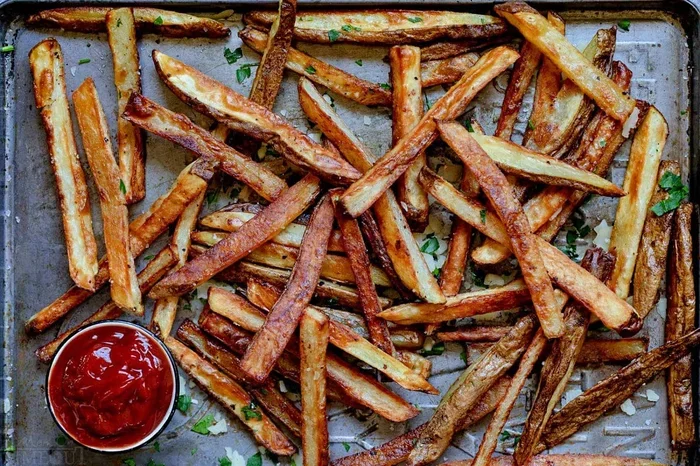
Making great French fries in the oven is easier than you think. You just need the right potatoes, the right oil, and the right temperature. This guide walks you through every step to get crispy, golden oven-baked French fries that rival deep-fried ones. Whether you are a beginner or a seasoned cook, you will find tips to level up your homemade fries game right away.
Key Takeaways
- Choose the right potato: Russet and Yukon Gold potatoes give you the best texture for crispy oven fries.
- Soak your cuts: Soaking sliced potatoes in cold water removes excess starch, which is the secret to crispy baked fries.
- Use the right oil: A thin coat of high-smoke-point oil like avocado or canola oil makes all the difference.
- Don’t overcrowd the pan: Spreading fries in a single layer ensures even browning and prevents steaming.
- Double bake for extra crunch: A two-stage baking method produces restaurant-quality crispy oven fries every time.
- Season at the right time: Salt fries right after they come out of the oven while they are still hot and slightly oily.
📑 Table of Contents
- Why Oven French Fries Are the Best Choice
- Choosing the Right Potatoes for Crispy Fries
- The Best Oil and Seasonings for Oven Fries
- Step-by-Step Recipe for Perfect Oven Fries
- Common Mistakes That Make Fries Soggy
- Expert Tips for Crispy, Golden Oven Fries
- Comparison: Oven Fries vs Deep Fried Fries
- Conclusion
Why Oven French Fries Are the Best Choice
Let us start with something important. French fries in the oven are a game-changer for home cooks. You get all the crunch and flavor without the mess of deep frying. Plus, they are much healthier since you use far less oil.
Many people think you need a deep fryer to get great fries. That is simply not true. A regular home oven can produce amazing crispy baked fries if you follow a few simple steps. The key is understanding what makes fries crispy and how to control the process.
Oven fries also give you more control. You can make a big batch easily. You can season them however you like. And cleanup is a breeze compared to dealing with a pot of hot oil. Once you master homemade oven fries, you will never go back to frozen bags again.
The Benefits of Baked Fries Over Deep Fried
There are real advantages to choosing baked French fries over deep fried ones. First, they contain significantly fewer calories and less fat. A serving of oven-baked fries can have up to 70% less fat than their deep-fried counterparts.
Second, they are safer to make. There is no risk of oil splatter or burns. Third, they are more convenient. You can prep them ahead of time and pop them in the oven when you are ready. This makes oven french fries perfect for weeknight dinners and game day snacks alike.
Finally, baked fries let the natural flavor of the potato shine through. When you use quality potatoes and good seasoning, the result is something truly special. The oven-baked potato fries taste clean and satisfying in a way that heavy deep-fried versions often do not.
Choosing the Right Potatoes for Crispy Fries
The foundation of great French fries in the oven starts long before they hit the baking sheet. It starts with choosing the right potato. Not all potatoes are created equal when it comes to making fries.
The best potatoes for crispy oven fries are high-starch varieties. These potatoes have more internal starch, which creates a fluffy inside and a crispy outside when baked. Low-starch potatoes tend to stay waxy and soft, which is the opposite of what you want.
Best Potato Varieties for Oven Fries
Russet potatoes are the gold standard for homemade french fries. They are high in starch and low in moisture. This combination gives you that perfect fluffy interior with a golden, crunchy exterior. Look for large, firm russets without any green spots or sprouts.
Yukon Gold potatoes are another excellent choice for baked potato fries. They have a slightly buttery flavor and a creamy texture. They are not quite as starchy as russets, but they still produce wonderful oven-baked fries with a rich taste.
If you want to try something different, consider Kennebec potatoes. These are a favorite among fry makers for their balance of starch and moisture. They hold their shape well during baking and produce consistently great results. Whatever variety you choose, always pick potatoes that are firm and free of soft spots.
How Potato Starch Affects Fry Texture
Understanding potato starch helps you make better fries in the oven. High-starch potatoes release more starch during cutting and soaking. This starch, when removed properly, allows the surface to dehydrate and crisp up beautifully.
Low-starch potatoes, like red or fingerling varieties, retain more moisture. This moisture creates steam during baking, which leads to soggy fries. So if your goal is crispy baked fries, stick with high-starch options like russets or Yukon Golds.
One more tip: try to use potatoes of similar size. This ensures they cook at the same rate. Mixed sizes can lead to some fries being burnt while others are still undercooked. Uniformity is key for perfect oven fries every time.
The Best Oil and Seasonings for Oven Fries
Getting the right oil and seasoning is crucial for French fries in the oven. The oil helps transfer heat evenly and promotes browning. The seasoning adds flavor that makes each bite irresistible.
Which Oils Work Best for Crispy Fries
Not all cooking oils are the same when it comes to oven-baked fries. You need an oil with a high smoke point. This means it can withstand high oven temperatures without breaking down or smoking.
Avocado oil is the top choice for many fry enthusiasts. It has a very high smoke point and a neutral flavor. Canola oil is another excellent option. It is affordable, widely available, and produces great results for crispy oven fries.
Refined olive oil also works well, but avoid extra virgin olive oil for frying. It has a lower smoke point and can burn at high temperatures. Vegetable oil and grapeseed oil are solid alternatives too. The key is using just enough oil to coat the fries lightly. Too much oil makes them greasy rather than crispy.
Seasoning Combinations That Elevate Your Fries
Seasoning is where you can really make homemade french fries your own. Classic kosher salt and black pepper is always a winner. But there are so many directions you can go from there.
For a restaurant-style taste, try garlic powder, smoked paprika, and a touch of onion powder. Parmesan cheese sprinkled on hot fries adds a savory, nutty flavor that everyone loves. For something bolder, mix chili powder, cumin, and a squeeze of lime juice.
Fresh herbs like rosemary and thyme work beautifully on baked potato fries. Just add them right after the fries come out of the oven so they do not burn. A light sprinkle of finishing salt or flaky sea salt on top adds a nice crunch too.
Step-by-Step Recipe for Perfect Oven Fries
Now let us get into the heart of the matter. Here is a detailed, tried-and-true method for making French fries in the oven that come out crispy on the outside and fluffy on the inside. Follow these steps closely and you will not be disappointed.
Step 1: Prep the Potatoes
Start by washing your potatoes thoroughly. You do not need to peel them for oven fries. The skin adds texture and nutrients. Cut each potato into sticks about 1/4 inch thick. A sharp knife or a fry cutter makes this job much faster and more uniform.
Once cut, place all the fries in a large bowl of cold water. Let them soak for at least 30 minutes, or up to 2 hours in the refrigerator. This soaking step is essential. It draws out excess surface starch, which is the main culprit behind soggy baked french fries.
Step 2: Dry the Fries Completely
After soaking, drain the fries and spread them out on a clean kitchen towel. Pat them dry thoroughly. This step is non-negotiable. Any remaining moisture on the surface will create steam in the oven, which leads to limp, pale fries instead of crispy baked fries.
For even better results, let the dried fries sit uncovered on a sheet pan for 15 to 20 minutes. This allows the surface to air-dry further. The drier the surface, the crispier the final result.
Step 3: Season and Oil
Place the dried fries on a large baking sheet lined with parchment paper. Drizzle with about 2 tablespoons of your chosen oil per pound of potatoes. Toss them gently with your hands until every fry is lightly coated.
Now add your salt and any other seasonings you prefer. Toss again to distribute evenly. The light coating of oil helps the seasonings stick to the surface and promotes browning during baking.
Step 4: Bake at High Heat
Preheat your oven to 425°F (220°C). Make sure it is fully heated before the fries go in. Arrange the fries in a single layer with space between each one. Overcrowding is the number one mistake people make when baking oven fries.
Bake for 15 minutes, then flip each fry carefully. Bake for another 15 to 20 minutes until they are golden brown and crispy on the edges. The exact time depends on your oven and how thick your cuts are. Keep an eye on them during the last few minutes to prevent burning.
Step 5: Serve Immediately
Remove the fries in the oven and serve them right away. Fries lose their crispiness quickly as they sit. Place them on a wire rack instead of a plate to keep the bottom from getting soggy. Serve with ketchup, aioli, or whatever dipping sauce you love.
Step 6: The Double Bake Method for Ultimate Crunch
For the most crispy oven fries possible, try the double bake method. After the first bake, let the fries cool completely on a wire rack. Then return them to the oven at 450°F for another 10 to 15 minutes. This second bake drives off even more moisture and creates an incredibly crunchy exterior.
This method takes a bit more time, but the results are worth it. Many professional kitchens use a version of this technique for their oven-baked potato fries. It is the secret behind those perfectly crunchy fries you get at quality restaurants.
Common Mistakes That Make Fries Soggy
Even with the best recipe, certain mistakes can ruin your French fries in the oven. Knowing what to avoid is just as important as knowing what to do. Here are the most common pitfalls and how to steer clear of them.
Overcrowding the Baking Sheet
This is the biggest mistake home cooks make. When fries are packed too closely together, they steam instead of bake. Steam is the enemy of crispiness. Always use a large baking sheet and give each fry plenty of space. If you need to make a large batch, use two sheets or bake in multiple rounds.
Skipping the Soaking Step
Some people rush through prep and skip the cold water soak. This is a missed opportunity. Soaking removes surface starch that would otherwise absorb moisture and create a gummy texture. If you want truly crispy baked fries, do not skip this step. Even a 15-minute soak makes a noticeable difference.
Not Drying the Fries Well Enough
Water and hot oil do not mix well, and water and hot ovens are just as problematic. If your fries go into the oven wet, they will steam and come out soft. Take the time to dry them thoroughly with a towel and let them air-dry before baking. This small extra step pays off big time.
Using the Wrong Temperature
Baking oven french fries at too low a temperature is another common error. A low oven slowly steams the potatoes rather than roasting them to crispiness. Always preheat your oven to at least 425°F. The high heat is what creates the Maillard reaction, which gives fries their golden color and complex flavor.
Adding Salt Too Early
Salt draws moisture out of food. If you salt your fries before baking, the salt pulls water to the surface, which creates steam and sogginess. Always salt fries in the oven right after they come out, while they are still hot and the oil helps the salt stick.
Expert Tips for Crispy, Golden Oven Fries
Once you have the basics down, these expert tips will take your French fries in the oven to the next level. These are the small details that separate good fries from great ones.
Use Cornstarch for Extra Crunch
Tossing your dried fries with a light dusting of cornstarch before oiling them is a game-changer. The cornstarch creates a thin, crispy shell on the outside of each fry. This technique is used by many restaurants to achieve that perfect crispy oven fries texture at home.
Use about 1 tablespoon of cornstarch per pound of potatoes. Toss it with the fries after they are dried but before you add oil. The result is a noticeably crunchier fry with a beautiful golden color.
The Parchment Paper Trick
Never place fries directly on a bare baking sheet. The fries will stick and the bottoms will not crisp properly. Parchment paper creates a barrier that allows air to flow underneath while preventing sticking.
Some cooks prefer a silicone baking mat for the same reason. Both options work well for oven-baked fries. Avoid using wax paper, as it can smoke at high oven temperatures.
Rotate the Pan Halfway Through
Most home ovens have hot spots. To ensure even browning, rotate your baking sheet 180 degrees halfway through the cooking time. This simple step ensures every fry gets equal exposure to the heat and comes out uniformly golden.
Let Fries Cool on a Wire Rack
Do not pile hot fries on a plate or paper towel. The trapped steam will soften them instantly. Instead, spread them out on a wire rack to cool. This keeps air circulating around each fry and maintains that crispy texture you worked so hard to achieve.
Make Ahead and Reheat Like a Pro
Want to prep French fries in the oven ahead of time? You can cut and soak potatoes the night before. Store them in water in the refrigerator. When you are ready to cook, drain, dry, and bake as usual.
If you have leftover fries, reheat them in a hot oven at 450°F for 3 to 5 minutes. Avoid using the microwave, as it turns fries into a sad, soggy mess. The oven-baked fries reheat beautifully and retain much of their original crunch.
Comparison: Oven Fries vs Deep Fried Fries
Curious how oven-baked fries stack up against traditional deep-fried versions? Here is a side-by-side look at the key differences.
| Factor | Oven Fries | Deep Fried Fries |
|---|---|---|
| Fat Content | Low (1-2 tbsp per batch) | High (absorbs significant oil) |
| Calories (per serving) | Approx. 200-250 | Approx. 350-400 |
| Texture | Crispy exterior, fluffy interior | Extra crispy, slightly greasy |
| Prep Time | 10 minutes | 5 minutes |
| Cook Time | 30-40 minutes | 3-5 minutes |
| Cleanup | Minimal | Significant (oil disposal) |
| Safety | Very safe | Risk of burns and splatter |
| Flavor Intensity | Clean, potato-forward | Rich, indulgent |
| Best For | Everyday meals, health-conscious eaters | Special treats, restaurant-style indulgence |
As you can see, oven fries win on health and convenience, while deep frying wins on speed and richness. The good news is that with the right technique, crispy baked fries come very close to their deep-fried cousins in flavor and texture. For most home cooks, the trade-off is well worth it.
Quick Tips Section
- Freeze for crispier fries: After cutting, freeze your potato sticks for 30 minutes before baking. The cold helps create a drier surface that crisps up beautifully.
- Use a mandoline slicer: A mandoline gives you perfectly uniform cuts every time, which means even cooking throughout.
- Add a splash of vinegar: Tossing fresh-cut fries with a tiny bit of white vinegar before baking helps them hold their shape.
- Preheat the baking sheet: A hot baking sheet jumpstarts the cooking process and helps the bottoms crisp up faster.
- Double coat with cornstarch: For extra-crunchy oven fries, toss dry fries with cornstarch, then lightly oil, then bake.
Common Mistakes Section Recap
- Overcrowding the pan: Always give fries space to breathe.
- Skipping the soak: Cold water removes starch and improves texture.
- Wet fries going in the oven: Dry them thoroughly every single time.
- Low oven temperature: Go hot at 425°F or higher for best results.
- Salting too early: Season right after baking, not before.
Expert Insights
Professional chefs often share one key insight about making French fries in the oven: patience is everything. Do not rush the soaking, do not rush the drying, and do not rush the baking. Each step builds on the last to create the final result.
Another expert tip is to cut fries to a consistent thickness. Even a small variation in thickness means some fries will be overcooked while others are undercooked. A fry cutter or mandoline ensures uniformity and makes the whole process smoother.
Many chefs also recommend flipping the fries only once during baking. Every time you flip, you disrupt the browning process. One gentle flip halfway through gives you the best color and texture without compromising the crust formation.
The final expert insight is about seasoning. Always season fries in small batches if possible. A light, even coat of seasoning tastes far better than heavy piles in one spot. This applies to both salt and any additional spices you use for your baked potato fries.
Conclusion
Making French fries in the oven is a simple, rewarding skill that anyone can learn. With the right potatoes, the right oil, and a little patience, you can produce crispy, golden homemade fries that taste better than anything out of a box. The process gives you full control over ingredients, seasoning, and texture.
Remember the key steps: soak to remove starch, dry thoroughly, use a light oil coat, bake at high heat, and season right after cooking. Follow these guidelines and your oven-baked fries will consistently turn out fantastic. The double bake method is especially worth trying if you want that extra level of crunch.
Once you start making fries in the oven at home, you will wonder why you ever relied on frozen or fast food versions. They are healthier, tastier, and incredibly easy to customize. So preheat your oven, grab some good potatoes, and get ready to enjoy the best crispy baked fries of your life. Your taste buds will thank you.
Frequently Asked Questions
Can I Use Frozen Potatoes to Make Fries in the Oven?
Yes, you can, but fresh potatoes generally produce better results. If you use frozen fries, you do not need to thaw them first. Simply spread them on a baking sheet and bake at 425°F for about 20 to 25 minutes. However, fresh oven fries have a superior texture and flavor that frozen versions cannot quite match.
What Is the Best Temperature for Baking French Fries?
The ideal temperature for French fries in the oven is 425°F (220°C). This high heat ensures the outside becomes crispy while the inside stays fluffy. Some recipes call for 400°F if your oven runs hot, but 425°F is the standard recommendation for perfectly crispy baked fries.
How Long Should I Soak Potatoes Before Baking Fries?
A soak of at least 30 minutes is recommended for removing surface starch. However, you can soak them for up to 2 hours in the refrigerator for even better results. The longer soak helps produce crispy oven fries with a lighter, less starchy taste. Just make sure to dry them thoroughly before baking.
Do I Need to Peel Potatoes Before Making Oven Fries?
No, peeling is completely optional. The skin on oven-baked fries adds texture, fiber, and nutrients. Many people prefer the rustic look and added crunch that potato skin provides. Just wash the potatoes thoroughly and scrub off any dirt before cutting.
Can I Make Oven Fries Ahead of Time?
You can prep the potato cuts ahead of time by soaking them in water and storing them in the refrigerator for up to 24 hours. However, French fries in the oven taste best when served immediately after baking. If you must reheat leftovers, use a hot oven at 450°F for a few minutes to restore crispiness.
Why Are My Baked Fries Not Crispy?
The most common reasons for soggy baked french fries are overcrowding the pan, not drying the fries well enough, or baking at too low a temperature. Also, skipping the cold water soak can result in fries that lack crunch. Addressing these issues will dramatically improve your crispy baked fries every time.