How Long Do You Cook Cabbage In The Oven Perfectly
How Long Do You Cook Cabbage In The Oven depends on the cut and size you choose. Whole heads take about 45 to 60 minutes, while wedges need 25 to 35 minutes at 400°F. Shredded cabbage bakes faster, usually around 15 to 20 minutes. This guide covers every method so your oven-baked cabbage comes out perfectly tender every time.
Cooking cabbage in the oven might sound simple, but getting it just right takes a little know-how. Many people end up with rubbery or bitter cabbage because they guess at the time and temperature. The good news is that once you understand the basics, oven cabbage becomes one of the easiest and most delicious sides you can make.
Whether you prefer whole roasted cabbage, crispy wedges, or a baked cabbage casserole, timing is everything. This guide walks you through exactly how long to cook cabbage in the oven for every style. You will learn the best temperatures, preparation tricks, and flavor ideas that turn a humble vegetable into a crowd favorite. Let us get into it.
Key Takeaways
- Whole cabbage roasts in 45 to 60 minutes at 400°F for a soft, caramelized center.
- Cabbage wedges cook in 25 to 35 minutes and develop crispy edges beautifully.
- Shredded cabbage bakes in just 15 to 20 minutes and works great in casseroles and topping dishes.
- Temperature matters — 375°F for slow roasting, 400°F for balanced results, and 425°F for extra crispiness.
- Seasoning before baking transforms plain cabbage into a flavorful side dish everyone loves.
- Checking doneness with a fork is the easiest way to know your cabbage is ready.
- Resting the cabbage after baking helps the juices settle and improves texture.
📑 Table of Contents
- Why Oven-Roasted Cabbage Deserves a Spot on Your Plate
- How Long Do You Cook Cabbage In The Oven
- The Best Oven Temperature for Cabbage
- Step-by-Step Oven Cabbage Recipe
- Tips for Perfectly Cooked Cabbage Every Time
- Creative Ways to Serve Oven Cabbage
- Nutrition Benefits of Oven-Roasted Cabbage
- Frequently Asked Questions
- Conclusion
Why Oven-Roasted Cabbage Deserves a Spot on Your Plate
Cabbage often gets a bad reputation. People remember overboiled, mushy cabbage from their childhood. But when you cook cabbage in the oven, something magical happens. The heat caramelizes the natural sugars, creating crispy edges and a sweet, nutty flavor that bears no resemblance to the boiled version.
The Flavor Transformation
Roasting cabbage in the oven concentrates its flavor. The high heat draws out moisture and browns the outer leaves. This process, called the Maillard reaction, creates complex flavors that make even picky eaters reach for seconds. Baked cabbage develops a slight crunch on the outside while staying tender inside.
When you compare boiled cabbage to roasted cabbage, the difference is night and day. Boiling leaches out flavor and nutrients. Roasting locks everything in and adds a delicious depth. Once you try oven-baked cabbage, you will never go back to the stovetop.
Why More People Are Choosing Oven Cabbage
There are so many reasons to love oven-baked cabbage. It requires almost no prep work. You need minimal ingredients. And clean-up is a breeze compared to stovetop cooking. Plus, roasting cabbage brings out nutrients like vitamin C and fiber in a way that boiling does not.
Many home cooks now use roasted cabbage as a weekly staple. It pairs well with meats, grains, and other vegetables. A whole roasted cabbage makes an impressive centerpiece for a holiday dinner. Wedges work perfectly as a side for weeknight meals. The versatility of cabbage oven recipes is truly unmatched.
How Long Do You Cook Cabbage In The Oven
The answer to how long do you cook cabbage in the oven depends on three things: the type of cut, the size of the head, and the temperature you use. Below is a detailed breakdown of every method so you can pick the one that fits your dinner plan.
Whole Head Cabbage Cooking Time
A whole head of cabbage takes the longest to cook. You are essentially roasting a large, dense vegetable from the outside in. At 400°F, a medium head of cabbage needs about 45 to 60 minutes. If your cabbage is particularly large, it may need closer to 70 minutes.
Here is what to expect with a whole head:
- At 375°F: 55 to 70 minutes for a soft, evenly cooked center.
- At 400°F: 45 to 60 minutes for a good balance of tenderness and browning.
- At 425°F: 35 to 50 minutes for a more caramelized, slightly crispy exterior.
The key with whole cabbage is to check it often after the 40-minute mark. Insert a fork into the thickest part of the core. If it slides in easily, your cabbage cooking time is done. The outer leaves should be golden brown and the inner leaves should be tender but not mushy.
Cabbage Wedges and Roasting Time
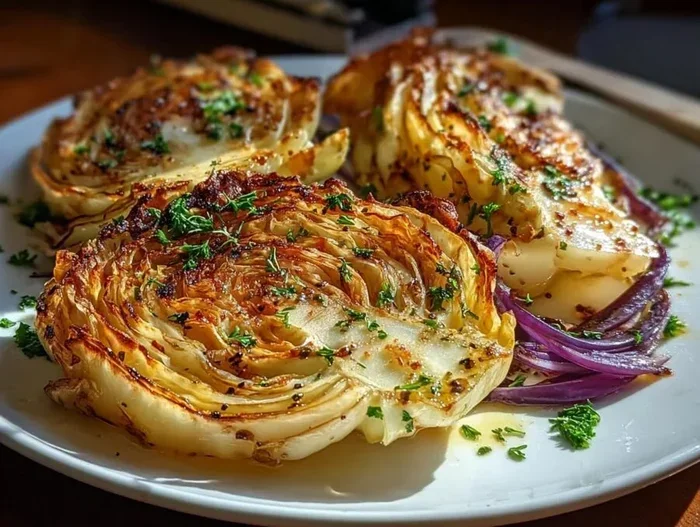
Cutting cabbage into wedges is the most popular method for oven cabbage. Wedges cook faster than a whole head because the heat reaches the core more quickly. Most wedge recipes call for 25 to 35 minutes at 400°F.
Here is a quick guide for wedge cooking times:
- Thick wedges (1.5 inches): 30 to 35 minutes at 400°F.
- Medium wedges (1 inch): 25 to 30 minutes at 400°F.
- Thin wedges (0.5 inches): 18 to 22 minutes at 400°F.
Thinner wedges crisp up faster, so keep a close eye on them. You want the edges to be golden and slightly charred without burning. Caramelized cabbage wedges are absolutely incredible when drizzled with a little olive oil and sprinkled with garlic powder before roasting.
Shredded Cabbage Bake Time
Shredded cabbage cooks the fastest of all the methods. When you spread shredded cabbage in a thin layer on a baking sheet, it bakes in just 15 to 20 minutes at 400°F. This method works great for cabbage slaws that get a crispy finish, or for cabbage toppings on casseroles and baked dishes.
Some people also make shredded cabbage bake dishes where the cabbage is mixed with cheese, eggs, and seasonings. These casserole-style preparations typically need 25 to 30 minutes because the moisture from the other ingredients slows down the baking process.
If you are using a cabbage casserole or a stuffed cabbage roll preparation, expect 30 to 40 minutes covered in foil, then an additional 10 to 15 minutes uncovered for browning.
The Best Oven Temperature for Cabbage
Temperature plays a huge role in your final result. Too low and the cabbage steams instead of roasts. Too high and the edges burn before the center cooks through. Finding the sweet spot makes all the difference.
Low and Slow vs. High Heat
Low temperatures around 350°F to 375°F work best when you want evenly cooked, tender cabbage throughout. This approach is ideal for whole heads and stuffed cabbage rolls. The slower cooking time allows the natural sugars to develop gradually without burning.
High heat at 425°F to 450°F creates faster caramelization and crispier edges. This method shines with wedges and shredded cabbage. The intense heat browns the exterior quickly while keeping the interior moist.
For most home cooks, 400°F is the magic number. It balances caramelization with cooking time and works for virtually every cut of cabbage. This is the go-to oven temperature for cabbage in most tested recipes.
Temperature Guide by Cabbage Type
Different types of cabbage respond slightly differently to heat. Green cabbage is the most common and works well at all temperatures. Red cabbage takes a bit longer because of its denser structure. Savoy cabbage, with its crinkly leaves, roasts quickly and can burn if you are not careful at high heat.
Here is a simple temperature guide:
- Green cabbage: 400°F works perfectly for all cuts.
- Red cabbage: 375°F to 400°F for even cooking without drying out.
- Savoy cabbage: 400°F to 425°F for wedges, but watch closely for burning.
- Napa cabbage: 400°F, but reduce time by 5 minutes since it is thinner.
Step-by-Step Oven Cabbage Recipe
Now that you know the timing and temperatures, let us walk through a simple cabbage oven recipe that delivers amazing results every single time. This basic method works for wedges but can be adapted for any cut.
Preparing Your Cabbage
Start by removing the outer leaves of your head of cabbage. These leaves often look wilted or discolored. Cut the cabbage in half through the core, then cut each half into wedges of equal thickness. Aim for about one inch thick for the best results.
Rinse the wedges under cold water and pat them dry with a clean towel. Removing excess moisture is important because wet cabbage will steam instead of roast. This is one of the most common mistakes people make when learning how to cook cabbage in the oven.
Seasoning and Flavor Ideas
Plain roasted cabbage is already delicious, but a little seasoning takes it to the next level. Here are some easy flavor combinations:
- Classic butter garlic: Melted butter, minced garlic, salt, and pepper.
- Mediterranean style: Olive oil, lemon juice, dried oregano, and a sprinkle of parmesan.
- Sweet and smoky: A drizzle of honey, smoked paprika, and a pinch of cumin.
- Asian-inspired: Soy sauce, sesame oil, and a sprinkle of sesame seeds.
Toss your wedges in the seasoning mixture before placing them on the baking sheet. Make sure every piece gets coated evenly. The seasoning creates a flavorful crust as the cabbage roasts.
The Baking Process
Preheat your oven to 400°F and line a baking sheet with parchment paper. Arrange the cabbage wedges in a single layer with space between each piece. Overcrowding the pan traps steam and prevents proper caramelization.
Roast the cabbage for 25 to 35 minutes, flipping halfway through. The wedges are done when the edges are golden brown and a fork slides easily through the thickest part. Remove them from the oven and let them rest for 3 to 5 minutes before serving. This resting period allows the juices to redistribute for a better texture.
Tips for Perfectly Cooked Cabbage Every Time
Even with the right time and temperature, small details can make or break your oven-baked cabbage. Here are some proven tips that separate good results from great ones.
Common Mistakes to Avoid
One of the biggest mistakes is skipping the drying step after rinsing. Wet cabbage steams and turns soggy instead of roasting. Another common error is overcrowding the baking sheet. Cabbage needs air circulation around each piece to develop those crispy, caramelized edges.
Some people also skip the flip halfway through cooking. Turning the wedges ensures even browning on both sides. And never forget to check the thickest part of the core for doneness. If the core is still hard, the cabbage needs more time regardless of how the outer leaves look.
Using the wrong pan can also cause problems. Dark baking sheets absorb more heat and can burn the cabbage faster. Light-colored or parchment-lined sheets give you more control over the cooking process.
Quick Tips for Success
- Let the cabbage come to room temperature before roasting for more even cooking.
- Use parchment paper or a silicone mat to prevent sticking without excess oil.
- Season right before baking to keep the cabbage from drawing out too much moisture.
- Add a little acid like a squeeze of lemon after roasting to brighten the flavor.
- Pair with complementary proteins like roasted chicken, sausage, or grilled fish for a complete meal.
Expert Insights
Professional chefs often say that roasted vegetables like cabbage are all about patience. Resist the urge to open the oven door too often. Every time you open it, the temperature drops and the cooking process slows down. Trust the process and let the oven do the work.
Another expert tip is to score the core of a whole cabbage before roasting. Making a shallow X on the bottom of the head allows heat to penetrate the dense core more evenly. This small trick can shave 10 to 15 minutes off your cabbage cooking time and ensure a more consistent result.
Creative Ways to Serve Oven Cabbage
Once you master the basics of oven-baked cabbage, you will start finding new ways to use it in your meals. Roasted cabbage is incredibly versatile and works in a surprising number of dishes.
As a Side Dish
Warm cabbage wedges with a drizzle of butter make a perfect side for roasted meats, grilled fish, or pasta dishes. They pair especially well with pork chops and roasted chicken. The sweetness of caramelized cabbage complements rich, savory proteins beautifully.
Try serving roasted cabbage alongside mashed potatoes and gravy for a comforting weeknight dinner. A simple side salad on the side keeps the meal balanced and fresh.
As a Main Course
A whole roasted cabbage stuffed with seasoned rice, ground meat, and cheese makes a satisfying main course. This style of stuffed cabbage bake is popular in many cuisines around the world. The cabbage leaves act as a natural wrapper that holds everything together while infusing flavor during baking.
Another option is to use shredded cabbage bake as a standalone dish. Mix shredded cabbage with eggs, cheese, and herbs, then bake until set. The result is a golden, frittata-like dish that works for breakfast, lunch, or dinner.
In Salads and Bowls
Do not overlook the power of crispy baked cabbage in salads. Roasted wedges or shredded cabbage add texture and depth to grain bowls and composed salads. Toss warm cabbage oven recipes with quinoa, roasted chickpeas, and a tangy vinaigrette for a nutritious, satisfying meal.
Nutrition Benefits of Oven-Roasted Cabbage
Beyond its delicious taste, cabbage nutrition is impressive. Cabbage is low in calories but high in fiber, vitamin C, and vitamin K. Roasting preserves more nutrients than boiling because you use less water and the heat stays contained in the oven.
A single cup of roasted cabbage provides about 22 calories and 2 grams of fiber. It is also a good source of antioxidants, particularly the compounds found in red and purple cabbage. Including roasted vegetables like cabbage in your regular diet supports digestion, immune health, and overall wellness.
For those watching their carbohydrate intake, cabbage is an excellent choice. It is naturally low in carbs and pairs well with ketogenic and low-carb eating plans. The rich flavor of oven-roasted cabbage makes it easy to enjoy without needing heavy sauces or toppings.
Frequently Asked Questions
Can you overcook cabbage in the oven?
Yes, overcooking is possible and it leads to mushy, unappetizing texture. Whole heads can tolerate a few extra minutes, but wedges and shredded cabbage go from perfectly done to overcooked quickly. Always check doneness a few minutes before the recommended time and use a fork to test tenderness.
Do you need to peel the outer leaves before roasting?
You do not need to peel them, but you should remove any visibly damaged or wilted outer leaves. The outer leaves protect the inner cabbage during roasting and become deliciously crispy. Some people even eat the roasted outer leaves as a treat, similar to crispy cabbage chips.
Is it better to cook cabbage covered or uncovered in the oven?
Most oven cabbage recipes call for cooking uncovered. This allows the heat to circulate freely and creates the caramelization and browning that makes roasted cabbage so good. If you are cooking a whole head and find the edges are burning before the center is done, you can loosely tent it with foil for the first 20 minutes, then remove the foil to finish.
Can you use frozen cabbage in the oven?
Yes, but frozen cabbage releases more moisture than fresh cabbage, so it will take slightly longer to roast. Thaw and drain the cabbage first, then pat it dry thoroughly before seasoning and baking. Expect the cooking time to increase by about 5 to 10 minutes compared to fresh cabbage.
What is the best way to store leftover roasted cabbage?
Let the cabbage cool completely, then store it in an airtight container in the refrigerator. It keeps well for up to 4 days. Reheat in the oven at 350°F for 10 to 15 minutes to restore the crispy texture. Microwaving tends to make the cabbage soggy, so the oven is always the better reheating method for oven-baked cabbage.
Can you add cheese to roasted cabbage?
Absolutely. Cheese and cabbage are a fantastic combination. Sprinkle grated cheddar, parmesan, or gruyere over the wedges during the last 5 to 7 minutes of baking. The cheese melts into a golden crust that adds richness and flavor. This simple addition elevates roasted cabbage from a humble side dish to a standout recipe.
Conclusion
Mastering how long do you cook cabbage in the oven opens up a world of delicious, easy meals. Whether you prefer a whole head roasted low and slow, crispy wedges with bold seasoning, or a quick shredded cabbage bake, the principles remain the same. Dry your cabbage well, use the right temperature, and check for doneness with a fork.
Oven-baked cabbage is one of the most underrated vegetables you can prepare. It is affordable, nutritious, and incredibly versatile. Once you start making roasted cabbage a regular part of your cooking rotation, you will wonder why you ever settled for boiled versions. Try the tips and techniques in this guide on your next cooking night, and you will taste the difference that proper oven roasting makes.
The beauty of cabbage oven recipes is that they work with almost any seasoning profile and pair with almost any meal. Keep experimenting with flavors, temperatures, and cooking times until you find your perfect method. Your taste buds will thank you, and your dinner table will be a little healthier for it.