What Temperature Is Low On A Roaster Oven Explained
The low temperature on a roaster oven typically ranges from 200°F to 250°F, making it perfect for slow cooking, simmering, and gentle heating. Most roaster ovens use a 200°F low setting for recipes that need hours of tender, hands-off cooking. Understanding this range helps you get better flavor, juicier results, and more control over your meals.
What temperature is low on a roaster oven? If you have ever stood in front of your countertop roaster, staring at the dial and wondering what that lowest setting really means, you are not alone. Many home cooks use their roaster oven for big holiday meals but rarely explore the full range of heat settings. The truth is, the low setting on a roaster oven opens up a whole world of cooking possibilities.
Whether you want to slow-cook a pot roast, warm up a dip without scorching it, or bake bread at a gentle pace, knowing your roaster oven’s low temperature is essential. In this guide, we will break down exactly what the low setting means, how it compares to other heat levels, and how you can use it to cook better meals every single day. Let us dive in.
Key Takeaways
- Low setting is usually 200°F to 250°F: This is the standard range for most roaster ovens on the lowest heat position.
- Low heat works great for slow cooking: It tenderizes tough cuts of meat and develops deep, rich flavors over time.
- Roaster ovens heat evenly: The enclosed design circulates heat consistently, which makes low-temperature cooking very reliable.
- You can bake, dehydrate, and keep food warm: The low setting is versatile beyond just roasting.
- Always use a meat thermometer: This ensures your food reaches a safe internal temperature while staying moist.
- Preheating matters even on low: Give your roaster oven time to reach the target temperature before adding food.
📑 Table of Contents
- What Is the Low Temperature on a Roaster Oven?
- How Roaster Ovens Differ from Regular Ovens
- Best Low-Temperature Cooking Uses for a Roaster Oven
- Common Mistakes When Using Low Heat on a Roaster Oven
- Tips for Perfect Low-Temperature Cooking
- Quick Tips for Low-Temperature Roaster Cooking
- Expert Insights on Low Heat Roasting
- Key Takeaways
- Conclusion
What Is the Low Temperature on a Roaster Oven?
The low temperature on most roaster ovens falls between 200°F and 250°F. This is the lowest heat setting available on the thermostat dial. Some models may label this setting as “Warm” or “Low,” but the temperature range stays roughly the same across brands.
Here is a quick look at typical roaster oven temperature settings:
- Low: 200°F to 250°F
- Medium: 300°F to 350°F
- Medium-High: 375°F to 400°F
- High: 425°F to 450°F
The low setting is designed for recipes that need long, gentle cooking. It is not meant to heat food quickly. Instead, it maintains a steady, low warmth that slowly cooks ingredients from the inside out. This makes it ideal for slow roasting, simmering soups, and keeping dishes warm during a long dinner party.
Why Does the Low Setting Matter?
Cooking at a low temperature does more than just save energy. It changes the way food cooks. At 200°F to 250°F, proteins break down slowly, fats render gently, and flavors have time to develop. This is why a pot roast cooked on low for six hours tastes so much better than one rushed at high heat.
The low setting also reduces the risk of drying out your food. Because the heat is gentle, moisture stays locked inside. This is especially important when cooking chicken, pork shoulder, or any cut of meat that benefits from a long, slow cook.
How Roaster Ovens Differ from Regular Ovens
A roaster oven is not just a smaller version of your full-size oven. It works differently, and that difference matters when you are cooking at low temperatures.
Compact Design and Heat Circulation
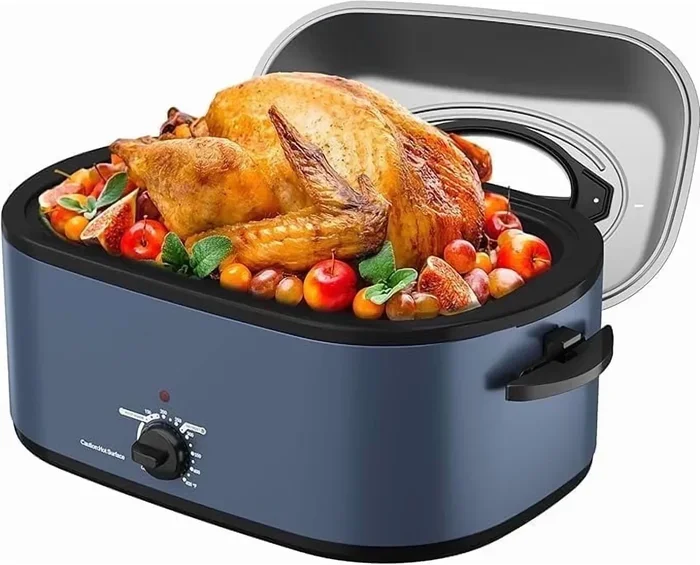
A roaster oven is a portable, countertop-sized unit with a metal body and a glass lid. The lid traps heat inside, creating a compact cooking environment. Because the space is smaller, heat circulates more evenly around the food. This means your roaster oven maintains a consistent low temperature without hot spots or cold zones.
Regular ovens, on the other hand, have larger cavities. Heat can escape more easily, and temperature fluctuations are more common. When you set a full-size oven to 200°F, it may cycle on and off to maintain that temperature. A roaster oven holds steady more reliably.
Energy Efficiency at Low Heat
Because roaster ovens are smaller, they use less energy to preheat and maintain low temperatures. This makes them a great choice for cooking a single dish without heating up your entire kitchen. In the summer months, using a roaster oven on low can save you from turning on the big oven and warming up your house.
| Feature | Roaster Oven | Regular Oven |
|---|---|---|
| Low Setting Range | 200°F to 250°F | 170°F to 200°F |
| Preheating Time | Faster | Slower |
| Heat Distribution | Very even | Can vary |
| Energy Use | Lower | Higher |
| Portability | Yes | No |
Best Low-Temperature Cooking Uses for a Roaster Oven
The low setting on a roaster oven is incredibly versatile. Once you understand what it can do, you will find yourself using it far more than you expected.
Slow Cooking Tough Cuts of Meat
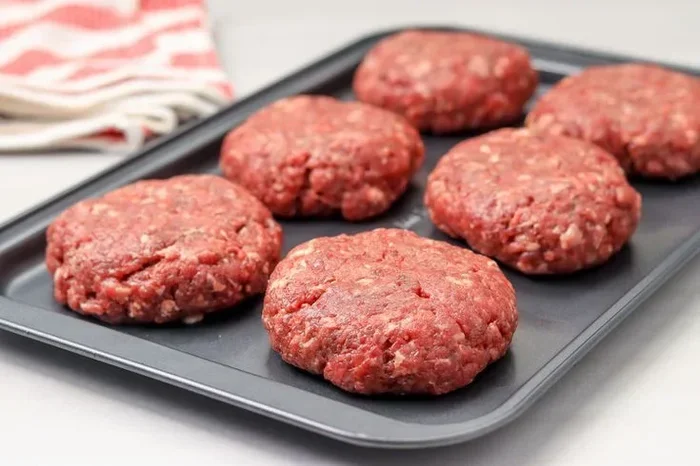
Brisket, pork shoulder, beef chuck, and lamb shoulder all benefit from low, slow cooking. At 200°F to 250°F, these tough cuts gradually break down, becoming fork-tender and full of flavor. A classic example is a low-and-slow pot roast. Season your beef, place it in the roaster with some broth and vegetables, set it to low, and let it cook for 6 to 8 hours.
The result is meat so tender it falls apart with a fork. The low heat prevents the outside from burning while the inside cooks through completely.
Braising and Simmering Soups and Stews
You can use your roaster oven as a large braising pot. Set it to low, add your ingredients, and let the stew simmer gently for hours. This works wonderfully for chili, beef stew, and chicken soup. The enclosed environment keeps moisture in, so your liquid reduces slowly and flavors concentrate.
Keeping Food Warm
Many roaster ovens have a dedicated “Keep Warm” setting that holds food at around 150°F to 200°F. But even without that feature, the low setting works perfectly for keeping dishes warm during a buffet or holiday meal. Just set your roaster to low and let your sides stay at a safe serving temperature.
Baking Bread and Casseroles
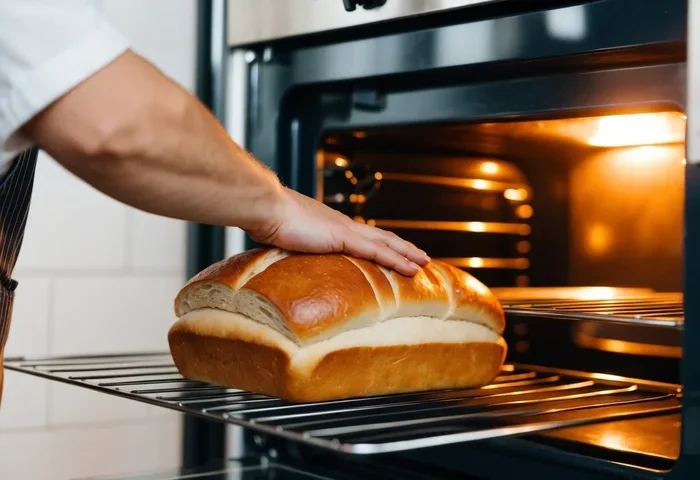
Bread bakers sometimes use a roaster oven for a gentle rise or a slow bake. The consistent low heat creates a beautiful crust without burning the loaf. Casseroles also benefit from low-temperature baking, especially those with delicate cheese toppings that need gentle melting.
Dehydrating Fruits and Vegetables
This is a lesser-known use, but it works surprisingly well. Set your roaster oven to its lowest setting, place sliced fruits or vegetables on a rack, and leave the lid slightly cracked. The gentle heat removes moisture slowly, giving you homemade dried snacks in just a few hours.
Common Mistakes When Using Low Heat on a Roaster Oven
Even though low-temperature cooking is forgiving, there are a few mistakes that can ruin your results. Here are the ones to avoid.
Skipping the Preheat
Some people think preheating does not matter on low heat. It does. Giving your roaster oven 15 to 20 minutes to reach the target temperature ensures your food starts cooking at the right temperature from the very beginning. This leads to more even cooking and better texture.
Opening the Lid Too Often
Every time you lift the lid, you lose heat. On a low setting, this loss is significant because the temperature is already marginal. Try to resist the urge to peek. Use the glass lid to check on your food without lifting it. If you need to stir or check doneness, do it quickly and put the lid back on.
Overfilling the Roaster
It can be tempting to pack as much food as possible into the roaster, especially when cooking for a crowd. But overfilling blocks air circulation and leads to uneven cooking. Leave at least a few inches of space at the top so heat can flow freely around the food.
Not Using a Meat Thermometer
Low cooking times are long, and it can be hard to tell when meat is done just by looking. A digital meat thermometer takes the guesswork out of the process. Insert it into the thickest part of the meat and check the internal temperature against safe food guidelines.
Ignoring the Liquid Level
Because low heat evaporates moisture slowly, you might think you do not need to add liquid. But cooking on low for hours still causes some moisture loss. Make sure there is enough broth, water, or sauce in the roaster to keep things from drying out.
Tips for Perfect Low-Temperature Cooking
Getting great results on the low setting is easy when you follow a few simple guidelines.
Use the Right Pan or Insert
Most roaster ovens come with a removable cooking pan and a wire rack. The rack is great for roasts because it lifts the meat off the bottom, allowing heat to circulate underneath. For soups and stews, use the pan directly. Using the right accessory makes a big difference in how evenly your food cooks.
Season Generously
Low heat does not create the same bold browning that high heat does. This means your seasoning needs to carry more of the flavor. Use herbs, spices, garlic, and aromatics generously. The long cooking time gives all those flavors time to meld together beautifully.
Plan for Longer Cook Times
Cooking on low takes patience. A roast that would take 3 hours at 350°F might take 6 to 8 hours on low. Factor this into your meal planning. The good news is that once you set it, you can walk away and let the roaster do the work.
Let Food Rest After Cooking
Just like with a regular oven, meat benefits from resting after cooking. Remove it from the roaster, tent it with foil, and let it sit for 10 to 15 minutes. This allows the juices to redistribute, giving you a juicier, more flavorful result.
Clean Your Roaster After Every Use
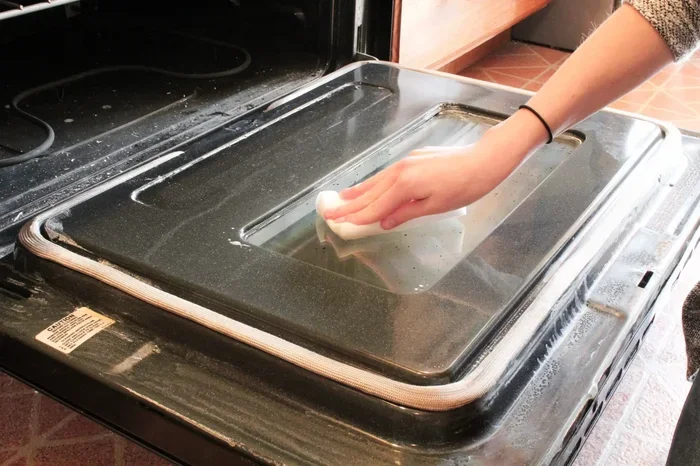
Residue builds up over time and can affect how evenly your roaster heats. After each use, wash the pan and lid with warm, soapy water. For stubborn stains, soak them in warm water with a bit of baking soda. A clean roaster oven performs better and lasts longer.
Quick Tips for Low-Temperature Roaster Cooking
- Always preheat your roaster oven for at least 15 minutes before adding food.
- Use a timer so you do not forget about your slow-cooking meal.
- Keep the lid on unless you are stirring or checking doneness.
- Add liquid generously to prevent drying, especially on long cooks.
- Use the wire rack for roasts to promote even heat flow.
- Invest in a good meat thermometer for food safety and perfect doneness.
- Season early so flavors have time to penetrate the food during the long cook.
Expert Insights on Low Heat Roasting
Professional chefs often prefer low-temperature cooking for certain cuts of meat because it produces superior texture and flavor. The key principle is collagen breakdown. Collagen is a tough connective tissue found in cheaper, harder cuts of meat. When you cook these cuts slowly at low temperatures, the collagen melts into gelatin, which gives the meat a silky, tender texture and adds body to any sauce or broth.
This is why dishes like pot roast, brisket, and pulled pork are traditionally cooked low and slow. A roaster oven is a perfect tool for this technique because it holds a steady low temperature without requiring constant attention. You get restaurant-quality results with very little effort.
Another expert tip is to sear your meat first before placing it in the roaster on low. Searing on the stovetop creates a flavorful crust through the Maillard reaction. Then the low heat in the roaster gently finishes the cooking process, keeping the inside moist while the outside stays beautifully browned.
Key Takeaways
- The low setting on a roaster oven is typically 200°F to 250°F: This is the standard range for gentle, slow cooking.
- Low heat is perfect for tough cuts of meat: It breaks down collagen and creates tender, flavorful dishes.
- Roaster ovens heat more evenly than regular ovens: The compact design reduces hot spots and temperature swings.
- You can use the low setting for more than just roasting: Try baking, simmering, dehydrating, or keeping food warm.
- Avoid common mistakes like skipping preheating and overfilling: These small habits make a big difference in your results.
- Always use a meat thermometer: It is the best way to ensure food is cooked safely and evenly.
Conclusion
What temperature is low on a roaster oven? The answer is simple: most roaster ovens set their low temperature between 200°F and 250°F. This range is the foundation for slow cooking, gentle simmering, and all kinds of hands-off meal preparation. Once you understand how to use this setting, your roaster oven becomes one of the most versatile tools in your kitchen.
From pot roasts that fall apart with a touch to soups that simmer all day with rich, deep flavor, the low setting does the heavy lifting for you. It saves energy, preserves moisture, and brings out the best in every ingredient you cook.
The next time you pull out your roaster oven, do not just reach for the high setting. Try the low setting instead. You might be surprised at how much better your meals turn out. With a little patience and the right technique, your roaster oven will deliver restaurant-quality results right on your countertop. Happy cooking!
Frequently Asked Questions
What is the lowest temperature setting on a roaster oven?
The lowest setting on most roaster ovens is around 200°F. Some models may go slightly lower or higher, but 200°F is the standard baseline for the low heat position. Always check your specific model’s manual for exact temperature ranges.
Can I slow cook in a roaster oven on low?
Absolutely. The low setting of 200°F to 250°F is perfect for slow cooking. It mimics the same gentle heat you would get from a slow cooker, but with the added benefit of even heat circulation from the enclosed roaster environment.
How long does it take to preheat a roaster oven on low?
Preheating on low takes about 15 to 20 minutes. Because the temperature goal is lower, it does not take as long as preheating to 350°F or higher. Give it a full 15 minutes before adding your food for the best results.
Is it safe to leave a roaster oven on low unattended?
Yes, roaster ovens are designed to be safe for extended use on low heat. However, it is always a good idea to keep an eye on your cooking, especially during the first few times you try a new recipe. Make sure the roaster is on a stable, heat-resistant surface.
Can I bake in a roaster oven on the low setting?
Yes, you can bake on low. The gentle, even heat works well for bread, cakes, and casseroles that benefit from a slower bake. Just adjust your expectations for bake times, as they will be longer than in a regular oven set to 350°F.
What is the difference between low and keep warm on a roaster oven?
The low setting typically holds a temperature of 200°F to 250°F, while the keep warm setting is usually around 150°F to 175°F. Low is for actively cooking food slowly, while keep warm is for maintaining the temperature of already-cooked dishes during serving.