How To Use Oven For Baking Perfect Results Every Time
Mastering how to use oven for baking is easier than you think. This complete guide walks you through preheating, temperature control, rack placement, and essential baking tips. Whether you are a beginner or a home cook, you will find practical steps to elevate your baked goods with confidence.
Baking is one of the most rewarding things you can do in the kitchen. The aroma of fresh bread or warm cookies filling your home is hard to beat. But here is the truth — how to use oven for baking the right way makes all the difference between a perfect golden crust and a flat, burnt disappointment.
Many people think ovens are simple appliances. You set a number and wait. But there is so much more to it. The way you arrange your baking pan, the oven temperature you choose, and even how long you preheat oven before loading your food all matter. This guide will walk you through every step of how to use oven for baking like a pro.
We will cover the basics, share baking tips that experienced bakers swear by, and help you avoid common mistakes. By the end, you will feel confident walking up to your oven and creating delicious treats. Let us get started.
Key Takeaways
- Always preheat your oven: Giving the oven time to reach the right temperature ensures even baking and better results.
- Know your rack positions: Placing the baking pan on the correct oven rack affects how your food cooks and browns.
- Use an oven thermometer: Built-in temperature gauges can be off, so a separate thermometer helps you bake accurately.
- Avoid opening the door too often: Each time you open the door, heat escapes and your baking can sink or cook unevenly.
- Choose the right bakeware: Different pans conduct heat differently, so picking the correct one matters for your recipe.
- Let your oven cool between uses: Allowing the oven to rest helps maintain consistent temperatures for your next bake.
- Follow baking time closely: Set timers and check your food a few minutes before the suggested time to prevent over-baking.
📑 Table of Contents
Understanding Your Oven Before You Start
Before you dive into any recipe, it helps to understand what your oven can do. Not all ovens work the same way. Knowing your appliance gives you a huge advantage when you bake anything from cookies to casseroles.
Types of Ovens and How They Affect Baking
Most homes have either a conventional oven or a convection oven. Both can produce great results, but they work differently.
A conventional oven heats from elements at the bottom and sometimes the top. Heat rises naturally, which means the top of your oven is usually hotter than the bottom. This is important to know when you place your baking rack.
A convection oven has a fan that circulates hot air around the food. This creates even heating and reduces hot spots. When using a convection setting, you often need to lower the temperature by about 25 degrees Fahrenheit. This is one of the most important baking instructions to remember.
Some ovens also include a broil setting, which uses the top element to create intense direct heat. This is great for browning the tops of dishes, but it is not ideal for most baking tasks.
The Role of the Oven Thermometer
Here is a secret many beginners do not know — your oven’s built-in temperature display can be inaccurate. Studies show that many home ovens are off by 25 to 50 degrees. That is a huge margin when you are trying to achieve perfect results.
An oven thermometer is a small, inexpensive tool that hangs inside your oven. It gives you a true reading of the actual temperature. If you want to learn how to use oven for baking correctly, start by placing a thermometer inside and checking it against the dial.
This simple step can transform your baking. You will notice better cake rise, more evenly baked cookies, and fewer surprises when you pull your food out of the oven.
How to Preheat Your Oven Properly
Preheating oven is one of the most important steps in how to use oven for baking. Yet many people skip it or rush through it. Preheating ensures your oven reaches the target temperature before your food goes inside.
Why Preheating Matters
When you place batter or dough into a cold oven, the food starts cooking slowly and unevenly. Cookies spread too much. Cakes sink in the middle. Bread does not rise properly. All of these problems start with skipping the preheat step.
Preheating also triggers important chemical reactions in baking. Leavening agents like baking powder and baking soda activate at specific temperatures. If your oven is too cool, your baked goods will not rise the way they should.
How Long Should You Preheat?
Most ovens need 10 to 15 minutes to reach the desired oven temperature. Some larger ovens or older models may take up to 20 minutes. Here is a simple routine to follow:
- Turn the oven to your target temperature before you start preparing your recipe.
- Wait at least 10 to 15 minutes before placing your food inside.
- Use your oven thermometer to confirm the temperature is correct.
- Place your baking pan on the correct rack while the oven finishes heating.
Many people think preheating is a waste of energy. But the few extra minutes save you from failed bakes. Trust the process. Your baking results will thank you.
Oven Rack Placement for Better Baking
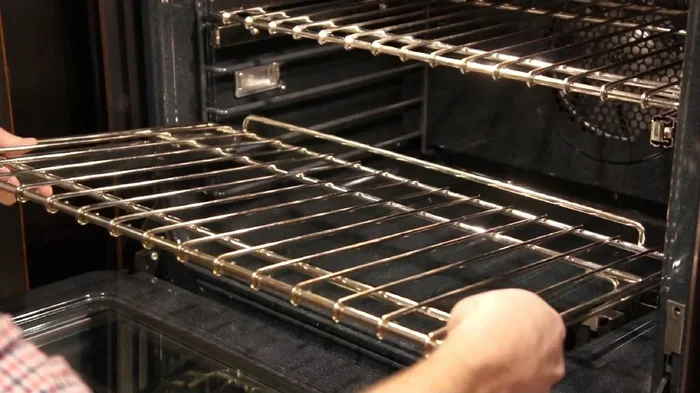
Where you place your baking rack inside the oven has a big impact on how your food cooks. This is one of the most overlooked parts of how to use oven for baking.
Understanding Oven Heat Zones
Heat in an oven does not distribute perfectly evenly. In a conventional oven, the bottom element creates more intense heat near the base. The top tends to be hotter because hot air rises. The middle of the oven is usually the most stable zone.
For most baking tasks, the middle rack is your best friend. It allows hot air to circulate around your baking pan evenly. Your food bakes consistently on all sides.
Here is a quick guide for rack placement:
- Bottom rack: Best for dishes that need strong bottom heat, like pizzas and crusty breads.
- Middle rack: The go-to spot for cakes, cookies, and most general baking.
- Top rack: Great for dishes that need a crispy top, like gratins or casseroles under the broil setting.
Using Multiple Racks at Once
If you need to bake on two racks, avoid stacking them directly above each other. Instead, place one rack in the upper third and one in the lower third of the oven. Rotate your pans halfway through baking to ensure even browning.
Be careful not to overcrowd the oven. Blocking airflow with too many pans leads to uneven cooking and longer baking time.
Setting the Right Temperature for Different Bakes
Oven temperature control is at the heart of how to use oven for baking. Every recipe has a recommended temperature for a reason. Setting it correctly affects texture, rise, and flavor.
Common Baking Temperatures and What They Do
Different temperatures create different results. Here is a simple breakdown of common baking temperatures and what they are best for:
- 300-325°F (150-163°C): Slow and gentle baking. Ideal for delicate cakes, custards, and dense breads.
- 350°F (177°C): The most common baking temperature. Works well for cookies, muffins, and most cakes.
- 375-400°F (190-204°C): Great for cookies that need crisp edges, pies, and pastries.
- 425-450°F (218-232°C): High heat for breads, roasts, and dishes that need a quick burst of heat.
Always use an oven thermometer to verify your settings. The dial on your oven may not match the actual temperature inside.
Adjusting Temperature for Convection Ovens
If you have a convection oven, remember to reduce the temperature by 25 degrees. The fan moves hot air around the food faster, so it cooks more efficiently. This is a key baking tip that many people forget.
Also, convection ovens often reduce baking time by about 25 percent. Keep an eye on your food and check it a few minutes earlier than the recipe suggests.
Essential Baking Tools and Bakeware
The right tools make how to use oven for baking so much easier. You do not need a professional kitchen, but a few key items will improve your results dramatically.
Must-Have Bakeware for Beginners
Start with a few versatile pieces of bakeware that work in most recipes:
- Cookie sheet: A flat, rimless sheet pan is perfect for cookies, pastries, and roasting vegetables.
- Cake pan: A 9-inch round cake pan is the most versatile size for home baking.
- Loaf pan: Great for banana bread, pound cakes, and meatloaf.
- Muffin tin: A standard 12-cup muffin tin opens up dozens of baking possibilities.
- Glass or ceramic baking dish: Ideal for casseroles, gratins, and baked desserts.
Always check that your bakeware is oven-safe. Putting a plastic-handled pan in a hot oven is a recipe for disaster. Look for labels that confirm the item can handle your target oven temperature.
Oven Mitts and Safety Gear
Never underestimate the importance of good oven mitts. Your hands and wrists are the closest parts of your body to extreme heat. A quality pair of mitts protects you and gives you confidence when handling hot pans.
Keep a baking rack or trivet on your countertop. After removing hot pans from the oven, you need a safe place to set them down immediately.
Common Baking Mistakes and How to Avoid Them
Everyone makes mistakes in the kitchen. The good news is that most common baking errors are easy to fix once you know what causes them.
Opening the Oven Door Too Often
This is the number one mistake home bakers make. Every time you open the oven door, a significant amount of heat escapes. Your oven temperature drops, and your food may sink, crack, or bake unevenly as a result.
Use the oven light and window to check on your food. Resist the urge to open the door unless the recipe specifically instructs you to. Trust the process and let the oven do its work.
Overfilling or Underfilling Your Pan
Filling a baking pan too full causes overflow and messy results. Filling it too little means your food dries out or overbakes on the edges before the center is done.
Follow the recipe’s fill line. For cakes, fill pans about two-thirds full. For cookies, leave enough space between each one for spreading.
Not Letting Your Oven Cool Between Bakes
If you are baking multiple batches, give your oven a few minutes to recover between bakes. Rushing the process throws off your baking time and temperature consistency.
A quick reset of 3 to 5 minutes between batches can make a noticeable difference in your baking results.
Quick Tips for Perfect Baking Every Time
Here are some quick baking tips that experienced bakers use every single time they use oven for baking:
- Measure ingredients accurately. Use a kitchen scale for dry ingredients and liquid measuring cups for wet ones. Scooping flour with a measuring cup packs it down and changes the ratio.
- Room temperature ingredients blend better and create a smoother batter. Take butter, eggs, and milk out of the fridge 30 minutes before you start.
- Line your pans with parchment paper or a silicone mat. This prevents sticking and makes cleanup effortless.
- Rotate your pans halfway through baking. This compensates for any hot spots in your oven and promotes even browning.
- Test for doneness a few minutes early. Use a toothpick or cake tester inserted into the center. If it comes out clean or with a few dry crumbs, your bake is done.
- Let your baked goods cool in the pan for the time specified in the recipe. Removing them too early can cause breakage or collapse.
These small habits add up to big improvements. You will notice more consistent baking results after just a few tries.
Conclusion
How to use oven for baking is a skill that anyone can learn and improve over time. The basics are simple: preheat your oven, set the right temperature, place your baking pan on the correct rack, and avoid opening the door too often. Add an oven thermometer to your toolkit and follow a few baking tips, and you will see a dramatic difference in your results.
Ovens are powerful tools that reward patience and attention to detail. Whether you are baking a simple batch of cookies or attempting a layered cake, the principles remain the same. Respect the heat, trust the process, and give your food the time it needs to transform.
Now that you understand how to use oven for baking with confidence, it is time to put your knowledge into practice. Pull out your favorite recipe, follow the steps, and enjoy the wonderful world of home baking. You have everything you need to create delicious, beautiful baked goods right in your own kitchen. Happy baking.
Frequently Asked Questions
What temperature should I preheat my oven to for baking cookies?
Most cookie recipes call for a baking temperature of 350°F (177°C). However, some recipes use 325°F for softer cookies or 375°F for crispier edges. Always check your specific recipe and preheat your oven at least 10 to 15 minutes before placing your cookies inside.
Can I bake on multiple racks at the same time?
Yes, you can bake on two racks at once, but you need to be careful about airflow. Place one rack in the upper third and one in the lower third of the oven. Rotate your pans halfway through to ensure even baking results. Avoid overcrowding, as blocked airflow leads to uneven cooking.
Do I really need an oven thermometer?
Yes, an oven thermometer is one of the most useful tools for home bakers. Most built-in oven gauges are inaccurate by 25 to 50 degrees. A small hanging thermometer costs just a few dollars and can dramatically improve your baking results by giving you the true temperature inside your oven.
How do I know when my baked goods are done?
The best way to test for doneness is to use a toothpick or cake tester. Insert it into the center of your bake. If it comes out clean or with a few dry crumbs, your food is done. For breads, tap the bottom — a hollow sound usually means it is ready. Avoid relying solely on baking time because every oven heats differently.
Should I use convection or conventional mode for baking?
Conventional mode works best for most baking tasks, especially cakes and delicate pastries that need gentle, even heat. Convection mode is great for cookies, roasted vegetables, and dishes that benefit from even heating and faster browning. If you use convection, reduce the temperature by 25 degrees for best results.
Why did my cake sink in the middle?
A cake that sinks in the middle is usually caused by one of a few common issues: opening the oven door too early, underbaking, or inaccurate oven temperature. Make sure your oven is fully preheated, avoid peeking during the first two-thirds of baking time, and use an oven thermometer to verify your settings. These steps help your cake rise properly and hold its structure.