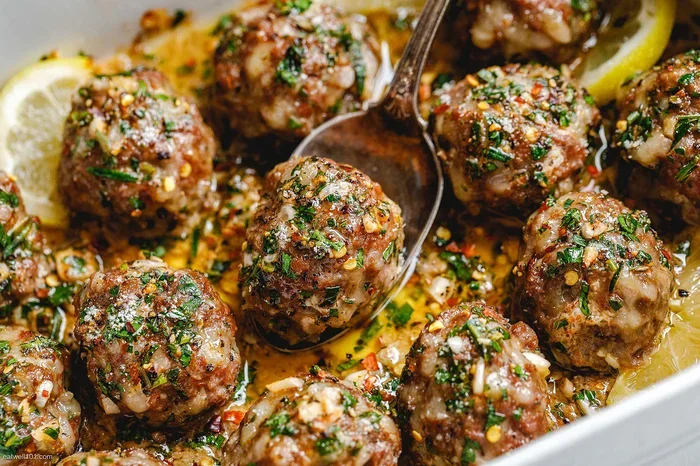
How To Cook Turkey Meatballs In Oven For Juicy Results
Discover the secrets to juicy turkey meatballs baked in the oven. This guide covers ingredients, mixing, baking time, and temperature for perfect oven-baked meatballs every time. You will learn simple tips to keep them moist and flavorful.
Key Takeaways
- Oven baking keeps turkey meatballs juicy: Dry heat surrounds them evenly, locking in moisture without added oil.
- The right ingredients matter: Use ground turkey with a balanced mix of breadcrumbs, egg, and seasonings for the best texture.
- Gentle mixing prevents tough meatballs: Overworking the meat leads to dense, dry results. Mix just until combined.
- Bake at 400°F for 20–25 minutes: This high temperature creates a crispy exterior while keeping the inside tender.
- Rest meatballs after baking: Letting them sit for 5 minutes helps juices redistribute and improves flavor.
- Store and reheat properly: Keep leftovers in the fridge for 3–4 days or freeze for up to 3 months. Reheat in the oven to maintain texture.
📑 Table of Contents
- Why Oven-Baked Turkey Meatballs Are a Game-Changer
- The Perfect Turkey Meatball Ingredients
- How To Mix and Shape Turkey Meatballs
- Baking Turkey Meatballs: Time and Temperature Guide
- Tips for Juicy, Flavor-Packed Meatballs
- Serving Ideas and Storage Tips
- How To Cook Turkey Meatballs In Oven: The Complete Process
- Common Mistakes to Avoid When Baking Turkey Meatballs
- Expert Insights on Perfect Oven-Baked Turkey Meatballs
- Conclusion
Why Oven-Baked Turkey Meatballs Are a Game-Changer
Making turkey meatballs in the oven is one of the simplest ways to get great results. You skip the mess of a stovetop. You also avoid splattering oil. The oven does all the work for you.
Oven-baked meatballs cook evenly. Every piece gets the same amount of heat. This method also lets you bake a big batch at once. You can feed a crowd without standing over a hot pan.
Another big win is health. Frying meatballs adds extra fat. Baking keeps the fat content lower. You still get that savory, golden crust. The juicy turkey meatballs turn out tender and full of flavor.
If you are new to cooking meatballs, the oven is your best friend. It is forgiving and hands-off. You can prep other parts of your meal while they bake. This makes baking turkey meatballs a stress-free experience.
Healthier Than Frying
Frying meatballs requires oil or butter. That adds calories and saturated fat. Baking uses no added fat. The turkey meat itself has less fat than beef or pork. So your final dish is lighter and better for your heart.
You can still get a crispy outside. The oven’s dry heat browns the surface. It caramelizes the seasonings. This creates a delicious crust without deep frying. The oven-baked meatballs stay moist inside because the heat surrounds them gently.
Less Mess, More Flavor
When you fry meatballs, you deal with splatter and grease. Cleanup takes time. Baking keeps your stovetop clean. You just line a sheet pan and let the oven work.
You can also add flavors directly to the pan. A little broth or wine in the baking dish creates steam. This infuses the meatballs with extra moisture and aroma. The result is flavor-packed meatballs that taste like they simmered for hours.
The Perfect Turkey Meatball Ingredients
Great turkey meatballs start with the right ingredients. Each component plays a role in texture and taste. Getting the balance right ensures moist, tender results every time.
Choosing the Right Ground Turkey
Ground turkey comes in different fat levels. For meatballs, aim for a mix that is about 93% lean to 7% fat. This ratio gives you enough moisture without making the meatballs greasy. If you buy extra-lean turkey, you might need a bit more binder.
You can also use ground turkey breast. It is very lean but can dry out easily. Adding a little fat, such as olive oil, to the mix helps. The fat keeps the meatballs juicy during baking. Always choose fresh, high-quality ground turkey for the best turkey meatballs recipe.
Essential Binders and Fillers
Binders hold the meatball together. Without them, the meatballs crumble. The classic trio is breadcrumbs, egg, and a liquid.
Breadcrumbs add structure. They absorb moisture and expand during baking. Use plain or Italian-style breadcrumbs. Panko breadcrumbs also work well. They create a lighter, airier texture.
The egg acts as a glue. It binds the meat, breadcrumbs, and seasonings into a uniform mixture. One egg per pound of ground turkey is usually enough. Too much egg makes meatballs rubbery. Use just enough to hold everything together.
A small amount of liquid adds moisture. Milk, broth, or even water works. The liquid hydrates the breadcrumbs. This prevents the meatballs from drying out in the oven. Keep the liquid amount modest. About one to two tablespoons per pound of meat is ideal.
Seasonings That Make a Difference
Seasonings transform basic meatballs into something special. Salt and pepper are the foundation. Do not skip them. They enhance the natural flavor of the turkey.
Garlic and onion add depth. Use fresh minced garlic or garlic powder. Finely diced onion or onion powder also works. Sautéing the onion first softens it and brings out sweetness. This step is optional but highly recommended.
Herbs bring brightness. Fresh parsley, basil, or oregano are excellent choices. Dried Italian seasoning is a convenient shortcut. Add a pinch of red pepper flakes if you like a little heat. Grated Parmesan cheese adds savory richness. It also helps the exterior brown nicely. A squeeze of lemon juice at the end lifts all the flavors.
How To Mix and Shape Turkey Meatballs
Mixing and shaping might seem simple. But small mistakes here lead to tough or crumbly meatballs. Follow these steps for the perfect texture.
The Gentle Mixing Method
Start by combining all your ingredients in a large bowl. Use your hands for the best control. The key is to mix gently. Overworking the meat develops too much protein. This makes the meatballs dense and chewy.
Toss the ingredients together just until no streaks of egg or breadcrumbs remain. The mixture should look uniform but still feel loose. If it feels too wet, add a bit more breadcrumbs. If it feels dry, sprinkle in a little more milk. The goal is a moist, cohesive mixture that holds its shape.
For the best meatball ingredients, chill the mixture for 15 to 30 minutes before shaping. Cold fat stays firm. This helps the meatballs hold together during baking. It also prevents them from falling apart on the pan.
Size and Shape Consistency
Uniform size ensures even cooking. Use a cookie scoop or your hands to form balls. A standard meatball is about 1.5 inches in diameter. That is roughly the size of a golf ball. This size bakes through perfectly in 20 to 25 minutes.
Roll the mixture gently between your palms. Do not pack it tightly. A light touch keeps the meatballs tender. If you pack them too hard, they become dense and dry. Place the shaped meatballs on a prepared baking sheet with space between them. They need air to circulate for even browning.
For oven-baked meatballs, lining the pan with parchment paper or a silicone mat helps. It prevents sticking and makes cleanup a breeze. The meatballs will not fuse to the pan. They slide off easily after baking.
Baking Turkey Meatballs: Time and Temperature Guide
Getting the oven temperature and baking time right is crucial. Too low and the meatballs dry out. Too high and the outside burns before the inside cooks. Follow this guide for perfect results.
Optimal Oven Temperature
Preheat your oven to 400°F (200°C). This high heat quickly sears the outside of the meatballs. It locks in juices and creates a golden-brown crust. The interior steams gently as the meatballs bake.
If you prefer a slower, more gentle cook, you can use 375°F (190°C). This works well for larger meatballs. The cooking time increases slightly. But the results are still juicy and tender. The oven temperature you choose affects the texture. Higher heat gives a crispier exterior. Lower heat gives a softer, more steamed feel.
How Long to Bake Turkey Meatballs
At 400°F, bake standard-sized meatballs for 20 to 25 minutes. The exact time depends on their size. Smaller meatballs may be done in 18 minutes. Larger ones might need 28 minutes. Start checking at the 20-minute mark.
You want the meatballs to be golden brown on all sides. They should feel firm to the touch but still juicy inside. The cooking time can vary with your oven. Some ovens run hot, others run cool. Knowing your oven helps you adjust the time.
Checking for Doneness
The safest way to check is with a meat thermometer. Insert it into the center of a meatball. The internal temperature should reach 165°F (74°C). This is the USDA-recommended safe temperature for ground turkey.
Do not rely on color alone. Turkey meatballs can look slightly pink even when fully cooked. A thermometer takes the guesswork out. It ensures your baking turkey meatballs are safe and perfectly done. If you do not have a thermometer, cut one meatball open. The inside should be opaque with no raw spots.
Tips for Juicy, Flavor-Packed Meatballs
Even with the right recipe, small details make a big difference. These tips help you achieve the juiciest possible results.
Don’t Overmix the Meat
Overmixing is the number one cause of tough meatballs. When you mix meat too much, the proteins tighten. This squeezes out moisture. The meatballs become hard and dry.
Mix just until the ingredients are combined. Use a light hand. Think of folding rather than kneading. The mixture should still look slightly shaggy. That is perfect. Gentle mixing keeps the texture tender and light.
Use Cold Ingredients
Cold ingredients stay separate during mixing. The fat from the turkey and the cold egg do not melt into the meat immediately. This creates little pockets of fat that melt during baking. Those pockets release moisture and flavor.
Chill your ground turkey before mixing. Use cold eggs. Even chill your bowl if you can. This trick is used by professional chefs. It makes a noticeable difference in the final texture. The resting meatballs also benefit from starting cold.
The Resting Period
Once the meatballs come out of the oven, let them rest for 5 minutes. This allows the juices to settle. The meatballs firm up slightly. Cutting into them too soon releases steam and moisture.
Resting also lets the internal temperature even out. The center finishes cooking gently from residual heat. The resting period is a small step with a big payoff. Your meatballs will be juicier and more flavorful.
Serving Ideas and Storage Tips
Turkey meatballs are incredibly versatile. You can serve them in many ways. They also store well for quick meals later.
Pairing Turkey Meatballs with Sauces
The classic pairing is marinara sauce. Simmer the baked meatballs in a good quality jarred or homemade sauce for 10 minutes. The meatballs absorb the flavors. Serve over spaghetti, zucchini noodles, or rice.
Try a creamy Alfredo sauce for a richer dish. A tangy barbecue sauce works great too. For a lighter option, serve meatballs over a salad with a lemon vinaigrette. The serving ideas are endless. You can also place meatballs in a sub roll with melted cheese and peppers.
Storing and Reheating Leftovers
Let the meatballs cool completely before storing. Place them in an airtight container. They keep in the refrigerator for 3 to 4 days. For longer storage, freeze them in a single layer on a baking sheet first. Once frozen, transfer them to a freezer bag. They keep for up to 3 months.
Reheat in the oven to keep them from drying out. Spread them on a baking sheet and warm at 350°F for 10 to 15 minutes. Microwaving works in a pinch but can make the exterior rubbery. The reheating method matters for maintaining that juicy texture you worked hard to achieve.
How To Cook Turkey Meatballs In Oven: The Complete Process
Now let us put it all together. Here is the full process for how to cook turkey meatballs in oven for juicy results.
Start by preheating your oven to 400°F. Line a baking sheet with parchment paper. In a large bowl, combine one pound of ground turkey, half a cup of breadcrumbs, one beaten egg, two tablespoons of milk, a quarter cup of grated Parmesan, one minced garlic clove, a tablespoon of chopped fresh parsley, and salt and pepper to taste.
Mix gently until just combined. Do not overwork the meat. Use a cookie scoop to form uniform meatballs. Place them on the prepared sheet with space between each one. Lightly spray the tops with olive oil for extra browning.
Bake for 20 to 25 minutes. Check the internal temperature with a meat thermometer. It should read 165°F in the center. Remove from the oven and let them rest for 5 minutes. Serve immediately with your favorite sauce or use them in any recipe you like.
This method guarantees perfect oven-baked meatballs every time. The high heat creates a flavorful crust. The gentle bake keeps the inside moist. You will have juicy turkey meatballs that everyone loves.
Common Mistakes to Avoid When Baking Turkey Meatballs
Even experienced cooks can make mistakes. Knowing what to avoid saves time and ingredients.
First, do not use lean ground turkey without a binder. Very lean meat needs extra moisture. Add more egg or a bit of oil to the mix. Second, do not crowd the baking sheet. Meatballs need airflow to cook evenly. If they touch, they steam instead of bake. This leads to a soggy exterior.
Third, do not skip the resting time. Cutting into hot meatballs releases all the juices. They end up dry. Fourth, do not over-season with salt. Salt draws moisture out of the meat. Use it wisely. Taste the mixture before shaping and adjust the seasoning accordingly.
Finally, do not open the oven door too often. Each time you open it, the temperature drops. This slows cooking and can make the meatballs dense. Trust the timer and check only once or twice. Following these tips ensures your turkey meatballs recipe turns out perfectly every time.
Expert Insights on Perfect Oven-Baked Turkey Meatballs
Professional chefs share a few tricks that elevate homemade meatballs. One secret is to soak the breadcrumbs in milk before adding them to the meat. This creates a softer, more tender texture. It also helps the meatballs retain moisture during baking. The meatball ingredients work together more effectively when the breadcrumbs are pre-hydrated.
Another expert tip is to use a mix of ground meats. Combining turkey with a small amount of pork or veal adds fat and richness. The pork brings a subtle sweetness. It also improves the binding. If you prefer to keep it all turkey, adding a tablespoon of olive oil to the mix achieves a similar effect. The seasoning meatballs also benefit from a pinch of fresh herbs added at the end of mixing. The heat can dull dried herbs, so fresh ones add brightness.
Chefs also recommend letting the shaped meatballs sit on the counter for 10 minutes before baking. This takes the chill off. The meatballs cook more evenly. The resting meatballs also hold their shape better. These small steps make a noticeable difference in the final dish. They turn good meatballs into great ones.
When you master these techniques, you can experiment with flavors. Try adding finely diced sun-dried tomatoes for a Mediterranean twist. Swap parsley for fresh basil. Use different cheeses like pecorino or asiago. The base method stays the same. The possibilities are endless. You can create a new turkey meatballs recipe every week. Your family will never get bored.
Conclusion
Learning how to cook turkey meatballs in oven is a valuable kitchen skill. It is simple, healthy, and incredibly versatile. With the right ingredients, gentle mixing, and proper baking temperature, you get juicy turkey meatballs every time. The oven does the work, leaving you free to prepare the rest of your meal.
Remember to use quality ground turkey, balance your binders, and season generously. Bake at 400°F for 20 to 25 minutes. Check the internal temperature for safety. Let the meatballs rest before serving. These steps ensure tender, flavorful results that everyone will enjoy.
Whether you serve them with pasta, in sandwiches, or on their own, oven-baked turkey meatballs fit any meal. They make great leftovers too. Now you have all the tools to create perfect oven-baked meatballs at home. Get started today and taste the difference for yourself.
Frequently Asked Questions
Can I use frozen ground turkey for these meatballs?
Yes, you can. Thaw the turkey completely in the refrigerator before mixing. Using frozen meat that is not fully thawed leads to uneven mixing and texture. Always cook ground turkey to 165°F internal temperature to ensure safety.
What is the best way to keep turkey meatballs moist?
Do not overmix the meat. Use enough binder and liquid. Chilling the mixture before baking helps. Also, baking at a high temperature for a shorter time locks in moisture better than low and slow cooking.
Can I make these meatballs ahead of time?
Absolutely. You can shape the meatballs and refrigerate them overnight on a baking sheet. Cover them tightly with plastic wrap. You can also freeze uncooked meatballs on a sheet pan, then transfer them to a freezer bag. Bake them directly from frozen, adding a few extra minutes to the cooking time.
Do I need to flip the meatballs while baking?
No, you do not need to flip them. The oven heat surrounds the meatballs evenly. Placing them with space between each one ensures all sides brown naturally. If you want extra browning on one side, you can spray that side with oil before baking.
What can I serve with oven-baked turkey meatballs?
Turkey meatballs pair well with pasta, rice, mashed potatoes, or cauliflower rice. Serve them in a sub roll with sauce and cheese. You can also add them to a vegetable soup or eat them as a snack with a dipping sauce.
How do I reheat leftover turkey meatballs without drying them out?
Reheat in the oven at 350°F for 10 to 15 minutes. Cover them loosely with foil to trap steam. Microwaving can dry them out, so the oven is the best method. Add a splash of broth or water to the pan before covering to create steam.