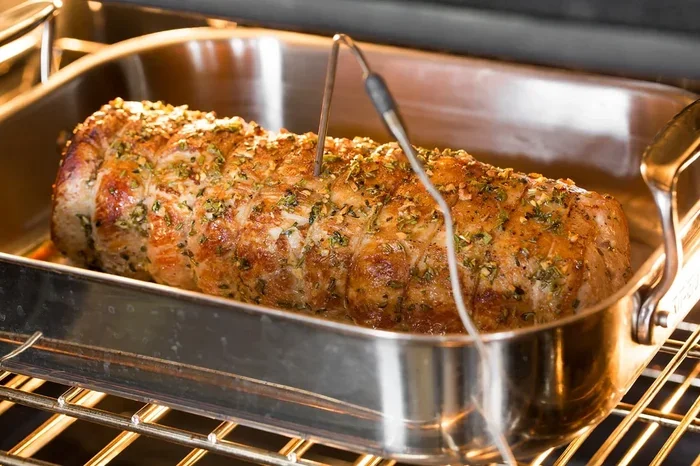
How Long For Pork Loin In Oven To Get Juicy Results
Cooking pork loin in the oven takes about 20 to 35 minutes per pound at 400°F. The key to juicy results is hitting the right internal temperature of 145°F and letting the meat rest before slicing. Whether you have a boneless or bone-in roast, this guide covers everything you need to know about how long for pork loin in oven to turn out perfectly tender and flavorful every single time.
There is something truly satisfying about pulling a beautiful pork loin roast out of the oven. The outside is golden and crispy. The inside is juicy and tender. But getting to that perfect point can feel tricky if you have never done it before. One of the most common questions home cooks ask is, “how long for pork loin in oven?” The answer depends on a few factors, including the size of your roast, the oven temperature, and whether you are cooking bone-in or boneless pork loin.
This guide will walk you through everything you need to know. We will cover cooking times, temperatures, seasoning tips, and common mistakes to avoid. By the end, you will feel confident enough to roast a pork loin that wows your family and friends. Let us get started.
Key Takeaways
- Cook Time: Plan for 20 to 35 minutes per pound at 400°F for a juicy pork loin.
- Internal Temperature: Pull the pork loin at 145°F for safe, tender meat.
- Resting Is Essential: Let the roast rest for 5 to 10 minutes before slicing to lock in juices.
- Bone-In vs Boneless: Bone-in loins take a bit longer but offer more flavor.
- Use a Meat Thermometer: This is the single best tool for perfectly cooked pork every time.
- Seasoning Matters: A simple dry rub or marinade adds big flavor with minimal effort.
- Carryover Cooking: The temperature rises a few degrees after removing from the oven.
📑 Table of Contents
The Basics of Cooking Pork Loin in the Oven
Before we dive into specific times and temperatures, let us cover the fundamentals. Understanding the basics of oven baked pork loin will set you up for success every time you cook this cut. Pork loin is a lean, tender cut that comes from the back of the pig. It is one of the most popular cuts for roasting because it cooks relatively quickly and pairs well with many flavors.
The most important thing to remember is that pork loin dries out fast if you overcook it. Unlike tougher cuts like pork shoulder, which need low and slow cooking, pork loin benefits from higher heat and shorter cooking times. The goal is to cook it just enough to be safe and juicy without turning it into a dry brick.
What Temperature to Cook Pork Loin
The recommended oven temperature for pork loin is 400°F. This high heat creates a beautiful sear on the outside while keeping the inside moist. Some recipes call for starting at a higher temperature and then lowering it, but 400°F is the sweet spot for most home cooks.
Here is a quick look at common oven temperatures for pork loin:
- 400°F: The most popular choice. Great for a crispy exterior and juicy interior.
- 375°F: A slightly lower option. Good for larger roasts that need more gentle cooking.
- 350°F: Works well for bone-in loins that need extra time to cook through.
No matter which temperature you choose, the internal temperature of the meat is what really matters. Use a pork loin kitchen thermometer to check doneness. The USDA recommends cooking pork to an internal temperature of 145°F, followed by a three-minute rest.
How Long Does It Take to Cook Pork Loin
As a general rule, you should plan for about 20 to 35 minutes per pound at 400°F. A typical pork loin roast weighs between 2 and 4 pounds, which means total cooking time usually falls in the 45 to 90 minute range. However, many factors can affect this timeline.
The size and shape of your roast matter a lot. A thicker, wider roast will take longer than a narrow one. The starting temperature of the meat also plays a role. Taking the pork loin out of the fridge 20 to 30 minutes before cooking helps it cook more evenly.
Step-by-Step Guide to Perfect Pork Loin
Now that you understand the basics, let us walk through the process step by step. Following these steps will help you achieve the best results with your pork loin roast.
Step 1: Prep Your Pork Loin
Start by removing the pork loin from the refrigerator about 20 to 30 minutes before cooking. This lets the meat come closer to room temperature, which promotes even cooking. Pat the roast dry with paper towels. Moisture on the surface can steam the meat instead of allowing it to sear properly.
If your pork loin has a fat cap, leave it on. The fat renders during cooking and keeps the meat moist. Some people like to score the fat cap with shallow cuts, which helps the seasoning penetrate deeper and renders the fat more evenly.
Step 2: Season and Marinate
Seasoning is where you can really make this roast your own. A simple pork loin seasoning of salt, black pepper, garlic powder, and paprika works beautifully. For something more bold, try adding rosemary, thyme, or smoked paprika.
If you have time, a marinade can take your pork loin to the next level. A basic marinade of olive oil, garlic, lemon juice, and herbs works wonders. Marinate the pork loin for at least 2 hours, or overnight for the best flavor. Just remember to pat it dry before it goes into the oven.
Step 3: Sear Before Roasting
Searing is an optional but highly recommended step. Heat a skillet over medium-high heat with a bit of oil. Sear the pork loin on all sides until you get a golden brown crust. This usually takes about 2 to 3 minutes per side. Searing adds flavor through the Maillard reaction and gives the roast a beautiful appearance.
After searing, transfer the pork loin to a roasting pan or oven-safe skillet. Place it in the preheated oven and start your timer.
Step 4: Roast and Monitor
Place the pork loin in the oven and cook according to the time guide below. The most important tool you can use is a meat thermometer. Insert it into the thickest part of the roast, avoiding any bones if you are cooking bone-in pork loin.
Check the temperature about 10 minutes before you expect the roast to be done. This gives you time to pull the meat at the right moment. Remember, the temperature will continue to rise a few degrees during the resting period. This is called carryover cooking, and it is something every cook should understand.
Step 5: Rest Before Slicing
Once your pork loin reaches 145°F, pull it from the oven and let it rest for 5 to 10 minutes. This step is non-negotiable. Resting allows the juices to redistribute throughout the meat. If you cut too early, all those juices will run out onto the cutting board, leaving you with a drier roast.
Tent the roast loosely with aluminum foil during resting. This keeps it warm without trapping too much steam, which could soften the crust.
How Long For Pork Loin In Oven: Time and Weight Guide
The most searched question is “how long for pork loin in oven,” and the answer depends heavily on weight. Here is a detailed guide to help you plan your cooking time with confidence.
Cooking Time by Weight
Use this table as a general reference for cooking pork loin at 400°F:
- 1.5 to 2 pounds: About 35 to 50 minutes total cooking time.
- 2 to 3 pounds: About 50 to 75 minutes total cooking time.
- 3 to 4 pounds: About 75 to 100 minutes total cooking time.
- 4 to 5 pounds: About 100 to 130 minutes total cooking time.
These times assume an oven temperature of 400°F and a starting roast temperature of about 40°F (straight from the fridge). Always use a thermometer to confirm doneness rather than relying solely on time.
Bone-In vs Boneless Pork Loin
One factor that affects cooking time is whether your pork loin has bones. Bone-in pork loin takes a bit longer to cook because the bone acts as an insulator. The heat takes longer to reach the center of the meat. Bone-in loins also tend to have more flavor, which is why many chefs prefer them.
Boneless pork loin cooks faster and more evenly. It is also easier to slice. If you are short on time or prefer convenience, boneless is the way to go. However, bone-in is a great choice if you want maximum flavor and are not in a rush.
Here is a quick comparison:
- Bone-In Pork Loin: Add about 10 to 15 minutes to the total cooking time. More flavor. Slightly harder to slice.
- Boneless Pork Loin: Cooks faster and more evenly. Easier to slice. Great for beginners.
Tips for Juicy, Tender Pork Loin
Getting a juicy pork loin is all about technique and attention to detail. Follow these tips to make sure your roast turns out perfectly every time.
Use a Meat Thermometer
This cannot be stressed enough. A pork loin kitchen thermometer is the single best investment you can make for cooking pork. Visual cues like color are not reliable indicators of doneness. Even experienced cooks rely on thermometers because they remove all the guesswork.
Insert the thermometer probe into the thickest part of the roast. Avoid touching the bone, as it conducts heat differently and can give you a false reading. The target temperature is 145°F, followed by a 3-minute rest.
Do Not Overcook
Pork loin is a lean cut, which means it has very little fat to keep it moist. Once the internal temperature goes past 150°F, the meat starts to dry out quickly. The difference between 145°F and 160°F is the difference between juicy and dry.
Set a timer and check the temperature regularly as the roast approaches the expected finish time. It is always better to pull the pork loin a few degrees early and let carryover cooking finish the job.
Let It Rest Properly
Resting is not just a suggestion. It is a critical step in the cooking process. During cooking, the juices in the meat get pushed toward the center by the heat. When you let the roast rest, those juices redistribute and get reabsorbed into the muscle fibers.
Five to ten minutes is the sweet spot for a pork loin roast. Any less, and the juices will not have time to settle. Any more, and the meat will start to cool down too much.
Brine for Extra Juiciness
If you really want to take your pork loin to the next level, consider brining it before cooking. A simple brine of water, salt, sugar, and spices can add moisture and flavor. Brine the pork loin for 2 to 4 hours before cooking for best results.
After brining, pat the roast completely dry and proceed with seasoning and cooking as normal. You will notice a noticeable difference in texture and juiciness.
Common Mistakes to Avoid
Even experienced cooks make mistakes with pork loin. Here are the most common errors and how to avoid them.
Skipping the Thermometer
Relying on a timer alone is a recipe for disaster. Every oven is different, and every roast is a different size. The only way to know for sure that your pork loin is done is to use a thermometer. This is the number one mistake people make when cooking pork loin.
Cooking at Too Low a Temperature
Some people try to cook pork loin at a low temperature like 300°F to make it more “tender.” The problem is that low temperatures do not create a nice crust, and they also leave the meat in the oven longer, which increases the risk of drying out. Stick with 400°F for the best balance of flavor and moisture.
Not Letting the Meat Rest
Cutting into the pork loin the moment it comes out of the oven is a mistake you will regret. All those delicious juices will flow right out onto the cutting board. Give it time to rest, and you will be rewarded with a much juicier roast.
Overcrowding the Pan
If you are cooking multiple pork loins or other dishes at the same time, make sure there is enough space in the oven. Overcrowding blocks air circulation and leads to uneven cooking. Give each roast plenty of room for hot air to flow around it.
Flavor Variations and Serving Ideas
Once you master the basic technique, you can start experimenting with different flavors. Pork loin is incredibly versatile and pairs well with a wide range of seasonings and glazes.
Sweet Glazes
A brown sugar and mustard glaze is a classic pairing for pork loin. Mix brown mustard, brown sugar, apple cider vinegar, and a pinch of cayenne pepper. Brush it on the roast during the last 20 minutes of cooking for a beautiful sweet and tangy crust.
Herb Crusts
For a more rustic flavor, try an herb crust. Mix chopped fresh rosemary, thyme, and sage with olive oil and garlic. Spread it over the pork loin before roasting. The herbs will become fragrant and crispy as the roast cooks.
Asian-Inspired Marinades
Pork loin also works beautifully with Asian flavors. A marinade of soy sauce, honey, ginger, and garlic adds depth and umami. This style pairs great with steamed rice and stir-fried vegetables for a complete meal.
Serving Suggestions
Sliced pork loin makes a great centerpiece for dinner. Serve it alongside roasted vegetables, mashed potatoes, or a fresh salad. The leftover pork also makes fantastic sandwiches and salads the next day. Thinly sliced pork loin on a bun with apple slaw is an absolute crowd-pleaser.
Expert Insights
Professional chefs and cooking instructors agree on a few key principles when it comes to roasting pork loin. First, always bring the meat to room temperature before cooking. This reduces the cooking time and promotes even doneness. Second, do not be afraid of high heat. A hot oven creates a flavorful crust that seals in moisture. Third, invest in a good quality meat thermometer. It is the difference between guessing and knowing.
Chef Michael Ruhlman once said that the best cooks trust their thermometers, not their timers. This advice applies perfectly to pork loin. The difference between a perfect roast and a dry one often comes down to just a few degrees.
Another expert tip is to let the pork loin come to room temperature for about 30 minutes before it goes into the oven. This small step can reduce your cooking time by 10 to 15 minutes and help the roast cook more evenly from edge to center.
Key Takeaways
- Cook Time: Plan for 20 to 35 minutes per pound at 400°F for a juicy pork loin.
- Internal Temperature: Pull the pork loin at 145°F for safe, tender meat.
- Resting Is Essential: Let the roast rest for 5 to 10 minutes before slicing to lock in juices.
- Bone-In vs Boneless: Bone-in loins take a bit longer but offer more flavor.
- Use a Meat Thermometer: This is the single best tool for perfectly cooked pork every time.
- Seasoning Matters: A simple dry rub or marinade adds big flavor with minimal effort.
- Carryover Cooking: The temperature rises a few degrees after removing from the oven.
Conclusion
Cooking pork loin in the oven does not have to be intimidating. Once you understand the basics of time, temperature, and technique, you will be able to whip up a delicious roast with confidence. The key to success is knowing how long for pork loin in oven, using a meat thermometer, and letting the meat rest before slicing.
Remember that every roast is a little different. Use this guide as a starting point, and adjust based on your specific cut and oven. With a little practice, you will be able to produce juicy, tender pork loin that is the star of any dinner table.
The best part about mastering this recipe is that it opens the door to endless flavor possibilities. Whether you prefer a simple herb rub, a sweet glaze, or an Asian-inspired marinade, pork loin is the perfect canvas. So go ahead, fire up your oven, and put your new skills to the test. You will not be disappointed.
FAQs
How long does it take to cook a 2-pound pork loin in the oven?
A 2-pound pork loin typically takes about 50 to 70 minutes at 400°F. However, the most reliable way to check doneness is with a meat thermometer. Pull the roast when the internal temperature reaches 145°F. The exact time may vary based on your oven and the shape of the roast.
Is it better to cook pork loin covered or uncovered?
Cooking pork loin uncovered is generally recommended. It allows the outside to develop a nice golden crust while the inside cooks evenly. If you find that the outside is browning too quickly, you can loosely tent it with aluminum foil for the last 15 minutes of cooking.
Can I cook pork loin at 350°F instead of 400°F?
Yes, you can cook pork loin at 350°F. It will take a bit longer, usually about 25 to 40 minutes per pound. The lower temperature produces a softer crust but may result in slightly more even cooking for larger roasts. Just make sure to use a thermometer to check doneness.
What is the best way to store leftover pork loin?
Let the leftover pork loin cool to room temperature, then store it in an airtight container in the refrigerator. It will keep for up to 4 days. Reheat gently in the oven or microwave, being careful not to overheat it, as this can dry out the meat. Leftover pork loin also makes great sandwiches and salads.
Why is my pork loin dry after cooking?
The most common reason for dry pork loin is overcooking. Pork loin is a lean cut with very little fat, so it dries out quickly once the internal temperature exceeds 150°F. To prevent this, cook to 145°F and let the meat rest for 5 to 10 minutes before slicing. Using a meat thermometer is the best way to avoid this problem.
Should I brine pork loin before roasting it in the oven?
Brining is optional but highly recommended if you want extra juicy results. A simple brine of water, salt, sugar, and spices for 2 to 4 hours can make a noticeable difference in texture and flavor. After brining, pat the pork loin dry and season as desired before roasting.