How To Cook Prime Rib In Oven Medium Rare Perfectly
Cooking prime rib in the oven to medium rare is easier than you think. This guide walks you through choosing the right roast, seasoning it well, and nailing the perfect internal temperature every single time. You will learn pro tips that turn a simple oven roast into a show-stopping centerpiece your whole family will love.
There is something truly special about a perfectly cooked prime rib roast sitting on your dinner table. It fills the kitchen with an incredible aroma and makes everyone feel like they are dining at a fancy steakhouse. If you have ever wondered how to cook prime rib in oven medium rare, you are in the right place.
This guide covers everything from picking the right cut to pulling it out of the oven at exactly the right moment. Whether you are a beginner or a seasoned home cook, you will find practical tips that make the process simple and rewarding. Let us dive in and turn you into a prime rib expert.
Key Takeaways
- Start with a quality bone-in roast: The bone adds flavor and helps the meat cook more evenly throughout.
- Low and slow is the way to go: A lower oven temperature ensures a juicy interior with a beautiful crust on the outside.
- Use a meat thermometer: The internal temperature is the only reliable way to know your prime rib is done to medium rare perfection.
- Rest the roast before carving: Letting it sit for at least 20 minutes keeps all those delicious juices locked inside.
- Season simply but well: Salt, garlic, and rosemary go a long way in enhancing the natural flavor of the beef.
- Avoid common mistakes: Skipping the rest, overcooking, or opening the oven too often can ruin an otherwise perfect roast.
📑 Table of Contents
What Is Prime Rib and Why Oven Cooking Works
Understanding the Prime Rib Cut
Prime rib comes from the primal rib section of the cow. It is a large, bone-in roast that includes the rib bones and a generous amount of tender, well-marbled meat. The marbling is what makes this cut so special. Those little streaks of fat melt during cooking and baste the meat from the inside out.
When you cook prime rib roast in the oven, the dry heat surrounds the meat evenly. This creates a beautiful brown crust on the outside while keeping the inside moist and pink. That is exactly what makes oven-baked prime rib so popular among home cooks.
The medium rare doneness level is the gold standard for prime rib. At this stage, the internal temperature sits around 130 to 135 degrees Fahrenheit. The meat is warm in the center, juicy, and packed with flavor. It is the way steakhouses serve it, and now you can do it at home too.
Why the Oven Method Wins for Home Cooks
You might be wondering why the oven is the best way to slow roast prime rib at home. The answer is simple. Ovens provide consistent, even heat that surrounds the roast on all sides. You do not need any special equipment.
Compared to grilling or smoking, oven roasting gives you more control over the temperature. You can set it and forget it, which is perfect when you are cooking for a crowd. The oven also allows the fat to render slowly, which leads to that melt-in-your-mouth texture we all love.
Quick Tips:
- Always let your roast come to room temperature before it goes in the oven.
- Place a rack inside your roasting pan for better air circulation.
- Use a heavy-duty roasting pan to hold the heat steady.
Choosing the Right Prime Rib Roast for Medium Rare
Bone-In vs Boneless Prime Rib
One of the first decisions you need to make is whether to buy a bone-in prime rib or a boneless one. Both work well in the oven, but they have some differences.
A bone-in roast, sometimes called a standing rib roast, has the ribs still attached. The bone acts as a natural insulator. It slows down the cooking process slightly and adds a deeper, richer flavor to the meat. Many people prefer bone-in for special occasions because it looks impressive on the table.
A boneless roast is easier to carve and serves more people per pound. It also cooks a bit faster since there is no bone to conduct heat. If you are short on time or prefer easier slicing, boneless might be the better choice.
How Big Should Your Roast Be
The size of your roast depends on how many people you are feeding. A good rule of thumb is to plan for one pound of raw meat per person. This accounts for bone weight and any shrinkage during cooking.
For a family dinner of six, a three-bone roast works perfectly. For a holiday gathering of ten to twelve people, go with a five-bone or six-bone roast. Always check the size of your oven to make sure the roast fits comfortably with some room for air to flow around it.
Comparison: Bone-In vs Boneless Prime Rib
| Feature | Bone-In Prime Rib | Boneless Prime Rib |
|---|---|---|
| Flavor | Deeper, richer flavor from the bone | Clean beef flavor, slightly milder |
| Cooking Time | Slightly longer due to bone insulation | Faster and more even cooking |
| Carving Ease | Requires more care around the bone | Easy to slice and serve |
| Presentation | Stunning, traditional look | Clean, uniform slices |
| Best For | Special occasions and holidays | Weeknight dinners and easy serving |
How To Prep and Season Your Prime Rib
The Best Seasoning Blend
Seasoning your beef roast oven style does not need to be complicated. In fact, less is more when it comes to prime rib. The meat has so much natural flavor that you just want to enhance it, not overpower it.
Start with a generous coating of coarse salt. Salt draws out moisture at first, but it then gets reabsorbed and seasons the meat deeply. Add freshly cracked black pepper for a gentle kick. Garlic powder and dried rosemary round out the flavor beautifully.
Some cooks like to make a simple dry rub for prime rib the night before. Rub it all over the roast, wrap it in plastic wrap, and let it sit in the fridge overnight. This gives the seasoning time to penetrate the meat and creates an even more flavorful crust.
Common Mistakes to Avoid During Prep
Skipping the salt ahead of time. If you only salt right before cooking, the salt sits on the surface and draws out moisture without time to reabsorb. This can lead to a drier roast.
Using too much seasoning. Heavy spice blends can mask the natural taste of the beef. Stick to simple seasonings that let the meat shine.
Not drying the surface. Pat the roast dry with paper towels before seasoning. A dry surface helps create that beautiful, crispy crust during roasting.
Quick Tips:
- Remove the roast from the fridge at least one hour before cooking.
- Use kosher salt for the best even distribution.
- Let the roast rest on the counter while the oven preheats.
The Oven Cooking Process Step by Step
Setting the Right Oven Temperature
Getting the oven temperature for prime rib right is the most important step. The secret to a perfect medium rare roast is starting hot and then dropping the temperature low.
Begin by preheating your oven to 450 degrees Fahrenheit. This high heat jumpstarts the cooking process and creates a beautiful brown crust on the outside. After the first 15 minutes, reduce the temperature to 325 degrees Fahrenheit and let the roast cook gently.
This two-stage method gives you the best of both worlds. You get a gorgeous caramelized exterior and a perfectly pink, juicy interior. It is the same technique that professional chefs use in restaurant-style prime rib preparation.
Timing and Internal Temperature Guide
Cooking time varies depending on the size of your roast and your oven. As a general guideline, a bone-in prime rib roasts for about 15 to 17 minutes per pound at 325 degrees Fahrenheit after the initial sear.
However, the only way to know for sure is by using a meat thermometer. Insert it into the thickest part of the roast, avoiding the bone. Here is a simple temperature guide for prime rib internal temp:
- 120°F — Rare
- 130°F to 135°F — Medium Rare (the target)
- 140°F — Medium
- 150°F and above — Well Done (not recommended for prime rib)
Remember that the temperature will rise about 5 to 10 degrees after you pull the roast out. This is called carryover cooking. So if you want medium rare, pull the roast at 125 to 130 degrees Fahrenheit.
Expert Insights on Medium Rare Perfection
According to experienced butchers and chefs, medium rare is the sweet spot for prime rib. The meat is tender, juicy, and full of beefy flavor. The fat has had enough time to render but has not started to dry out the muscle fibers.
If you are new to roasting beef, practice makes perfect. Every roast teaches you something new about your specific oven and your preferences. Do not be discouraged if your first attempt is not flawless. Even a slightly imperfect roast tastes amazing.
Quick Tips:
- Place the roast fat-side up in the pan so the fat melts and bastes the meat.
- Do not open the oven door frequently. Every time you do, heat escapes.
- Use a probe thermometer for the most accurate reading without opening the door.
Resting, Carving, and Serving Your Prime Rib
Why Resting Matters
One of the biggest mistakes home cooks make is cutting into the roast right away. Resting prime rib after it comes out of the oven is just as important as the cooking process itself.
When the roast is hot, the juices are pushed toward the center. If you cut too soon, those juices flood out onto the cutting board instead of staying in the meat. By letting the roast rest, the juices redistribute evenly throughout.
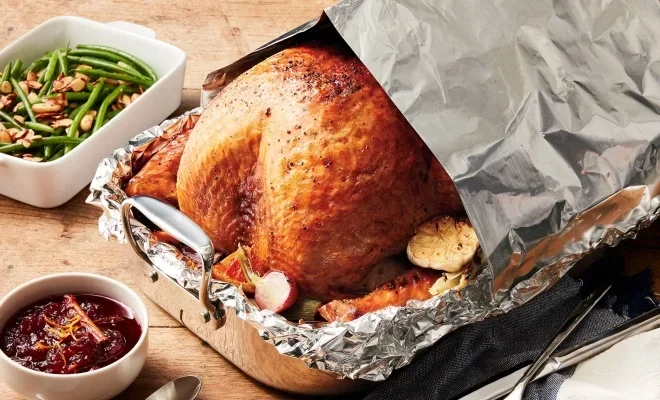
Wrap the roast loosely in aluminum foil and let it sit for at least 20 to 30 minutes. This keeps it warm without cooking it further. You will notice that the meat is easier to carve and much juicier after resting.
How To Carve Like a Pro
Carving a bone-in prime rib might look intimidating, but it is actually quite simple once you know the trick. Start by cutting along the bone to separate each rib from the roast. Then slice the meat off the bone into thick, even pieces.
For the best results, use a sharp carving knife. Cut against the grain of the meat for maximum tenderness. Serve each slice with a bit of the pan juices drizzled on top for extra flavor.
Quick Tips:
- Save the bones! They make an incredible beef stock for soups and stews.
- Place the roast on a warm platter to keep it at the right temperature while carving.
- Let each guest carve their own slice for a more interactive dining experience.
Troubleshooting and Expert Tips for Perfect Results
Fixing Common Problems
Even with the best plan, things can go wrong. Here are a few common issues and how to fix them.
The roast is cooking too fast on the outside. This usually means your oven runs hot. Lower the temperature by 25 degrees next time and check the roast earlier. An oven thermometer is a handy tool to have in your kitchen.
The outside is brown but the inside is still cold. This happens when the oven temperature is too low or the roast is too large. Try increasing the temperature slightly and give it more time. A meat thermometer will help you track progress.
The roast turned out dry. Overcooking is the most common cause. Next time, pull the roast off the heat earlier and trust the thermometer more than the clock.
Making It Restaurant Quality at Home
Want to take your prime rib recipe to the next level? Here are a few professional tricks that make a big difference.
First, dry brine your roast. Salt it generously the night before and leave it uncovered in the fridge. This dries out the surface slightly, which leads to an even better crust. Second, add a splash of beef broth to the bottom of the roasting pan. The steam keeps the roast moist and creates a flavorful base for gravy.
Finally, do not forget about the au jus. The drippings from the pan are liquid gold. Combine them with a bit of beef broth, strain them, and serve alongside your slices. It is a simple touch that elevates the entire meal.
Key Takeaways for Oven-Baked Prime Rib
- Choose a quality bone-in roast for the best flavor and presentation.
- Season simply with salt, pepper, garlic, and rosemary.
- Use the two-stage cooking method — start hot, then go low and slow.
- Monitor internal temperature closely with a reliable meat thermometer.
- Rest the roast for at least 20 minutes before carving.
- Carve against the grain for maximum tenderness.
- Save the drippings for a delicious homemade au jus or gravy.
How To Cook Prime Rib In Oven Medium Rare is a skill that anyone can learn with a little patience and practice. The process might seem intimidating at first, but once you see how easy it is, you will wonder why you ever ordered takeout on special occasions. The aroma alone is worth the effort.
Remember, the key to a perfect roast is preparation and attention to detail. Pick the right cut, season it well, cook it at the right temperature, and give it time to rest. Follow these steps, and you will serve a prime rib that rivals any steakhouse in town.
Now that you have all the knowledge you need, it is time to put it into action. Invite your family and friends over, put on some music, and enjoy the process. Cooking a prime rib roast is not just about feeding people. It is about creating a memorable experience centered around great food and good company. Happy cooking!
Frequently Asked Questions
Can I cook prime rib from frozen in the oven?
It is not recommended to cook a frozen prime rib roast directly in the oven. Thawing it first ensures even cooking and better food safety. Place the roast in the fridge for 24 to 48 hours before cooking, or use the cold water method for a faster thaw.
What is the best oven temperature for prime rib medium rare?
Start at 450 degrees Fahrenheit for the first 15 minutes, then reduce to 325 degrees Fahrenheit for the rest of the cooking time. This two-stage method creates a great crust while keeping the inside perfectly juicy.
How long does it take to cook a 5-bone prime rib roast?
A 5-bone roast typically takes about 2.5 to 3 hours at 325 degrees Fahrenheit after the initial sear. However, always use a meat thermometer to check the internal temperature rather than relying solely on time.
Should I cover my prime rib with foil while cooking?
No, do not cover the roast during cooking. Leaving it uncovered allows the heat to circulate evenly and helps create a beautiful, crispy crust on the outside. You can tent it with foil during the resting period instead.
What is the difference between prime rib and ribeye?
Prime rib is a larger bone-in roast cut from the rib section, while a ribeye is a smaller, boneless steak cut from the same area. Both come from the same primal cut but are prepared and cooked differently.
Can I make gravy from the drippings?
Absolutely! The drippings from your prime rib pan are perfect for making a rich, flavorful gravy. Simply skim off excess fat, add a bit of beef broth, thicken with a roux or cornstarch, and season to taste. It pairs beautifully with the roast.