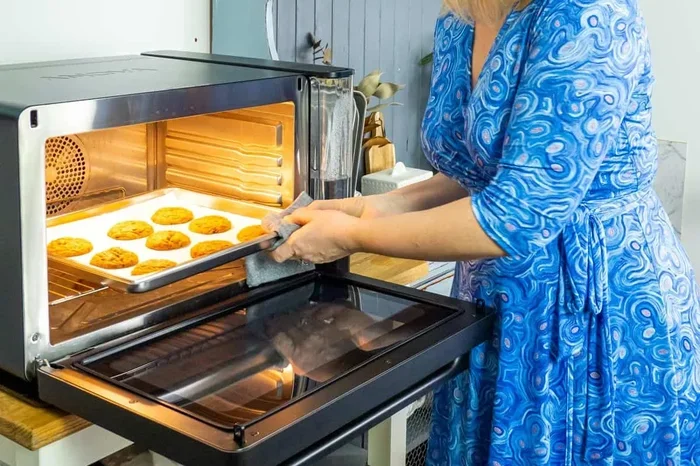
How Does A Convection Oven Affect Baking Every Time
A convection oven uses a fan to circulate hot air, which changes how your food bakes compared to a regular oven. You get faster cooking times, more even browning, and crispier textures every time. However, you will need to adjust temperatures and baking times to avoid overcooking. Understanding these changes helps you bake better cookies, bread, pastries, and more with confidence.
Have you ever noticed that some baked goods come out perfectly golden while others turn out pale or burnt? The answer might be your oven type. A convection oven works very differently from a standard oven. And once you understand how it affects baking, you will never look at your recipes the same way again.
Convection baking has changed the way home bakers and professional chefs prepare food. The fan inside the oven pushes hot air around the food. This creates a completely different baking experience. In this guide, we will walk through exactly how a convection oven affects baking every time. You will learn what changes, what stays the same, and how to get the best results with every single batch.
Key Takeaways
- Faster and more even baking: The fan moves hot air around the oven, so food cooks more uniformly and quickly.
- Lower temperature needed: Most recipes need a 25°F reduction when using a convection oven.
- Crispier results: Air circulation removes moisture from the surface, creating a golden, crispy crust on baked goods.
- Not ideal for every recipe: Delicate items like soufflés and custards may need the conventional oven setting.
- Proper pan placement matters: Leave space between baking sheets for the best air flow.
- Rotate pans for even results: Even with a fan, rotating halfway through helps bake everything evenly.
📑 Table of Contents
- What Is a Convection Oven and How Does It Work?
- How Convection Baking Differs from Conventional Baking
- Best Foods to Bake in a Convection Oven
- How to Adjust Recipes for Convection Baking
- Common Mistakes When Using a Convection Oven for Baking
- Pro Tips for Perfect Convection Baking Results
- Expert Insights on Convection Baking
- Common Myths About Convection Ovens
What Is a Convection Oven and How Does It Work?
A convection oven looks a lot like a regular oven on the outside. But inside, there is a big difference. A fan and a heating element work together to move hot air all around the oven cavity. This is called fan-forced heat. The moving air surrounds the food on all sides. This is very different from a conventional oven, which just heats the air sitting still inside.
In a traditional oven, heat rises from the bottom element. The top of the oven gets hotter than the bottom. This creates hot spots. These are areas where the temperature is much higher. Food placed in a hot spot can burn quickly. Food placed in a cooler area may stay underdone.
How the Fan Changes Everything
The fan in a convection oven solves the hot spot problem. It pushes the warm air around the entire oven. This means every part of the oven stays at a more consistent temperature. Your food gets surrounded by heat evenly. This is why baking in a convection oven often gives better results.
The moving air also affects how moisture leaves the food. In a regular oven, steam can build up around the food. In a convection oven, the fan blows that steam away. This helps create a crispier exterior on cookies, pastries, and bread. It also speeds up the baking process overall.
Most modern ovens come with a convection setting. Some have a true convection system with a third heating element behind the fan. Others use a simpler design. Either way, the fan changes how your food cooks. Understanding this helps you adjust your approach every time you bake.
How Convection Baking Differs from Conventional Baking
Switching from a regular oven to a convection oven changes several things. The way heat reaches your food is different. The cooking speed changes too. Let us break down the key differences so you know exactly what to expect.
Heat Distribution and Airflow
In a conventional oven, heat moves mostly through radiation and natural convection. Hot air rises, and cooler air sinks. This creates a natural cycle. But it is slow and uneven. In a convection oven, the fan forces the air to move fast. This is called forced air circulation. The result is much more even heating across all racks.
This means your baked goods cook more uniformly. The tops, bottoms, and sides all brown at the same rate. You will notice fewer cases of burnt tops with raw bottoms. The air circulation around each item is consistent. This is a huge advantage when you are baking multiple trays at once.
Cooking Time Differences
One of the biggest changes you will notice is the baking time. Convection ovens cook food about 25 percent faster than conventional ovens. The moving hot air transfers heat to the food more quickly. Your cookies may be done in 8 minutes instead of 10. A cake that usually takes 35 minutes might be ready in 27.
This faster cooking time is great for busy days. But it also means you need to keep a closer eye on your food. Set your timer a few minutes earlier than the recipe suggests. Use a toothpick or cake tester to check for doneness. Over time, you will learn exactly how much time to cut for your favorite recipes.
Temperature Adjustments
Because convection ovens cook faster, they also cook hotter at the same setting. Most baking experts recommend lowering the temperature by 25°F when using the convection setting. So if a recipe calls for 350°F, you should set your convection oven to 325°F.
This small adjustment makes a big difference. It prevents over-browning and drying out your food. The lower temperature combined with the faster cook time gives you perfectly baked goods. It balances the crisp exterior with a moist interior. Once you get used to this trick, you will never forget it.
| Factor | Conventional Oven | Convection Oven |
|---|---|---|
| Heat Source | Bottom and top elements only | Fan + heating element(s) |
| Air Movement | Still air, natural circulation | Forced air circulation |
| Temperature Adjustment | None needed | Reduce by 25°F |
| Baking Time | Standard time | About 25% faster |
| Browning | Can be uneven | Even and consistent |
| Moisture Retention | Higher retention | Lower retention (crispier results) |
| Best For | Delicate items like custards | Cookies, bread, pastries, roasts |
Best Foods to Bake in a Convection Oven
Not every recipe benefits from convection baking. Some foods love the fan. Others do better without it. Knowing which foods work best helps you get the most out of your oven.
Cookies and Biscuits
Cookies are one of the best things to bake in a convection oven. The fan circulates heat around each cookie evenly. This means all your cookies brown at the same rate. You get perfectly golden edges with soft centers every time. You can bake multiple trays at once without worrying about uneven results.
The crispy crust on cookies improves dramatically. The moving air pulls moisture away from the surface faster. This creates that satisfying crunch everyone loves. Just remember to lower the temperature by 25°F and check them a few minutes early.
Bread and Rolls
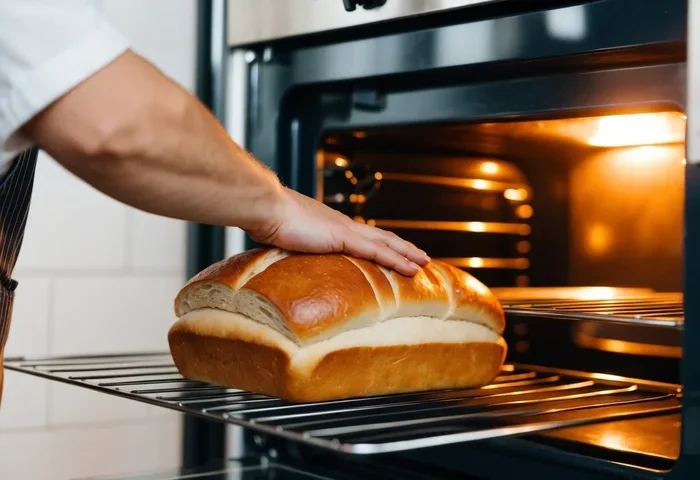
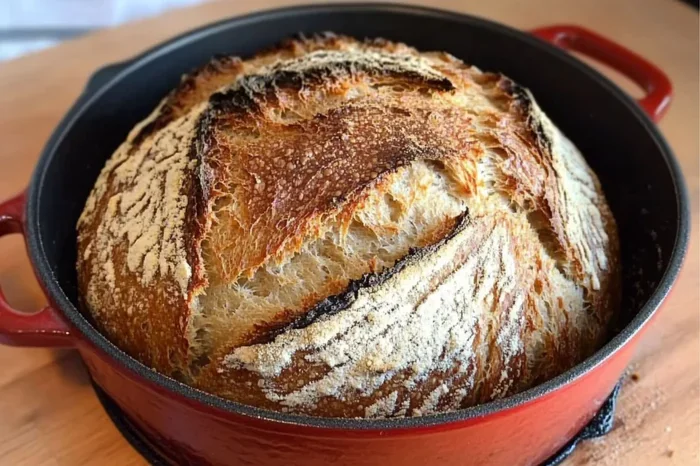
Bread baking in a convection oven produces excellent results. The even heat helps the loaf rise uniformly. The crust becomes beautifully golden and crispy. Many artisan bakers use convection settings for their bread. The fan helps create a steam-free environment that enhances crust formation.
However, very delicate breads like brioche may dry out faster. The constant air movement pulls moisture from the dough. If you are baking enriched breads, keep a close eye on them. You may want to reduce the bake time slightly or cover the loaf with foil partway through.
Pastries and Pies
Flaky pastries and pie crusts shine in a convection oven. The even heat helps the butter layers separate properly. This creates those beautiful flaky layers you see in professional bakeries. The fan also helps the bottom crust bake through completely. No more soggy bottom pies.
Fruit tarts and savory pastries also benefit from the circulating air. The moisture on the fruit filling evaporates faster. This prevents a watery filling from making the crust soggy. Your pastries come out crisp and golden on all sides.
Roasted Vegetables and Meats
While this article focuses on baking, it is worth noting that convection roasting is fantastic too. Vegetables get caramelized on all sides. Chicken skin becomes perfectly crispy. The even heat means no more rotating your roasting pan halfway through. Everything browns beautifully without any extra effort.
How to Adjust Recipes for Convection Baking
Using a convection oven for baking does require some recipe adjustments. The good news is these changes are simple. Once you know the rules, you can adapt almost any recipe with confidence.
The Temperature Rule
The most important rule is to lower the oven temperature by 25°F. This is the standard adjustment for most convection baking. So 350°F becomes 325°F. 375°F becomes 350°F. This single change prevents over-browning and drying out your food.
Some ovens have a convection conversion feature. This automatically adjusts the temperature for you. If your oven has this setting, use it. It takes the guesswork out of baking. Not all ovens have it though, so knowing the manual rule is always helpful.
The Time Rule
Reduce your baking time by about 25 percent. If a recipe says 30 minutes, start checking at 22 minutes. If it says 45 minutes, check at 34 minutes. The faster cook time comes from the efficient heat transfer. The moving air delivers energy to the food surface more quickly.
Use your senses to check for doneness. Look at the color. Smell for that baked aroma. Use a toothpick or cake tester for cakes and muffins. With practice, you will know exactly when your baked goods are ready without even opening the oven door.
Pan Size and Placement Tips
How you arrange your pans inside the oven matters a lot. Leave at least 2 inches of space between baking sheets. This allows the hot air to flow freely around each pan. Crowded pans block the airflow and create uneven baking.
Use light-colored baking sheets and pans. Dark pans absorb more heat and can cause over-browning in a convection oven. Light-colored pans reflect heat and help your food bake more evenly. This small change makes a noticeable difference in your results.
Place pans on the middle rack when possible. This gives the fan the best air flow around the food. If you are using multiple racks, stagger the pans. This prevents one tray from blocking the air from reaching another.
When to Turn Off the Fan
Many convection ovens have a convection bake and a convection roast setting. For most baking, use the convection bake setting. This uses the fan at a lower speed. It provides gentle air circulation without blowing your food around.
For very delicate items, consider turning the fan off. Soufflés, custards, and some cakes benefit from still air. The fan can cause these items to rise unevenly or collapse. In these cases, use the conventional bake mode. You get the benefit of the oven’s heat without the forced air.
Common Mistakes When Using a Convection Oven for Baking
Even experienced bakers make mistakes with their convection oven. Learning what to avoid saves time, ingredients, and frustration. Here are the most common errors and how to fix them.
Forgetting to Lower the Temperature
This is the number one mistake people make. They set the oven to the recipe temperature without adjusting for convection. The result? Over-browned edges and dry centers. Your food cooks faster and hotter with the fan on. Always remember the 25°F reduction rule.
Overcrowding the Oven
It is tempting to bake as many cookies as possible in one batch. But cramming too many trays into the oven blocks the airflow. The hot air cannot circulate properly. Your cookies bake unevenly, with some pale and some burnt.
Bake in smaller batches if needed. The slightly longer wait is worth perfectly baked treats. Give your food room to breathe. The fan needs space to do its job effectively.
Peeking Too Often
Every time you open the oven door, you lose heat. In a convection oven, this loss is more noticeable. The fan pushes the warm air out quickly. Your baking time increases each time you peek.
Resist the urge to check on your food too often. Use the oven light to peek through the glass door. Trust your timer and your senses. Opening the door only once or twice during baking gives the best results.
Using the Wrong Pan Material
Dark pans and dark baking sheets absorb more heat. In a convection oven, this can cause excessive browning. Your bottoms burn while the tops look underdone. Switch to light-colored aluminum pans for more even results.
Shiny pans reflect heat back toward the food. This creates gentler, more uniform baking. It is a simple swap that makes a big difference. Keep a set of light-colored baking sheets ready for your convection baking sessions.
Pro Tips for Perfect Convection Baking Results
Getting the most out of your convection oven takes a little practice. These expert tips will help you achieve bakery-quality results at home every single time.
Rotate Your Pans Halfway Through
Even with a fan, some ovens have slight temperature variations. Rotating your pans 180 degrees halfway through the bake helps. This ensures every item gets equal exposure to the heat. It is a simple step that makes a noticeable difference.
This is especially important if you are baking on multiple racks. The top and bottom racks may experience slightly different airflow. Rotating balances everything out. Your baking results will be more consistent every time.
Use Parchment Paper or Silicone Mats
Parchment paper helps prevent sticking and promotes even browning. In a convection oven, it also helps regulate the heat hitting the bottom of your food. Silicone baking mats work similarly. They create a gentle barrier between the pan and the food.
Avoid using wax paper. It can melt in the high heat of a convection oven. Stick with parchment paper or silicone mats for safe and effective baking. These small tools protect your food and make cleanup easier too.
Let Your Oven Preheat Fully
A fully preheated oven is essential for great convection baking. The fan needs the oven to reach the target temperature before you put food inside. Preheating takes about 10 to 15 minutes in most convection ovens.
Use an oven thermometer to verify the temperature. Many ovens run slightly hotter or cooler than the dial shows. Knowing the actual temperature helps you adjust your recipes more accurately. This small investment in an oven thermometer pays off in better baking every time.
Keep Moisture In When Needed
The dry heat of a convection oven can sometimes remove too much moisture. This is especially true for delicate cakes and muffins. If you notice your baked goods drying out, try covering them loosely with foil partway through baking.
Another trick is to place a small pan of water on the bottom rack. This adds moisture to the oven environment. It helps keep your cakes and breads soft and tender. It is a simple technique that makes a big difference in texture.
Experiment and Keep Notes
Every convection oven is slightly different. Your oven may cook faster or slower than your neighbor’s. The best way to learn your oven is through experimentation. Try the same recipe at different temperatures and times. Write down what works best.
Over time, you will build a personal reference guide. You will know exactly how your oven handles different foods. This knowledge turns you into a confident convection baker. You will get great results without even thinking about it.
Expert Insights on Convection Baking
Professional bakers have been using convection ovens for years. Their insights can help you avoid common pitfalls and elevate your baking. Here is what the experts want you to know.
Chef Maria Torres, a professional pastry chef, says: “I always reduce my sugar by a tablespoon when baking with convection. The faster browning can make sweets taste too caramelized. A small reduction keeps the flavor balanced.”
Baker James Chen adds: “For bread, I love the convection setting for the first half of the bake. Then I switch to conventional for the second half. This gives me a great crust without drying out the inside.”
These small tweaks from professionals show that mastering convection oven baking is about understanding your tool. The fan is powerful. But you are in control. With the right adjustments, you can achieve results that rival professional bakeries.
Common Myths About Convection Ovens
There are many misconceptions about convection ovens and baking. Let us clear up a few of the most common ones.
Myth: Convection Ovens Dry Out Food
The truth is convection ovens do not inherently dry out food. They do remove surface moisture faster, which creates crispiness. But interior moisture is retained well when you use the right temperature and time adjustments. Properly baked convection goods are moist inside and crispy outside.
Myth: You Cannot Use Glass or Ceramic Pans
You absolutely can use glass and ceramic pans in a convection oven. They work just fine. The only consideration is that glass heats up more slowly. So you may need to add a couple of minutes to your bake time. This is a minor adjustment, not a dealbreaker.
Myth: Convection Ovens Are Only for Experienced Bakers
Convection ovens are actually great for beginners. The even heat reduces many common baking problems. You get more consistent results with less effort. Once you learn the basic temperature and time adjustments, the oven does most of the work for you.
Frequently Asked Questions
Can I use my regular recipes in a convection oven?
Yes, but you should adjust the temperature and time. Lower the temperature by 25°F and reduce the baking time by about 25 percent. These small changes make a big difference in how your food turns out.
Is convection baking better than conventional baking?
It depends on what you are baking. Convection ovens excel at producing even browning, crispy textures, and faster cook times. However, delicate items like soufflés and custards may do better in a conventional oven with the fan off.
Do I need special pans for a convection oven?
No special pans are required. However, light-colored baking sheets and pans work best. They reflect heat and prevent over-browning. Avoid dark pans, which absorb more heat and can cause uneven results.
Why do my cookies burn on the edges in a convection oven?
This usually happens when the temperature is too high or the bake time is too long. Try reducing the temperature by 25°F and checking the cookies a few minutes earlier. Using light-colored pans also helps prevent edge burning.
Can I bake bread in a convection oven?
Absolutely. Convection ovens produce excellent bread with a crispy crust and even crumb. Reduce the temperature by 25°F and check the bread a few minutes before the recipe suggests. Some bakers start with convection and switch to conventional for the final bake.
Should I always use the convection setting for baking?
Not always. For delicate items like soufflés, custards, and some cakes, it is better to use the conventional setting or turn the fan off. The forced air can cause these items to rise unevenly or collapse. Use convection for cookies, bread, pastries, and roasted items.
=== CONCLUSION ===
Convection oven baking changes the way your food cooks for the better. The fan-driven air circulation delivers faster, more even results every single time. You get beautifully browned cookies, crispy bread crusts, and perfectly flaky pastries with less effort. The key is understanding the simple adjustments needed. Lower your temperature by 25°F, reduce your bake time, and choose the right pans.
Once you make these adjustments part of your routine, you will wonder how you ever baked without a convection oven. The even heat distribution eliminates the guesswork. Your baked goods come out consistent and delicious every time. Start with your favorite cookie recipe and notice the difference. Then try bread, pastries, and other baked treats.
The learning curve is small, and the rewards are huge. With a little practice and these tips in mind, you will master convection baking in no time. Your kitchen will fill with perfectly golden, evenly baked creations every time you turn on the oven. Happy baking!