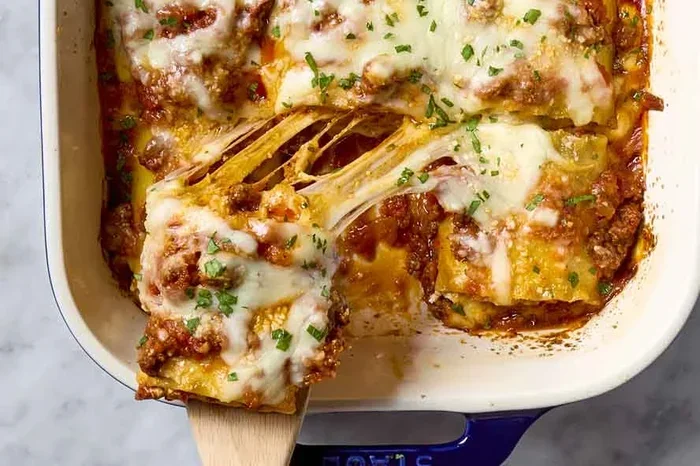
How To Layer Lasagna With Oven Ready Noodles Perfectly
Learning how To Layer Lasagna With Oven Ready Noodles is easier than you think and saves tons of time. No pre-boiling, no fuss — just stack, sauce, and bake. This guide walks you through every single layer so your lasagna comes out perfect. You’ll learn the right order, the best sauces, and the little tricks that make all the difference.
Making lasagna at home feels like a big project. But here is the good news. How To Layer Lasagna With Oven Ready Noodles is way simpler than most people think. You skip the boiling step, save time, and still get that beautiful, bubbly dish everyone loves.
If you have ever tried making lasagna and ended up with mushy noodles or dry layers, this guide is for you. Oven ready noodles, also called no-boil noodles, are designed to absorb just the right amount of sauce during baking. The trick is knowing how to layer them correctly. That is exactly what we will cover in this article.
By the end, you will know the full layering process, the best sauce tips, and the small mistakes that can ruin an otherwise perfect lasagna. Let us get into it.
Key Takeaways
- Oven ready noodles skip the boiling step entirely: They cook perfectly inside the lasagna with the right amount of sauce.
- Layer order matters a lot: Sauce first, then noodles, then cheese — repeating creates even cooking and great texture.
- Sauce consistency is key: Thin, spreadable sauce prevents dry noodles and ensures every layer cooks through.
- Resting time makes a difference: Letting lasagna sit for 15 minutes helps it set and slice cleanly.
- Avoiding common mistakes saves time and frustration: Too little sauce, overcrowding, and skipping the resting period are top errors.
- No-boil noodles work with any recipe: You can use them with meat sauce, veggie filling, or white sauce lasagna.
- Bubbly cheese on top is the finish: A final layer of mozzarella and a sprinkle of parmesan creates that golden, appetizing look.
📑 Table of Contents
Why Oven Ready Noodles Are a Game Changer
Oven ready noodles have changed how people make lasagna at home. Traditional lasagna requires you to boil noodles before assembling. This adds extra time, extra pots, and extra steps. No-boil lasagna removes all of that.
These noodles are specially made to cook inside the oven. They absorb moisture from the sauce and cheese as they bake. The result is tender noodles with no mushy texture, as long as you follow a few simple rules.
Time Saving Benefits
The biggest advantage is saving time. You cut out an entire step from the cooking process. For busy weeknights or holiday meals, this matters a lot. Instead of standing over a boiling pot, you can focus on preparing sauces and cheese mixtures.
Many home cooks also find that oven safe dish assembly goes much faster. There is no waiting for noodles to cool before you can handle them. You simply pull them from the package and start layering.
Texture and Taste Comparison
Some people worry that no-boil noodles will taste different. The truth is, when used correctly, they taste just as good. The key difference is texture. Oven ready noodles tend to be a bit thinner than traditional boiled ones. This actually works well for layered dishes because they blend smoothly with sauces and cheese.
Boiled noodles can sometimes overcook and become slimy. Oven ready noodles stay firm and hold their shape throughout baking. This gives your lasagna cleaner layers and a more satisfying bite.
What You Need Before You Start
Before you begin assembling, gather everything you need. Having all ingredients ready makes the process smooth and enjoyable. Here is what you will need for a standard 9×13 inch baking dish.
Essential Ingredients
- Oven ready lasagna noodles: A standard 9×13 pan needs about 9 to 12 noodles. Check your package for exact count.
- Meat sauce or vegetable sauce: About 4 to 5 cups of sauce works well for a full pan.
- Ricotta cheese mixture: Combine ricotta, egg, parmesan, and Italian seasoning for the creamy layer.
- Shredded mozzarella cheese: You need enough for multiple layers, usually about 3 to 4 cups.
- Parmesan cheese: A handful for topping and mixing into the ricotta blend.
- Fresh basil or herbs: Optional, but they add great flavor and color.
Tools You Will Need
- A 9×13 inch baking dish or oven safe dish
- A spatula for spreading sauce evenly
- A mixing bowl for the cheese blend
- Aluminum foil for covering during baking
- A preheated oven set to 375°F
Preparing Your Sauce
Your sauce should be slightly thinner than normal. This is important. Oven ready noodles need extra moisture to cook properly. If your sauce is too thick, the noodles may come out dry or undercooked.
Simmer your meat sauce for about 10 minutes and add a splash of water or broth if needed. The sauce should spread easily but not be watery. Think of it like a smooth, spreadable paste. This consistency helps every layer cook evenly.
The Perfect Lasagna Sauce Base
The sauce is the heart of any great lasagna. Whether you use a classic meat sauce, a creamy white sauce, or a simple tomato base, the flavor and consistency matter a lot. Lasagna layers depend on having enough sauce between each noodle.
Traditional Meat Sauce
A classic meat sauce uses ground beef or Italian sausage, crushed tomatoes, garlic, onion, and Italian seasoning. Brown the meat first, then add onions and garlic. Pour in the tomatoes and let it simmer. This gives you a rich, deep flavor that pairs perfectly with melted cheese.
For no-boil lasagna, use a bit more sauce than you normally would. The noodles need that extra liquid to hydrate properly during baking. A good rule of thumb is to spread about one cup of sauce on the bottom of the pan before placing any noodles.
Vegetable or White Sauce Options
You are not limited to meat sauce. A roasted vegetable sauce with zucchini, spinach, and mushrooms makes a wonderful vegetarian lasagna recipe. A creamy white sauce made with butter, flour, and milk also works beautifully with oven ready noodles.
Whichever sauce you choose, make sure it has a smooth texture. Lumpy or chunky sauce can create uneven layers and dry spots. Blend or smooth out your sauce for the best results.
How To Layer Lasagna With Oven Ready Noodles Step by Step
This is the most important part. How To Layer Lasagna With Oven Ready Noodles correctly determines whether your final dish turns out perfect or falls apart. Follow these steps carefully for the best results.
Step One: Spread the Base Sauce
Start by spreading about one cup of sauce on the bottom of your greased baking dish. This thin layer prevents the noodles from sticking and adds moisture right from the start. Use a spatula to spread it evenly across the entire bottom.
This base layer is especially important for no-boil noodles because they need contact with liquid from the very beginning. Without it, the bottom noodles can turn hard and crunchy.
Step Two: Place the First Layer of Noodles
Lay 3 to 4 oven ready noodles across the pan, slightly overlapping if needed. Do not press them down hard. They will expand and soften as they bake. Just place them gently side by side to cover as much of the bottom as possible.
If your noodles do not perfectly fit the pan, you can trim them with kitchen scissors. This is a common trick that many home cooks use to get perfect noodle placement in every layer.
Step Three: Add the Ricotta Mixture
Spread about one-third of your ricotta mixture over the noodles. Use an offset spatula or the back of a spoon to spread it evenly. The ricotta layer should be consistent in thickness across the entire surface.
You can also add a sprinkle of mozzarella and a few spoonfuls of sauce on top of the ricotta. This adds extra flavor and moisture to the layer. Lasagna assembly is all about building these even, consistent layers.
Step Four: Add Meat Sauce and Cheese
Spoon about one cup of meat sauce over the ricotta layer. Spread it gently so it reaches the edges of the pan. Sprinkle about one cup of shredded mozzarella over the sauce. Then add a light dusting of parmesan.
This combination of sauce and cheese creates a moist, flavorful layer. The cheese melts into the sauce and helps the next noodle layer cook evenly. Repeat this process for 2 to 3 more layers, depending on how tall you want your lasagna.
Step Five: Create the Top Layer
The final layer should be all about cheese. Place your last row of noodles, spread a generous amount of sauce, then cover with a thick layer of mozzarella and parmesan. This top layer becomes the golden, bubbly crust everyone looks forward to.
For extra flavor, drizzle a thin line of olive oil over the top cheese layer. This helps the cheese brown evenly and adds a subtle richness to the finished dish.
The Complete Layer Order at a Glance
Here is a quick reference for the full layer sequence. Keep this handy when you are in the kitchen.
- Layer 1: Base sauce, noodles, ricotta, meat sauce, mozzarella
- Layer 2: Noodles, ricotta, meat sauce, mozzarella
- Layer 3: Noodles, ricotta, meat sauce, mozzarella
- Layer 4 (top): Noodles, remaining sauce, generous mozzarella and parmesan
Following this layering technique ensures every bite has sauce, cheese, and creamy ricotta. The result is a well-balanced lasagna with no dry spots or empty layers.
Common Mistakes to Avoid When Layering Lasagna
Even experienced cooks make mistakes with lasagna layering. Knowing what to avoid saves you from a disappointing final dish. Here are the most common errors and how to fix them.
Using Too Little Sauce
This is the number one mistake. Oven ready noodles need more sauce than traditional boiled noodles. Without enough moisture, they cannot cook through properly. Always err on the side of using extra sauce between layers.
If you find yourself running low on sauce, mix a cup of pasta water with your remaining sauce. This adds the extra liquid your noodles need without thinning the flavor.
Overcrowding the Pan
It is tempting to squeeze in extra noodles to fill the pan. But overcrowding leads to uneven cooking. The center becomes too dense and the edges may burn. Stick to the recommended number of noodles for your dish size.
A 9×13 pan works best with 9 to 12 noodles. Going beyond that creates a thick, heavy lasagna that may not cook through in the middle.
Skipping the Resting Time
Your lasagna needs time to rest after coming out of the oven. Cutting into it immediately causes the layers to fall apart. The cheese and sauce need about 15 minutes to set and firm up.
Cover the dish loosely with foil and let it sit on the counter. This simple step makes a huge difference in how cleanly your slices hold together. It also allows the flavors to settle and deepen.
Using Cold Ingredients
Cold ricotta and cold sauce create uneven layers. Let your ingredients come to room temperature before assembling. This helps everything blend better during baking and promotes more even cooking.
Take the ricotta and sauce out of the refrigerator about 20 to 30 minutes before you start. This small step makes a noticeable difference in the final texture of your baking lasagna.
Expert Tips for Perfect Lasagna Every Time
These professional tips will elevate your lasagna from good to outstanding. They are simple changes that make a big impact on the final result.
Preheat Your Oven Properly
Always preheat your oven to the recommended temperature before placing the lasagna inside. A preheated oven ensures the noodles start cooking immediately. Cold ovens lead to uneven cooking and soggy layers.
Set your oven to 375°F and let it reach full temperature before you put the lasagna in. Use an oven thermometer if you are unsure about your oven’s accuracy.
Cover and Uncover Strategy
Cover the lasagna with foil for the first 25 to 30 minutes of baking. This traps steam and helps the noodles cook through. Then remove the foil for the last 10 to 15 minutes to let the cheese brown and bubble.
This two-step baking method creates the perfect contrast between tender noodles underneath and golden, bubbly cheese on top. It is the secret to restaurant-quality lasagna layers at home.
Add a Secret Ingredient
A splash of extra marinara or a tablespoon of butter mixed into the ricotta adds richness that people notice but cannot quite identify. These small additions make your lasagna taste more complex and homemade.
Some cooks also add a pinch of sugar to the sauce to balance the acidity of the tomatoes. These tiny tweaks set great lasagna apart from good lasagna.
Test for Doneness
Your lasagna is done when the cheese is golden brown and the edges are bubbling. You can also insert a knife into the center. If it goes through easily, the noodles are cooked. If there is resistance, give it a few more minutes.
The internal temperature should reach about 165°F for food safety. A simple meat thermometer takes the guesswork out of checking.
Frequently Asked Questions
Can I use oven ready noodles in any lasagna recipe?
Yes, you can swap oven ready noodles into almost any lasagna recipe. Just make sure your sauce is slightly thinner than normal and you add enough sauce between layers. The noodles will absorb moisture as they bake, so extra sauce is the key to success.
Do I need to soak oven ready noodles before using them?
No, you do not need to soak them. They are designed to cook directly in the oven. Simply layer them dry into your dish and let the sauce and baking process do all the work. Soaking is unnecessary and can make your noodles too soft.
How long does it take to bake lasagna with no-boil noodles?
Most lasagna recipes with oven ready noodles bake for 35 to 45 minutes at 375°F. The first part covered with foil, then the last part uncovered for browning. Always check that the center is hot and the noodles are tender before serving.
Can I make lasagna with oven ready noodles ahead of time?
Absolutely. Assembled lasagna can be covered and refrigerated the night before baking. Just add 10 to 15 extra minutes to the baking time if it is cold from the fridge. This makes it perfect for meal prep and holiday entertaining.
Why are my oven ready noodles still hard after baking?
This usually means there was not enough sauce or liquid in the pan. Oven ready noodles need sufficient moisture to soften. Make sure you spread sauce on every layer, especially between each noodle row. Adding a little extra sauce to the top layer also helps.
Can I freeze lasagna made with no-boil noodles?
Yes, you can freeze baked lasagna made with oven ready noodles. Wrap it tightly in foil and plastic wrap. It will keep for up to 3 months. Thaw overnight in the refrigerator and reheat at 350°F covered with foil until warmed through.
Conclusion
How To Layer Lasagna With Oven Ready Noodles is a skill anyone can master with a little practice. The process is straightforward, the ingredients are simple, and the results are impressive. From the base sauce to the final bubbly cheese layer, every step matters.
Remember to use enough sauce, keep your layers even, and never skip the resting time. These small habits transform a good lasagna into a great one. Oven ready noodles take the hard work out of lasagna, giving you more time to enjoy the process and less time over a hot stove.
Now that you know the full layering method, it is time to put it into action. Grab your baking dish, pull out those no-boil noodles, and start building your perfect lasagna. Your family and guests will not believe how easy it was to create something this delicious. Happy cooking.