What Does Clean Setting On Oven Do And How It Works
The clean setting on your oven uses high heat or steam to break down baked-on grease and food residue effortlessly. It saves you from scrubbing and keeps your oven interior hygienic. Understanding how this feature works helps you use it safely and get the best results every time.
Have you ever opened your oven and felt overwhelmed by the baked-on grease and charred food stuck to the walls? We have all been there. The good news is that most modern ovens come with a clean setting designed to handle this mess for you. But what does clean setting on oven do exactly? And is it safe to use? Let us break it all down in simple terms.
The clean setting on oven is a built-in feature that uses either extreme heat or steam to dissolve baked-on food, grease, and grime. Instead of spending hours scrubbing with harsh chemicals, you simply activate the cleaning mode and let the oven do the heavy lifting. This feature has become a standard in most electric and gas ovens sold today.
In this guide, we will walk you through everything you need to know. From how the self-cleaning cycle works to practical tips for getting the best results, you will find clear and helpful answers. Whether you own a basic model or a high-end range, this article covers the essentials of oven cleaning mode in a way that is easy to understand and use.
Key Takeaways
- Self-cleaning mode uses extreme heat: The oven heats up to 800-900°F to burn off grease and food bits into ash.
- Steam cleaning is gentler: It uses lower heat and water to loosen grime without heavy odors.
- Safety matters a lot: The oven door locks automatically during cleaning to prevent burns.
- Preparation is key: Removing large debris and wiping the interior before starting improves results.
- Ventilation is important: The cleaning process produces smoke and odors that need proper airflow.
- Regular maintenance helps: Using the clean setting periodically reduces buildup and extends oven life.
📑 Table of Contents
- What Does Clean Setting On Oven Do?
- The Science Behind Oven Clean Setting
- Benefits Of Using The Clean Setting
- How To Use The Clean Setting Safely
- Common Mistakes To Avoid
- Quick Tips For Best Results
- Comparing Pyrolytic And Steam Cleaning
- Expert Insights On Oven Cleaning Mode
- Maintenance Tips Between Clean Cycles
- Frequently Asked Questions
- Conclusion
What Does Clean Setting On Oven Do?
The clean setting on oven is a dedicated function that automates the removal of baked-on food and grease from the interior walls, floor, and ceiling of the oven cavity. When you start this cycle, the oven raises its internal temperature to levels far beyond normal cooking. This extreme heat breaks down organic matter into a fine, powdery ash that you can easily wipe away afterward.
Most ovens offer two main types of cleaning modes. The first is the pyrolytic cleaning method, which uses very high heat. The second is the steam cleaning method, which uses lower heat combined with water. Both methods serve the same purpose but work in different ways and produce different results.
How Pyrolytic Cleaning Works
Pyrolytic cleaning is the most common self-cleaning oven feature found in modern kitchens. During this cycle, the oven heats up to temperatures between 800°F and 900°F. At these extreme levels, any food residue, grease, or carbonized matter inside the cavity gets oxidized and turned into ash.
The entire pyrolytic cycle typically takes between two and four hours. Once it finishes, the oven cools down on its own, and the ash can be wiped out with a damp cloth. You do not need any chemical cleaners or abrasive scrubbing pads. This is what makes pyrolytic cleaning so popular among busy home cooks.
How Steam Cleaning Works
Steam cleaning is a newer and gentler approach to oven cleaning mode. Instead of extreme heat, this method uses water and moderate temperatures between 200°F and 300°F. You add a small amount of water to the bottom of the oven, and the steam loosens the baked-on grime.
Steam cleaning cycles are much shorter, usually taking around 20 to 30 minutes. They produce less smoke and odor compared to pyrolytic cleaning. However, steam cleaning works best for light to moderate buildup. Heavy grease and charred food may still need a second cycle or some light wiping.
The Science Behind Oven Clean Setting
Understanding how the clean setting on oven works at a basic level helps you appreciate why it is so effective. The process relies on a simple scientific principle called oxidation. When organic material like food residue and grease is exposed to very high temperatures, the molecules break apart and react with oxygen. This reaction turns the material into carbon dioxide, water vapor, and a small amount of ash.
The oven’s insulation and sealed door are designed to contain these extreme temperatures safely. The oven door lock engages automatically during the cleaning cycle to prevent anyone from opening the door and risking burns. This safety feature is built into virtually all ovens with a self-cleaning function.
Another important factor is the oven’s ventilation system. During pyrolytic cleaning, smoke and odors are produced as the food residue burns off. Most ovens have vents near the top or bottom of the cavity that allow this smoke to escape. Opening a nearby window or turning on a range hood helps keep your kitchen comfortable during the cycle.
Benefits Of Using The Clean Setting
Using the clean setting on oven offers several practical advantages. Let us look at the key benefits that make this feature worth using regularly.
- Saves time and effort: You do not need to spend hours scrubbing the oven interior with harsh chemicals. The oven handles the cleaning while you focus on other tasks.
- Eliminates the need for chemical cleaners: Traditional oven cleaners contain strong fumes and toxic chemicals. The self-cleaning oven feature removes the need for these products entirely.
- Removes tough grease buildup: Even baked-on grease that has been there for weeks or months gets broken down by the extreme heat.
- Improves oven efficiency: A clean oven interior heats up more evenly and retains heat better, which can save energy during cooking.
- Extends oven lifespan: Regular cleaning prevents grease and residue from damaging the oven’s interior surfaces over time.
- Reduces odors: Built-up food residue is a common source of unpleasant smells when you bake or roast. Cleaning it out keeps your oven smelling fresh.
How To Use The Clean Setting Safely
While the clean setting on oven is convenient and effective, it is important to follow safety guidelines. Using the feature incorrectly can lead to smoke, odors, or even damage to the oven. Here is a step-by-step guide to help you use the cleaning mode safely.
Step 1: Prepare The Oven Interior
Before starting the cleaning cycle, remove any large pieces of food or debris from the oven. Take out the oven racks, baking trays, and any other removable parts. These items should be cleaned separately by hand or in a sink. Leaving them inside during the cleaning cycle can cause damage or discoloration.
Step 2: Wipe Down Loose Residue
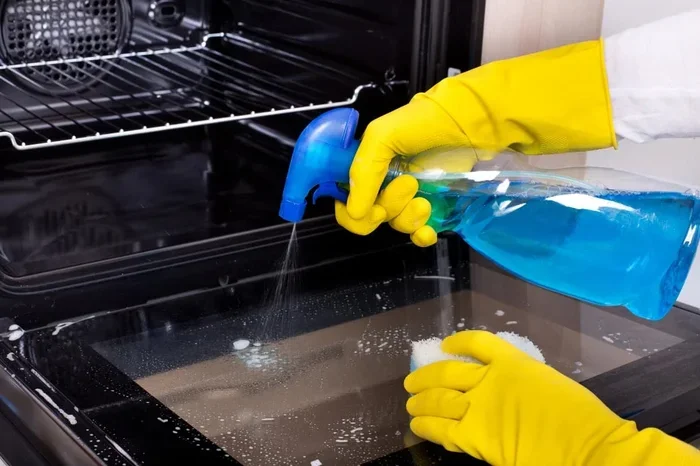
Use a damp cloth to wipe away any loose crumbs or grease from the oven floor and walls. This step reduces the amount of smoke produced during the cycle. It also makes the final ash cleanup much easier.
Step 3: Close And Lock The Oven Door
Make sure the oven door is fully closed. During the cleaning mode, the door lock will engage automatically. Do not try to open the door while the cycle is running. The interior temperatures are extremely high and can cause serious burns.
Step 4: Select The Cleaning Mode
Choose either pyrolytic or steam cleaning based on your oven model and the level of buildup. Set the timer if your oven allows manual control. Most ovens will automatically set the correct duration for the selected mode.
Step 5: Ensure Proper Ventilation
Open a window or turn on your kitchen exhaust fan before starting the cycle. The self-cleaning process produces smoke and odors as the food residue burns off. Good ventilation keeps your kitchen comfortable and prevents smoke alarms from going off.
Step 6: Wait For The Cycle To Complete
Do not leave the house or ignore the oven while the cleaning cycle is running. While modern ovens have safety features, it is always best to monitor the process. Once the cycle finishes and the oven has cooled, open the door and wipe out the ash with a damp cloth.
Common Mistakes To Avoid
Even though using the clean setting on oven is straightforward, there are some common mistakes that people make. Avoiding these errors will help you get better results and keep your oven in good condition.
- Leaving oven racks inside: The extreme heat of pyrolytic cleaning can warp or discolor metal racks. Always remove them before starting the cycle.
- Skipping the pre-wipe step: Not removing loose debris beforehand leads to excessive smoke and a longer cleaning process.
- Using the clean setting too often: Overusing the self-cleaning feature can wear out the oven door lock mechanism and the interior insulation over time.
- Ignoring ventilation: Running the cleaning cycle without proper airflow can trigger smoke alarms and fill your kitchen with unpleasant odors.
- Opening the door mid-cycle: The oven door lock is a safety feature for a reason. Forcing the door open during a hot cycle can damage the lock and cause burns.
- Using chemical cleaners before self-cleaning: Residue from commercial oven cleaners can produce toxic fumes during the pyrolytic cycle. Always stick to the built-in cleaning feature alone.
Quick Tips For Best Results
Getting the most out of your oven cleaning mode is easy when you follow a few simple tips. These quick recommendations will help you achieve sparkling clean results every time.
- Clean right after a cooking spill: The longer food sits and bakes onto the oven walls, the harder it is to remove. Address spills quickly to minimize buildup.
- Use steam cleaning for light maintenance: Run a quick steam clean every few weeks to prevent heavy grease buildup. This keeps the clean setting from having to work too hard during a full pyrolytic cycle.
- Place an oven liner on the bottom: A reusable oven liner catches drips and crumbs before they bake onto the oven floor. This simple trick reduces the need for frequent deep cleaning.
- Keep the oven door seal clean: Wipe the rubber seal around the door with a damp cloth regularly. A clean seal ensures the oven heats evenly during the cleaning cycle.
- Run a test cycle with water: If you are new to steam cleaning, try adding a cup of water to the oven first. This helps you see how much steam and heat your oven produces before committing to a full cycle.
Comparing Pyrolytic And Steam Cleaning
Both pyrolytic cleaning and steam cleaning are effective methods, but they work differently. Understanding the differences helps you choose the right method for each situation.
| Feature | Pyrolytic Cleaning | Steam Cleaning |
|---|---|---|
| Temperature Range | 800°F – 900°F | 200°F – 300°F |
| Cycle Duration | 2 – 4 hours | 20 – 30 minutes |
| Best For | Heavy grease and baked-on residue | Light to moderate buildup |
| Smoke and Odor | Moderate to heavy | Minimal |
| Effort Needed After Cycle | Wipe out ash with damp cloth | Wipe out loosened grime |
| Energy Usage | Higher | Lower |
| Safety Risk | Higher (extreme heat) | Lower (moderate heat) |
For most households, a combination of both methods works best. Use steam cleaning for regular maintenance and pyrolytic cleaning for deep cleaning sessions. This approach keeps your oven in great shape without putting too much stress on any single component.
Expert Insights On Oven Cleaning Mode
Professional chefs and appliance experts agree that the clean setting on oven is one of the most valuable features in modern kitchens. According to appliance repair specialists, ovens that are cleaned regularly using the self-cleaning function tend to last longer and perform better than those that are neglected.
However, experts also caution against over-reliance on the feature. The intense heat of pyrolytic cleaning puts stress on the oven’s internal components, including the door lock, thermostat, and insulation. Using the cleaning cycle once every few months is generally recommended. For everyday maintenance, a simple wipe-down with warm soapy water after each use goes a long way.
Another expert tip is to avoid using the self-cleaning feature right before or during heavy cooking sessions. The process can produce strong odors that may linger and affect the taste of food prepared afterward. Plan your cleaning cycle on a day when you are not planning to bake or roast anything in the oven.
Maintenance Tips Between Clean Cycles
Keeping your oven clean between cleaning cycles reduces the need for deep cleaning and keeps your oven performing at its best. Here are some simple habits that make a big difference.
- Wipe spills immediately: As soon as a spill cools down, wipe it with a damp cloth. This prevents food from baking onto the interior surfaces.
- Use baking soda paste for spot cleaning: A paste made from baking soda and water works as a gentle, natural cleaner for small stains. Apply it, let it sit for 15 minutes, and wipe it away.
- Check the oven drain hole: Many ovens have a small drain hole at the bottom. Clear it regularly to prevent grease and water from pooling inside.
- Replace oven light bulbs carefully: When changing a bulb, avoid touching the glass with bare hands. The oils from your skin can cause the bulb to burn hotter and shorten its lifespan.
- Inspect the door seal: A damaged or dirty door seal lets heat escape during cooking and cleaning. Check it monthly and replace it if you notice any tears or gaps.
Frequently Asked Questions
Is It Safe To Use The Clean Setting On Oven Overnight?
Most manufacturers advise against running the clean setting on oven while you are asleep or away from home. Although modern ovens have safety mechanisms, the cleaning process produces smoke and odors that can trigger your smoke alarm. It is best to stay nearby and monitor the cycle until it completes.
How Often Should You Use The Self-Cleaning Feature?
Using the oven cleaning mode once every two to three months is generally sufficient for most households. If you cook frequently or tend to have messy cooking sessions, you may benefit from more regular cleaning. However, overusing the pyrolytic cycle can wear out internal components faster.
Can You Use The Clean Setting On A Gas Oven?
Yes, many gas ovens come equipped with a self-cleaning oven feature. The process works the same way as in electric ovens. However, always refer to your specific oven manual to confirm that your model supports self-cleaning and to follow the manufacturer’s instructions.
What Should You Do If Smoke Comes From The Oven During Cleaning?
Some smoke during the cleaning cycle is normal, especially during pyrolytic cleaning. However, excessive smoke may indicate that there was too much food residue left inside. Open a window, turn on the exhaust fan, and make sure the oven is not overloaded with debris before the next cycle. If smoke persists, turn off the oven and let it cool before inspecting the interior.
Do You Need To Clean The Oven After The Self-Cleaning Cycle?
Yes. After the clean setting on oven finishes, a fine layer of ash will remain inside the cavity. Use a damp cloth or sponge to wipe it away. Avoid using any abrasive cleaners or scrub brushes, as the interior surfaces are designed to be smooth and non-stick after the cleaning cycle.
Why Does The Oven Door Lock During The Cleaning Cycle?
The oven door lock engages as a safety precaution during the cleaning mode. The internal temperatures reach extreme levels that can cause severe burns. The lock prevents anyone from opening the door accidentally until the oven has cooled down to a safe temperature. This is a standard safety feature in all ovens with a self-cleaning function.
Conclusion
The clean setting on oven is a powerful and convenient feature that saves you time, effort, and the hassle of dealing with tough baked-on grease. Whether you use pyrolytic cleaning for deep maintenance or steam cleaning for quick refreshes, this built-in function makes oven upkeep much simpler. By following the safety tips and preparation steps outlined in this guide, you can get the best results while keeping your oven in excellent condition. Remember to use the cleaning cycle in moderation, maintain your oven between deep cleans, and always ventilate your kitchen during the process. A well-maintained oven not only cooks better but also lasts longer, giving you reliable performance for years to come.