How Long Does It Take To Bake Chestnuts In Toaster Oven
Baking chestnuts in a toaster oven takes about 15 to 25 minutes at 400°F. The exact how long to bake chestnuts in toaster oven time depends on quantity, chestnut size, and whether you score the shells. This guide covers everything from prep to oven-baked chestnut recipes so you get perfect results fast.
There is something magical about baking chestnuts in toaster oven. The warm, nutty smell fills your kitchen, and within minutes you have a cozy, delicious snack ready to enjoy. Whether you are making a holiday dish or just craving a simple chestnut treat, knowing the right how long to bake chestnuts in toaster oven time makes all the difference.
Many people think roasting chestnuts is complicated. It is not. A toaster oven does the job beautifully, and it is much faster than using a full-size oven. In this guide, we walk you through every step. You will learn the exact timing, the best temperatures, and simple tips that take your roasted chestnuts from good to outstanding.
By the end of this article, you will know exactly how to prep, bake, and enjoy oven-baked chestnuts like a pro. Let us get started.
Key Takeaways
- Bake at 400°F for 15-25 minutes: This is the sweet spot for most chestnut batches in a standard toaster oven.
- Score the shells before baking: A deep slit prevents bursting and makes peeling easier after roasting.
- Soak chestnuts for 10 minutes: This softens the shells and helps steam penetrate the nut inside.
- Shake the pan halfway through: This ensures even toasting and prevents burning on one side.
- Wrap in a towel after baking: Trapped steam makes the shells and skin slip off effortlessly.
- Store baked chestnuts in an airtight container: They keep for up to 5 days in the fridge or 3 months in the freezer.
- Fresh sweet chestnuts work best: Choose heavy, firm nuts with no cracks or holes for the best flavor.
📑 Table of Contents
- Why Baking Chestnuts in a Toaster Oven Is a Great Idea
- How to Prep Chestnuts Before Baking
- How Long To Bake Chestnuts In Toaster Oven
- Tips for Perfectly Roasted Chestnuts Every Time
- What to Do with Baked Chestnuts
- Comparison: Toaster Oven vs. Regular Oven for Baking Chestnuts
- Final Thoughts on Baking Chestnuts in a Toaster Oven
Why Baking Chestnuts in a Toaster Oven Is a Great Idea
Benefits of Using a Toaster Oven
A toaster oven is one of the best tools for baking nuts like chestnuts. Here is why so many home cooks prefer it:
- Speed: A toaster oven heats up in minutes. You do not need to preheat a large oven for a small batch.
- Energy efficiency: It uses less electricity than a full-size oven, which saves money on your energy bill.
- Even heat: Most modern toaster ovens circulate hot air well, giving you consistent results.
- Easy cleanup: A small baking pan or sheet means less mess to deal with afterward.
- Year-round convenience: You can bake chestnuts in summer without heating up the whole kitchen.
When Chestnut Season Is Best
Chestnut season typically runs from October through March. During these months, fresh chestnuts are widely available at grocery stores and farmers markets. However, you can buy vacuum-sealed or dried chestnuts year-round. The flavor of fresh chestnuts during peak season is unbeatable, but baking chestnuts in toaster oven works well with any variety you can find.
Many people associate roast chestnuts with winter holidays. The tradition dates back centuries, especially in European kitchens. A warm bowl of chestnut snacks pairs perfectly with hot cocoa, mulled wine, or even coffee. Once you master the timing, you can enjoy this treat any time of year.
How to Prep Chestnuts Before Baking
Choosing the Right Chestnuts
Not all chestnuts are created equal. Picking the right nuts is the first step toward perfect oven-baked chestnuts. Follow these simple tips when shopping:
- Look for firmness: Give each chestnut a gentle squeeze. It should feel heavy and solid, not hollow or rattly.
- Check the shell: A good chestnut has a smooth, glossy shell without cracks or holes.
- Choose sweet chestnuts: Sweet chestnuts (Castanea sativa) are the ones meant for eating. Horse chestnuts are toxic and should never be consumed.
- Buy in season: Fresh chestnuts from fall and winter taste better than those stored for months.
Chestnut preparation starts at the store. Buy a little extra in case a few nuts are bad. A bad chestnut will smell bitter or sour, so toss it immediately if you notice an off odor after peeling.
Scoring and Soaking the Chestnuts
Scoring is the most important prep step. A small, sharp knife makes a shallow cut on the flat side of each chestnut. This slit, often called a chestnut slit, serves two purposes. It lets steam escape so the nuts do not burst, and it makes peeling much easier after baking.
After scoring, soak the chestnuts in warm water for about 10 minutes. This step softens the shell slightly and helps the chestnut flavor develop more fully during baking. Some cooks add a pinch of salt to the water for extra taste.
Drain the chestnuts thoroughly before placing them on the baking tray. Excess water can create too much steam, which may make the nuts soggy instead of crispy on the outside.
How Long To Bake Chestnuts In Toaster Oven
Temperature Settings That Work Best
The ideal chestnut temperature for a toaster oven is 400°F (200°C). This high heat quickly toasts the outer shell while cooking the soft, starchy interior. Setting the oven too low will result in dry, undercooked nuts. Setting it too high risks burning the shells before the inside is done.
Most toaster ovens run hot, so if yours tends to run above the set temperature, try 375°F instead. A quick oven thermometer can help you dial in the right setting. Consistency in chestnut oven hack temperature is the key to even results.
Timing for Different Quantities
The chestnut timing varies based on how many nuts you are baking. Here is a simple breakdown:
- Small batch (1 cup): 12 to 15 minutes at 400°F
- Medium batch (2 cups): 15 to 20 minutes at 400°F
- Large batch (3+ cups): 20 to 25 minutes at 400°F
These times assume you have scored and soaked the chestnuts. Unscored chestnuts may need an extra 2 to 3 minutes. Always keep an eye on them, especially during the last few minutes of baking.
Step-by-Step Baking Process
Follow these steps for perfectly toasting chestnuts every single time:
- Score each chestnut with a sharp knife on the flat side.
- Soak the scored chestnuts in warm water for 10 minutes.
- Drain them well and spread them in a single layer on a baking sheet.
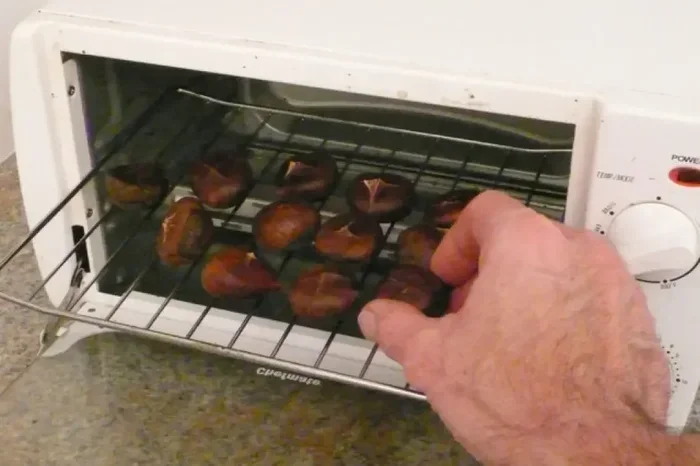
- Place the tray in the toaster oven set to 400°F.
- Bake for 12 to 15 minutes, then shake the pan to flip the nuts.
- Continue baking for another 5 to 10 minutes until the shells curl back.
- Remove from the oven and wrap the nuts in a clean, damp towel for 5 minutes.
- Peel while warm and enjoy your warm, sweet chestnut snack.
Checking for Doneness
Knowing when baked chestnuts are done is a skill you develop quickly. Look for these signs:
- The shells have pulled back from the nut, revealing the golden-brown flesh.
- The kitchen smells rich and nutty, almost like caramel.
- The nuts feel firm but yield slightly when pressed through the shell.
- A small slit in the shell shows the nut has expanded and cooked through.
Undercooked chestnuts taste starchy and bland. Overcooked ones become dry and hard. The sweet spot is when the nuts are tender, creamy, and sweet inside. If you are unsure, pull a few out and test them. You can always put the rest back in for a few more minutes.
Tips for Perfectly Roasted Chestnuts Every Time
Common Mistakes to Avoid
Even experienced cooks make mistakes when roasting chestnuts. Here are the most common ones and how to avoid them:
- Skipping the scoring step: Chestnuts can burst in the oven without a slit, creating a mess and uneven cooking.
- Overcrowding the pan: Too many nuts stacked together steam instead of roast. Spread them in a single layer for even toasting chestnuts.
- Forgetting to soak: Soaking is a small step that makes a big difference in texture and ease of peeling.
- Baking too long: Set a timer and check early. Burnt chestnuts taste bitter and cannot be saved.
- Peeling too late: The towel-steaming step works best when the nuts are still warm. Waiting too long makes the skin stick tight.
Expert Tips for Better Results
Want to take your chestnut recipes to the next level? Try these pro tips:
- Use parchment paper: It prevents sticking and makes cleanup a breeze.
- Add a light coating of oil: A tiny drizzle of olive oil enhances the chestnut flavor and promotes even browning.
- Sprinkle with sea salt after baking: A pinch of salt brings out the natural sweetness of the nuts.
- Make a batch with honey and cinnamon: Toss warm, peeled chestnuts with a little honey and cinnamon for a delicious dessert chestnut snack.
- Experiment with savory seasonings: Rosemary, garlic, and a touch of chili flakes create an amazing savory chestnut oven hack.
What to Do with Baked Chestnuts
Quick Recipe Ideas
Baked chestnuts are incredibly versatile. Here are some easy ways to enjoy them beyond eating them straight from the shell:
- Chestnut soup: Blend peeled chestnuts with broth, cream, and a touch of nutmeg for a rich winter soup.
- Chestnut stuffing: Chop baked chestnuts and mix them into your Thanksgiving stuffing recipe.
- Chestnut butter: Blend roasted chestnuts with a little oil and salt to make a creamy spread similar to almond butter.
- Pasta topping: Toss chopped chestnuts with pasta, sage, butter, and Parmesan for a simple gourmet dish.
- Trail mix: Combine chestnuts with dried cranberries, almonds, and dark chocolate chips for a festive snack mix.
Storage Tips
Proper storage keeps your oven-baked chestnuts fresh longer:
- In the fridge: Store peeled chestnuts in an airtight container for up to 5 days.
- In the freezer: Freeze them in a sealed bag for up to 3 months. Thaw overnight in the fridge before using.
- In the shell: Unpeeled, baked chestnuts last about 2 days at room temperature in a sealed container.
Reheating is simple. Warm the chestnuts in the toaster oven at 300°F for 5 to 8 minutes. This restores their crispy texture and warm flavor perfectly.
Comparison: Toaster Oven vs. Regular Oven for Baking Chestnuts
Not sure whether to use a toaster oven or a full-size oven? Here is a quick comparison to help you decide:
| Factor | Toaster Oven | Regular Oven |
|---|---|---|
| Preheat Time | 3-5 minutes | 10-15 minutes |
| Batch Size | 1-2 cups | 3-5 cups |
| Energy Use | Low | High |
| Even Heat | Good (small area) | Excellent (large area) |
| Best For | Quick snacks, small batches | Holiday meals, large gatherings |
| Cleanup | Easy | Moderate |
For most home cooks, the toaster oven is the clear winner for everyday baking chestnuts. It is faster, uses less energy, and produces equally delicious results. Save the full-size oven for when you are baking a large quantity for a holiday gathering.
Final Thoughts on Baking Chestnuts in a Toaster Oven
Mastering how long to bake chestnuts in toaster oven is easier than you think. With the right temperature, proper prep, and a watchful eye, you can enjoy perfectly roasted chestnuts in under 25 minutes. The process is simple, rewarding, and fills your home with an irresistible aroma.
Remember the key steps: score the shells, soak for 10 minutes, bake at 400°F for 15 to 25 minutes, and steam them in a towel before peeling. Follow these guidelines and your chestnut recipes will turn out beautifully every time.
Now that you have all the knowledge, grab a bag of fresh chestnuts and fire up your toaster oven. Whether you are snacking on a chilly evening or adding them to your favorite dish, oven-baked chestnuts are a delightful treat worth making at home. Enjoy every warm, sweet bite.
Frequently Asked Questions
Can I bake chestnuts without scoring them?
You can, but it is not recommended. Without a slit, steam builds up inside the shell and the chestnuts can burst open messily. Scoring also makes peeling much easier and ensures the nut cooks evenly throughout.
How do I know if my chestnuts are fresh enough to bake?
Fresh chestnuts feel heavy for their size and have a firm shell. Shake them gently, and if you hear rattling, the nut inside has dried out. Fresh sweet chestnuts should also smell mildly sweet and nutty, never sour or bitter.
Can I use a microwave instead of a toaster oven?
Yes, you can microwave chestnuts, but the texture will be different. Microwave for 2 to 3 minutes in a covered bowl with a tablespoon of water. The results are softer and less caramelized compared to toaster oven-baked chestnuts.
What is the best way to peel baked chestnuts?
The easiest method is to wrap the warm chestnuts in a damp kitchen towel for 5 minutes. The trapped steam loosens the shell and the thin brown skin underneath, making peeling a quick and painless process.
Can I reuse leftover baked chestnuts?
Absolutely. Reheat peeled or unpeeled chestnuts in the toaster oven at 300°F for 5 to 8 minutes. You can also chop them and toss them into soups, salads, or grain bowls for added flavor and nutrition.
Why do my chestnuts taste bitter after baking?
Bitter-tasting chestnuts are usually a sign of overcooking or using old, spoiled nuts. Always check your chestnuts before baking, and set a timer to avoid leaving them in the toaster oven too long. Fresh, properly stored chestnuts taste sweet and nutty when baked correctly.
=== CONCLUSION ===
Baking chestnuts in a toaster oven is one of the simplest and most satisfying kitchen skills you can learn. The how long to bake chestnuts in toaster oven answer comes down to about 15 to 25 minutes at 400°F, with a few prep steps that make all the difference. Score the shells, soak the nuts, and keep an eye on the timer for the best results.
Once you try oven-baked chestnuts at home, you will wonder why you ever bought them pre-packaged. The flavor is richer, the texture is creamier, and the whole experience is deeply rewarding. Whether you enjoy them as a warm chestnut snack, fold them into chestnut recipes, or blend them into chestnut butter, the possibilities are endless.
Start with a small batch, follow the timing guide, and adjust as you get comfortable. Soon, how long to bake chestnuts in toaster oven will be second nature to you. Happy baking!