How To Cook Salmon On Plank In Oven For Perfect Results
Cooking salmon on a plank in the oven is one of the easiest and most flavorful ways to prepare this healthy fish. The cedar plank infuses the salmon with a subtle smoky, woody flavor that a baking sheet simply cannot match. In this guide, you will learn the exact steps, temperatures, and timing for perfect plank-cooked salmon every single time. Whether you are a beginner or a seasoned home cook, this method will transform your oven baked salmon game.
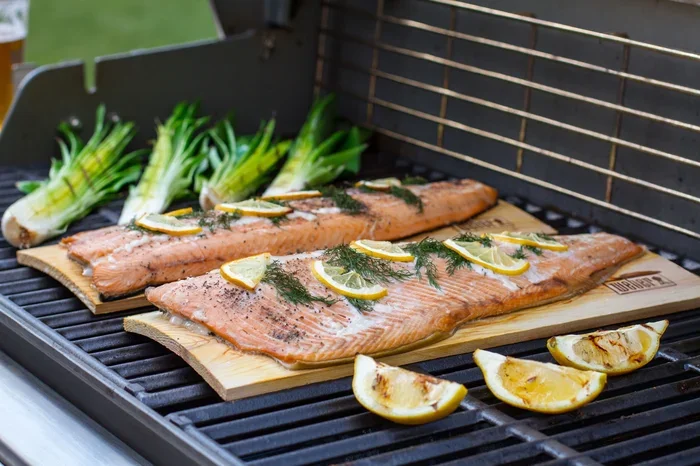
There is something magical about how to cook salmon on plank in oven. The moment that wooden plank goes into the hot oven, your kitchen fills with a warm, smoky aroma that makes everyone stop what they are doing. Cedar plank salmon has been a favorite cooking method for decades, and for good reason. It is simple, forgiving, and produces restaurant-quality results with very little effort.
Unlike grilling, which requires constant attention and perfect weather, plank cooking in the oven gives you full control. You set the temperature, set a timer, and walk away. The plank does the rest. It steams the fish gently, locks in moisture, and adds a delicate wood-fired flavor that elevates even a basic salmon fillet into something extraordinary.
If you have never tried this method before, you are in for a treat. And if you have tried it but have not quite nailed it yet, this guide will fill in all the gaps. I will walk you through everything from choosing the right fish plank to the exact oven temperature, timing, and seasoning that will give you perfect plank salmon every time.
Key Takeaways
- Soak the plank for at least 1-2 hours: This prevents the wood from catching fire and adds moisture to the steam.
- Use a medium oven temperature (375-400°F): This ensures the salmon cooks evenly without drying out.
- Place the salmon skin-side down on the plank: This keeps the fish moist and makes serving easier.
- Check the internal temperature (145°F): A meat thermometer is the best way to know your salmon is done.
- Try different wood planks for unique flavors: Cedar, alder, and maple each bring something special to the table.
- Add a glaze in the last 10 minutes: This creates a beautiful caramelized finish on your plank salmon.
- Rest the salmon for 5 minutes before serving: This lets the juices redistribute for a juicier result.
📑 Table of Contents
- Why Cooking Salmon On A Plank In The Oven Works So Well
- What You Need To Get Started
- How To Prepare Your Salmon And Plank
- Step By Step: How To Cook Salmon On Plank In Oven
- Common Mistakes To Avoid When Cooking Salmon On A Plank
- Expert Tips For The Best Plank Salmon Every Time
- Quick Tips Summary
- Conclusion
Why Cooking Salmon On A Plank In The Oven Works So Well
The Science Behind Plank Cooking
Plank cooking is not just a trendy kitchen hack. It is rooted in real science. When a cedar plank goes into a hot oven, the wood begins to release aromatic oils. These oils mix with the steam created by the moisture in the plank and the fish. This steam envelops the salmon, cooking it gently and evenly from all sides.
The result is smoky salmon that is tender, juicy, and packed with flavor. The plank acts as a natural barrier between the direct heat and the fish. This prevents the delicate flesh from drying out or sticking to a pan. Wood plank cooking also slows down the cooking process slightly, which allows the inside of the salmon to stay perfectly moist while the outside develops a light golden crust.
Benefits Of Oven Plank Cooking
There are many reasons why oven baked salmon on a plank beats other methods. Here is why home cooks love it:
- Easy cleanup: The plank catches everything. No scrubbing stuck-on fish from a baking sheet.
- Even cooking: The steam from the plank creates a consistent cooking environment.
- Added flavor: You get a subtle smoky, woody taste that pairs beautifully with salmon.
- No special equipment needed: You just need a plank, an oven, and a few basic tools.
- Forgiving method: Salmon on a plank is hard to overcook because the steam protects the fish.
- Beautiful presentation: Serving salmon on a plank looks impressive and rustic at the same time.
What You Need To Get Started
Choosing The Right Cedar Plank
The first step in how to cook salmon on plank in oven is picking the right fish plank. Not all planks are created equal. Here is what to look for:
- Western Red Cedar: This is the most popular choice. It has a mild, sweet aroma that complements salmon perfectly.
- Alder Plank: Alder is slightly sweeter and lighter than cedar. It works great for plank cooking if you want a more subtle flavor.
- Maple Plank: Maple adds a richer, sweeter note. It pairs well with savory glazes and marinades.
- Cherry Plank: Cherry wood gives a slightly fruity, mild smoke flavor. It is beautiful for presentation too.
Make sure the plank is untreated and food-safe. Avoid planks that have been treated with chemicals or sealants. You want natural, food-grade wood for the best plank salmon results.
Essential Tools And Ingredients
Before you start salmon preparation, gather everything you need. Here is a simple checklist:
- One untreated cedar or wood plank (large enough to hold your salmon)
- A fresh salmon fillet or side (about 1 to 1.5 pounds)
- Olive oil or melted butter
- Salt and black pepper
- Garlic cloves, minced
- Fresh herbs like dill, thyme, or rosemary
- Lemon slices for garnish
- A meat thermometer (this is essential)
- Optional: a salmon glaze or honey-mustard sauce
You will also need a large bowl or sink for soaking the plank. Make sure your oven has enough space to fit the plank with a few inches of clearance on all sides.
Comparing Different Wood Plank Types
| Plank Type | Flavor Profile | Best Pairings | Burn Risk |
|---|---|---|---|
| Cedar | Mild, sweet, classic | Salmon, trout, chicken | Low when soaked |
| Alder | Light, slightly sweet | Delicate fish, shrimp | Very low |
| Maple | Rich, sweet, warm | Salmon with glazes, pork | Medium |
| Cherry | Fruity, mild smoke | Game meats, duck, salmon | Low to medium |
For beginners, cedar plank is the go-to choice. It is widely available, affordable, and produces consistently great results for oven roasted salmon.
How To Prepare Your Salmon And Plank
Soaking The Plank
This is the most important step many people skip. Before you do anything else, place your plank soaked in water. You need to submerge the entire plank for at least 1 to 2 hours. Some people soak it overnight, which is even better.
Why does this matter? A dry plank will catch fire in the hot oven. A soaked plank steams instead, creating that gentle, moist cooking environment that makes plank cooking so special. The water also slowly evaporates during cooking, which keeps the salmon moist from the inside out.
You can add extra flavor to the soaking water. Try using apple juice, beer, or broth instead of plain water. This infuses the plank with additional flavor as it steams in the oven.
Prepping The Salmon Fillet
While the plank is soaking, it is time to prepare the salmon. Here is how to do it right:
- Pat the salmon dry with paper towels. This helps the seasoning stick and creates a better sear.
- Check for bones and remove them with tweezers if needed.
- Place the salmon skin-side down on the plank. The skin acts as a natural barrier and keeps the flesh moist.
- Leave the skin on. It crisps up nicely and makes serving much easier.
If your salmon fillet is very thick, you can gently pound it to an even thickness. This ensures cooking time salmon is consistent throughout the piece.
Seasoning And Flavoring
Salmon preparation is where you can get creative. The base seasoning is simple: olive oil, salt, and pepper. But you can take it much further. Here are some ideas:
- Classic herb: Olive oil, minced garlic, fresh dill, salt, and pepper.
- Asian-inspired: Soy sauce, sesame oil, ginger, and a touch of honey.
- Citrus bright: Olive oil, lemon zest, fresh thyme, and cracked pepper.
- Sweet and savory: Brown sugar, paprika, garlic powder, and a drizzle of maple syrup.
Brush the seasoning mixture generously over the top and sides of the salmon. The plank will not absorb much seasoning directly, so the flavor comes from the fish itself. Be generous with your salmon glaze or seasoning because the plank will not mask any flavors.
Quick Tip: Let the seasoned salmon sit at room temperature for 15 to 20 minutes before it goes on the plank. This helps the fish cook more evenly and reduces the overall cooking time salmon needs in the oven.
Step By Step: How To Cook Salmon On Plank In Oven
Temperature And Timing Guide
The key to perfect oven baked salmon on a plank is getting the temperature right. Here is the standard approach:
- Oven temperature: 375°F to 400°F (190°C to 200°C).
- Cooking time: 15 to 20 minutes depending on thickness.
- Internal temperature: 145°F (63°C) at the thickest part.
375°F is the sweet spot for most plank salmon recipes. It is hot enough to cook the fish through and develop a light golden top, but not so hot that it dries out the delicate flesh. If you like your salmon more medium-rare, pull it at 125°F to 130°F internal temperature.
A 1-inch thick fillet typically takes about 15 minutes. A 1.5-inch fillet needs closer to 20 minutes. Always use a meat thermometer to check doneness. Visual cues alone are not reliable enough for plank cooking.
Placing The Plank In The Oven
Here is where the magic happens. Follow these steps for the best results:
- Preheat your oven to 375°F while the plank is still soaking.
- Place the soaked plank on a baking sheet. This makes it easy to transfer in and out of the oven.
- Put the seasoned salmon skin-side down on the plank.
- Slide the baking sheet onto the middle oven rack.
- Bake for 15 to 20 minutes until the salmon flakes easily with a fork.
- Check the internal temperature at the thickest point.
- Remove from oven and let the plank rest on the counter for 5 minutes.
Some people like to add a few tablespoons of water or white wine under the plank before baking. This creates extra steam and enhances the smoky salmon flavor. It is a small trick that makes a noticeable difference in the final result.
Common Mistakes To Avoid When Cooking Salmon On A Plank
Skipping The Soak
This is the number one mistake people make. A dry plank will smoke excessively and may even catch fire in the oven. Always soak your fish plank for at least 1 to 2 hours. It is a non-negotiable step in how to cook salmon on plank in oven.
Using Too High Heat
It is tempting to crank up the oven to speed things along. But high heat will burn the plank and dry out the salmon before the inside is cooked. Stick to 375°F to 400°F. Patience is the secret ingredient in plank cooking.
Overcrowding The Plank
Give the salmon room to breathe. If you place the fillet too close to the edges, it may burn. Leave at least an inch of space on all sides. If you are cooking multiple pieces, use a larger plank or cook in batches.
Not Using A Meat Thermometer
guessing whether the salmon is done leads to either undercooked or overcooked fish. A simple instant-read thermometer takes the guesswork out of plank salmon tips and ensures perfect results every time.
Expert Tips For The Best Plank Salmon Every Time
Adding A Glaze For Extra Flavor
One of the best plank salmon tips is to add a glaze during the last 10 minutes of cooking. A simple salmon glaze made from honey, soy sauce, and Dijon mustard caramelizes beautifully in the oven. Brush it on gently and return the plank to the oven for the final stretch.
The glaze adds a glossy, sweet-savory finish that complements the smoky wood flavor. You can also try a maple-bourbon glaze or a teriyaki glaze for different flavor profiles. Just make sure you add the glaze late so it does not burn.
Pairing With The Right Sides
Oven roasted salmon on a plank pairs wonderfully with many sides. Here are some ideas:
- Roasted asparagus or broccolini
- Garlic mashed potatoes
- Quinoa or rice pilaf
- Steamed green beans with lemon
- A fresh garden salad with vinaigrette
- Roasted root vegetables
The key is to keep the sides simple so they do not compete with the rich, smoky flavor of the cedar plank salmon.
Reusing Your Plank
A good quality cedar plank can be used multiple times. After cooking, let the plank cool completely, scrape off any residue, and store it in a dry place. Each subsequent use adds more flavor to the wood. However, replace the plank if it becomes cracked, warped, or starts to fall apart.
Expert Insight: Professional chefs often recommend buying planks specifically designed for cooking. These are thicker, more durable, and designed to withstand high oven temperatures without warping or burning. Look for planks that are at least 1 inch thick for the best wood plank cooking experience.
Quick Tips Summary
- Soak the plank for at least 1 to 2 hours before cooking.
- Use 375°F to 400°F as your oven temperature for oven roasted salmon.
- Check internal temperature at 145°F for fully cooked, safe salmon.
- Skin-side down on the plank keeps the fish moist and easy to serve.
- Add a glaze in the last 10 minutes for a beautiful caramelized finish.
- Let the plank and salmon rest for 5 minutes before slicing and serving.
- Experiment with wood types like alder, maple, or cherry for different flavor notes.
Conclusion
How to cook salmon on plank in oven is one of the simplest and most rewarding cooking techniques you can learn. It requires minimal equipment, very little prep time, and delivers outstanding results every single time. The gentle steam from the cedar plank keeps the salmon moist and tender, while the wood adds a subtle smoky flavor that takes this healthy fish to the next level.
Whether you are cooking for a weeknight family dinner or impressing guests at a weekend gathering, plank cooking never disappoints. The method is forgiving, the cleanup is easy, and the results are always impressive. Follow the steps in this guide, avoid the common mistakes, and you will be making perfect plank salmon like a pro in no time.
Start with a simple cedar plank salmon recipe, master the basics, and then experiment with different wood types, glazes, and seasonings. Once you try oven baked salmon on a plank, you will never go back to a regular baking sheet. The flavor difference is truly remarkable.
So grab a plank, pick up a fresh salmon fillet, and get cooking. Your kitchen is about to smell amazing, and your taste buds are in for a treat.
Frequently Asked Questions
Can I use any type of wood plank for cooking salmon in the oven?
Not all wood is safe for cooking. Stick to food-grade, untreated planks made from cedar, alder, maple, or cherry. Avoid planks that have been treated with chemicals, painted, or sealed. These can release harmful substances when heated and will ruin the flavor of your oven baked salmon.
How long should I soak the cedar plank before cooking?
Soak the plank for at least 1 to 2 hours in water. Some cooks soak it overnight for even better results. The soaking prevents the plank from catching fire and creates steam that keeps the salmon moist during plank cooking in the oven.
What is the best oven temperature for cooking salmon on a plank?
375°F to 400°F is the ideal range for how to cook salmon on plank in oven. This temperature cooks the fish evenly without burning the wood. It gives you a perfect balance of gentle steam from the plank and enough heat to develop a light golden finish on the salmon.
Can I reuse a cedar plank after cooking salmon?
Yes, you can reuse a quality cedar plank multiple times. After each use, let it cool completely, scrape off any food residue, and store it in a dry place. Each reuse adds more flavor to the wood. Replace the plank if it becomes cracked, warped, or starts to break apart.
Do I need to flip the salmon when cooking it on a plank in the oven?
No, you do not need to flip the salmon. Place it skin-side down on the plank and let the oven do all the work. The skin acts as a natural protective layer, and the steam from the plank cooks the fish evenly from above and below. This is one of the biggest advantages of plank cooking over other methods.
How do I know when the salmon on the plank is done?
Use a meat thermometer to check the internal temperature at the thickest part of the fillet. 145°F means the salmon is fully cooked and safe to eat. If you prefer a slightly more tender, medium-rare texture, pull it at 125°F to 130°F. The salmon should also flake easily with a fork when it is done.