What Is A Coke Oven Simply Explained For Any Beginner
A coke oven is a specialized industrial furnace that heats coal at very high temperatures without oxygen to create coke. This process, called carbonization, removes impurities and leaves behind a hard, carbon-rich fuel. Understanding how a coke oven works is essential for anyone interested in steelmaking, energy production, or industrial manufacturing.
A coke oven might sound like something from a chemistry textbook, but it is actually a fascinating piece of industrial equipment that shapes our modern world. If you have ever wondered how steel is made or what gives skyscrapers their strength, the answer starts with this incredible machine. Let us break it down in the simplest way possible.
At its core, a coke oven is a large, sealed chamber that burns coal at extreme temperatures. But here is the twist. It does not burn the coal completely. Instead, it heats the coal in the absence of air. This special process turns soft, raw coal into a hard, carbon-rich material called coke. Think of it as a supercharged transformation that makes coal far more useful for heavy industry.
Why should you care about this? Because coke fuel is one of the most important materials in steelmaking. Without it, we would not have the buildings, bridges, cars, or appliances that we rely on every single day. Whether you are a student, a curious hobbyist, or someone exploring career options in industrial manufacturing, understanding the coke oven gives you a window into how the world actually works behind the scenes.
Key Takeaways
- What it is: A coke oven is a high-temperature furnace that converts raw coal into coke through a process called carbonization.
- How it works: The oven heats coal to around 1000°C to 1100°C in a sealed environment, removing volatile compounds and leaving pure carbon behind.
- Primary use: Coke fuel is mainly used in blast furnaces to produce iron and steel, making it a cornerstone of modern manufacturing.
- Types available: There are several kinds including byproduct ovens, heat recovery ovens, and non-recovery ovens, each with unique benefits.
- Byproducts matter: The process creates valuable byproducts like coal tar, ammonia, and sulfur that support other industries.
- Environmental focus: Modern coke ovens are becoming cleaner, with advanced technology reducing emissions and improving energy efficiency.
- Beginner-friendly: This guide breaks down complex industrial processes into simple, easy-to-understand concepts for any reader.
📑 Table of Contents
- What Is A Coke Oven And Why Does It Matter?
- How Does A Coke Oven Work Step By Step
- The Different Types Of Coke Ovens
- What Is Coke Used For In Industry
- Environmental Impact And Modern Innovations
- Quick Tips For Understanding Coke Ovens
- Common Mistakes Beginners Make When Learning About Coke Ovens
- Expert Insights On The Future Of Coke Ovens
- Key Takeaways
What Is A Coke Oven And Why Does It Matter?
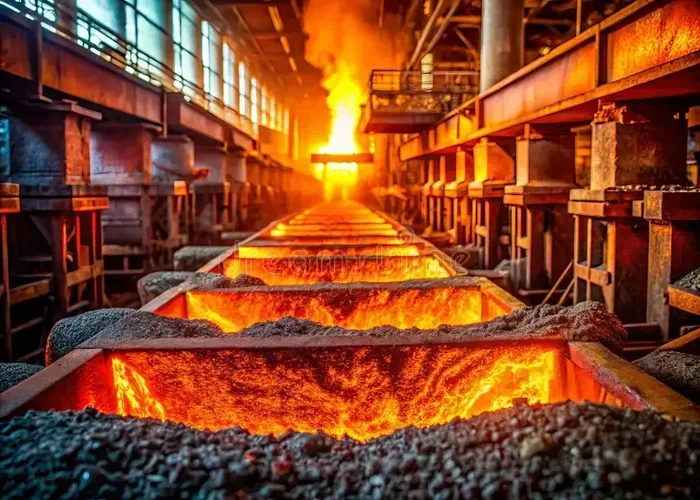
A coke oven is a large industrial furnace designed specifically for a process called coking. During coking, raw coal goes through a transformation that changes its physical and chemical properties. The result is a hard, porous material that burns hotter and cleaner than raw coal ever could.
The importance of this cannot be overstated. Steelmaking depends heavily on coke as a fuel and a reducing agent. In a blast furnace, coke helps strip oxygen from iron ore to produce molten iron. Without coke fuel, the entire steel production process would grind to a halt. It is not an exaggeration to say that coke ovens quietly power much of the global economy.
Here is a simple way to think about it. Raw coal is like a rough diamond. It has potential, but it needs to be refined. The coke oven is the refinery. It takes away the impurities and leaves behind something incredibly valuable. This is why the coking process has been a cornerstone of industrial development for over two centuries.
The Science Behind The Process
The coking process relies on a concept called thermal decomposition. When raw coal is heated to extreme temperatures, it breaks down into several components. The solid residue left behind is coke. The gases released during this process are collected and used as fuel or feedstock for other operations.
Typically, the temperature inside a coke oven reaches between 1000°C and 1100°C. At these temperatures, volatile matter in the coal evaporates. What remains is a dense, carbon-rich solid with very low moisture content. This pure carbon structure is what gives coke its incredible strength and heat output.
Why Coal Needs To Be Transformed
You might wonder why we cannot just burn raw coal directly in a furnace. The answer is simple. Raw coal contains too many impurities. It has moisture, sulfur, and volatile compounds that make it burn unevenly and produce a lot of smoke and pollution.
When raw coal is converted into metallurgical coke, it becomes a much more efficient and cleaner-burning fuel. The carbonization process removes most of these unwanted elements. The result is a fuel that burns at a consistent, extremely high temperature. This is exactly what blast furnaces need to melt iron ore effectively.
How Does A Coke Oven Work Step By Step
Understanding the step-by-step operation of a coke oven helps you appreciate the precision involved in coking coal processing. Each stage is carefully controlled to ensure the final product meets strict quality standards.
Step One: Loading The Raw Coal
The process begins with coking coal being loaded into the oven. This type of coal is specifically chosen because it has the right properties for carbonization. It is a type of thermal coal that has low ash content and good plasticity when heated.
Workers or automated systems push the coal into the sealed chamber. The oven is then closed tightly to prevent any air from entering. This is critical because oxygen would cause the coal to burn normally, which would defeat the entire purpose of the process.
Step Two: Heating And Carbonization
Once sealed, the oven is heated using hot gases or direct electric current, depending on the oven type. The temperature rises steadily over several hours. During this phase, the coal undergoes carbonization, which is the technical term for the transformation into coke.
The heat drives off volatile compounds like methane, hydrogen, and carbon monoxide. These gases are collected and can be used as fuel or processed into chemicals. Meanwhile, the remaining solid material slowly hardens into a porous, honeycomb-like structure. This structure is what gives coke fuel its excellent heat conductivity and strength.
Step Three: Quenching And Discharge
After the carbonization is complete, the red-hot coke needs to be cooled. This is done through a process called quenching. In some ovens, water is sprayed onto the hot coke to cool it rapidly. In others, inert air is used instead.
Once cooled, the solid coke is pushed out of the oven through a discharge mechanism. The raw coke then goes through screening to separate different sizes. The final product is ready to be transported to a blast furnace or other industrial facility. Each batch typically takes between 18 and 48 hours to complete, depending on the oven design.
Step Four: Collecting Valuable Byproducts
One of the most impressive aspects of the coke oven process is that it does not waste anything. The gases and liquids released during carbonization are captured and processed into useful byproducts. These include coal tar, ammonia, sulfur, and various hydrocarbons.
Coal tar, for example, is used in the production of dyes, medicines, and waterproofing materials. Ammonia is a key ingredient in fertilizers. This means that the coking process supports not just steelmaking but also agriculture, pharmaceuticals, and chemical manufacturing. It is a brilliant example of industrial efficiency.
The Different Types Of Coke Ovens
Not all coke ovens are the same. Over the years, engineers have developed several different designs, each with its own advantages and trade-offs. Understanding these types helps you appreciate the diversity of industrial furnace technology.
Byproduct Coke Ovens
Byproduct ovens are the most common type used in large-scale operations. They are designed to capture and process the gases released during carbonization. These ovens have multiple chambers arranged in a battery formation, and they operate at very high temperatures.
The main advantage of byproduct coke ovens is their ability to recover valuable chemicals from the coking gas. This makes them economically attractive and environmentally preferable. Most modern coking plants use this type of oven because it maximizes resource recovery.
Heat Recovery Coke Ovens
Heat recovery ovens take energy efficiency a step further. They capture waste heat from the coking process and reuse it to preheat incoming coal or generate steam. This reduces the overall energy consumption of the operation significantly.
These ovens are becoming increasingly popular as industries look for ways to reduce their carbon footprint. The heat recovery technology makes them a smart choice for companies committed to sustainable energy production and industrial manufacturing.
Non-Recovery Coke Ovens
Non-recovery ovens, also known as heat-only ovens, do not attempt to capture the gases produced during coking. Instead, the gases are burned off to provide heat for the process. While this design is simpler and cheaper to build, it is less environmentally friendly.
These ovens are typically found in smaller operations or in regions where environmental regulations are less strict. However, they are gradually being phased out in favor of more advanced designs that can capture and utilize the byproduct gases effectively.
Comparison Table Of Coke Oven Types
| Feature | Byproduct Oven | Heat Recovery Oven | Non-Recovery Oven |
|---|---|---|---|
| Gas Recovery | Yes | Partial | No |
| Energy Efficiency | Moderate | High | Low |
| Byproduct Output | Rich in chemicals | Moderate | Minimal |
| Environmental Impact | Lower emissions | Lowest emissions | Higher emissions |
| Initial Cost | High | Very High | Low |
| Common Usage | Large steel plants | Modern facilities | Small operations |
What Is Coke Used For In Industry
Now that you understand how a coke oven works, let us talk about what the finished product is used for. Coke fuel has several critical applications across multiple industries, and its importance cannot be overstated.
Steel Production
The single largest use of metallurgical coke is in steelmaking. In a blast furnace, coke serves three essential functions. It acts as a fuel to generate the extreme heat needed to melt iron ore. It acts as a reducing agent to remove oxygen from the iron. And it acts as a structural support that allows gases to flow through the burden of materials.
Without coke fuel, the blast furnace simply cannot operate. This is why coking coal is such a strategically important commodity. Countries with abundant coking coal reserves have a significant advantage in steel production and manufacturing.
Foundry Operations
Foundries use coke fuel to melt metals other than iron. In cupola furnaces, coke provides the heat needed to melt cast iron, bronze, and other alloys. The porous structure of coke allows air to flow through evenly, creating a consistent and efficient melting process.
Many small foundries prefer coke over other fuels because it is relatively affordable and produces a steady, controllable heat. This makes it ideal for producing metal castings used in automotive parts, machinery, and construction equipment.
Calcination Of Limestone
In the cement industry, coke fuel is used to heat limestone in a process called calcination. The high temperature causes the limestone to decompose into calcium oxide, which is the primary ingredient in clinker and cement.
The intense heat generated by burning coke makes this energy-intensive process more efficient. Cement plants that use coke fuel can achieve higher throughput and better quality control compared to those using raw coal or other fuels.
Water Treatment And Carbon Filtration
Believe it or not, coke also plays a role in water treatment. Activated carbon made from coke is used in filtration systems to remove impurities, contaminants, and odors from water. This is a secondary but important use of the material produced by a coke oven.
The carbonization process creates a material with an incredibly high surface area, which makes it excellent for adsorption. This is just one example of how the coking process creates value beyond steelmaking.
Environmental Impact And Modern Innovations
Like any heavy industrial process, coke production has environmental implications. However, the industry has made significant strides in reducing its impact over the past few decades. Let us explore both the challenges and the solutions.
The Environmental Challenges
The traditional coking process releases several pollutants. These include sulfur dioxide, nitrogen oxides, particulate matter, and greenhouse gases. The coal tar and other byproducts, if not properly managed, can also pose environmental risks.
Additionally, coking coal mining itself has ecological impacts. Strip mining and underground extraction can disrupt ecosystems and consume large amounts of water. These are real concerns that the industry must address as it moves forward.
Modern Solutions And Innovations
The good news is that modern coke ovens are far cleaner than their predecessors. Advanced heat recovery systems capture waste heat and convert it into usable energy. Scrubbers and filters remove harmful particulates and gases before they reach the atmosphere.
Some cutting-edge facilities are experimenting with carbon capture technology. This involves capturing carbon dioxide emissions and storing them underground or using them in other industrial processes. While still in the early stages, these innovations hold great promise for the future of industrial furnace technology.
The Push Toward Sustainability
Many steel manufacturers are now exploring hydrogen-based alternatives to traditional coke fuel. These technologies aim to replace coke with hydrogen as the reducing agent in blast furnaces. If successful, this could dramatically reduce the carbon footprint of steel production.
Until then, coke ovens will continue to play a vital role in the global economy. The industry is working hard to balance the need for affordable steel with the urgent need to protect our planet. This is a challenge that requires innovation, investment, and collaboration across the entire supply chain.
Quick Tips For Understanding Coke Ovens
If you are new to the topic, here are some quick tips to help you grasp the concepts faster.
- Start with the basics: Understand that a coke oven is simply a heated chamber that transforms coal into a better fuel.
- Remember the temperature: The process happens at around 1000°C to 1100°C, which is incredibly hot.
- Think about byproducts: The gases and liquids produced are just as valuable as the coke itself.
- Connect it to everyday life: The steel in your car, the appliances in your kitchen, and the buildings around you all depend on coke fuel.
- Stay curious: The industrial manufacturing sector is full of fascinating processes. Keep exploring and asking questions.
Common Mistakes Beginners Make When Learning About Coke Ovens
When you are starting out, it is easy to confuse a few things. Here are some common pitfalls to avoid.
- Confusing coke with coal: Coke and coal are not the same thing. Coal is the raw material. Coke is the refined product that comes out of the coke oven.
- Ignoring the byproducts: Many beginners focus only on the coke and forget that the gases and liquids produced are equally valuable.
- Overlooking the temperature: The coking process requires extremely high temperatures. If you do not understand this, the entire process will not make sense.
- Assuming all ovens are the same: There are significant differences between byproduct, heat recovery, and non-recovery ovens. Each has unique advantages.
- Underestimating the environmental impact: While modern ovens are much cleaner, coke production still has an ecological footprint that must be considered.
Expert Insights On The Future Of Coke Ovens
Industry experts agree that the future of coke ovens lies in efficiency and sustainability. According to leading researchers in metallurgical coke production, the next generation of ovens will integrate artificial intelligence to optimize temperature control and gas recovery.
These smart industrial furnaces will be able to adjust their operations in real time based on the quality of the incoming coking coal and the desired properties of the final coke. This level of precision will reduce waste and improve the consistency of the final product.
Furthermore, experts predict that hybrid systems combining traditional carbonization with renewable energy sources will become more common. Imagine a coke oven powered partially by solar or wind energy. This is not science fiction. It is happening right now in pilot projects around the world.
The steel industry is at a crossroads. It must continue to produce the materials that modern civilization depends on while also addressing the urgent challenge of climate change. The evolution of the coke oven will be at the heart of this transformation.
Key Takeaways
- A coke oven transforms raw coal into high-quality coke through a carefully controlled heating process called carbonization.
- The process occurs at temperatures between 1000°C and 1100°C in a sealed environment without oxygen.
- Coke fuel is essential for steelmaking because it burns hotter and cleaner than raw coal.
- Byproduct recovery makes the process economically viable and environmentally responsible.
- Modern innovations are making coke ovens cleaner, more efficient, and more sustainable than ever before.
- Understanding this process gives you valuable insight into how the materials that shape our world are actually produced.
Frequently Asked Questions
What exactly is a coke oven used for?
A coke oven is used to heat raw coal at very high temperatures without oxygen. This process, called carbonization, converts the coal into a hard, carbon-rich material called coke. The coke is then used primarily in steelmaking and other heavy industrial processes.
Is a coke oven the same as a regular oven?
No, a coke oven is very different from a kitchen oven or any household appliance. It is a massive industrial furnace designed to operate at extreme temperatures, often exceeding 1000°C. The purpose, size, and complexity are completely different from any oven you would find in a home.
Can you explain the coking process in simple terms?
Sure. The coking process involves heating raw coal in a sealed chamber until it breaks down into solid coke and gaseous byproducts. The heat removes moisture, sulfur, and volatile compounds, leaving behind a pure, carbon-rich fuel that burns extremely hot and efficiently.
What kind of coal is used in a coke oven?
Specialized coking coal, also known as metallurgical coal, is used in a coke oven. This type of coal has specific properties like low ash content and good plasticity that make it ideal for producing high-quality metallurgical coke. Regular thermal coal is not suitable for this process.
Are coke ovens bad for the environment?
Traditional coke ovens do have environmental impacts, including air pollution and greenhouse gas emissions. However, modern facilities use advanced technology to reduce these effects significantly. Innovations like heat recovery systems and gas capture are making the process much cleaner and more sustainable.
What are the main byproducts of a coke oven?
The coking process produces several valuable byproducts including coal tar, ammonia, sulfur, and various hydrocarbon gases. These materials are collected and processed for use in the chemical industry, agriculture, and other manufacturing sectors. Nothing from the coke oven goes to waste.
=== CONCLUSION ===
A coke oven is far more than just a heated chamber. It is a marvel of industrial engineering that transforms a common natural resource into the fuel that powers modern civilization. From the steel in our buildings to the metals in our vehicles, the impact of the coking process touches virtually every aspect of our daily lives.
Understanding how a coke oven works gives you a deeper appreciation for the complex systems that support our world. The process of converting raw coking coal into pure, high-energy coke fuel is a perfect example of human ingenuity applied to practical challenges.
As the industry continues to evolve, we can expect even more efficient and environmentally friendly coke oven designs to emerge. The future of steelmaking depends on innovation, and the coke oven will remain at the center of that transformation for years to come.
Now that you have a solid understanding of this topic, you can impress your friends, ace that exam, or simply satisfy your curiosity about how the world works. The next time you see a skyscraper or drive over a bridge, remember the incredible journey that coke fuel took to make it all possible.