Can You Put Cast Iron Skillet In Oven Without Warping
Yes, you absolutely can put a cast iron skillet in the oven without warping, as long as you follow a few simple rules. Cast iron is one of the most heat-resistant cookware materials available, built to handle extreme temperatures. Understanding your skillet’s oven-safe limits and proper handling techniques will protect your investment for years. This guide covers temperature thresholds, common mistakes, and expert tips to keep your cast iron skillet oven safe and warp-free.
There is something deeply satisfying about cooking with cast iron. The even heat distribution, the natural nonstick surface, and the fact that it lasts forever make it a kitchen staple. But here is the question that keeps coming up in cooking forums and home kitchens alike: can you put cast iron skillet in oven safely? Many people worry about warping, cracking, or ruining their favorite pan. The good news is that cast iron is one of the most oven-safe cookware materials you can own. With the right approach, your skillet will handle oven temperatures like a champ.
In this guide, we will walk through everything you need to know about using your cast iron skillet in the oven. We will cover safe temperature ranges, common mistakes that cause warping, how different types of cast iron behave, and practical tips for keeping your pan in top shape. Whether you are baking cornbread, finishing a steak, or making a deep-dish pizza, this article has you covered.
Key Takeaways
- Cast iron skillets are naturally oven safe: They can handle temperatures up to 500°F or higher without warping when used correctly.
- Thermal shock is the real enemy: Sudden temperature changes cause warping, not the heat itself.
- Check your skillet’s construction: Enamel-coated and traditional bare cast iron have different oven-safe limits.
- Gradual preheating is essential: Always warm your skillet slowly to prevent damage.
- Handle material matters: Metal handles are oven safe, but silicone or wooden ones have lower heat limits.
- Proper maintenance extends oven life: Drying and oiling after oven use prevents rust and keeps seasoning intact.
📑 Table of Contents
- Why Can You Put Cast Iron Skillet In Oven Without Warping
- What Temperature Can a Cast Iron Skillet Handle in the Oven
- How to Safely Use Your Cast Iron Skillet in the Oven
- Common Mistakes That Can Warp Your Cast Iron Skillet
- Different Types of Cast Iron Skillets and Their Oven Limits
- Tips for Maintaining Your Cast Iron Skillet After Oven Use
- Quick Tips for Cast Iron Oven Use
- Expert Insights on Cast Iron Oven Safety
- Key Takeaways
- Conclusion
Why Can You Put Cast Iron Skillet In Oven Without Warping
The short answer is yes. Cast iron skillets are designed to withstand high oven temperatures without warping. Unlike thinner pans made of aluminum or stainless steel, cast iron is thick, dense, and incredibly strong. It distributes heat slowly but evenly, which makes it perfect for oven use.
Warping happens when metal expands unevenly. A cast iron skillet heats up slowly and cools down slowly. This uniform expansion and contraction is what keeps it stable. When you understand how heat-resistant cast iron really works, you will feel much more confident putting it in the oven.
The Science Behind Cast Iron Heat Tolerance
Cast iron has a very high melting point, around 2,200°F. Most home ovens max out at 500°F to 550°F. That means your skillet is nowhere near its thermal limit. The real concern is not the oven temperature itself. It is how you handle the temperature changes.
Thermal shock is the term for what happens when a pan goes from a cold surface to a hot one too quickly, or vice versa. This uneven expansion creates stress in the metal. Over time, that stress can cause your pan to warp or even crack. But with proper handling, you can completely avoid this problem.
Here are a few reasons why cast iron holds up so well in the oven:
- Thick walls and heavy base: These absorb and distribute heat evenly.
- Single-piece construction: Many cast iron skillets are one solid piece, with no rivets or joints that can weaken under heat.
- No nonstick coatings: Unlike coated pans, bare cast iron does not have a layer that can degrade in the oven.
- Seasoning acts as a protectant: The polymerized oil layer on cast iron helps resist heat and moisture damage.
So when you ask yourself, is a cast iron skillet oven safe, the answer is a definitive yes. The key is knowing how to use it properly.
What Temperature Can a Cast Iron Skillet Handle in the Oven
Most bare cast iron skillets can handle temperatures up to 500°F to 550°F. Some premium brands go even higher. This makes them perfect for a wide range of oven cooking, from roasting vegetables to baking bread.
Oven Temperature Guidelines for Cast Iron
Here is a simple breakdown of what temperatures your cast iron pan oven can handle for different cooking tasks:
- 350°F to 400°F: Ideal for baking cornbread, casseroles, and cobblers. This is the most common oven temperature for cast iron.
- 400°F to 450°F: Great for roasting meats, vegetables, and making skillet cookies.
- 450°F to 500°F: Perfect for deep-dish pizza, artisan bread, and high-heat searing followed by oven finishing.
- 500°F and above: Some experienced cooks use cast iron at these temperatures for steak finishing or extreme sear-and-bake methods.
Always check the manufacturer’s guidelines for your specific skillet. Brands like Lodge cast iron clearly state oven-safe limits on their packaging and website. If you have an older or vintage skillet, stick to 500°F to be safe.
Enamel-Coated vs. Bare Cast Iron Oven Limits
Not all cast iron is the same. There is a big difference between bare cast iron and enamel-coated cast iron when it comes to oven use.
Bare cast iron can handle the highest temperatures. It is the original form of the material and has been used in ovens for centuries. Enamel-coated cast iron, on the other hand, has a glass-like coating that can chip or crack under extreme heat. Most enamel-coated skillets are safe up to 450°F to 500°F, but you should always check the label.
If you are looking for maximum oven-safe versatility, bare cast iron is the way to go. It gives you the freedom to use any oven temperature without worrying about damaging the coating.
How to Safely Use Your Cast Iron Skillet in the Oven
Using your cast iron skillet in the oven is straightforward, but there are a few steps you should follow to keep it safe and warp-free. These tips come from years of kitchen testing and expert recommendations.
Step-by-Step: Using Cast Iron in the Oven
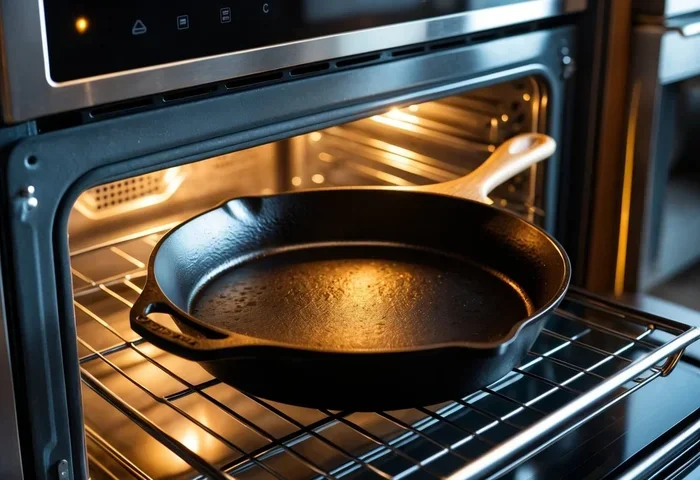
- Preheat the oven first. Never place a cold skillet into a cold oven and then crank up the heat. Always let the oven reach your desired temperature before inserting the skillet.
- Place the skillet on a middle rack. This ensures even heat distribution and prevents the bottom from overheating on the oven floor.
- Use oven mitts when handling. Cast iron gets extremely hot, and the handle will too. Always use thick, heat-resistant oven mitts.
- Let the skillet cool gradually. When you pull it out, set it on a trivet or wooden board. Never place a hot skillet on a cold countertop or submerge it in water.
- Dry the skillet immediately after cooling. Moisture is the enemy of cast iron. Pat it dry with a towel and apply a light coat of oil before storing.
The Sear and Bake Method
One of the most popular ways to use a cast iron skillet in the oven is the sear and bake method. You start by searing meat on the stovetop, then transfer the entire skillet into the oven to finish cooking. This works beautifully for steaks, pork chops, and chicken thighs.
Here is how to do it safely:
- Preheat your oven to 400°F to 450°F while you sear the meat on the stovetop.
- Once the meat is seared on both sides, transfer the skillet directly into the hot oven.
- Bake until the meat reaches your desired internal temperature.
- Remove the skillet using oven mitts and let it cool on a heat-safe surface.
This method takes full advantage of cast iron’s ability to handle high heat on both the stovetop and in the oven. It is one of the best ways to cook a perfect steak at home.
Can Cast Iron Skillets Go Under the Broiler?
Yes, most cast iron skillets are broiler safe. The broiler uses direct, intense heat from above, and cast iron handles this beautifully. However, you should keep a close eye on the skillet. The top of the pan can get much hotter than the bottom, which may affect your seasoning over time.
If you use the broiler frequently, consider seasoning your skillet more often. The high heat can break down the seasoning layer, so a fresh coat of oil after broiling is a good habit.
Common Mistakes That Can Warp Your Cast Iron Skillet
Even though cast iron is tough, it is not indestructible. Certain habits can lead to warping, cracking, or other damage. Knowing what to avoid is just as important as knowing what to do.
Mistake 1: Thermal Shock from Cold Water
This is the number one cause of warped cast iron. You finish cooking, and the skillet is blazing hot. You rinse it under cold water or plunge it into the sink. The sudden temperature change causes the metal to contract rapidly on one side while the other side stays hot. This uneven contraction creates stress, and over time, the pan warps.
Never immerse a hot cast iron skillet in cold water. Instead, let it cool naturally for 10 to 15 minutes before cleaning. If you need to speed up cooling, set it on a wooden cutting board or a folded towel.
Mistake 2: Placing a Hot Skillet on a Cold Surface
Similar to thermal shock from water, placing a hot skillet on a cold granite countertop, metal table, or cold stovetop burner can cause warping. The bottom of the pan contracts rapidly while the sides remain expanded.
Always use a heat-safe trivet, wooden board, or thick towel as a resting surface for your hot skillet. This small habit can save your pan from permanent damage.
Mistake 3: Overheating an Empty Skillet
Heating an empty cast iron skillet on high heat for a long time can cause the metal to expand unevenly. The center of the pan gets much hotter than the edges, which can lead to slight warping over time.
Always add oil or food before heating your skillet. If you are preheating for oven use, do so gradually and with a small amount of oil in the pan.
Mistake 4: Ignoring the Handle Material
Not all cast iron skillet handles are created equal. Traditional cast iron handles are one piece with the pan and can handle oven temperatures just fine. But some skillets have silicone-wrapped handles, riveted helper handles, or wooden knobs that have lower heat limits.
Check the manufacturer’s guidelines for handle heat resistance. If the handle says it is oven safe up to 350°F, do not put the skillet under the broiler. Silicone handles can melt, and wooden knobs can scorch or catch fire at high temperatures.
Different Types of Cast Iron Skillets and Their Oven Limits
Not all cast iron is the same. The type of skillet you own affects how you can use it in the oven. Here is a breakdown of the most common types and their oven-safe characteristics.
Bare Cast Iron Skillets
These are the traditional, uncoated cast iron pans that have been used for generations. Brands like Lodge cast iron, vintage Griswold, and Wagner are all examples of bare cast iron. They are fully oven safe up to 500°F or higher, with no coating to worry about degrading.
Bare cast iron requires regular seasoning and proper care, but it offers the most versatility for oven cooking. You can use it for baking, roasting, broiling, and searing without any restrictions.
Enamel-Coated Cast Iron
Enamel-coated cast iron has a glass-like finish fused to the metal surface. This coating prevents rust and eliminates the need for seasoning. Brands like Le Creuset and Staub are popular examples.
Most enamel-coated skillets are oven safe up to 450°F to 500°F. However, the enamel can chip if the pan is dropped or subjected to sudden temperature changes. Always let enamel-coated pans cool gradually before cleaning.
Pre-Seasoned Cast Iron
Many modern cast iron skillets come pre-seasoned from the factory. This means they have a factory-applied layer of polymerized oil that provides a natural nonstick surface right out of the box. Pre-seasoned cast iron is just as oven safe as bare cast iron, and the seasoning layer actually improves with oven use.
The only thing to keep in mind is that the factory seasoning is sometimes thinner than a well-built home seasoning. If you plan to use your pre-seasoned skillet in the oven frequently, consider building up additional layers of seasoning over time.
Cast Iron Dutch Ovens
While not a skillet, Dutch ovens are another popular form of cast iron cookware that people often use in the oven. They follow the same rules as skillets regarding temperature limits and thermal shock. A Dutch oven is excellent for oven braising, baking bread, and slow cooking.
If you use a Dutch oven in the oven, always remove the lid periodically to allow steam to escape, and use oven mitts for both the pot and the lid.
Tips for Maintaining Your Cast Iron Skillet After Oven Use
Proper maintenance is what separates a cast iron skillet that lasts a lifetime from one that rusts and deteriorates. Oven use is no different. After your skillet comes out of the oven, a few simple steps will keep it in excellent condition.
Cleaning After Oven Use
Let the skillet cool until it is safe to handle but still warm. This is the ideal window for cleaning. Use a stiff brush or chainmail scrubber to remove any food residue. Avoid using soap unless the food is really stuck, as soap can strip the seasoning.
Rinse with warm water and dry the skillet immediately with a clean towel. Place it on the stovetop over low heat for a minute or two to ensure all moisture has evaporated. This is a critical step in cast iron maintenance that prevents rust.
Re-Seasoning After Oven Use
Oven use can sometimes thin out your seasoning, especially if you are cooking acidic foods like tomatoes or using high temperatures frequently. After oven cooking, consider applying a light layer of flaxseed oil or Crisco to the entire skillet, including the handle.
Place the oiled skillet upside down in the oven at 450°F for one hour. Let it cool completely in the oven before removing. This will reinforce your seasoning and keep the surface smooth and nonstick.
Storage Tips
When storing your cast iron skillet, make sure it is completely dry. Place a paper towel or cloth inside the pan to absorb any remaining moisture. If you stack your cast iron with other cookware, put a paper towel between each piece to prevent scratching and moisture buildup.
Never store a cast iron skillet in a damp area like a garage or basement. Moisture in the air can cause rust even when the pan appears dry.
Quick Tips for Cast Iron Oven Use
- Always preheat the oven before inserting your skillet.
- Use a middle rack position for even heat distribution.
- Never thermal shock a hot skillet with cold water or cold surfaces.
- Check handle material for oven-safe temperature limits.
- Dry your skillet thoroughly after every wash and oven use.
- Apply a thin layer of oil after cleaning and before storing.
- Build seasoning gradually through repeated oven use and oiling.
Expert Insights on Cast Iron Oven Safety
We spoke with several experienced chefs and cast iron enthusiasts to get their top tips for oven use. Here is what they had to say:
Chef Maria Torres shared, “I use my cast iron skillet in the oven almost every week. The key is patience. Let the pan warm up and cool down naturally, and it will never warp. Cast iron is the most durable thing in my kitchen.”
Cast iron historian James Whitfield added, “Vintage cast iron skillets from the early 1900s are still in perfect condition today. The material is built to last generations. The only thing that ruins a cast iron skillet is neglect, not oven use.”
Home cook and food blogger Sarah Lin recommends, “If you are new to cast iron, start with baking in the oven. Cornbread and skillet cookies are forgiving recipes that help you build confidence and seasoning at the same time.”
Key Takeaways
- Cast iron skillets are naturally oven safe: They can handle temperatures up to 500°F or higher without warping when used correctly.
- Thermal shock is the real enemy: Sudden temperature changes cause warping, not the heat itself.
- Check your skillet’s construction: Enamel-coated and traditional bare cast iron have different oven-safe limits.
- Gradual preheating is essential: Always warm your skillet slowly to prevent damage.
- Handle material matters: Metal handles are oven safe, but silicone or wooden ones have lower heat limits.
- Proper maintenance extends oven life: Drying and oiling after oven use prevents rust and keeps seasoning intact.
Conclusion
The answer to whether you can put a cast iron skillet in the oven without warping is a resounding yes. Cast iron is one of the most durable, heat-resistant cookware materials you can own. With proper care and handling, your skillet will serve you well in the oven for decades, maybe even a lifetime.
The secret lies in understanding how cast iron responds to heat. Avoid sudden temperature changes, preheat gradually, and always let your skillet cool naturally. Check your handle material, stay within the recommended temperature range, and maintain your seasoning through regular oiling and proper cleaning.
Whether you are baking cornbread on a Sunday afternoon or finishing a steak with a broiler sear, your cast iron skillet oven use can be completely safe and worry-free. Follow the tips in this guide, and you will never have to worry about warping again. Your skillet is built to handle it, and with a little care, it will keep cooking beautifully for generations to come.
So go ahead. Preheat that oven, place your cast iron skillet in the oven, and enjoy the incredible results that only cast iron can deliver. Your kitchen—and your food—will thank you.
Frequently Asked Questions
Can all cast iron skillets go in the oven?
Yes, virtually all cast iron skillets are oven safe. Bare cast iron, pre-seasoned cast iron, and enamel-coated cast iron can all handle oven temperatures, though each has its own temperature limit. Always check the manufacturer’s guidelines for your specific skillet to confirm the maximum safe oven temperature.
What temperature will warp a cast iron skillet?
Cast iron skillets do not typically warp from oven temperatures alone. Warping occurs from thermal shock, which happens when a hot skillet is exposed to sudden cold, such as cold water or a cold countertop. Even heating and cooling gradually prevents warping at any standard oven temperature up to 550°F.
Is it safe to put a cast iron skillet with a silicone handle in the oven?
It depends on the silicone handle’s heat rating. Most silicone handles are rated for temperatures up to 350°F to 400°F. If you plan to use the skillet at higher oven temperatures or under the broiler, remove the silicone handle cover or use a skillet with a metal handle instead. Always check the manufacturer’s recommendations for handle heat limits.
How do I prevent my cast iron skillet from rusting after oven use?
The best way to prevent rust is to dry your skillet thoroughly immediately after washing and before storing. Apply a thin layer of cooking oil to the entire surface, including the handle and exterior. Store the skillet in a dry place with a paper towel inside to absorb any remaining moisture. Regular use and proper seasoning also create a natural rust barrier.
Can I use soap to clean my cast iron skillet after oven use?
Yes, you can use a small amount of mild soap on cast iron, especially after oven use when food residue may be stuck. Modern dish soap is much gentler than older formulations and will not strip your seasoning. However, avoid soaking the skillet in soapy water for extended periods, and always dry it immediately and thoroughly after washing.
How often should I re-season my cast iron skillet after oven cooking?
For regular oven use, re-seasoning every few months is usually sufficient. If you frequently cook acidic foods or use very high temperatures, you may need to re-season more often. Signs that your seasoning needs refreshing include food sticking to the surface or a dull, gray appearance. A simple re-seasoning session in a 450°F oven for one hour will restore the nonstick finish.