Can You Use An Enameled Dutch Oven On A Campfire Safely
Yes, you can use an enameled Dutch oven on a campfire, but it requires careful handling. The enamel coating protects the cast iron underneath, yet extreme campfire heat can cause thermal shock or cracking. With the right techniques, temperature control, and gradual heating, your enameled Dutch oven becomes a fantastic tool for campfire cooking and outdoor meals.
There is something magical about cooking outdoors. The crackling fire, the fresh air, and the smell of food simmering over flames create memories that last a lifetime. Whether you are a seasoned camper or a weekend backyard adventurer, you have probably wondered about the best way to cook meals over a campfire. One question that comes up often is whether an enameled Dutch oven can handle the heat of an open fire.
The short answer is yes. But the full answer is a bit more nuanced. Using an enameled Dutch oven on a campfire is safe, provided you follow a few important guidelines. The enamel coating protects the cast iron beneath, but it also introduces some vulnerabilities. Extreme heat, sudden temperature changes, and direct flame contact can all cause problems.
In this article, we will walk you through everything you need to know. We will cover how enameled Dutch ovens handle campfire heat, the risks involved, and the best practices for safe cooking. By the end, you will feel confident taking your enameled Dutch oven to your next outdoor adventure.
## What Is an Enameled Dutch Oven?
Before we dive into campfire use, let us understand what an enameled Dutch oven actually is. A Dutch oven is a heavy cooking pot with a tight-fitting lid. Traditional Dutch ovens are made entirely of cast iron. They are beloved for their excellent heat retention and even heat distribution.
An enameled Dutch oven takes the same cast iron base and coats it with a layer of glass-like enamel. This enamel is fused to the surface at very high temperatures in a factory. The result is a pot that does not rust, does not require seasoning, and is easy to clean.
The enamel coating also makes the pot non-reactive. This means you can cook acidic foods like tomatoes or wine-based sauces without worrying about metallic tastes. The smooth enamel surface is also gentler on utensils than bare cast iron.
Most enameled Dutch ovens come in vibrant colors and sleek designs. They look great on a stovetop or in a kitchen, but they also work well outdoors. Brands like Le Creuset and Staub are popular choices for enameled models.
## Can You Safely Use an Enameled Dutch Oven on a Campfire?
This is the big question, and the answer depends on a few factors. The short version is that you can use an enameled Dutch oven on a campfire, but you need to be mindful of the heat.
### How Enameled Dutch Ovens Handle Heat
Enameled Dutch ovens can typically handle temperatures up to about 400 to 500 degrees Fahrenheit. Some high-quality brands can go even higher. Campfires, however, can produce temperatures well above 1,000 degrees Fahrenheit at the flame point.
The key is understanding that you do not need to place the pot directly in the hottest part of the fire. Campfire cooking is all about managing heat. You can use the radiant heat from the coals or position the pot further away from the flames.
The enamel coating itself is heat-resistant, but it is not indestructible. Rapid temperature changes are the enemy. When enamel is heated too quickly or cooled too suddenly, it can crack or chip. This is called thermal shock.
### The Risks of Using an Enameled Dutch Oven Over a Campfire
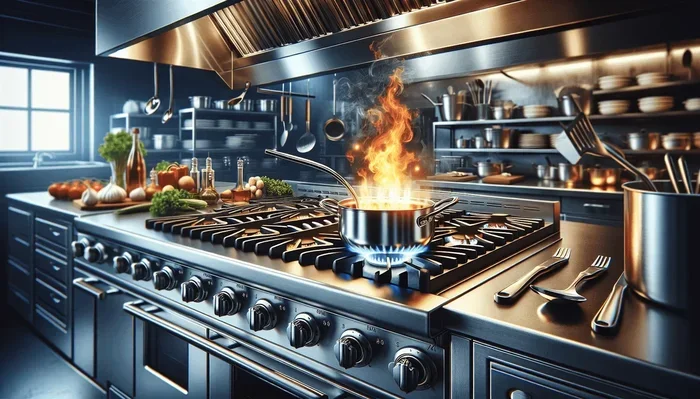
There are a few real risks to be aware of. First, thermal shock is the most common problem. If you place a cold enameled Dutch oven directly onto hot coals, the sudden expansion can cause the enamel to crack. The same goes for rinsing a hot pot with cold water after cooking.
Second, direct flame contact can damage the enamel. Open flames can create hot spots that exceed the enamel’s tolerance. Over time, this can cause discoloration, bubbling, or chipping of the coating.
Third, not all enameled Dutch ovens are built the same way. Some are designed for campfire use and can handle higher temperatures. Others are meant primarily for kitchen stovetops and ovens. Always check the manufacturer’s guidelines before taking your pot to the fire.
For comparison, if you are wondering about other kitchen items and their oven safety, you might want to check whether you can put a plate in the oven for general guidance on heat-safe kitchen items.
## Tips for Using an Enameled Dutch Oven on a Campfire
Now that you know the risks, let us talk about how to use your enameled Dutch oven safely over a campfire. These tips will help you get great results without damaging your pot.
### Start with Low, Indirect Heat
The best approach is to use indirect heat. This means placing the Dutch oven near the fire rather than directly over the flames. Let the coals do the work. A good setup is to push the hot coals to one side of the fire pit and place the pot on the other side.
You can also use a campfire grate to hold the pot at a safe distance. This gives you more control over the heat level.
### Preheat Gradually
Never place a cold enameled Dutch oven directly on hot coals or flames. Instead, warm it up slowly. Set it near the fire and let it heat gradually. This prevents thermal shock and helps the enamel expand at a safe rate.
A good rule of thumb is to start with the pot at least 12 inches away from the heat source. Slowly move it closer over 10 to 15 minutes.
### Use Charcoal Briquettes for Consistent Heat
Charcoal briquettes are a campfire cook’s best friend. They provide steady, even heat that is much easier to manage than open wood flames. You can arrange briquettes under and around the Dutch oven for excellent heat control.
Many experienced campfire cooks use a ring of briquettes under the pot and another ring on the lid. This creates an oven-like environment that cooks food evenly.
### Keep the Lid On
The lid of a Dutch oven traps heat and moisture, creating a self-basting environment. This is especially useful for campfire cooking because it reduces the need for constant monitoring. Keep the lid on as much as possible to maintain consistent temperature.
### Avoid Sudden Cooling
After cooking, let the Dutch oven cool down naturally. Do not plunge a hot pot into cold water or place it on a cold, wet surface. This can cause the enamel to crack. Instead, set it on a dry towel or wooden board and let it come to room temperature on its own.
## Enameled vs. Traditional Cast Iron Dutch Ovens for Campfire Use
Both enameled and traditional cast iron Dutch ovens have their place in campfire cooking. Here is a quick comparison to help you decide which is right for you.
| Feature | Enameled Dutch Oven | Traditional Cast Iron Dutch Oven |
|—|—|—|
| Heat Tolerance | Up to 400-500°F | Up to 700°F+ |
| Direct Flame Use | Not recommended | Safe and common |
| Seasoning Required | No | Yes, regular maintenance |
| Easy Cleaning | Yes, smooth surface | Requires scrubbing and oiling |
| Acidic Foods | Safe to cook | Can cause metallic taste |
| Weight | Similar to cast iron | Heavy |
| Cost | Higher price point | More affordable |
| Thermal Shock Risk | Higher due to enamel | Lower, cast iron is more forgiving |
| Best For | Campfire coals and indirect heat | Direct fire cooking |
If you love the ease of cleaning and the non-reactive surface of enamel, you will appreciate your enameled Dutch oven for campfire trips. If you want maximum heat tolerance and rugged durability, traditional cast iron is the way to go.
## Best Practices for Campfire Cooking with an Enameled Dutch Oven
### Prepare Your Fire First
Do not rush the cooking process. Build your fire and let it burn down to a good bed of coals before you start cooking. This gives you a more controlled heat source.
A fire that has been burning for 30 to 45 minutes usually produces excellent coals. The flames should be mostly died down, leaving glowing red-orange embers.
### Use Heat Diffusers
A heat diffuser is a simple tool that sits between the fire and your pot. It spreads the heat evenly and prevents hot spots. You can use a campfire grate, a metal sheet, or even a layer of hardwood sticks as a natural diffuser.
### Monitor the Temperature
Unlike a kitchen oven, a campfire does not have a thermostat. You need to pay attention to how your food is cooking. If the stew is boiling too hard, move the pot further from the coals. If it is not simmering enough, bring it closer.
A simple trick is to hold your hand about six inches above the pot lid. If you can hold it there comfortably for about 3 to 4 seconds, the heat is medium. If you can only hold it for 1 to 2 seconds, it is high heat.
### Try These Campfire Recipes
An enameled Dutch oven opens up a world of campfire recipes. You can make soups, stews, casseroles, bread, and even desserts.
For a classic campfire meal, try cooking potatoes in your enameled Dutch oven. They pair wonderfully with campfire seasoning and a bit of butter. You can find general guidance on potato cooking times in our article on how long potatoes take to cook in the oven, though campfire cooking may take a bit longer.
For a sweet treat, you can even bake a cobbler or cake in your enameled Dutch oven over the coals. The even heat distribution of the pot makes it surprisingly effective for baking outdoors.
## Common Mistakes to Avoid
### Placing the Pot Directly in the Flames
This is the number one mistake people make. Direct flames can exceed 1,000 degrees and will damage the enamel quickly. Always use coals or indirect heat instead.
### Ignoring Manufacturer Guidelines
Every enameled Dutch oven has a maximum temperature rating. Some are rated for 400°F, others for 500°F or higher. Going over this limit can void your warranty and damage the pot. Check the manual or the manufacturer’s website before taking it camping.
### Skipping the Preheating Step
Putting a cold pot on hot coals is a recipe for disaster. The thermal shock can cause cracks that are both unsightly and unsafe. Always preheat gradually.
### Using Metal Utensils That Scratch the Enamel
While enamel is durable, it can scratch. Use wooden or silicone utensils to protect the surface. Metal utensils can chip the enamel over time, exposing the cast iron underneath to rust.
## Cleaning and Maintenance After Campfire Use
After a great campfire meal, your enameled Dutch oven needs proper care. Cleaning it correctly will preserve the enamel and keep it looking great for years.
Let the pot cool down completely before cleaning. Never use cold water on a warm pot. Once it is room temperature, wash it with warm soapy water and a soft sponge. Avoid abrasive scrubbers that can scratch the enamel.
For stuck-on food, soak the pot in warm water for 15 to 20 minutes. This loosens the residue without harsh scrubbing. Dry the pot thoroughly after washing to prevent any moisture from affecting the enamel or the cast iron underneath.
Store your enameled Dutch oven in a dry place with the lid slightly ajar to allow air circulation.
If you are interested in general cleaning best for kitchen appliances, you can also check out our guide on how to clean a Hamilton Beach toaster oven for additional tips on maintaining kitchen cookware and appliances.
## Expert Insights on Enameled Dutch Oven Campfire Cooking
Many outdoor cooking experts recommend enameled Dutch ovens for campfire use because of their versatility. The even heat distribution means your food cooks consistently, even without a precise heat source.
Chef and outdoor cooking instructor, Linda Ly, notes that enameled Dutch ovens are perfect for one-pot campfire meals. She advises starting with lower heat and building up gradually. This approach protects the enamel and gives you better control over the cooking process.
The non-reactive enamel surface also means you can cook a wider variety of foods outdoors. Tomato-based sauces, wine reductions, and citrus marinades all work well without any metallic aftertaste.
## Key Considerations Before Buying an Enameled Dutch Oven for Camping
If you are in the market for a new enameled Dutch oven for campfire trips, keep a few things in mind. Look for models that are rated for high heat. Some enameled Dutch ovens are specifically designed for outdoor use and can handle more direct heat than others.
Consider the size of the pot. A 6-quart Dutch oven is a great all-around size for camping. It is large enough to feed a family but not so heavy that it is difficult to transport.
Weight matters when you are hiking to a campsite. Enameled Dutch ovens are heavy because they are made of cast iron. If weight is a concern, look for lighter models or consider whether a traditional cast iron Dutch oven might be a better fit.
Also, check whether the lid is oven-safe and heat-resistant. Some lids have plastic knobs that can melt at high temperatures. Look for models with metal or heat-resistant knob designs.
## Final Thoughts
Using an enameled Dutch oven on a campfire is not only possible, it is a wonderful way to elevate your outdoor cooking. The key is to respect the heat limits of the enamel coating and to use indirect heat whenever possible. With gradual preheating, careful temperature management, and proper cleaning, your enameled Dutch oven can serve you well on many camping trips.
Remember that safety comes first. Never use a pot that has visible cracks or chips in the enamel. Damaged enamel can expose the cast iron to moisture and lead to rust.
Whether you are making a hearty stew, baking fresh bread, or simmering a simple soup, an enameled Dutch oven adds a touch of comfort to every campfire meal. The best part is that the food tastes even better when cooked outdoors over an open fire.
So the next time you pack for a camping trip, do not leave your enameled Dutch oven behind. With the right approach, it will become your favorite piece of camping cookware.
Key Takeaways
- Enameled Dutch ovens work on campfires: The enamel coating adds a non-reactive surface, making it safe for cooking over open flames when done correctly.
- Thermal shock is the biggest risk: Sudden temperature changes can crack the enamel, so always preheat gradually and avoid placing a hot pot on cold surfaces.
- Use indirect heat when possible: Placing the Dutch oven near the fire rather than directly in the flames reduces the risk of enamel damage.
- Clean gently after campfire use: Proper cleaning preserves the enamel coating and extends the life of your cookware. You can learn more about cleaning techniques in our guide on how to clean a toaster oven.
- Not all enameled Dutch ovens are equal: Some brands handle high heat better than others. Check manufacturer guidelines before taking one to the campsite.
- Cast iron Dutch ovens without enamel are more campfire-friendly: They tolerate higher direct heat, but enameled versions offer easier cleaning and no seasoning needed.
Frequently Asked Questions
Can I put an enameled Dutch oven directly on a campfire flame?
It is not recommended. Direct flame contact can exceed the enamel’s heat tolerance and cause cracking or chipping. Use indirect heat from coals or a campfire grate instead for safer and better results.
What temperature can an enameled Dutch oven handle on a campfire?
Most enameled Dutch ovens are rated for temperatures between 400 and 500 degrees Fahrenheit. Campfire coals typically reach around 500 to 700 degrees, so keeping the pot at a safe distance is essential to stay within the safe range.
How do I prevent my enameled Dutch oven from cracking on a campfire?
Preheat the pot gradually by placing it near the fire before moving it closer. Avoid sudden temperature changes, and never place a hot pot on a cold or wet surface. Let it cool naturally after cooking.
Is it safe to cook acidic food in an enameled Dutch oven over a campfire?
Yes. The enamel coating is non-reactive, so acidic foods like tomato sauces or citrus-based marinades are perfectly safe. Unlike bare cast iron, enamel will not react with acids or alter the taste of your food.
How do I clean my enameled Dutch oven after a campfire trip?
Let the pot cool to room temperature first. Wash it with warm soapy water and a soft sponge. Avoid abrasive scrubbers. For stuck-on food, soak in warm water for 15 to 20 minutes, then wash and dry thoroughly.
Can I use an enameled Dutch oven for baking over a campfire?
Absolutely. Enameled Dutch ovens work great for baking over campfire coals. Use a ring of briquettes under the pot and on the lid to create an even oven-like environment for bread, cakes, and cobblers.