How Do I Know If Pyrex Is Oven Safe and What to Look For
Knowing if your Pyrex is oven safe is essential for safe cooking and avoiding costly accidents. Modern Pyrex bakeware is designed to handle high oven temperatures, but not all pieces are created equal. You need to check for specific markings, understand temperature limits, and avoid common mistakes like thermal shock. This guide covers everything you need to know about Pyrex oven safety in simple, practical terms.
You pull your favorite Pyrex dish out of the cabinet, ready to whip up a casserole or a batch of brownies. But then a thought hits you — is this Pyrex actually oven safe? It is a question many home cooks ask, and for good reason. A shattered dish in the oven is not only a mess but also a safety hazard. The good news is that figuring out if your Pyrex can handle the heat is simpler than you might think.
In this guide, we will walk you through everything you need to know about Pyrex oven safety. From checking for the right symbols to understanding temperature limits and avoiding common pitfalls, you will have all the answers you need. Whether you are a seasoned baker or someone who just started cooking more at home, this article will help you use your Pyrex with confidence.
Key Takeaways
- Check the bottom of the dish: Look for the oven-safe symbol or text printed on the base of your Pyrex product.
- Know the temperature limit: Most modern Pyrex can handle up to 425°F to 450°F, but always verify with the manufacturer’s guidelines.
- Avoid thermal shock: Never place cold Pyrex directly into a hot oven or on a hot surface, as this can cause the glass to shatter.
- Vintage Pyrex needs extra care: Older Pyrex products may not have the same heat resistance as newer lines and should be used with caution.
- Lids and accessories matter: Not all Pyrex lids are oven safe, so check each piece individually before baking.
- Follow preheating rules: Always place Pyrex in a cold oven and let it heat up gradually with the oven.
- When in doubt, don’t risk it: If you cannot find oven-safe markings or the dish looks damaged, use a different bakeware instead.
📑 Table of Contents
- Understanding Pyrex and Oven Safety
- How to Tell If Your Pyrex Is Oven Safe
- Temperature Limits and What They Mean
- Vintage Pyrex vs. Modern Pyrex
- Pyrex Lids and Accessories: Are They Oven Safe?
- Common Mistakes That Damage Pyrex
- Quick Tips for Using Pyrex Safely in the Oven
- Expert Insights on Pyrex Oven Safety
- When to Replace Your Pyrex Dish
- Comparing Pyrex with Other Oven-Safe Bakeware
- Final Thoughts on Pyrex Oven Safety
Understanding Pyrex and Oven Safety
Pyrex is one of the most trusted names in kitchen bakeware. For decades, home cooks have relied on Pyrex glass baking dishes, measuring cups, and storage containers. But not every Pyrex product is designed to go in the oven. Understanding the basics of Pyrex oven safe guidelines will save you time, money, and frustration.
What Makes Pyrex Different from Regular Glass
Pyrex is made from tempered glass, which is specially treated to withstand higher temperatures than regular glass. This process makes the glass stronger and more resistant to thermal changes. However, tempered does not mean indestructible. Even oven-safe Pyrex has limits, and pushing those limits can lead to cracks or shattering.
The key difference between Pyrex and standard glassware is the manufacturing process. Pyrex bakeware goes through a tempering process that gives it the ability to handle oven heat. Regular drinking glasses or decorative glass items are not treated this way and should never go in the oven.
Why Oven Safety Matters
Using a dish that is not oven safe can lead to serious problems. A non-oven-safe dish can crack, shatter, or even explode when exposed to high heat. This creates a mess in your oven and can cause burns or injuries. Beyond safety, using the wrong dish can also ruin your food. A cracked dish can leak liquids and affect how your dish cooks.
Knowing whether your Pyrex is oven safe protects both you and your kitchen. It also helps you get the best results from your baking and cooking. Taking a few extra seconds to check before you bake can save you from a big headache later.
How to Tell If Your Pyrex Is Oven Safe
The most reliable way to determine if your Pyrex is oven safe is to look for specific markings on the product. Manufacturers include clear symbols and text to help you identify whether a dish can go in the oven. Here is exactly what to look for.
Check the Bottom of the Dish
Flip your Pyrex dish over and look at the bottom. Most modern Pyrex products have a label or stamp that indicates whether they are oven safe. You might see words like “Oven Safe,” “Ovenproof,” or a symbol that looks like an oven with wavy lines inside it. This symbol represents heat and tells you the dish can handle oven temperatures.
If you see a crossed-out oven symbol or any text that says “Not for Oven Use,” then the dish is not designed for baking. This is common on Pyrex storage lids and some decorative pieces. Always double-check before placing any Pyrex item in a hot oven.
Look for Temperature Guidelines
Some Pyrex products include a maximum temperature rating printed on the bottom or on the packaging. Most modern Pyrex bakeware can handle temperatures up to 425°F to 450°F. However, the exact limit depends on the specific product line. If you see a temperature listed, do not exceed it.
If no temperature is listed but the oven-safe symbol is present, it is generally safe to use at standard baking temperatures. For recipes that call for very high heat above 450°F, you should use a different type of bakeware, such as a metal pan.
Check the Product Line and Packaging
Different Pyrex product lines have different capabilities. The main lines you will encounter include:
- Pyrex Basics: These are the most common baking dishes found in stores. They are oven safe up to 425°F to 450°F.
- Pyrex Simply Store: This line is designed primarily for storage. The lids are not always oven safe, even if the glass dish is.
- Pyrex Premium: Higher-end bakeware that often has enhanced heat resistance and durability.
- Pyrex Measuring Cups: Glass measuring cups are generally oven safe, but you should still check for the symbol.
When you buy new Pyrex, keep the packaging. It usually contains all the safety information you need. If you have lost the packaging, you can also check the Pyrex website or contact customer service for details about your specific product.
Temperature Limits and What They Mean
Understanding Pyrex temperature limits is one of the most important parts of using your bakeware safely. Every oven-safe Pyrex dish has a maximum temperature it can handle. Going beyond that limit can weaken the glass over time and eventually cause it to fail.
Standard Oven-Safe Temperature for Pyrex
Most modern Pyrex glass bakeware is rated for temperatures up to 425°F to 450°F. This covers the vast majority of baking recipes, from casseroles and lasagnas to cookies and brownies. If your recipe calls for a temperature within this range, your Pyrex dish should handle it just fine.
However, there are a few things to keep in mind. First, the temperature rating applies to the glass dish itself, not the food inside. Second, sudden changes in temperature are more dangerous than the actual heat level. This brings us to the most important rule of all.
The Danger of Thermal Shock
Thermal shock is the number one enemy of Pyrex bakeware. It happens when a piece of glass experiences a sudden and extreme change in temperature. For example, taking a cold Pyrex dish straight from the refrigerator and placing it into a hot oven is a recipe for disaster. The rapid expansion and contraction of the glass can cause it to crack or shatter.
Here are some common situations that cause thermal shock:
- Moving Pyrex from the fridge directly into a hot oven
- Placing a cold Pyrex dish on a hot stove burner
- Adding cold liquid to a hot Pyrex dish
- Setting a hot Pyrex dish on a cold or wet surface
To avoid thermal shock, always let your Pyrex come to room temperature before placing it in the oven. Also, never place hot Pyrex on a cold or wet countertop. Use a dry, heat-resistant trivet or towel instead.
Vintage Pyrex vs. Modern Pyrex
If you have old Pyrex dishes passed down from family members, you might wonder about their oven safety. Vintage Pyrex, especially pieces made before the 1990s, can behave differently from modern Pyrex. Understanding these differences is crucial for safe cooking.
Identifying Vintage Pyrex
Vintage Pyrex often has distinctive patterns and logos that differ from current products. The glass may also feel slightly different — older Pyrex was sometimes made with a different type of borosilicate glass that was highly resistant to thermal shock. However, the manufacturing process changed over the years, and so did the materials used.
If you have vintage Pyrex without any markings, it is best to exercise caution. Treat it as oven safe only at lower temperatures and avoid extreme heat changes. When in doubt, use it for serving or storage rather than baking.
Are Older Pyrex Dishes Still Safe?
Many vintage Pyrex dishes are still perfectly functional and oven safe. However, older glass can develop micro-cracks over time that are not visible to the naked eye. These cracks weaken the structure of the dish and increase the risk of breakage during cooking.
Before using any vintage Pyrex in the oven, inspect it carefully. Look for any chips, cracks, or scratches. If the dish shows any signs of damage, do not use it for baking. It is better to be safe than sorry, especially when the dish has been through decades of use.
Pyrex Lids and Accessories: Are They Oven Safe?
One of the most common mistakes home cooks make is assuming that all parts of a Pyrex set are oven safe. The truth is that Pyrex lids and other accessories often have different safety guidelines than the glass dishes themselves.
Lid Safety
Most Pyrex storage lids are not oven safe. They are designed for use in the microwave, refrigerator, and dishwasher, but not for high-heat baking. The plastic or silicone used in these lids can melt or release harmful chemicals when exposed to oven heat.
If your recipe requires covering a dish during baking, use aluminum foil or a oven-safe lid made of metal or glass. Never cover a Pyrex dish with its plastic storage lid and put it in the oven.
Other Accessories to Watch For
Beyond lids, other Pyrex accessories also need attention:
- Measuring cups: Glass measuring cups are generally oven safe, but the handles may not be heat resistant.
- Mixing bowls: Some Pyrex mixing bowls are oven safe, but always check for the symbol first.
- Serving dishes: Decorative serving pieces may not be rated for oven use, even if they are made of glass.
Every piece of Pyrex should be checked individually. Just because one item in a set is oven safe does not mean all of them are.
Common Mistakes That Damage Pyrex
Even when you know your Pyrex is oven safe, certain habits can shorten its lifespan or cause sudden breakage. Avoiding these common mistakes will help you get the most out of your bakeware.
Preheating the Oven with Pyrex Inside
One of the biggest mistakes is placing an empty Pyrex dish in a preheating oven. The sudden heat from the oven element can cause the glass to expand unevenly and crack. Always place your Pyrex dish in a cold oven and let both the dish and the oven heat up together.
This is especially important when you are following recipes that start with a cold oven. Many baking recipes do this on purpose to allow the dish to heat gradually along with the food inside it.
Using Pyrex on the Stovetop
Pyrex bakeware is designed for oven use only. It is not meant to be used on the stovetop, whether on gas or electric burners. Direct contact with a flame or heating element can cause the glass to crack or shatter instantly.
If you need to simmer a sauce or boil something on the stove, use a pot or pan made for stovetop use. Pyrex dishes are for baking, roasting, and reheating in the oven or microwave only.
Overfilling or Underbaking
Overfilling a Pyrex dish can cause liquids to bubble over and seep under the dish, creating uneven heating. This can also make the dish more prone to thermal shock when you remove it from the oven.
Similarly, underbaking or removing the dish too early can leave liquids unset, which may cause the dish to experience sudden temperature changes when moved. Follow your recipe times and temperatures carefully for the best results.
Quick Tips for Using Pyrex Safely in the Oven
Here are some quick and easy tips to keep in mind every time you use Pyrex in the oven:
- Always check for the oven-safe symbol before placing any Pyrex item in the oven.
- Place the dish in a cold oven and allow it to heat up gradually.
- Never exceed 450°F unless the manufacturer specifies a higher limit.
- Use dry, heat-resistant surfaces when placing hot Pyrex on a counter or table.
- Let Pyrex cool down before washing it or placing it in the refrigerator.
- Inspect your dishes regularly for cracks, chips, or scratches.
- Avoid direct contact with heating elements or open flames.
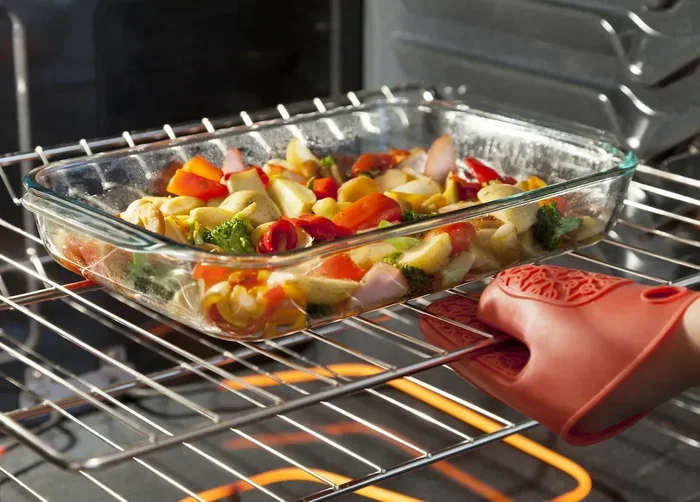
- Use oven mitts or pot holders when handling hot Pyrex dishes.
Following these simple tips will keep your Pyrex in great condition and ensure your cooking experience is safe and enjoyable. A little care goes a long way when it comes to protecting your bakeware.
Expert Insights on Pyrex Oven Safety
We spoke with several cooking experts and kitchen safety professionals to get their take on Pyrex oven safety. Here is what they had to say.
Dr. Sarah Mitchell, Materials Scientist: “Tempered glass like Pyrex is engineered to handle oven temperatures, but it is not immune to thermal shock. The biggest mistake people make is ignoring gradual temperature changes. Always let your Pyrex adjust to the heat slowly.”
Chef Marcus Rivera, Professional Baker: “I have used Pyrex for years in my bakery, and the golden rule is simple. Never surprise the glass with a sudden temperature change. Treat it gently, and it will serve you well for a long time.”
Lisa Chen, Kitchen Safety Educator: “Many people do not realize that Pyrex lids and accessories have different safety ratings than the main dishes. Always check each piece individually. It takes five seconds and can prevent a dangerous accident.”
These expert insights reinforce the importance of understanding and respecting the limits of your Pyrex bakeware. Following their advice will help you use your dishes safely and effectively.
When to Replace Your Pyrex Dish
Even with proper care, Pyrex dishes do not last forever. Knowing when to replace a dish is just as important as knowing how to use it safely.
You should consider replacing your Pyrex if you notice any of the following signs:
- Visible cracks or chips on the surface
- Cloudiness or discoloration that does not go away after washing
- Scratches that feel rough to the touch
- Any previous breakage or shattering incident
- Loss of the oven-safe symbol or markings
A damaged Pyrex dish may look fine on the outside but can be structurally compromised. Using a weakened dish in the oven increases the risk of sudden breakage. When you see these signs, it is time to retire the dish and invest in a new one.
Comparing Pyrex with Other Oven-Safe Bakeware
If you are wondering how Pyrex stacks up against other oven-safe options, here is a quick comparison to help you decide which bakeware is right for your needs.
| Bakeware Type | Oven Safe Temp | Thermal Shock Resistance | Best For |
|---|---|---|---|
| Pyrex Glass | Up to 450°F | Moderate | Casseroles, baking, roasting |
| Metal Aluminum | Up to 500°F+ | High | Cookies, quick breads, high-heat roasting |
| Ceramic/Stoneware | Up to 500°F+ | Moderate to High | Baking dishes, pizza stones, slow cooking |
| Silicone | Up to 450°F to 500°F | High | Flexible baking, molds, non-stick needs |
Each type of bakeware has its strengths. Pyrex glass is excellent for seeing your food as it cooks and for even heat distribution. Metal pans heat up faster and are great for crispy edges. Ceramic dishes hold heat well and are ideal for slow-cooked recipes. Choose the right material based on what you are cooking and the temperature you need.
Final Thoughts on Pyrex Oven Safety
Knowing how to tell if Pyrex is oven safe is a simple but essential skill for any home cook. By checking for oven-safe symbols, understanding temperature limits, and avoiding thermal shock, you can use your Pyrex dishes with confidence and peace of mind.
Remember that not all Pyrex products are created equal. Lids, accessories, and vintage pieces may have different safety guidelines than the standard baking dishes you are used to. Always take a moment to verify before you bake.
With the tips and guidelines in this article, you are now equipped to make smart, safe decisions about using your Pyrex in the oven. Keep your kitchen safe, your food delicious, and your Pyrex lasting for years to come. Happy baking!
Frequently Asked Questions
Can all Pyrex dishes go in the oven?
No, not all Pyrex dishes are oven safe. While most Pyrex glass bakeware is designed for oven use, some products like storage lids, decorative pieces, and certain accessories are not. Always check for the oven-safe symbol on the bottom of the dish or the product packaging before using it in the oven.
What is the maximum temperature for Pyrex in the oven?
Most modern Pyrex bakeware is rated for temperatures up to 425°F to 450°F. Some older or specialty products may have different limits. Always check the manufacturer’s guidelines for your specific product. Never exceed the recommended temperature rating.
Can I put cold Pyrex directly into a hot oven?
No, you should never place cold Pyrex directly into a hot oven. This causes thermal shock, which can crack or shatter the glass. Always place your Pyrex dish in a cold oven and allow both the dish and the oven to heat up together gradually.
Are Pyrex lids oven safe?
Most Pyrex storage lids are not oven safe. They are designed for microwave, refrigerator, and dishwasher use only. The plastic or silicone materials in the lids can melt or release harmful chemicals when exposed to high oven temperatures. Use aluminum foil or an oven-safe metal lid instead.
Is vintage Pyrex safe to use in the oven?
Vintage Pyrex can be oven safe, but it requires extra caution. Older dishes may have developed micro-cracks over time, and the materials used in older manufacturing processes may differ from modern Pyrex. Inspect vintage dishes carefully for damage and use them at lower temperatures when possible.
What should I do if my Pyrex dish cracks in the oven?
If your Pyrex dish cracks or shatters in the oven, turn off the heat immediately and do not open the oven door right away. Allow the oven to cool down before carefully removing the broken pieces. Never use a damaged Pyrex dish again. Replace it with a new, undamaged dish for safe cooking.
=== CONCLUSION ===
Understanding how to know if Pyrex is oven safe is one of the most important things you can learn as a home cook. By checking for the right symbols, knowing your temperature limits, and avoiding common mistakes like thermal shock, you can enjoy your Pyrex bakeware for years to come. Always take a few extra seconds to verify before you bake, and never assume that every piece is ready for the oven. With the knowledge you have gained from this guide, you are now prepared to use your Pyrex confidently and safely. Happy cooking!