How Long A Lasagna In The Oven Takes To Bake Properly
How Long A Lasagna In The Oven depends on oven temperature, dish size, and number of layers. Most homemade lasagna recipes call for 45 to 60 minutes at 375°F to 400°F. Following the right lasagna cooking tips ensures a golden, bubbly, and fully cooked dish every time.
There is something deeply satisfying about pulling a homemade lasagna out of the oven. The golden bubbly top, the rich aroma filling the kitchen, and the promise of a delicious meal make it all worth it. But if you have ever wondered exactly how long a lasagna in the oven really takes, you are not alone. Many home cooks guess, tweak, and sometimes end up with a lasagna that is either undercooked or overcooked.
The good news is that baking lasagna does not have to be a guessing game. With the right oven temperature for lasagna, a solid lasagna recipe, and a clear timeline, you can achieve perfect results every time. This article breaks down everything you need to know about how long a lasagna in the oven takes, from prep to the final rest. Whether you are making a classic meat lasagna, a cheese lasagna, or a ground beef lasagna, this guide covers you.
Key Takeaways
- Standard Bake Time: Most lasagna needs 45 to 60 minutes in a preheated oven at 375°F to 400°F.
- Oven Temperature Matters: 375°F is the sweet spot for even cooking without burning the top.
- Resting Is Essential: Let your lasagna rest for 15 to 20 minutes before slicing so it holds its shape.
- Dish Size Affects Timing: A 9×13 pan takes longer than a smaller dish, so adjust accordingly.
- Cover With Foil: Covering with foil for the first half prevents the top from burning while the inside cooks.
- Check Internal Temperature: The lasagna is done when it reaches 165°F in the center.
- Thaw Frozen Lasagna First: Frozen lasagna needs extra time, typically 75 to 90 minutes at 375°F.
📑 Table of Contents
How Long A Lasagna In The Oven Really Takes
The short answer is that a standard lasagna bake time falls between 45 and 60 minutes at 375°F. But that number changes based on several factors. A thinner lasagna with fewer layers might be done in 35 minutes. A deep, heavily loaded oven-baked lasagna with five or more layers could take closer to 75 minutes. Understanding these variables helps you set the right expectations and avoid serving a lasagna that is not fully cooked through.
Average Baking Times By Lasagna Type
Different types of lasagna require different amounts of time in the oven. Here is a quick breakdown of what to expect:
- Classic meat lasagna: 50 to 60 minutes at 375°F. The ground beef lasagna needs enough time for the meat sauce to heat through and the cheese to melt completely.
- Vegetable lasagna: 40 to 50 minutes at 375°F. Vegetables release moisture, so the bake time is slightly shorter.
- Cheese-only lasagna: 35 to 45 minutes at 375°F. Less density means faster, more even cooking.
- Frozen store-bought lasagna: 60 to 90 minutes at 375°F. Always follow the package instructions, but this range covers most brands.
- No-boil noodle lasagna: 55 to 65 minutes at 375°F. The noodles absorb more sauce, so they need extra time to become tender.
These times assume you are using a standard 9×13-inch lasagna dish size. If your pan is smaller or larger, the timing will shift. A deeper dish holds more layers and needs more time. A wider, shallower dish cooks faster because the layers are thinner.
The Best Oven Temperature For Lasagna
Getting the lasagna oven temp right is just as important as tracking the time. Too hot and the top burns before the center cooks. Too cool and the lasagna turns watery and underdone. Most lasagna recipes call for 375°F, and for good reason. This temperature allows the lasagna layers to heat evenly, the cheese to melt into a beautiful golden crust, and the sauce to thicken without drying out.
Why 375°F Works So Well
At 375°F, the heat circulates gently around the oven-baked lasagna. The ricotta cheese and mozzarella cheese have time to melt slowly and develop a creamy texture. The lasagna noodles absorb the sauce without turning to mush. And the meat, if you are using it, cooks through safely without drying out.
Some cooks prefer 400°F for a faster bake and a crispier top. This works if you are short on time, but you need to watch the lasagna closely. Covering it with foil during the first half of the bake helps prevent burning at the higher temperature.
Can You Bake Lasagna At 350°F?
Yes, you can. Baking at 350°F adds about 10 to 15 minutes to the total lasagna baking time. The lower temperature means slower, more gentle cooking. This can actually produce a more evenly heated lasagna with less risk of a burnt top. If you choose 350°F, plan for a bake time closer to 60 to 75 minutes for a standard 9×13 pan.
Factors That Affect Lasagna Baking Time
Not all lasagna bakes the same way. Several factors influence how long a lasagna in the oven truly takes. Knowing these factors helps you adjust your approach and get better results every time you bake lasagna.
Dish Size And Depth
The size of your baking dish plays a huge role. A standard 9×13-inch pan is the most common choice, and most lasagna recipes are designed around it. If you use a smaller 8×8 pan, the layers are taller and denser, which means more baking time. A larger 13×18 pan spreads the layers thinner, reducing the time needed.
Depth matters too. A deep dish holds more sauce and cheese between the layers. This extra mass needs more heat and more time to reach the right lasagna internal temperature in the center.
Number Of Layers
A three-layer homemade lasagna bakes faster than a five-layer one. Each additional layer adds thickness, which means the heat has to travel further to cook the center. If you love thick lasagna, add 10 to 15 minutes to the standard bake time and check for doneness with a thermometer.
Ingredient Temperature
This is a tip many people overlook. If your ingredients are cold straight from the refrigerator, the lasagna needs more time to heat through. Bringing your sauce, cheese, and noodles to room temperature before assembling can cut 5 to 10 minutes off the bake time. It also promotes more even cooking throughout the dish.
Oven Accuracy
Not all ovens heat accurately. Some run hot, and some run cool. If your oven runs 25 degrees hotter than what it displays, your lasagna could be overcooking on the outside while still cold in the middle. An oven thermometer is a cheap and useful tool that takes the guesswork out of how to cook lasagna properly.
Step-By-Step Guide To Baking Lasagna
Now that you understand the timing and temperature, let walk through the actual process of baking lasagna in the oven. Following these steps ensures a delicious, well-cooked oven-baked lasagna every time.
Step One: Preheat The Oven
Start by preheating your oven to 375°F. Give it at least 15 to 20 minutes to reach the right temperature. Placing your lasagna into a cold or lukewarm oven throws off the timing and leads to uneven cooking.
Step Two: Prepare Your Ingredients
While the oven heats, prepare your sauce, cheese mixture, and lasagna noodles. If you are using regular noodles, boil them until just al dente. If you use no-boil noodles, make sure your sauce is slightly more liquid than usual because the noodles will absorb moisture during the bake.
Step Three: Assemble The Layers
Spread a thin layer of sauce on the bottom of the dish. This prevents the lasagna noodles from sticking. Then alternate layers of noodles, ricotta cheese mixture, meat sauce or vegetables, and mozzarella cheese. End with a generous layer of sauce and a heavy topping of mozzarella cheese and a sprinkle of parmesan.
Step Four: Cover And Bake
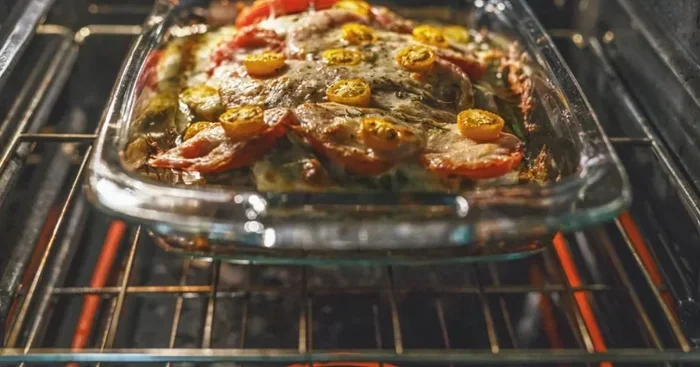
Cover the dish tightly with aluminum foil. This traps steam and helps the lasagna layers cook evenly without the top drying out. Place it in the oven and bake for the first 25 to 30 minutes with the foil on.
Step Five: Remove The Foil And Finish Baking
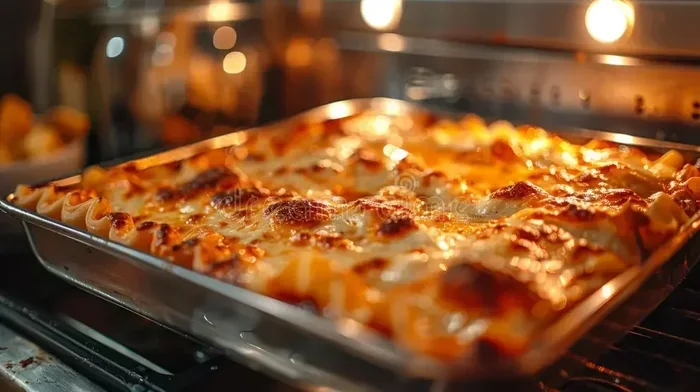
After the first half of the bake, remove the foil. This allows the top to brown and the surface to become bubbly and golden. Continue baking for another 20 to 30 minutes, depending on your lasagna dish size and the number of layers.
Step Six: Check For Doneness
The lasagna internal temperature should read 165°F in the center when you insert a meat thermometer. The sauce should be bubbling around the edges, and the top should look golden and set. If the top is browning too fast, tent it loosely with foil for the remaining bake time.
Step Seven: Let It Rest
This step is critical and often skipped. Remove the homemade lasagna from the oven and let it rest for 15 to 20 minutes before cutting. Resting allows the layers to set and the sauce to thicken slightly. When you finally slice into it, each piece holds its shape cleanly instead of falling apart into a soupy mess.
Quick Tips For Perfect Lasagna Every Time
Mastering the art of lasagna cooking tips is easier than you think. A few small adjustments can make a big difference in the final result.
- Use a meat thermometer. Checking the lasagna internal temperature is the most reliable way to know if it is done.
- Do not skip the resting time. Cutting too early causes the layers to slide and the sauce to spill out.
- Salt your sauce well. The lasagna noodles absorb a lot of flavor, so bland sauce means bland lasagna.
- Grease your dish. A light coat of olive oil or cooking spray prevents sticking and makes serving easier.
- Let it sit at room temperature for 10 minutes before putting it in the oven. This reduces the overall lasagna bake time and promotes even cooking.
- Save some cheese for the top. The final layer of mozzarella cheese creates that beautiful golden crust everyone loves.
Common Mistakes People Make When Baking Lasagna
Even experienced cooks sometimes make mistakes that affect the final result. Avoiding these common errors helps you serve a better oven-baked lasagna every time.
Using A Cold Dish
Placing a cold glass or ceramic dish into a hot oven can cause thermal shock. The dish may crack, and the cold starting temperature adds extra time to the lasagna bake time. Pull your dish out before preheating so it warms up gradually.
Overfilling The Dish
It is tempting to fill the pan to the brim, but lasagna needs room to bubble and expand. Overfilling causes overflow in the oven and makes the edges soggy. Leave about half an inch of space at the top of the dish.
Not Enough Sauce
Lasagna needs moisture. If you use too little sauce, the lasagna noodles dry out and turn chewy or hard. Make sure each layer has enough sauce to keep things moist and flavorful throughout the bake.
Opening The Oven Door Too Often
Every time you open the oven door, heat escapes and the temperature drops. This extends the lasagna baking time and can cause the layers to shift. Trust the timer and only open the door when it is time to check the final browning.
Cutting Into The Lasagna Too Soon
We touched on this earlier, but it deserves its own mention. Cutting into a freshly baked homemade lasagna ruins the presentation and the texture. Give it the full 15 to 20 minutes of resting time. Your patience will be rewarded with clean, beautiful slices.
Expert Insights On Baking Lasagna
Professional chefs and experienced home cooks agree on a few principles that elevate lasagna from good to great. The first is patience. Rushing the bake or skipping the rest always shows in the final dish. The second is layering technique. Each layer should be even and consistent, which promotes uniform cooking throughout the entire pan.
Another expert insight is to undercook the lasagna noodles slightly if you are boiling them yourself. They will finish cooking in the oven as they absorb the sauce. This prevents mushy noodles and gives you more control over the final texture.
Finally, invest in a good lasagna dish size that fits your oven and serves your family comfortably. A properly sized dish ensures even heat distribution and the right lasagna bake time without any cold spots or overcooked edges.
Conclusion
Knowing how long a lasagna in the oven takes transforms you from a guesser into a confident cook. The standard lasagna baking time of 45 to 60 minutes at 375°F works for most homemade lasagna recipes, but the real key is understanding the factors that change that time. Your dish size, the number of layers, the starting temperature of your ingredients, and even your oven accuracy all play a role.
Follow the steps outlined in this guide, use a meat thermometer to check that the center reaches 165°F, and always let your lasagna rest before serving. These simple practices make a noticeable difference in the texture, flavor, and presentation of your dish. Whether you are making a classic ground beef lasagna, a creamy cheese lasagna, or a vegetable-packed version, the principles remain the same.
Now you have everything you need to bake lasagna with confidence. Preheat that oven, gather your ingredients, and enjoy the process. A perfectly baked oven-baked lasagna is one of the most rewarding things you can make at home, and with the right timing and temperature, it is easier than you think.
Frequently Asked Questions
How long does it take to bake a lasagna at 375°F?
At 375°F, a standard lasagna in a 9×13-inch pan takes about 45 to 60 minutes. If you cover it with foil for the first 25 to 30 minutes and then remove the foil to finish, the layers cook evenly and the top turns golden and bubbly.
Can I bake lasagna at 400°F instead of 375°F?
Yes, you can bake lasagna at 400°F, but you should reduce the time slightly to about 40 to 50 minutes. The higher temperature browns the top faster, so covering the lasagna with foil for the first half helps prevent burning while the inside cooks through.
How do I know when lasagna is done in the oven?
The best way to tell is by checking the internal temperature with a meat thermometer. When the center of the lasagna reaches 165°F, it is fully done. You can also look for bubbling around the edges and a golden, set top layer of cheese.
Should I cover lasagna with foil while baking?
Yes, covering lasagna with foil for the first 25 to 30 minutes traps steam and helps the layers cook evenly. Removing the foil for the second half allows the top to brown and develop a delicious golden crust. This two-step approach is one of the best lasagna cooking tips for consistent results.
How long should lasagna rest before serving?
Let your lasagna rest for 15 to 20 minutes after removing it from the oven. This resting period allows the layers to set and the sauce to thicken, making it much easier to cut clean slices. Skipping this step often leads to a messy, soupy serving.
Can I put a frozen lasagna directly into the oven?
Yes, you can bake frozen lasagna directly in the oven, but it takes longer. Plan for about 75 to 90 minutes at 375°F. Remove the outer packaging, cover with foil, and follow the same baking approach as fresh lasagna, just with extra time to ensure the center heats through completely.